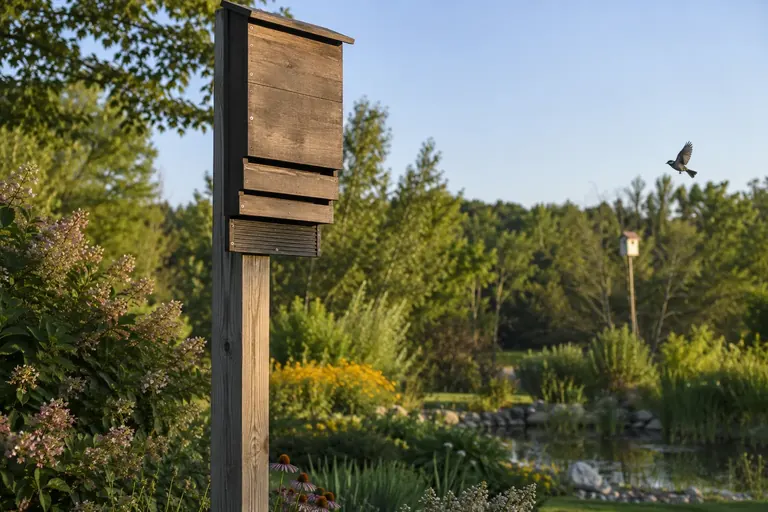
Bat House Guide: Size, Placement and Best Houses
A bat house works when it is tall, multi-chambered, in 6+ hours of sun and 12 to 20 feet up on a pole or wall. Sizing chart, placement rules and 4 picks.

Native plants, water and shelter that turn a yard into a place birds want to stay.
A bat house works when it is tall, multi-chambered, in 6+ hours of sun and 12 to 20 feet up on a pole or wall. Sizing chart, placement rules and 4 picks.
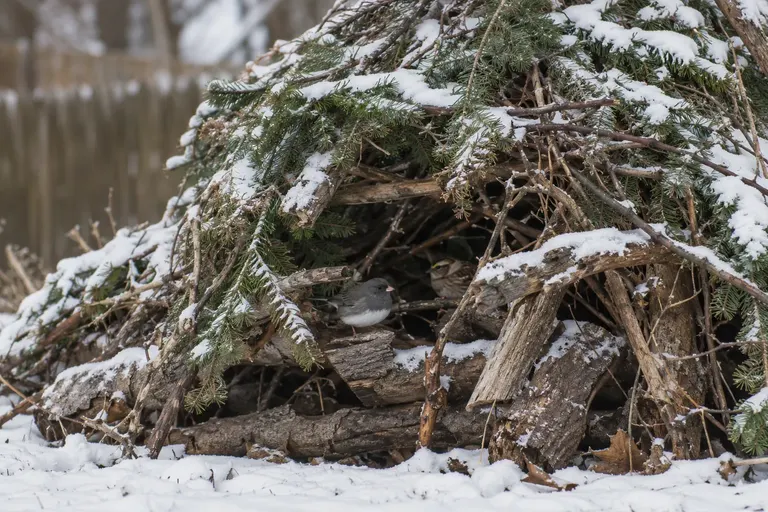
How to build a brush pile for birds: lay a loose base of thick logs, stack branches in layers, top with twigs or evergreen boughs, and site it near cover.
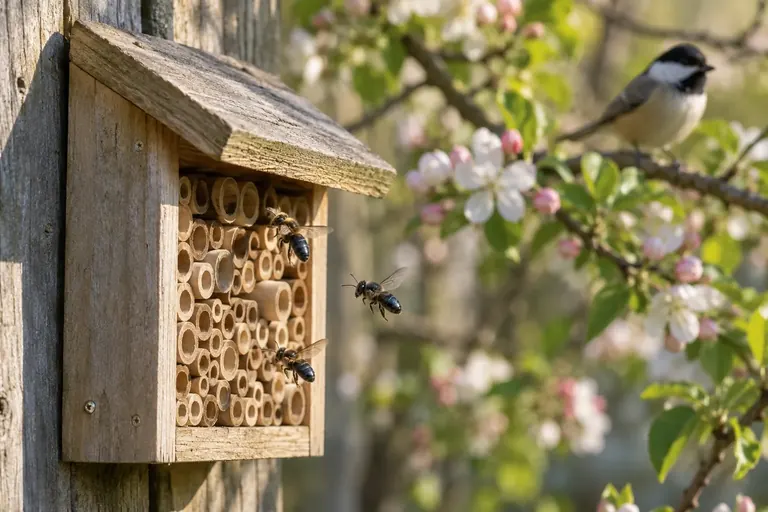
An insect hotel only helps if it suits solitary bees: 6-inch tubes, 1/8 to 3/8 inch holes, morning sun and yearly cleaning. Sizing chart and what to avoid.
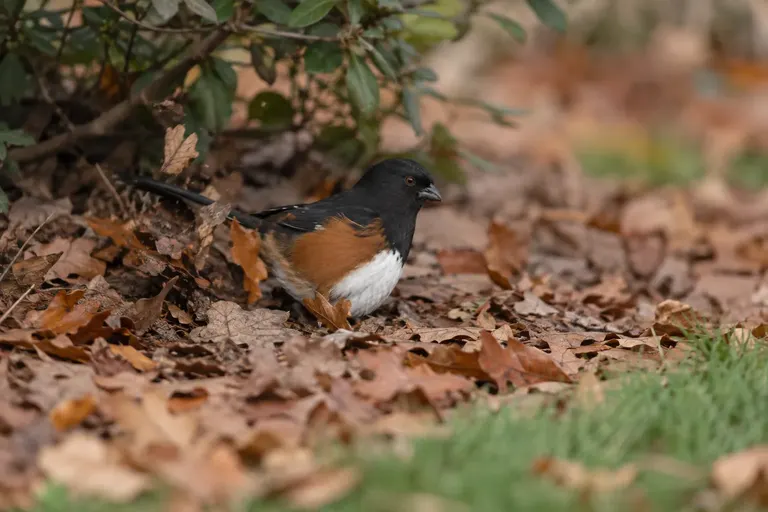
Leave the leaves: fallen leaves shelter the insects, spiders and seeds birds need through winter and spring. Here is the science and a practical way to do it.
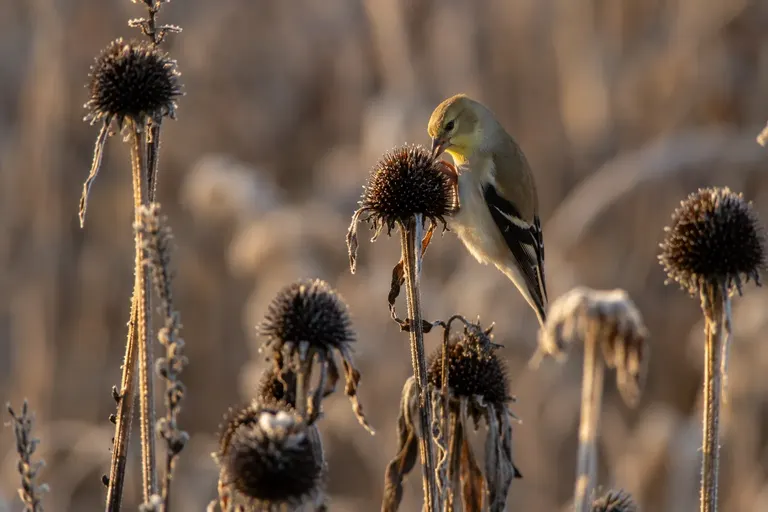
The best seed heads to leave standing for winter finches: coneflowers, sunflowers, asters, goldenrod, grasses and more, plus when to cut them back in spring.
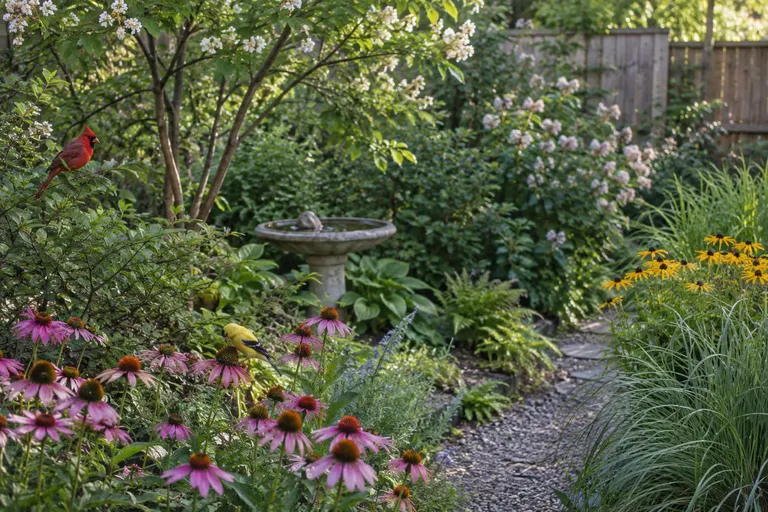
A small bird-friendly garden layers native plants from ground to canopy, adds clean shallow water, dense cover and year-round food, and skips pesticides.
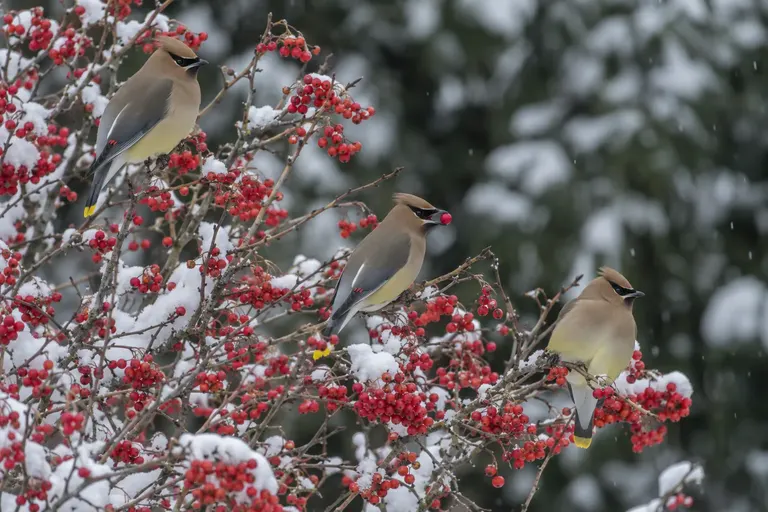
Winter berry shrubs for birds: winterberry, native hollies, sumac, chokeberry, viburnum, hawthorn and juniper hold fruit into late winter. What to plant where.
A bird-friendly garden feeds and shelters birds all year with far less effort than filling feeders, and this hub shows you how to build one step by step with native plants, berry shrubs, seed heads, brush piles and water. The single biggest decision is what you plant. Native plants support the caterpillars and other insects that most songbirds feed their chicks, even species that eat seed as adults, so a yard of native shrubs and perennials does more for nesting birds than any feeder. Check your state native plant society or extension service for species that suit your region.
Think in layers. Birds use different heights for different jobs: tall trees for song perches and nesting, a middle layer of shrubs for cover and berries, and a ground layer of perennials, grasses and leaf litter for foraging. Even a small yard or patio can offer a few layers. Next, plan for every season. Serviceberry and elderberry fruit in summer, dogwood and viburnum in fall, and winterberry holly and sumac hold fruit into winter, while coneflowers, black-eyed Susans and native grasses left standing provide seed for finches and sparrows.
The most common mistake is too much tidying. Cutting back every stem in fall and raking every leaf removes the seed, insects and shelter birds depend on through winter. Leave seed heads standing until spring, rake leaves into beds rather than bagging them, and pile pruned branches into a loose brush pile where wrens and sparrows can hide. Avoid broad pesticide use, since it removes the insects birds need. Add a shallow water source and you have the core of a bird garden. Start with the small-garden design plan below, then add one new plant or feature each season rather than redoing everything at once.