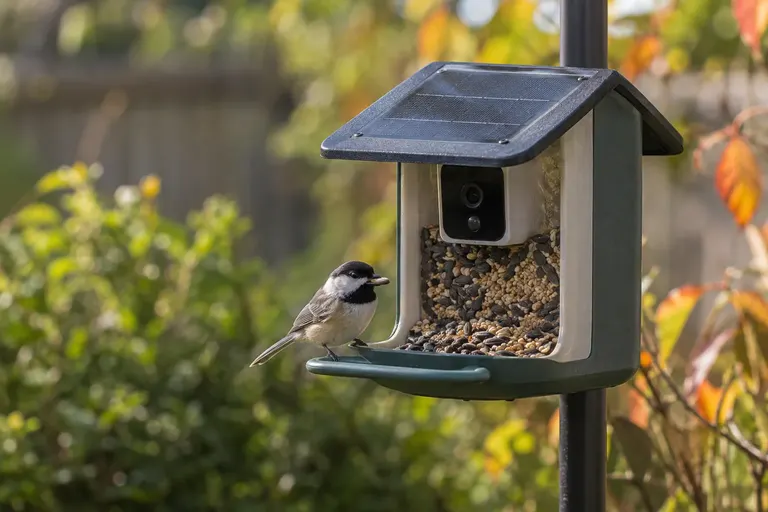
Best Bird Feeder Cameras
The best bird feeder camera for most people is the Birdbuddy Pro Solar, with Birdfy close behind. Research-based picks with verified specs and plan details.

Squirrel-proof, window, suet and smart camera feeders that last more than a season.
The best bird feeder camera for most people is the Birdbuddy Pro Solar, with Birdfy close behind. Research-based picks with verified specs and plan details.
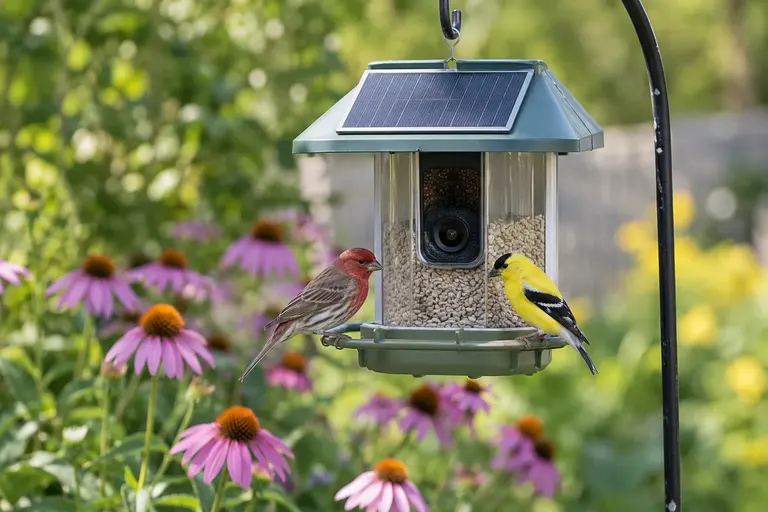
Want a bird feeder camera with no subscription? Birdfy's lifetime-free AI models lead our research picks, with Birdbuddy's free plan and local-storage options.
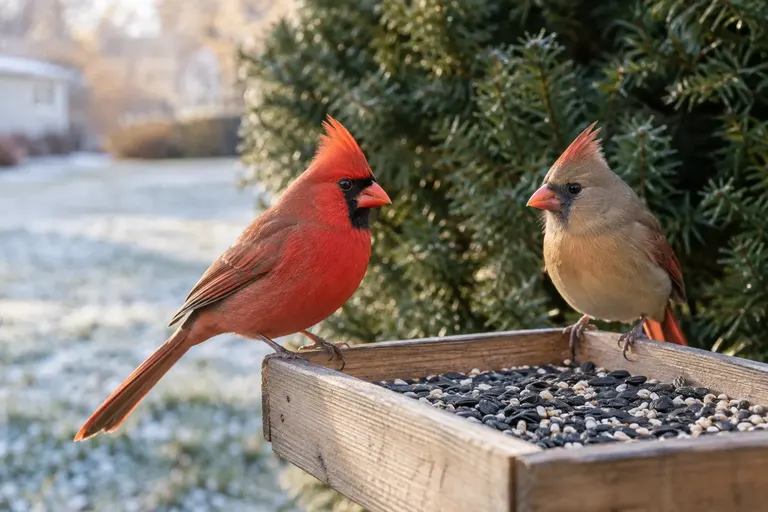
The best bird feeder for cardinals gives them a wide, steady place to stand. Our research picks hoppers, platforms and trays that suit this heavy seed-eater.
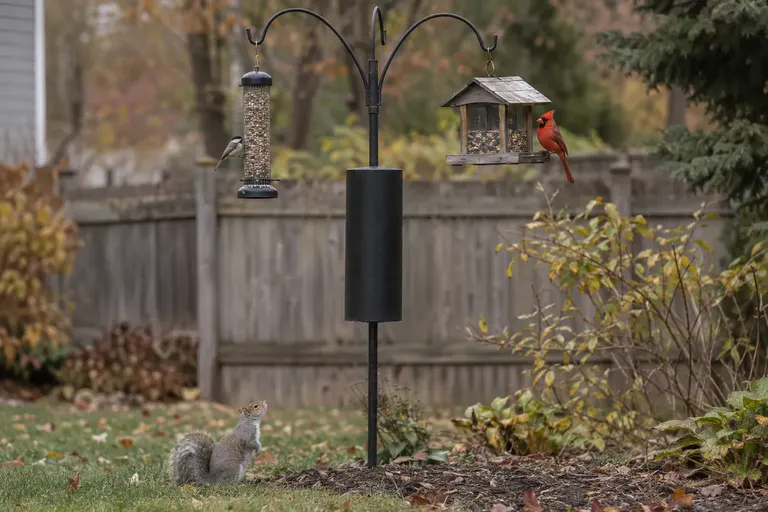
The best bird feeder pole system pairs a rigid steel pole with a proper baffle and smart placement. See our research-based picks for squirrels and raccoons.
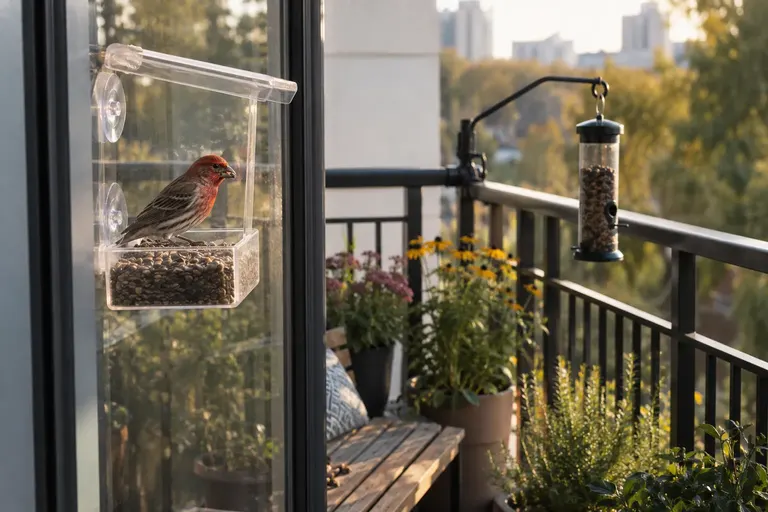
The best bird feeder for a balcony is small, mess-free and easy to mount. Research-based picks for windows, railings and patios, plus how to avoid a mess.
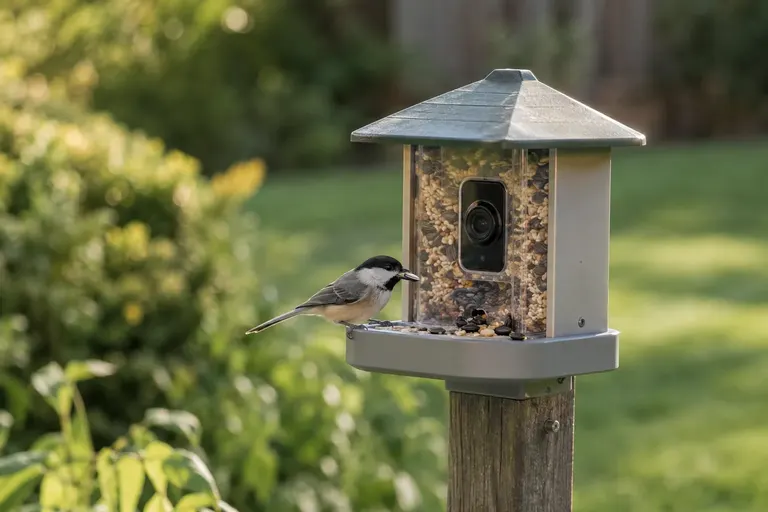
The best cheap bird feeder camera for most yards is the Birdfy Feeder Rookie: simple, free cloud clips and long battery life. Five more budget picks compared.
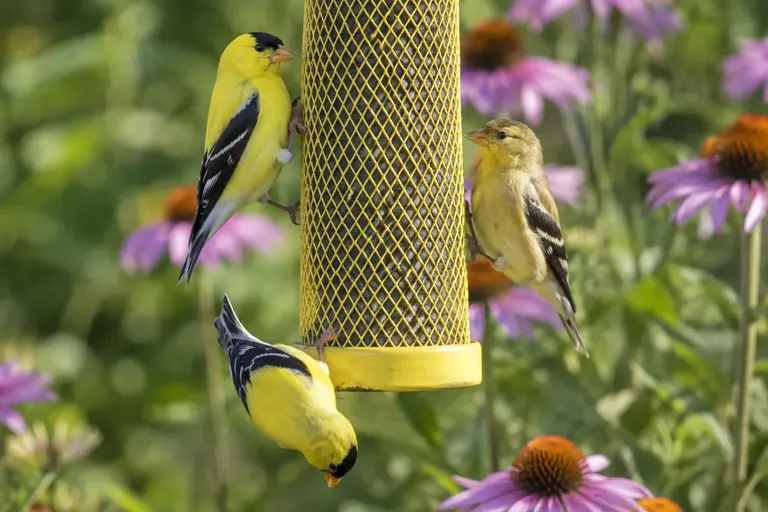
The best finch feeder for most yards is a nyjer mesh feeder like the More Birds 13 Inch Finch Screen: room for many goldfinches, easy to fill. 6 picks compared.
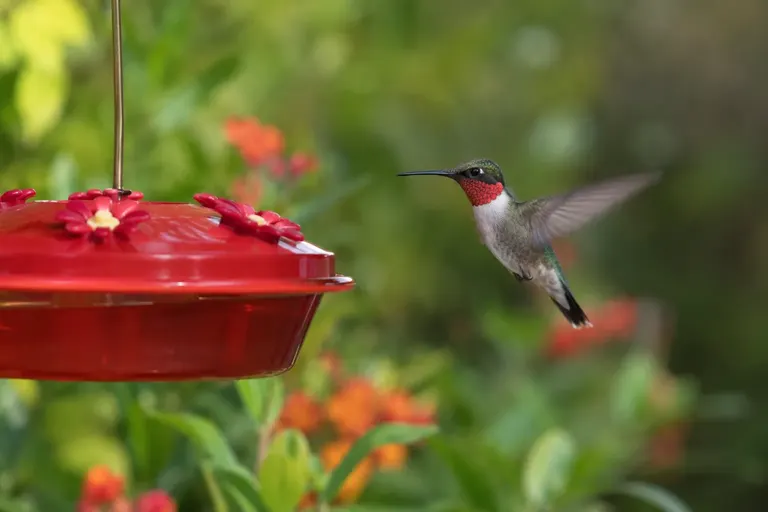
The best hummingbird feeder for most yards is a saucer design like the Aspects HummZinger HighView: it will not drip, has an ant moat and cleans in minutes.
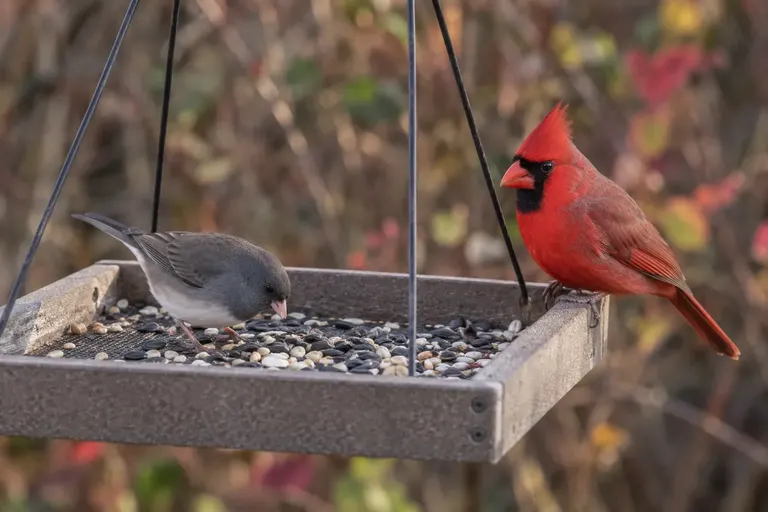
The best platform bird feeder for most yards is the Birds Choice Hanging Platform: screen floor drains fast, recycled plastic lasts. 6 tray feeders compared.
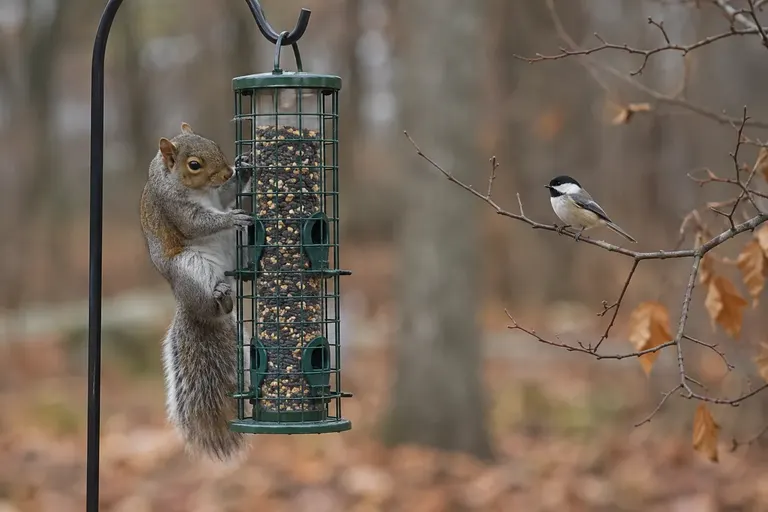
The best squirrel-proof bird feeder for most yards is the weight-activated Squirrel Buster Plus. Compare it with hopper, spinning, finch and suet picks.
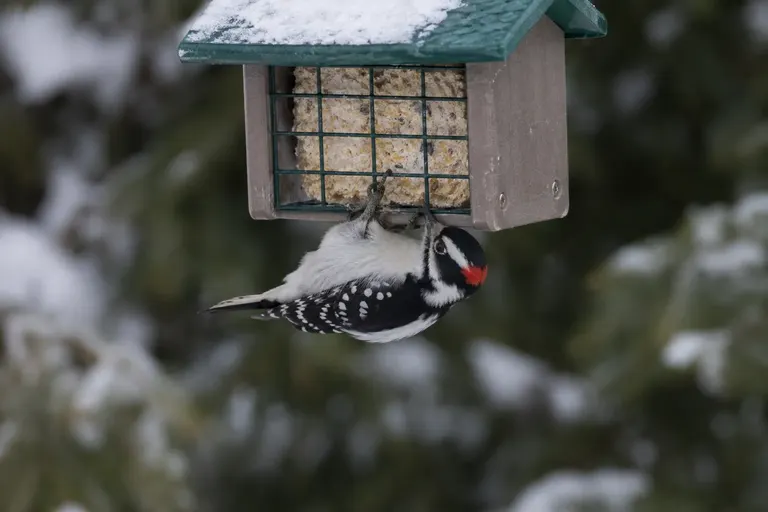
The best suet feeder for most yards is an upside-down design like the Birds Choice Upside Down: woodpeckers and nuthatches feed easily, starlings struggle.
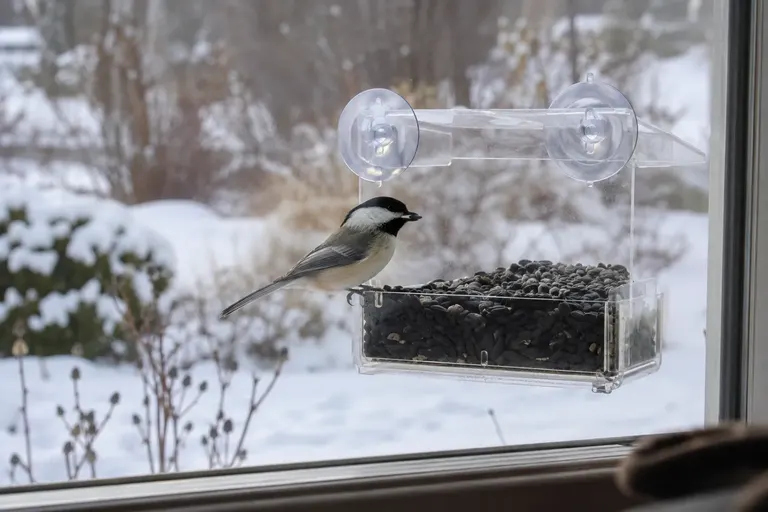
The best window bird feeder for most homes is the Nature's Hangout: clear acrylic, a slide-out tray with drain holes and strong suction cups. 6 picks compared.
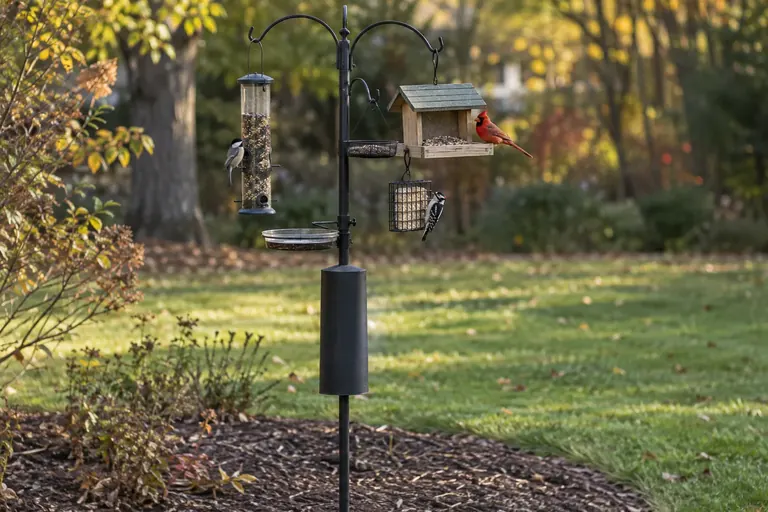
The best bird feeding station is a rigid steel multi-arm pole with a baffle, set 10 feet from jump points. Research-based picks, sizing chart and checklist.
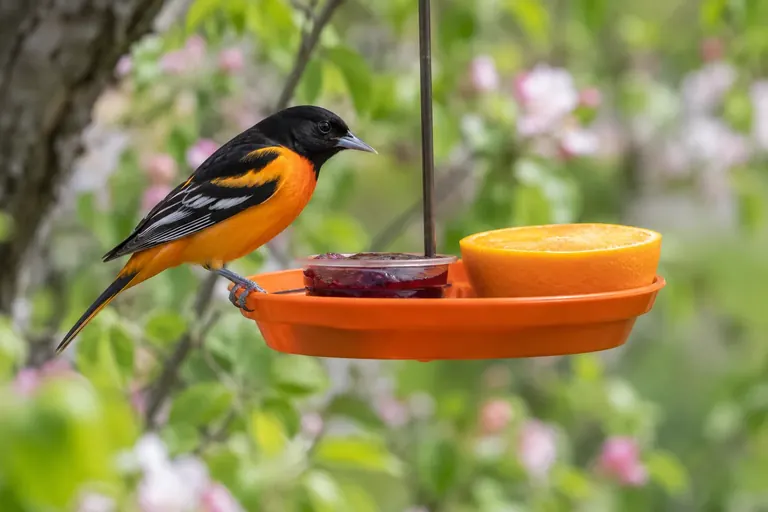
The best oriole feeder for most yards holds jelly, orange halves and nectar in one orange unit with an ant moat. See 6 picks, a region chart and timing.
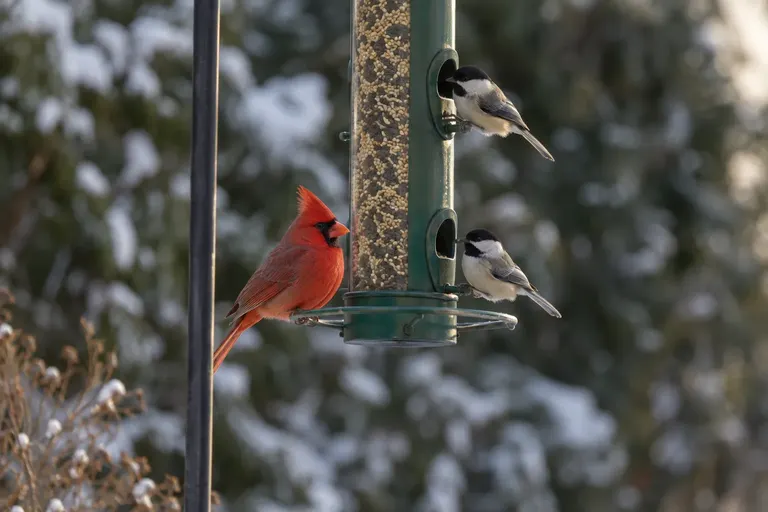
The best bird feeders for most backyards: a squirrel-resistant tube, a big hopper, a tray, suet and nectar feeders, chosen for cleaning ease and capacity.
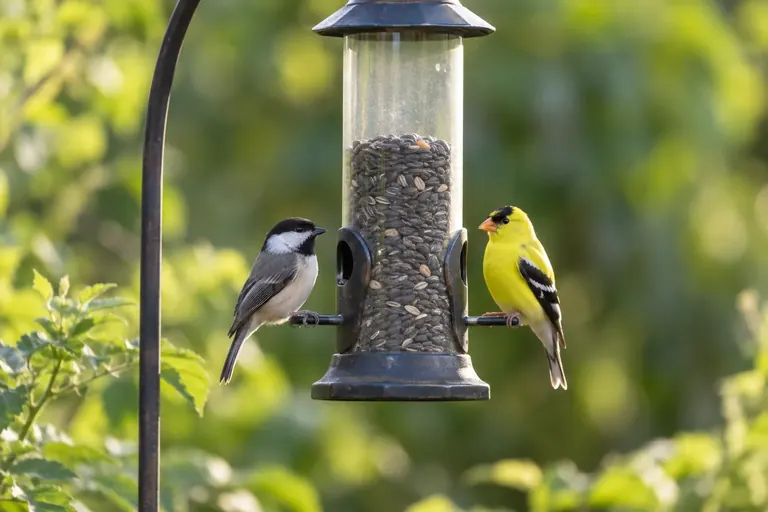
The best tube bird feeder for most yards is a metal-capped polycarbonate tube with a removable base. Our 6 picks by seed, size, squirrels and cleaning ease.
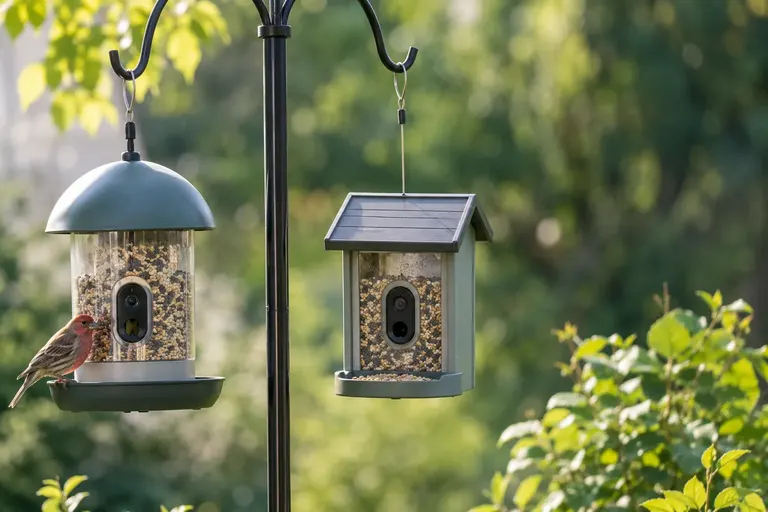
Bird Buddy vs Birdfy: Birdbuddy wins on weatherproofing and app polish, Birdfy on free lifetime AI, battery size and range. Specs and subscriptions compared.
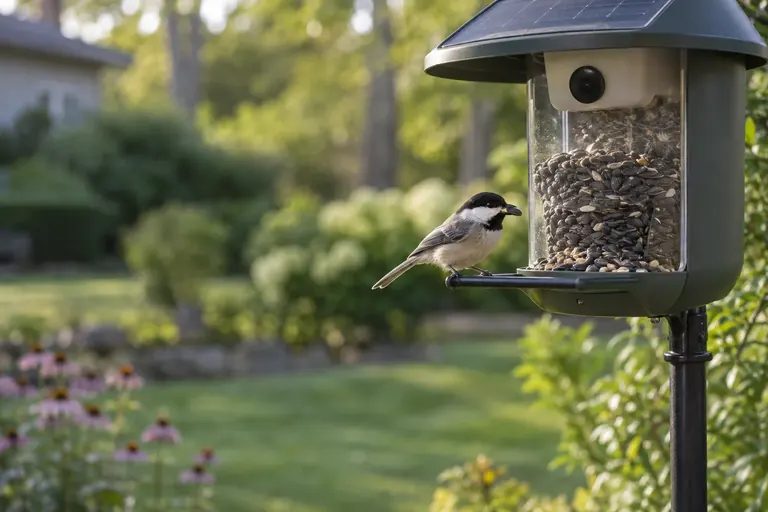
Bird Buddy review: tough weatherproof hardware and the most polished app, but automatic species ID needs Premium. Specs, sizes, battery, solar and alternatives.
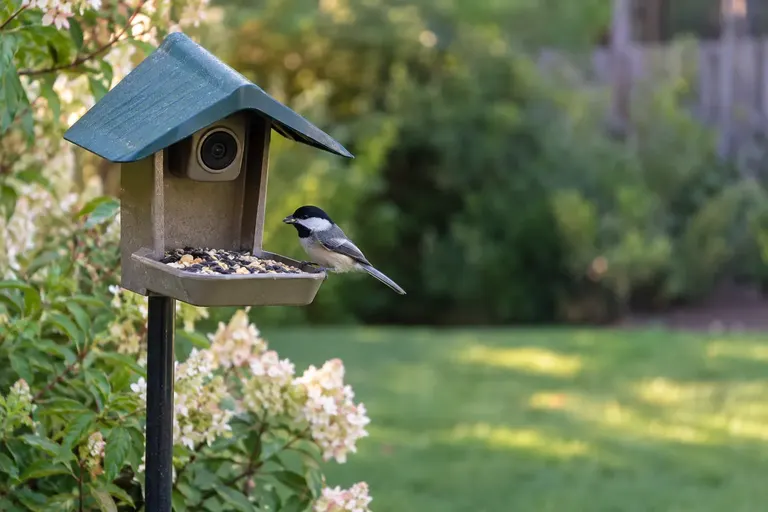
Are smart bird feeders worth it? Yes, if you want close-up photos and species alerts and have strong 2.4 GHz Wi-Fi. Here is who benefits and who should skip.
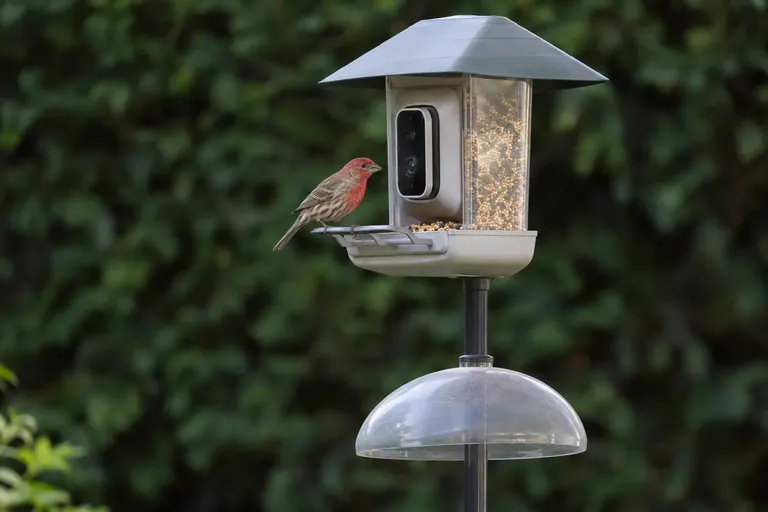
Bird feeder camera setup for sharp shots: face the lens away from the sun, use a darker background, mount it rock-steady, confirm Wi-Fi, and clean the lens.
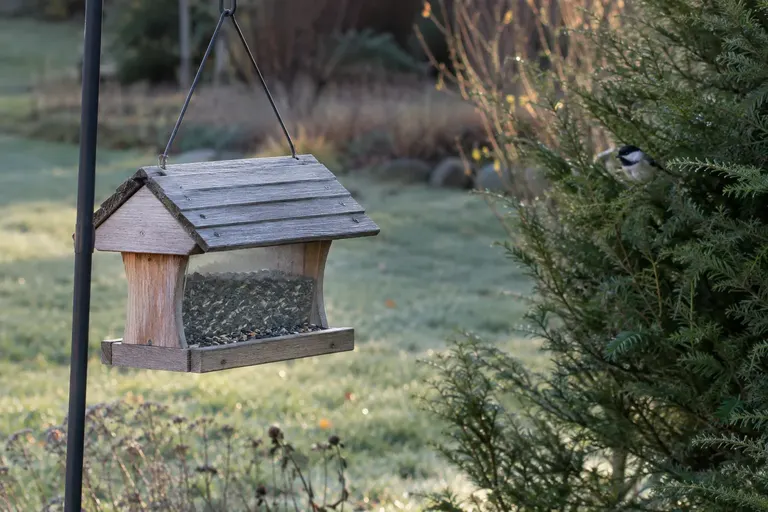
Birds not coming to my feeder? Usually it is time, season or placement: a new feeder can take weeks to be found. How to diagnose and fix each likely cause.
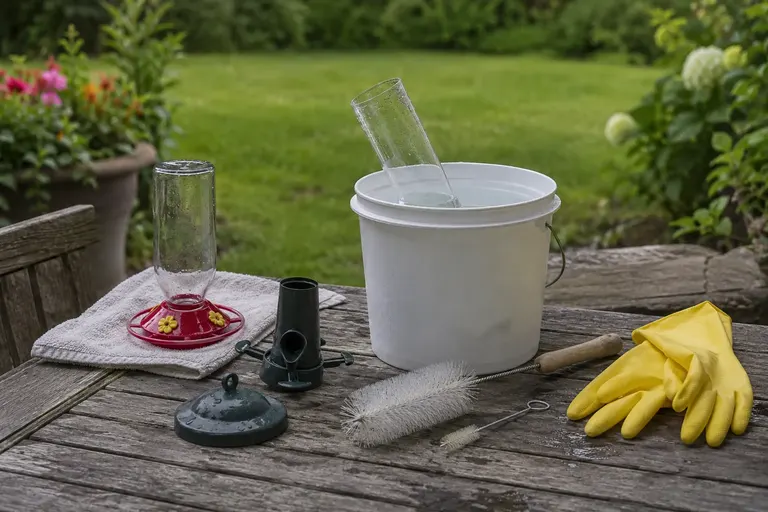
How to clean a bird feeder: scrub off debris, soak 10 minutes in 1 part bleach to 9 parts water, rinse, dry. Seed feeders every 2 weeks, nectar feeders more.
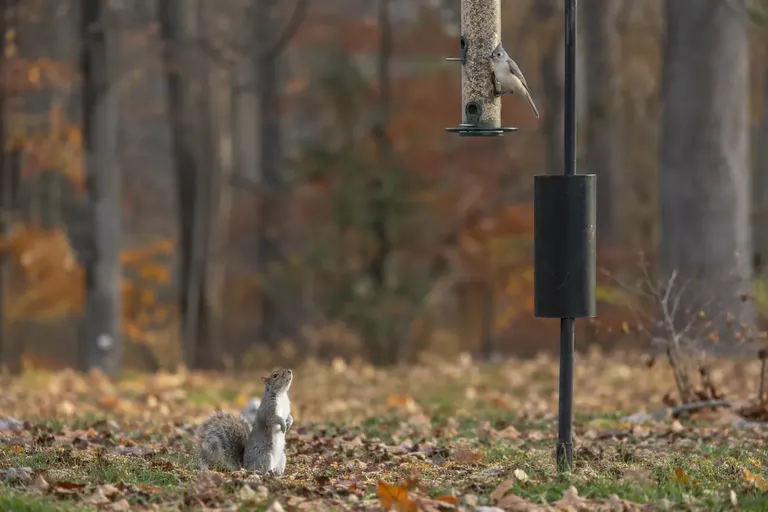
How to keep squirrels off bird feeders: a smooth pole 10 feet from launch points with a baffle 4.5 to 5 feet up works best. Weight-activated feeders come next.
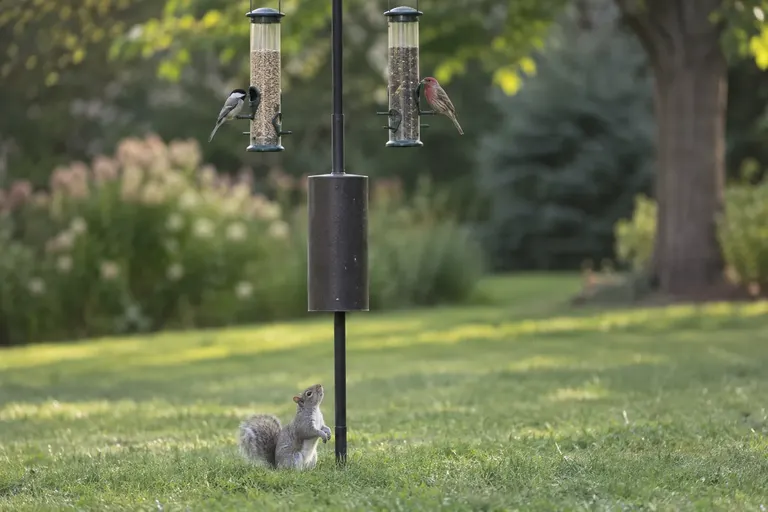
Squirrel baffle placement decides everything: top edge at 4 feet or higher, pole 10 feet from launch points, and a baffle wide enough to stop the climb.
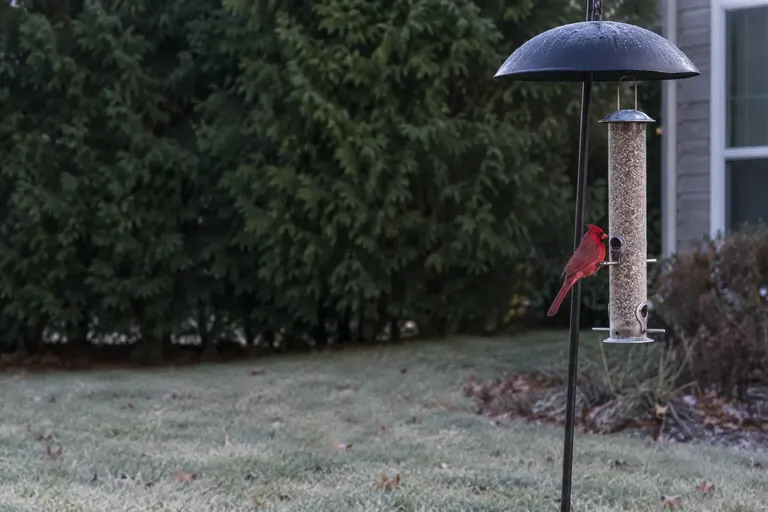
Where to put a bird feeder: about 10 feet from shrubs, within 3 feet of windows or well away, 10 feet from squirrel launch points, and easy to see and refill.
The right bird feeders depend on which birds you want and which pests you have, and this hub helps you match feeder type to both before you buy. Start with the birds. A tube feeder with sunflower seed brings chickadees, titmice, nuthatches and finches. A hopper or platform feeder suits cardinals, jays and doves, which prefer to feed on a flat, open surface. Nyjer feeders are for goldfinches, suet cages for woodpeckers, and nectar feeders for hummingbirds and orioles. One well-placed tube feeder plus a suet cage covers most backyards in the first season.
The two decisions that matter most after that are squirrels and placement. If squirrels visit your yard, solve them at the pole rather than the feeder: mount the feeder about 5 ft (1.5 m) off the ground, at least 8 to 10 ft (2.5 to 3 m) from any tree, fence or roof they can jump from, with a baffle below. Weight-activated feeders work too, but only if they are also out of jumping range. For window strikes, Cornell Lab guidance is to place feeders either within about 3 ft (1 m) of glass or more than 30 ft (9 m) away. Smart camera feeders add photos and AI species ID; compare subscription costs and app features before choosing one.
Common mistakes: hanging feeders in open lawn with no shrubs nearby for cover, mixing cheap filler seed that birds throw on the ground, and skipping cleaning. Wash feeders about every two weeks, more often in warm, wet weather or if you see sick birds. If birds are not showing up at all, read the troubleshooting guide before buying a second feeder. New feeders can take a week or two to be found, so give each setup time before judging it.