Best Bird Seed to Attract the Most Species
The best bird seed for most yards is a sunflower-based mix with no milo or filler. Our research picks, from Lyric Supreme to Cole's Special Feeder, compared.
If you buy through links on this page we may earn a commission, at no cost to you. It never decides what we recommend. How we earn
In this article
- Quick picks
- How we chose
- What is the best bird seed for attracting many species?
- Lyric Supreme Wild Bird Mix: best overall mix
- Cole’s Special Feeder: best filler-free sunflower mix
- Wild Delight Nut N’ Berry: best fruit and nut blend
- Cole’s Blue Ribbon Blend: best value blend
- Lyric Black Oil Sunflower: best single seed
- Cole’s Hot Meats: best to deter squirrels
- Best bird seed compared
- How to read a bird seed label
- Should you feed a seed mix or single seeds?
- Which seed is best for specific backyard birds?
- A seasonal seed plan
- Regional differences: East vs West
- Will bird seed sprout under my feeder?
- Common mistakes when buying bird seed
- Sources
- Frequently asked questions
The best bird seed for attracting the most species is black oil sunflower, either straight or as the backbone of a mix with no milo or filler grains. For one bag that covers most backyards, we pick Lyric Supreme Wild Bird Mix, which is over 50% sunflower seeds and nuts and adds millet for ground feeders. If you want no millet or corn at all, Cole’s Special Feeder is the cleaner, sunflower-and-nut alternative.
Species variety comes less from brand names than from ingredients. A bag full of milo and red millet will feed fewer birds than a smaller bag of sunflower, no matter what the label promises.
Quick picks
- Best overall mix: Lyric Supreme Wild Bird Mix
- Best filler-free sunflower mix: Cole’s Special Feeder
- Best fruit and nut blend: Wild Delight Nut N’ Berry
- Best value blend: Cole’s Blue Ribbon Blend
- Best single seed: Lyric Black Oil Sunflower
- Best to deter squirrels: Cole’s Hot Meats
Lyric Supreme Wild Bird Mix
A varied mix that is over 50% sunflower seeds and nuts, with millet and cracked corn for ground feeders.
- Best for
- Yards with both perching and ground-feeding birds.
- Skip it if
- Starlings, House Sparrows or blackbirds already swamp your feeders; millet and corn draw them.
- Main ingredients
- Black oil sunflower, white proso millet, cracked corn, peanuts, safflower
- Extras
- Pecans, pistachios, Nyjer, sunflower kernels
- Bag sizes
- 4.5, 20 and 40 lb
Cole's Special Feeder
Sunflower in three forms plus raw peanuts, safflower and pecans, with no millet, corn or milo.
- Best for
- Hopper and tube feeders aimed at cardinals, chickadees, titmice, nuthatches and woodpeckers.
- Skip it if
- You want to feed juncos and sparrows on the ground cheaply.
- Ingredients
- Black oil sunflower, sunflower meats, striped sunflower, raw peanuts, safflower, pecans
- Bag sizes
- 5, 10, 20 and 40 lb
Wild Delight Nut N' Berry
Sunflower, peanuts, safflower, pistachios, pumpkin seed, raisins and cranberries, with no corn, milo or millet.
- Best for
- Adding fruit eaters and woodpeckers to a sunflower feeder crowd.
- Skip it if
- Your feeder has small ports; fruit and nut pieces need large openings.
- Crude fat / protein
- 42% min fat, 16% min protein
- Bag sizes
- 5, 10 and 20 lb
Cole's Blue Ribbon Blend
A short, sensible four-ingredient blend built for both perch and ground feeding birds.
- Best for
- Platform feeders and mixed flocks on a budget.
- Skip it if
- Ground-feeding blackbirds are already a problem.
- Ingredients
- Black oil sunflower, sunflower meats, white proso millet, cracked corn
- Bag sizes
- 5, 10, 20 and 40 lb
Lyric Black Oil Sunflower
Straight black oil sunflower, the seed Cornell's Project FeederWatch calls the most common at North American feeders.
- Best for
- Anyone starting out or feeding from one tube or hopper.
- Skip it if
- Hulls under the feeder bother you; choose hulled kernels instead.
- Ingredient
- Black oil sunflower seed
Cole's Hot Meats
Hulled sunflower coated in habanero chili; birds do not feel the heat, but most mammals dislike it.
- Best for
- Yards where squirrels empty every feeder.
- Skip it if
- You fill feeders with bare hands and dislike chili residue; wear gloves.
- Ingredients
- Sunflower meats, liquid habanero chili peppers, safflower oil
- Bag sizes
- 5, 10, 20 and 40 lb
How we chose
We have not run feeder trials of these products ourselves. This guide is research-led. We started with seed-preference guidance from Cornell Lab of Ornithology (All About Birds and Project FeederWatch), then compared published ingredient lists on each manufacturer’s product page, looking for:
- Sunflower first. Black oil sunflower or sunflower kernels as a leading ingredient.
- No milo and no red millet, golden millet or flax, which Cornell describes as seeds most feeder birds reject.
- Useful extras, such as peanuts, safflower and tree nuts, that widen the species list.
- Honest labeling: full ingredient lists published, not just “premium blend.”
We also read patterns in verified owner feedback for recurring complaints like dust, sprouting weeds and squirrels. We did not include prices, since they change constantly.
What is the best bird seed for attracting many species?
Cornell’s Project FeederWatch calls black oil sunflower “the most common type of seed offered at feeders in North America.” The seed has a thin shell that small birds can crack and a high oil content that packs energy. It feeds Northern Cardinals, chickadees, titmice, nuthatches, House Finches, American Goldfinches and, at times, woodpeckers. Our guide to black oil sunflower covers it in depth.
From there, each added ingredient adds a guild of birds:
| Seed | Birds it adds | Notes |
|---|---|---|
| Black oil sunflower | Cardinals, chickadees, titmice, finches, nuthatches | The base of any good mix |
| Sunflower kernels (hearts) | Everything that eats sunflower, plus smaller-billed birds | No hulls; spoils faster when damp |
| Striped sunflower | Cardinals, jays, titmice | Thicker shell; harder for House Sparrows |
| Safflower | Cardinals, grosbeaks, chickadees | Squirrels and blackbirds tend to avoid it |
| Nyjer | American Goldfinch, Pine Siskin, redpolls | Needs a finch feeder with tiny ports |
| White proso millet | Juncos, native sparrows, doves, quail | Best on the ground or a platform |
| Peanuts (shelled) | Jays, woodpeckers, chickadees, nuthatches | Unsalted only; keep dry |
| Cracked corn | Doves, quail, sparrows | Also draws starlings, House Sparrows, raccoons |
| Milo | Some western ground birds | Most eastern birds reject it |
Source: Cornell Lab of Ornithology, All About Birds and Project FeederWatch.
Lyric Supreme Wild Bird Mix: best overall mix
What it is. Lyric’s top variety blend. Per Lyric, it contains “over 50% sunflower seeds and nuts.”
Ingredients (from Lyric): black oil sunflower seed, white proso millet, cracked corn, shelled peanuts, safflower seed, black striped sunflower seed, pecans, pistachios, small golden millet seed, canary seed, Nyjer seed and sunflower kernels.
Who it suits. Yards that want both perching birds (cardinals, chickadees, finches, nuthatches) and ground feeders (juncos, doves, sparrows) from one bag. Lyric recommends it for hopper, tray, tube and window feeders.
Strengths. The broadest ingredient spread in this list, with nuts that draw woodpeckers and jays. No milo.
Drawbacks. It contains cracked corn and a small amount of golden millet, which Cornell counts as a filler most birds skip. Birds in tube feeders often flick millet and corn to the ground to reach sunflower, so expect some spill.
Skip it if starlings, grackles or House Sparrows already dominate your feeders; go with Cole’s Special Feeder.
Cole’s Special Feeder: best filler-free sunflower mix
What it is. A sunflower-and-nut blend Cole’s says was originally developed for pavilion-style feeders to cut waste.
Ingredients (from Cole’s): black oil sunflower, sunflower meats, black striped sunflower, raw peanuts, safflower and pecans.
Who it suits. Feeder owners who want cardinals, chickadees, titmice, nuthatches, grosbeaks, finches, jays and woodpeckers without feeding blackbirds and sparrows millet and corn.
Strengths. Every ingredient is something feeder birds actively seek out. Cole’s notes that woodpeckers take to the pecans. It works in tube, mesh and bowl feeders.
Drawbacks. With no millet, it does less for juncos and native sparrows, which prefer to forage on the ground. Whole-shell sunflower still leaves hulls below the feeder.
Skip it if your main audience is ground-feeding juncos, doves and sparrows; add a platform with white proso millet instead.
Wild Delight Nut N’ Berry: best fruit and nut blend
What it is. A high-fat blend with real fruit and nuts. Wild Delight lists sunflower kernels, peanuts, sunflower seeds, safflower, pistachios, hulled pumpkin seed, raisins and dried cranberries, plus added vitamins, minerals and amino acids.
Who it suits. Yards that want woodpeckers, jays, grosbeaks, buntings and nuthatches in addition to the sunflower regulars.
Key specs (from Wild Delight): crude fat 42% minimum; crude protein 16% minimum; no corn, milo or millet; 5, 10 and 20 lb bags.
Strengths. A high share of hulled ingredients means less shell debris than a whole-seed mix. The fruit pieces diversify what the feeder offers.
Drawbacks. Large fruit and nut pieces need tube feeders with large ports, hoppers or platforms. Hulled, oily food spoils faster in wet weather, so fill feeders with a few days’ supply at a time.
Skip it if you use a standard small-port tube feeder.
Cole’s Blue Ribbon Blend: best value blend
What it is. A simple four-ingredient blend Cole’s describes as the best combination for perch and ground feeding birds.
Ingredients (from Cole’s): black oil sunflower, sunflower meats, white proso millet and cracked corn.
Who it suits. Platform and hopper feeders in yards with mixed flocks: cardinals, titmice, chickadees and goldfinches above, juncos, White-throated Sparrows and towhees below.
Strengths. Short, readable ingredient list with no milo, red millet or flax. White proso millet is the millet ground birds actually eat.
Drawbacks. Corn and millet draw House Sparrows, cowbirds and starlings where those are common.
Skip it if blackbirds already mob your yard.
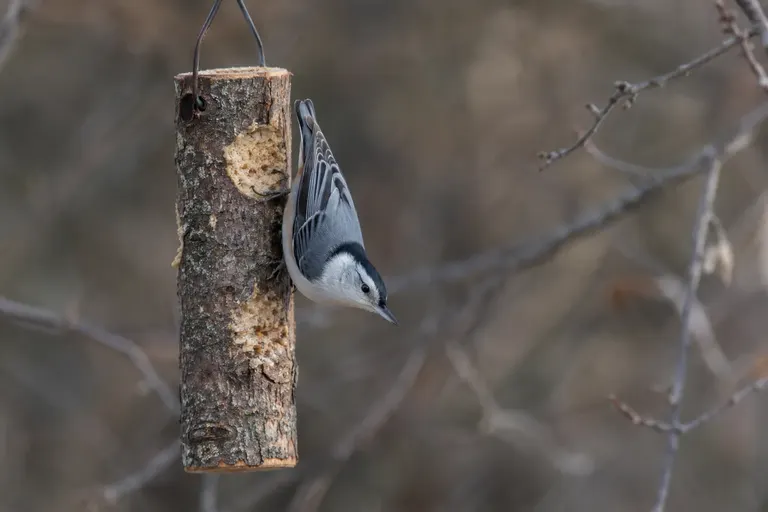
Lyric Black Oil Sunflower: best single seed
What it is. Straight black oil sunflower from Lyric, sold alongside its mixes.
Who it suits. Beginners, anyone with one feeder, and anyone who wants to learn which birds visit before experimenting.
Strengths. It is the single seed that feeds the widest range of common feeder birds, per Cornell. It works in tube, hopper and platform feeders. With nothing to sort through, birds waste less.
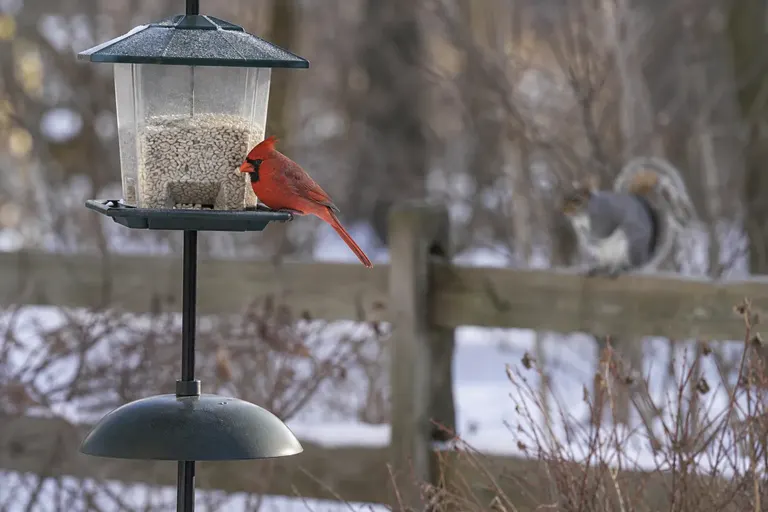
Drawbacks. Hulls pile up beneath the feeder and can smother grass. It feeds squirrels as happily as it feeds birds.
Skip it if you feed over a patio or deck; switch to hulled sunflower kernels. See our no-mess bird seed picks.
Cole’s Hot Meats: best to deter squirrels
What it is. Hulled sunflower infused with habanero chili. Cole’s lists sunflower meats, liquid habanero chili peppers and safflower oil.
Why it works. Birds do not respond to capsaicin, the compound that makes chili hot, while mammals do. Cole’s notes chilies are not an instant repellent: squirrels may sample it at first, and the company suggests it can take two to three weeks for them to lose interest.
Strengths. No hulls, so little mess, and it keeps the full sunflower species list.
Drawbacks. The chili coating can irritate skin and eyes, so wear gloves when filling feeders.
Skip it if you would rather solve squirrels with hardware. Our guide to keeping squirrels off feeders covers baffles and placement.
Best bird seed compared
| Pick | Sunflower-based | Millet | Corn | Milo | Fruit or nuts | Best feeder |
|---|---|---|---|---|---|---|
| Lyric Supreme | Yes | White proso, golden | Yes | No | Peanuts, pecans, pistachios | Hopper, tray |
| Cole’s Special Feeder | Yes | No | No | No | Peanuts, pecans | Tube, hopper |
| Wild Delight Nut N’ Berry | Yes | No | No | No | Peanuts, pistachios, fruit | Large-port tube, hopper |
| Cole’s Blue Ribbon Blend | Yes | White proso | Yes | No | No | Platform, hopper |
| Lyric Black Oil Sunflower | 100% | No | No | No | No | Any |
| Cole’s Hot Meats | 100% hulled | No | No | No | No | Tube, hopper |
How to read a bird seed label
Ingredient lists run from most to least by weight, so the first three items tell you what you are really buying.
Green flags
- Black oil sunflower or sunflower kernels listed first.
- White proso millet, if listed, appearing after sunflower.
- Named nuts (peanuts, pecans) and safflower.
Red flags
- Milo or sorghum near the top. Cornell’s FeederWatch says most birds avoid it, especially in the East.
- Red millet, golden millet, wheat or flax. All About Birds calls these filler seeds most birds reject.
- Vague terms like “grain products” or “seed mix” without specifics.
- Dyed or treated corn. Never feed corn treated with fungicides.
Should you feed a seed mix or single seeds?
Both work. The difference is waste and control.
A good mix is convenient for one hopper or platform, and it lets you discover which birds live nearby. The downside is sorting: birds in a tube feeder toss what they do not want.
Single seeds in separate feeders let you tune each feeder to a guild. A common three-feeder setup:
- Black oil sunflower in a hopper or tube for the broadest crowd.
- Nyjer in a finch feeder for goldfinches and siskins; use a feeder with small Nyjer ports.
- White proso millet sprinkled on a low platform for juncos, sparrows and doves.
Add a suet cake in cold months for woodpeckers, nuthatches and wrens.
Which seed is best for specific backyard birds?
If you have a target bird in mind, start with the food it prefers and add the mix around it.
Northern Cardinals
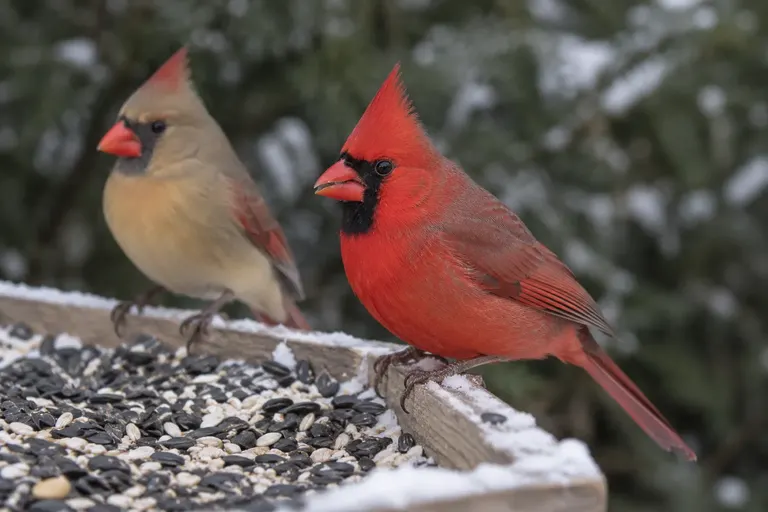
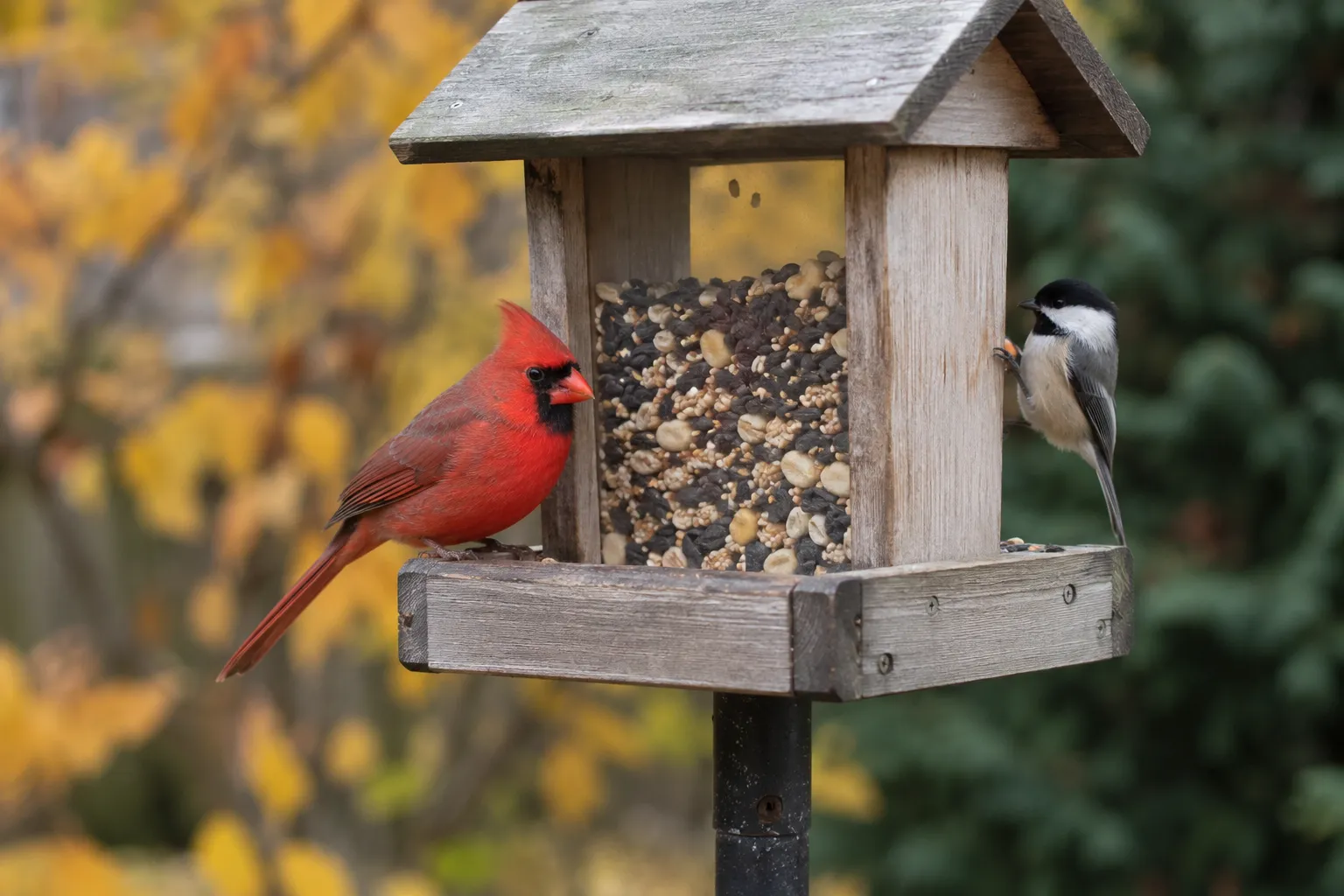
Cardinals take black oil sunflower readily and are one of the few common feeder birds that favor safflower, which Cornell notes attracts cardinals and other big-billed birds. They like to feed from wide, stable perches, so hoppers and platforms beat small tube ports. Our cardinal guide covers cover and nesting too.
American Goldfinches
Goldfinches eat sunflower kernels and Nyjer, and they cling to tube and mesh feeders with ease. A mix alone rarely keeps them around; a dedicated Nyjer or kernel feeder does. See how to attract American Goldfinches.
Chickadees, titmice and nuthatches
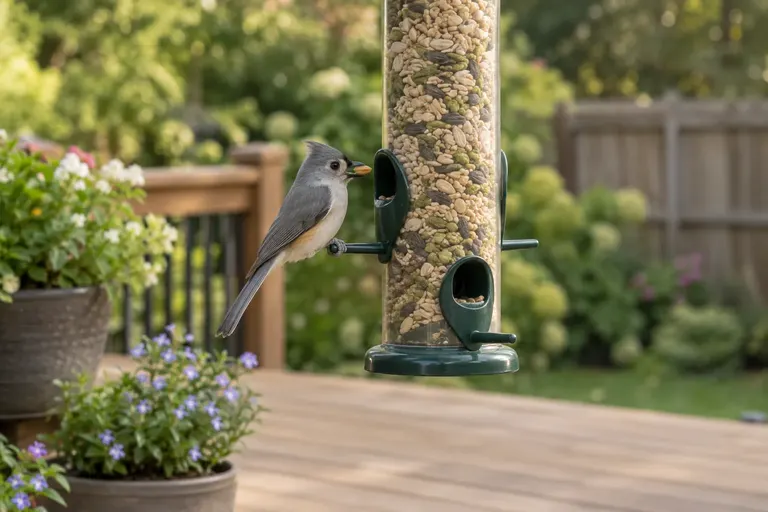
These small, bold birds take one seed at a time and fly off to open or cache it. Black oil sunflower, sunflower kernels and shelled peanut pieces are their staples, so Cole’s Special Feeder and Lyric Supreme both suit them.
Woodpeckers
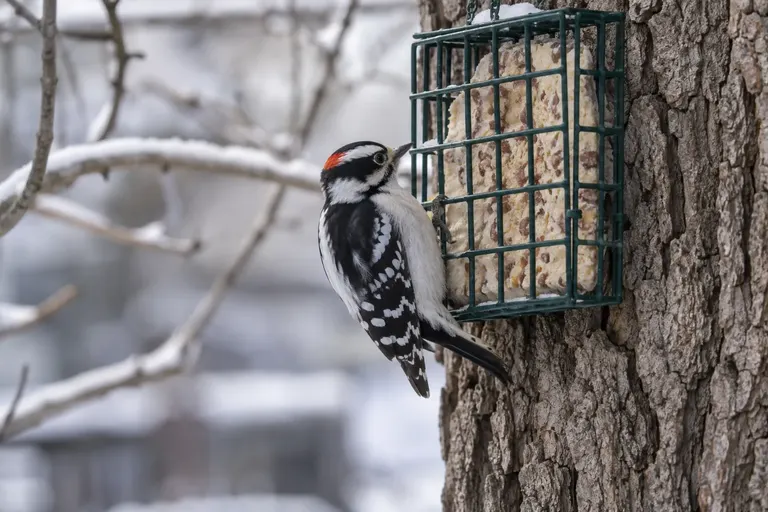
Downy, Hairy and Red-bellied Woodpeckers come for peanuts, tree nuts and, above all, suet. Nut-rich mixes like Wild Delight Nut N’ Berry and Cole’s Special Feeder help, but a suet cake in cold months is the surest draw.
Juncos, native sparrows and doves
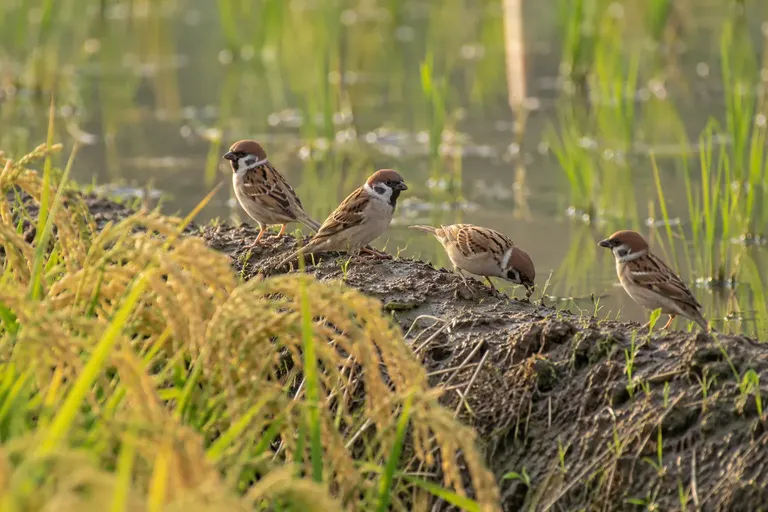
These are ground foragers. White proso millet scattered on a low platform or clean ground under cover suits them better than any hanging feeder. Blue Ribbon Blend or Lyric Supreme on a platform serves them and the perching birds at once.
A seasonal seed plan
Birds’ needs and visitors change through the year, so the best bird seed in January is not always the best in July.
- Winter: Energy matters most. Keep black oil sunflower stocked, add suet and peanuts, and offer millet on a platform for juncos and sparrows. Our winter feeding guide has more.
- Spring: Migrants and returning breeders arrive. Keep sunflower going and consider fruit and nut blends for grosbeaks and buntings. Clean feeders often as temperatures rise.
- Summer: Birds eat more insects, and hulled seed spoils faster in heat and humidity. Fill feeders with smaller amounts, favor whole black oil sunflower over kernels, and skip soft suet unless it is a no-melt formula.
- Fall: Flocks form and feeding picks up. Stock up on fresh seed, clean feeders thoroughly, and add Nyjer as goldfinches and siskins roam.
Regional differences: East vs West
Seed preference is not the same everywhere. All About Birds reports research in which Steller’s Jays, Curve-billed Thrashers and Gambel’s Quail preferred milo to sunflower. In the arid Southwest and parts of the West, a small amount of milo on the ground can make sense. In the East and Midwest, it is mostly waste. If you move across the country, re-check your mix.
Will bird seed sprout under my feeder?
Often, yes. Whole seeds that birds drop, especially millet, milo and sunflower, can germinate in lawns and flower beds by late spring. Lyric notes that seeds without a protective shell will not germinate beneath the feeder, which is why hulled sunflower kernels, shelled peanuts and nut blends are the usual fix. Mixes that avoid millet and milo, like Cole’s Special Feeder, also cut down on volunteer grasses. Raking up spilled seed every week or two, and placing feeders over mulch or gravel rather than lawn, helps with any seed you choose.
Common mistakes when buying bird seed
- Buying by price per pound. A cheap bag heavy in milo and red millet feeds fewer birds per pound actually eaten.
- Buying too much at once. Seed goes stale and can mold, especially hulled seed. Buy what you will use in a month or two in warm weather and follow our bird seed storage guide.
- Letting seed get wet. Damp seed grows mold and can carry aflatoxins, per All About Birds. Use covered feeders and clean up soggy piles.
- Putting mixes in tube feeders. Birds dig through for sunflower and throw the rest out. Mixes do better in hoppers and on platforms.
- Feeding kitchen scraps instead. Bread and salty foods do birds no favors; see what not to feed birds.
Sources
- Feeding Birds: seed types (Cornell Lab Project FeederWatch)
- Types of bird seed: a quick guide (Cornell Lab, All About Birds)
- Lyric Supreme Wild Bird Mix (Lyric)
- Cole’s Special Feeder (Cole’s Wild Bird Products)
- Cole’s Blue Ribbon Blend (Cole’s Wild Bird Products)
- Cole’s Hot Meats (Cole’s Wild Bird Products)
- Nut N’ Berry (Wild Delight)
Frequently asked questions
What bird seed attracts the most birds?
Black oil sunflower attracts the widest range of feeder birds, according to Cornell Lab's Project FeederWatch and All About Birds. Its thin shell and high fat content suit cardinals, chickadees, titmice, finches, nuthatches and some woodpeckers. A mix built mostly on sunflower, with peanuts and a little white proso millet, reaches ground feeders too.
Is cheap bird seed worth buying?
Usually not. Inexpensive mixes often rely on milo, red millet, golden millet, wheat or flax. Cornell's bird-feeding guidance notes that most birds, especially in the East, reject milo, and filler seed gets kicked to the ground, where it rots and draws rodents. You pay less per bag but more per seed actually eaten.
Do birds eat milo?
Some western ground-feeding birds do. All About Birds notes research in which Steller's Jays, Curve-billed Thrashers and Gambel's Quail preferred milo to sunflower. Eastern feeder birds generally ignore it, so in most of the eastern and central US, milo-heavy mixes mean waste.
Should I feed a mix or single seeds?
Single seeds in separate feeders give birds less reason to toss unwanted seed and let you match feeders to food: sunflower in a hopper or tube, Nyjer in a finch feeder, millet on a platform. A good mix is simpler for one feeder. If you use a mix, choose one without milo and heavy filler.
Does cracked corn attract unwanted birds?
It can. All About Birds lists corn as a favorite of House Sparrows, cowbirds, starlings and geese, and it also draws raccoons, deer and bears. Corn can also carry aflatoxins if it gets damp. Offer it sparingly in dry weather, on a platform away from your main feeders, or skip it.