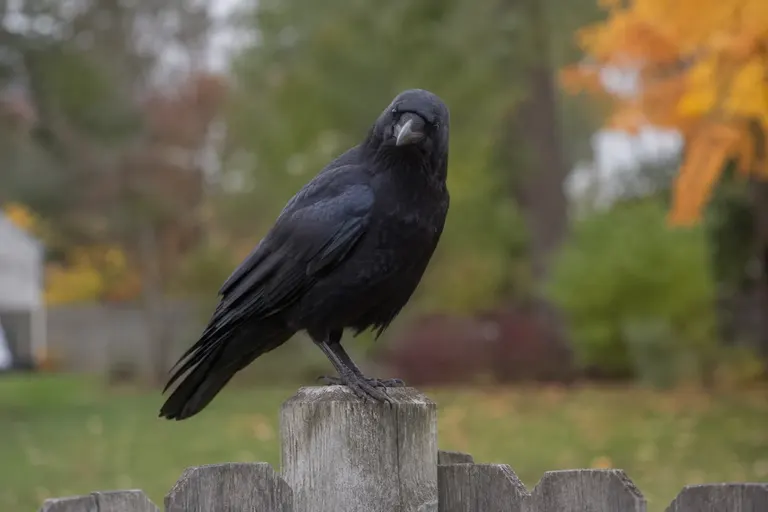
Are Crows Really That Smart?
Are crows really that smart? Yes. Crows make tools, remember human faces for years and plan ahead, rivaling great apes on several cognitive tests.

How birds fly, sing, sleep, migrate and survive the winter, explained without the jargon.
Are crows really that smart? Yes. Crows make tools, remember human faces for years and plan ahead, rivaling great apes on several cognitive tests.
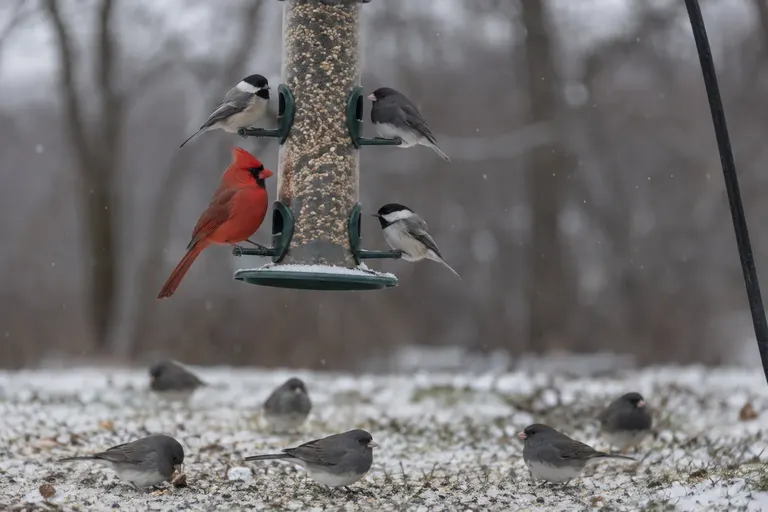
Can birds predict the weather? Short term, yes: they sense falling air pressure and maybe infrasound, then feed or flee before storms. Seasonal lore is a myth.
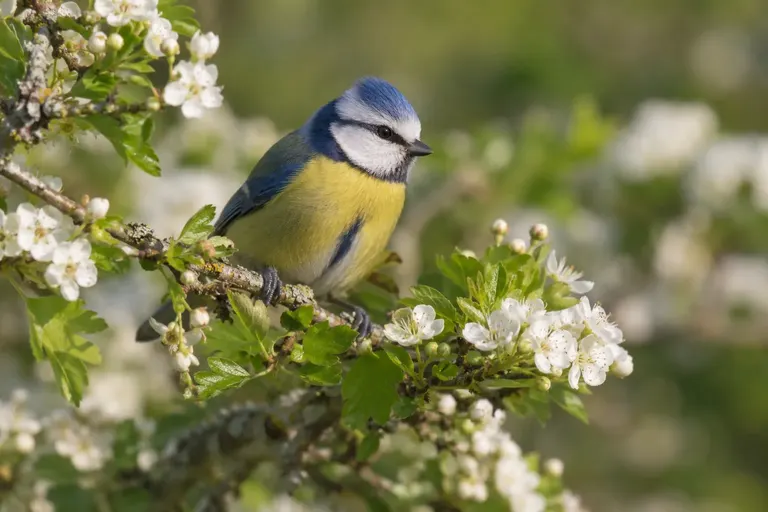
Can birds see color? Yes, and most see more than we do: four cone types, ultraviolet vision and oil-droplet filters. Here is how bird color vision works.
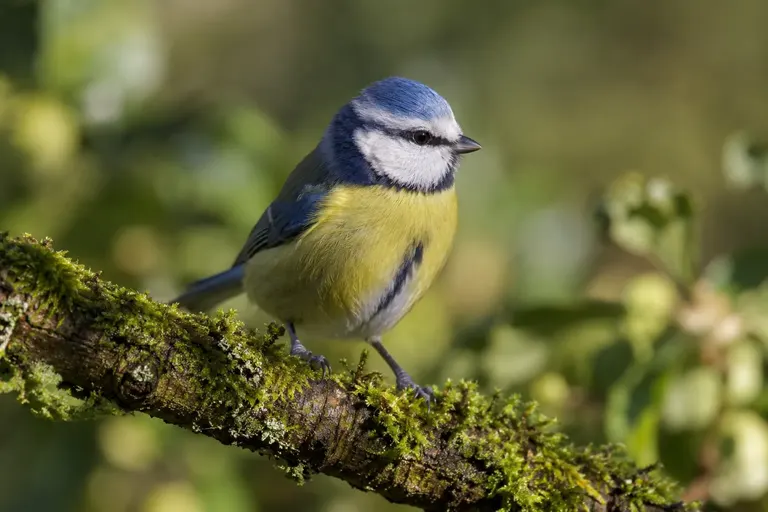
Can birds see ultraviolet light? Yes. Most birds have a fourth cone tuned to UV or violet light, so plumage, berries and eggs look different to them than to us.
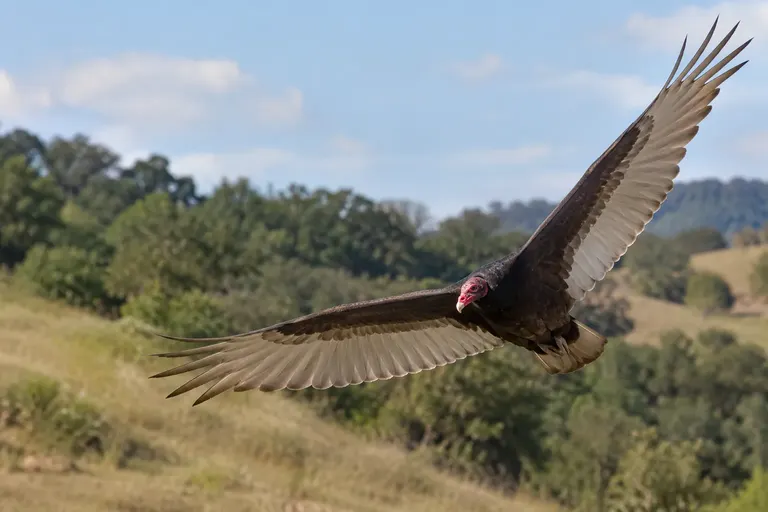
Can birds smell? Yes. Vultures, kiwis and seabirds track food by scent, and songbirds use smell more than once thought. Here is what the science shows.
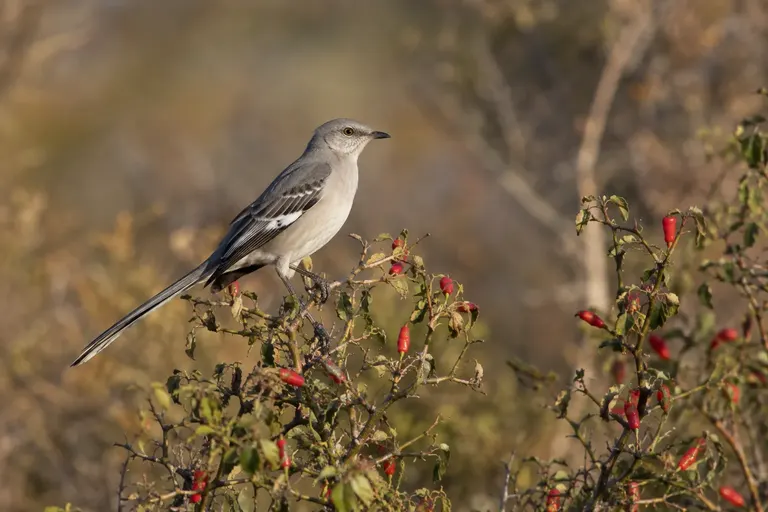
Can birds taste spicy food? Not the burn: bird pain receptors ignore capsaicin, so birds eat hot chilies that deter mammals. The science, plus feeder tips.
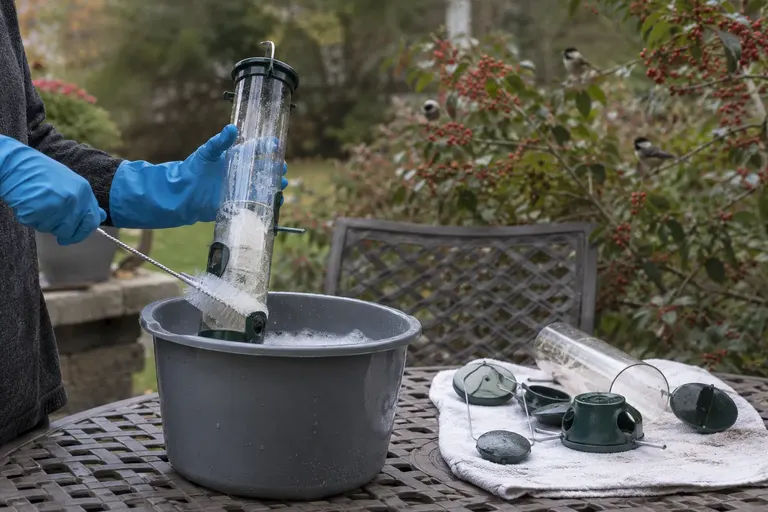
Can you get sick from bird feeders? Yes, but rarely. Salmonella is the main risk, and simple hygiene prevents it. Germs, droppings and bird flu explained.
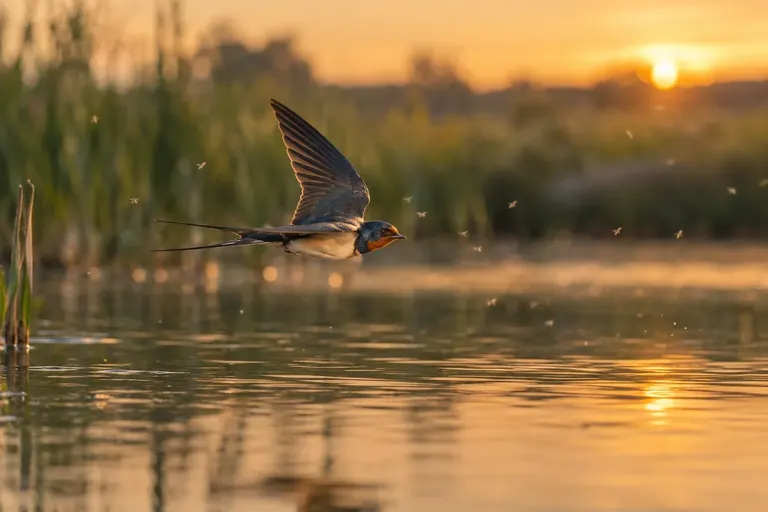
Do birds eat mosquitoes? Yes, many do, from swallows to warblers, but mosquitoes are a small part of most diets and birds alone won't clear them from your yard.
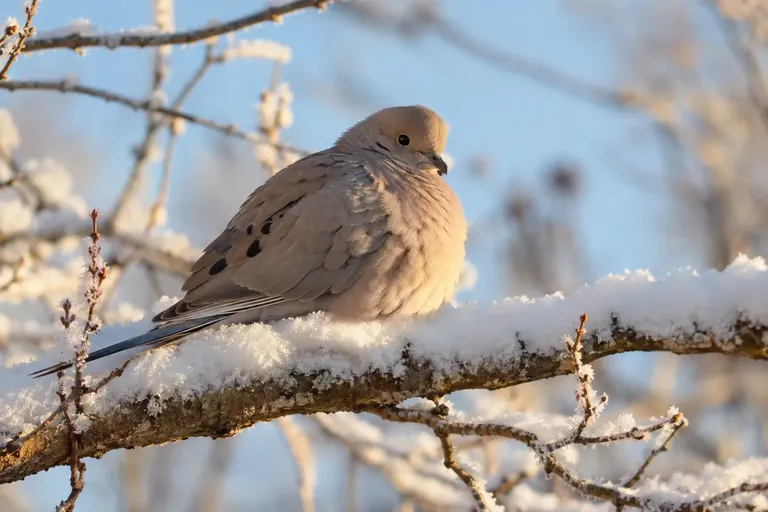
Do birds get frostbite? Rarely, thanks to cold-tolerant feet and clever blood flow, but it does happen, especially to doves' toes. Here is how birds avoid it.
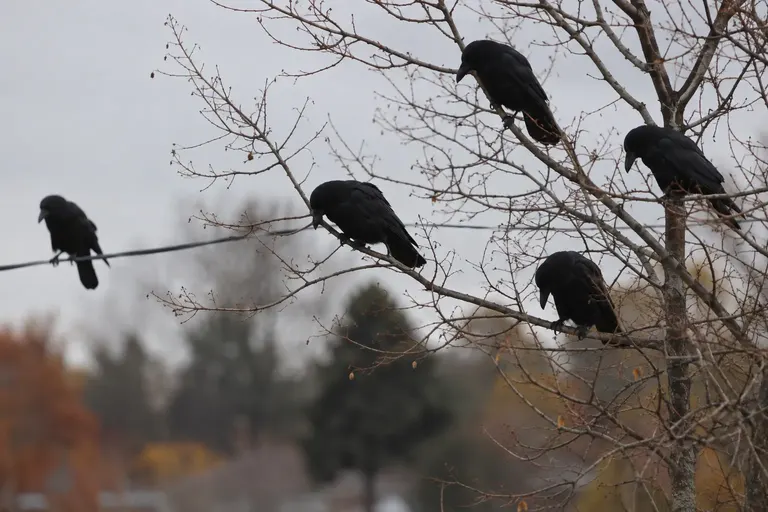
Do birds grieve? No one can know a bird's feelings, but crows, jays, geese and paired birds show striking responses to death. Here is what science says.
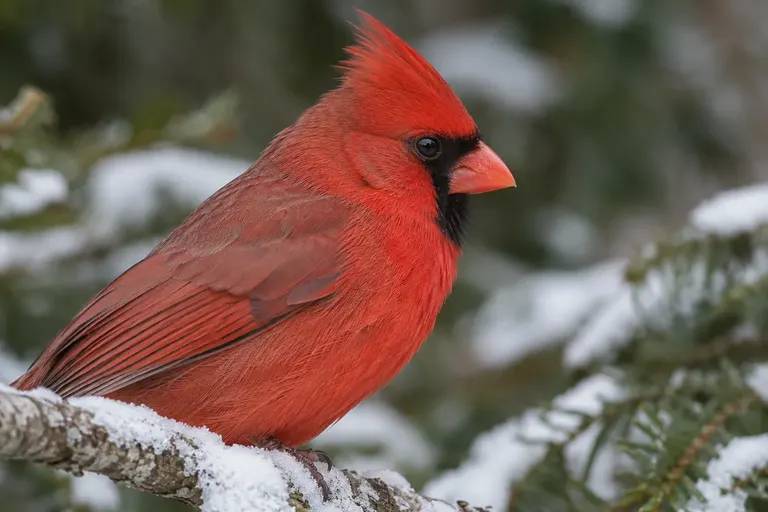
Do birds have ears? Yes, hidden openings behind the eyes, covered by special feathers. Here is how bird hearing works, what birds hear and how owls hunt.
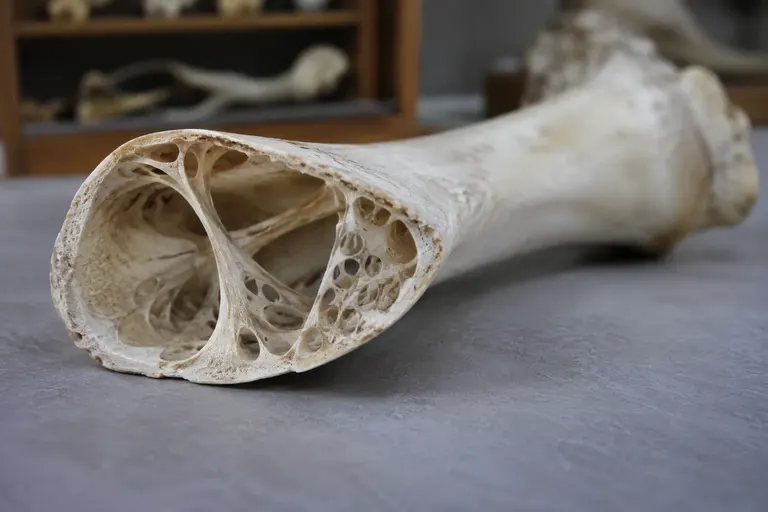
Do birds have hollow bones? Many do: air-filled, braced bones linked to the lungs. Yet bird bones are dense, and diving birds have solid ones. Here is why.
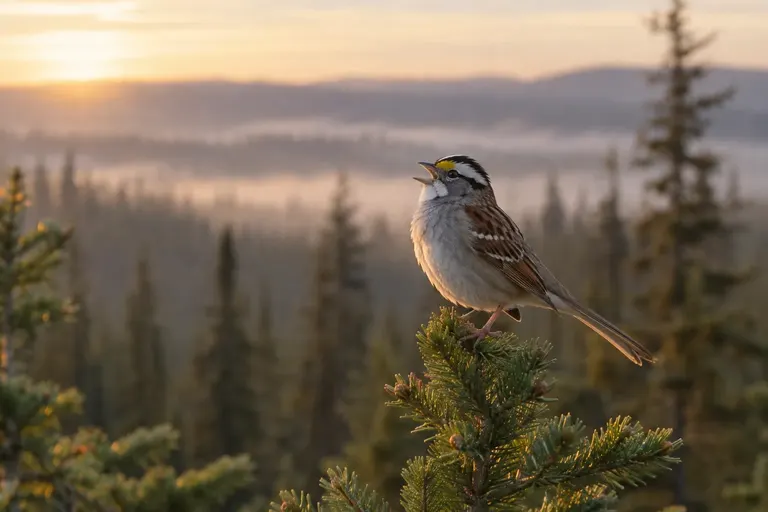
Do birds have regional accents? Yes. Songbirds learn songs from neighbors, so local dialects form, spread and change over time, much like human accents.
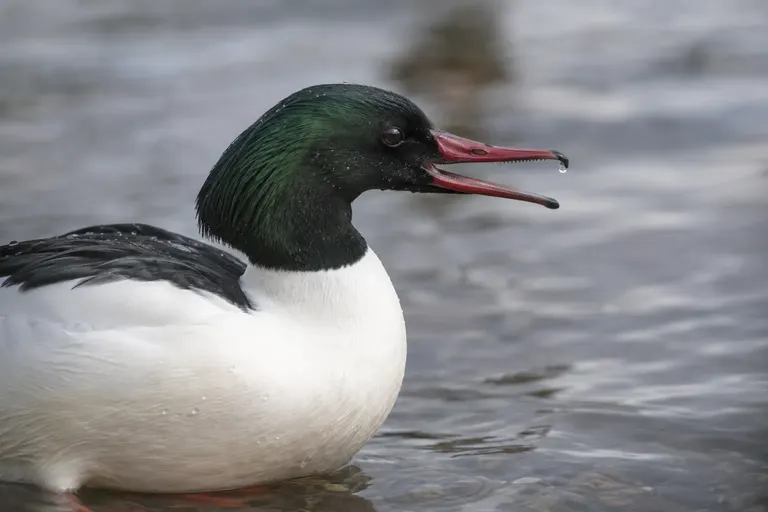
Do birds have teeth? No living bird does. Their ancestors did, but modern birds use a keratin beak and a muscular gizzard instead. Here is how that works.
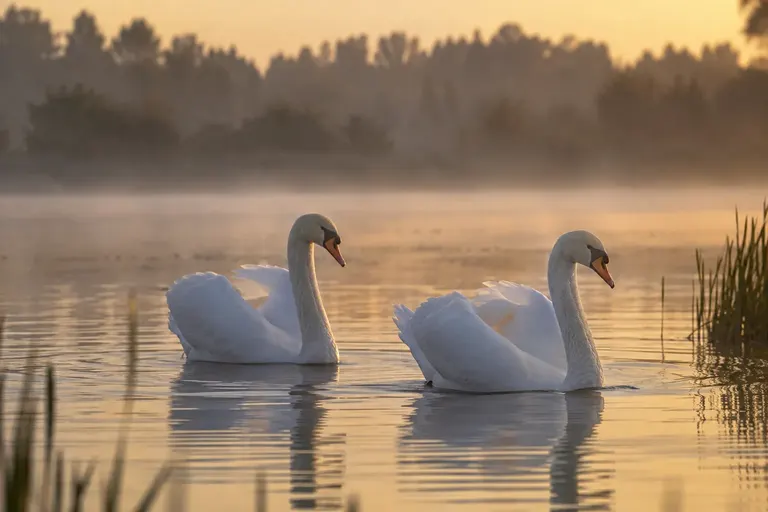
Do birds mate for life? A few do, such as swans, albatrosses and eagles, but most songbirds pair for one season, and many pairs are not strictly faithful.
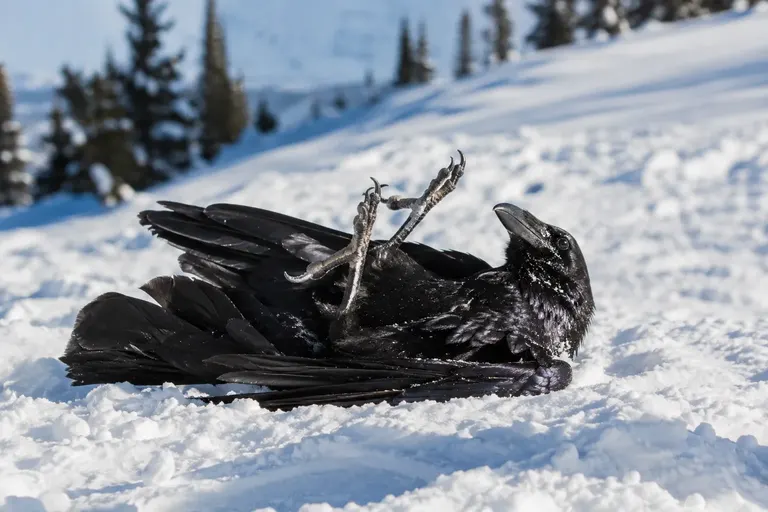
Do birds play? Yes. Ravens slide down snowy roofs, keas toss objects and gulls drop and catch shells. Learn which birds play, how scientists define it and why.
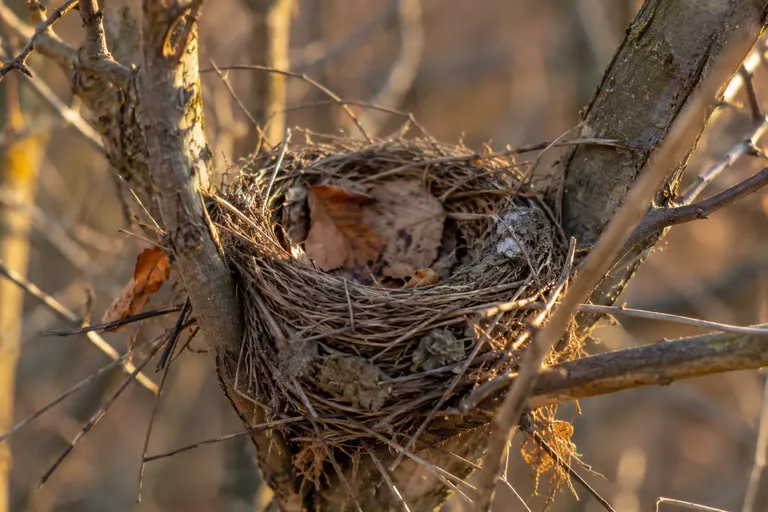
Do birds reuse nests? Most songbirds build a fresh nest for every brood, but eagles, ospreys, swallows, phoebes and cavity nesters often reuse old sites.
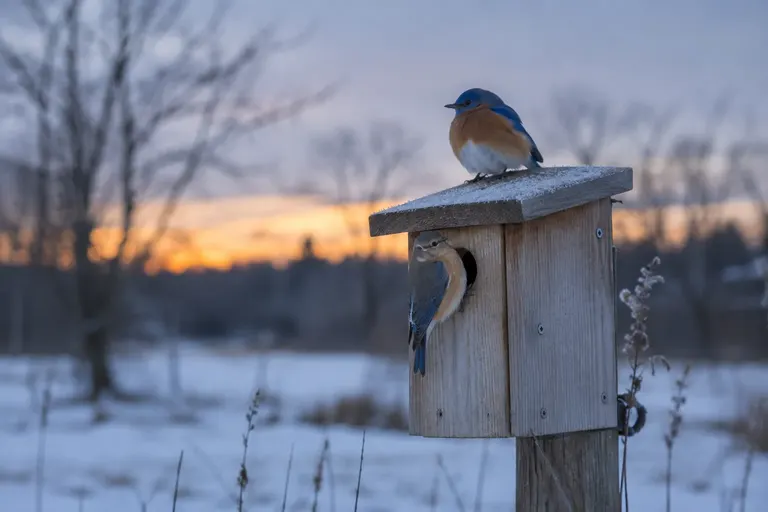
Do birds sleep in nests? Mostly no. Nests are nurseries for eggs and chicks; adults sleep on branches, in cavities, on water or even in flight. Here is why.
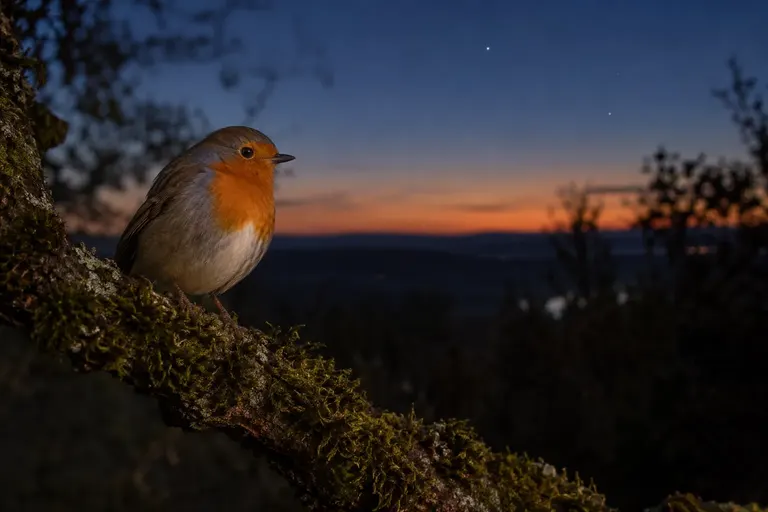
Do birds use the Earth's magnetic field? Yes. Migrating birds carry a built-in magnetic compass, probably in their eyes, and may also read the field like a map.
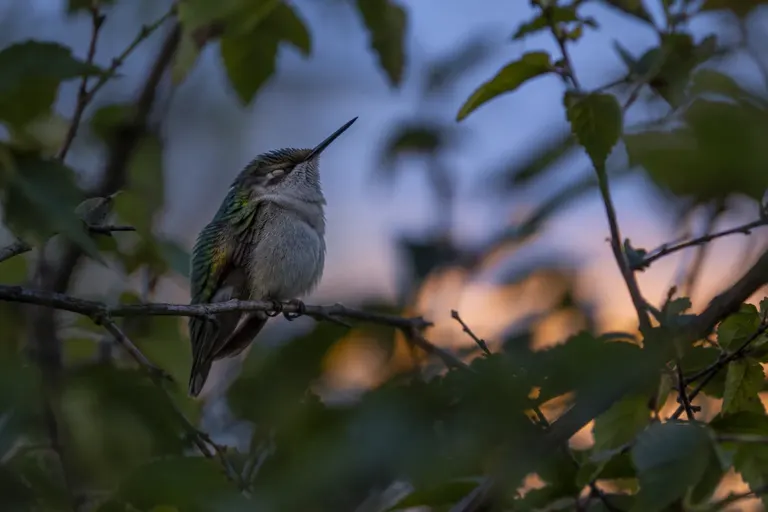
Do hummingbirds sleep? Yes, every night, and often in torpor, a deep energy-saving state where body temperature and heart rate plunge. Here is how it works.
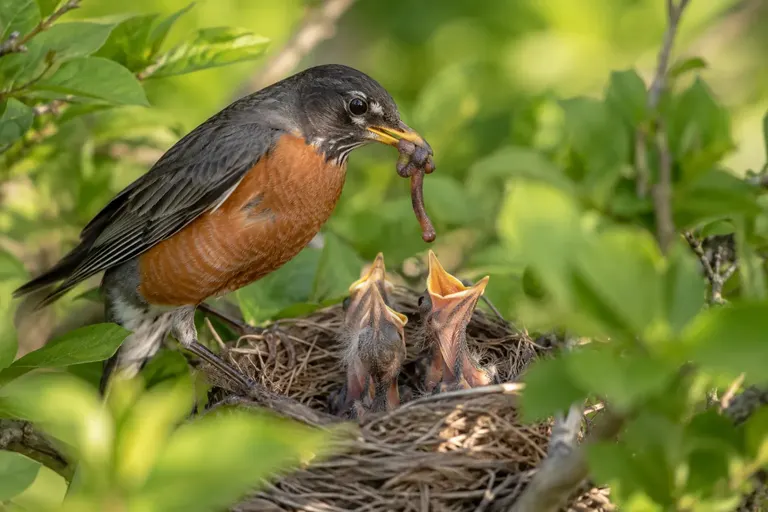
Do mother birds reject babies touched by humans? No. Parents do not abandon young over human scent, so a fallen nestling can be gently put back in its nest.

How do birds breathe? With rigid lungs and air sacs that push air one way through the lungs on both inhale and exhale. Here is how it works and why it matters.
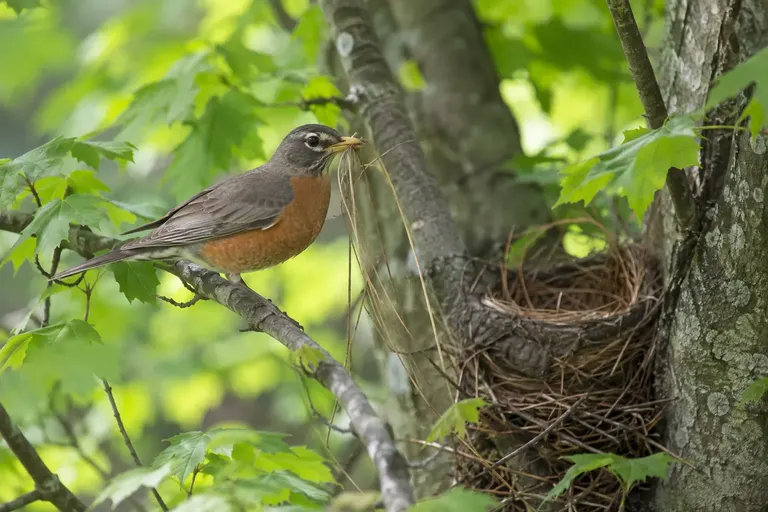
How do birds build nests? With only a beak and feet, birds weave, glue with mud, spider silk or saliva, and shape the cup with their bodies. Here is how.
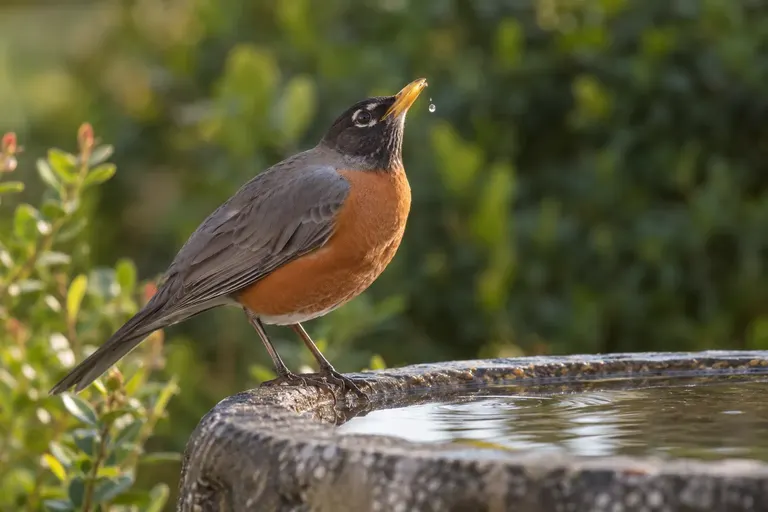
How do birds drink water? Most scoop a sip and tip their heads back, but pigeons suck water up like a straw and hummingbirds lick it with a pump-like tongue.
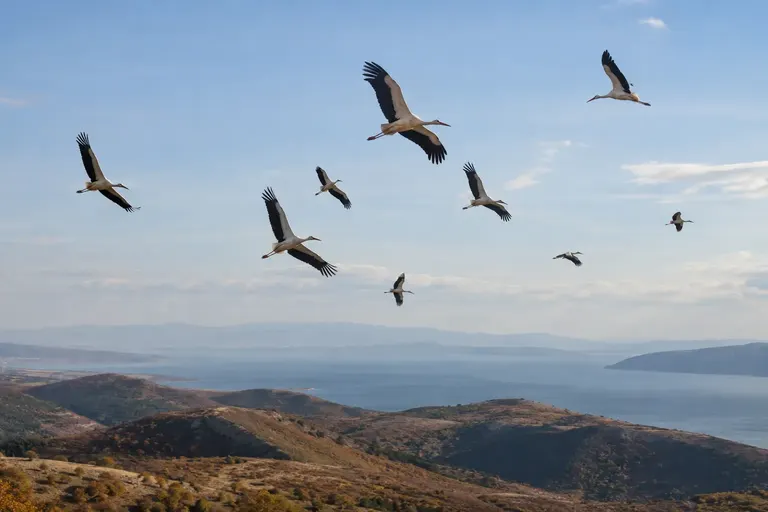
How do birds know where to migrate? They inherit a direction and schedule, then steer by sun, star and magnetic compasses plus learned maps. Here is how.
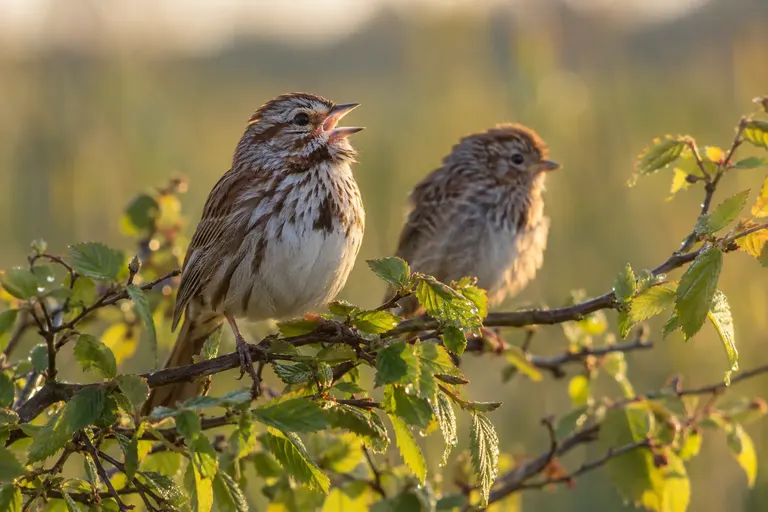
How do birds learn songs? Young songbirds memorize adult songs, then practice for weeks, babbling like infants until their song matches the memory they stored.
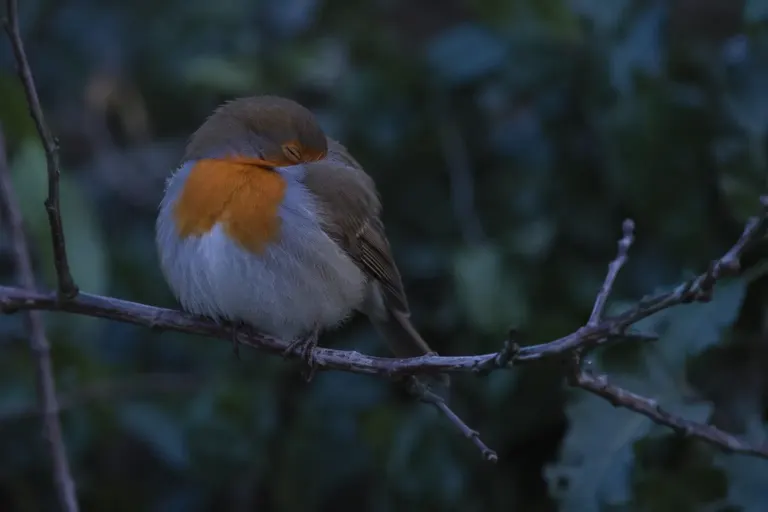
How do birds perch without falling when asleep? Tendons that tighten as the bird crouches, a ratchet-like grip, fine balance control and half-awake brains.
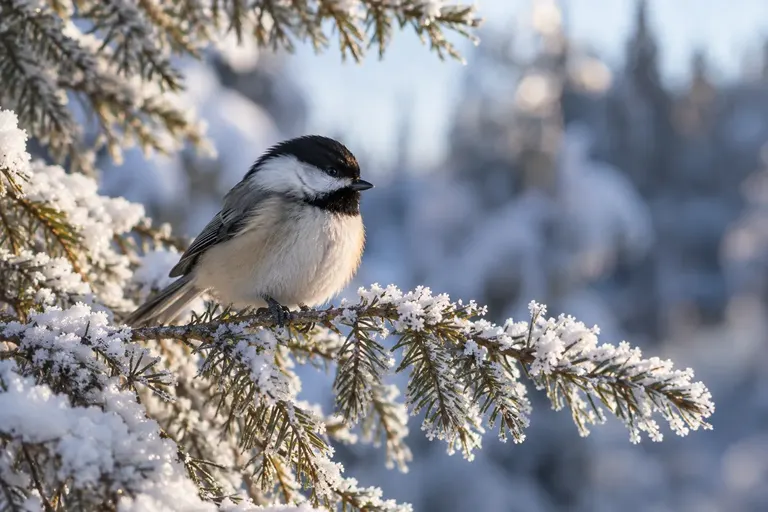
How do birds stay warm in winter? Fluffed feathers, daily fat, shivering muscles, cold-proof legs, shared roosts and controlled overnight cooling, explained.
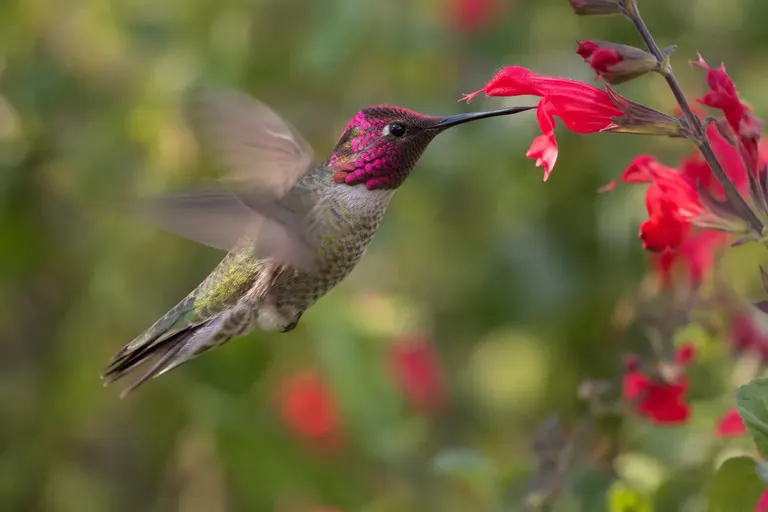
How do hummingbirds hover? They sweep their wings in a flat figure-eight, twisting them to make lift on both strokes, powered by huge muscles and sugar fuel.
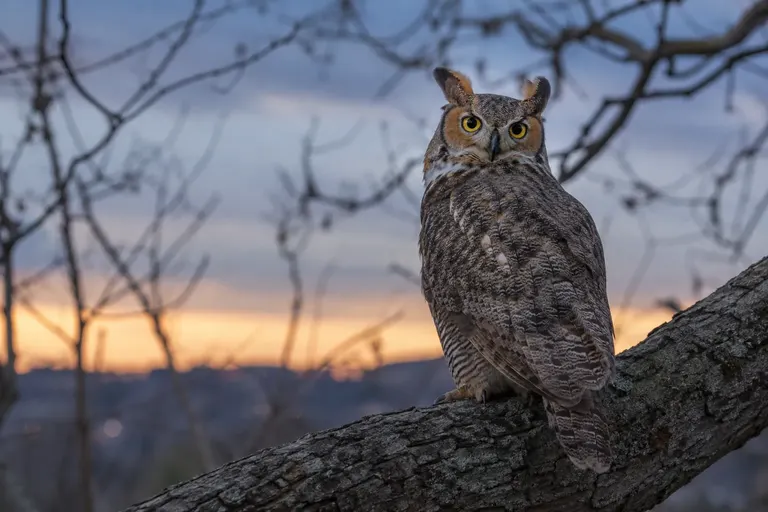
How do owls turn their heads so far? Up to 270 degrees, thanks to 14 neck vertebrae and blood vessels built to avoid being pinched. Here is the anatomy and why.
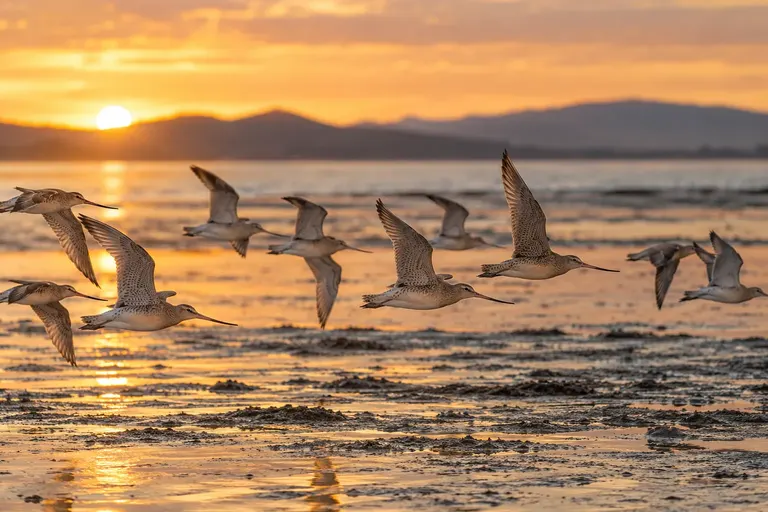
How far do birds migrate? From a few miles up a mountain to more than 40,000 miles a year for Arctic Terns. Distances, nonstop records and how birds do it.
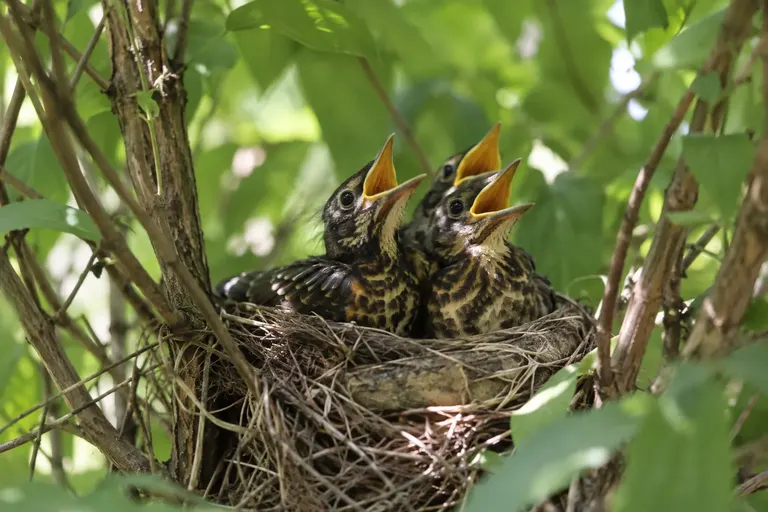
How long do baby birds stay in the nest? Most backyard songbirds leave 2 to 3 weeks after hatching; ducklings leave in a day, and hawks and owls take weeks.
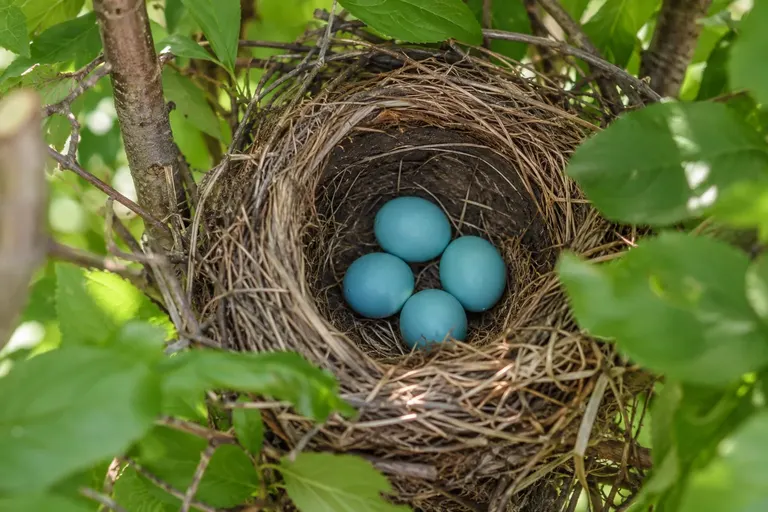
How long does it take bird eggs to hatch? Most backyard songbirds hatch after about 11 to 14 days of incubation; eagles take about 5 weeks, albatrosses longer.
How many birds are there in the world? Roughly 50 billion wild birds by the best recent estimate, across about 11,000 species. How scientists count them.
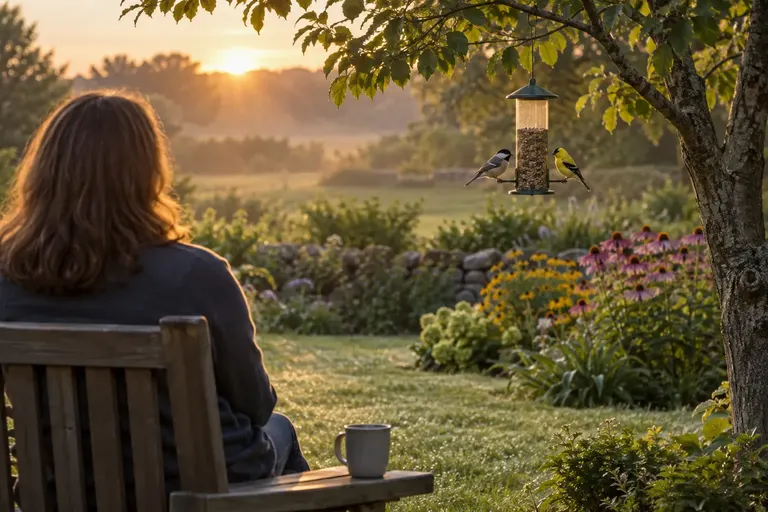
Is birdwatching good for mental health? Research links seeing and hearing birds to better mood and lower stress. Here is what studies show, and their limits.
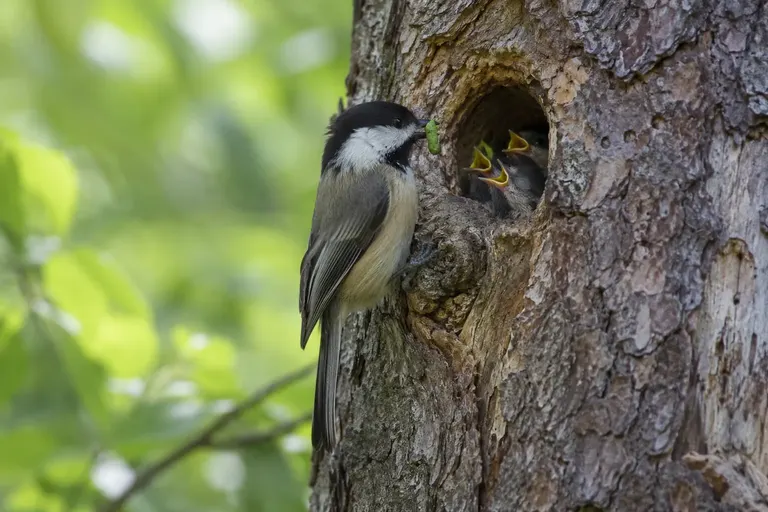
What do baby birds eat? Most songbird chicks are raised on insects, mainly caterpillars, even if adults eat seed. Doves feed crop milk; raptors bring meat.
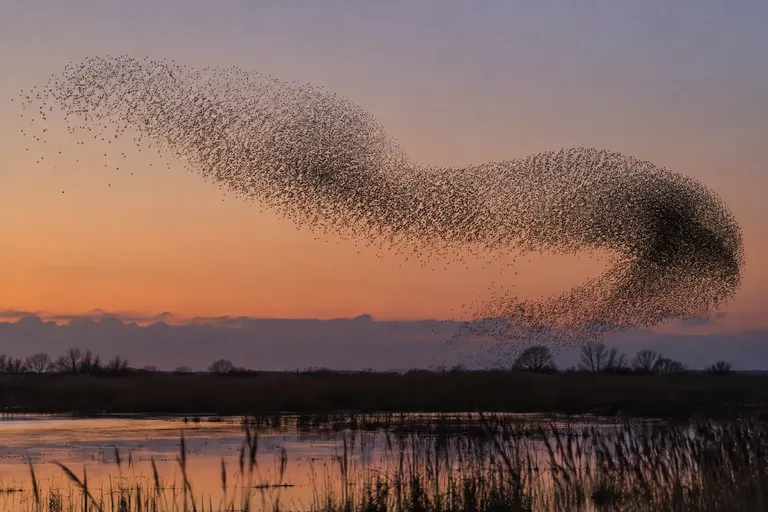
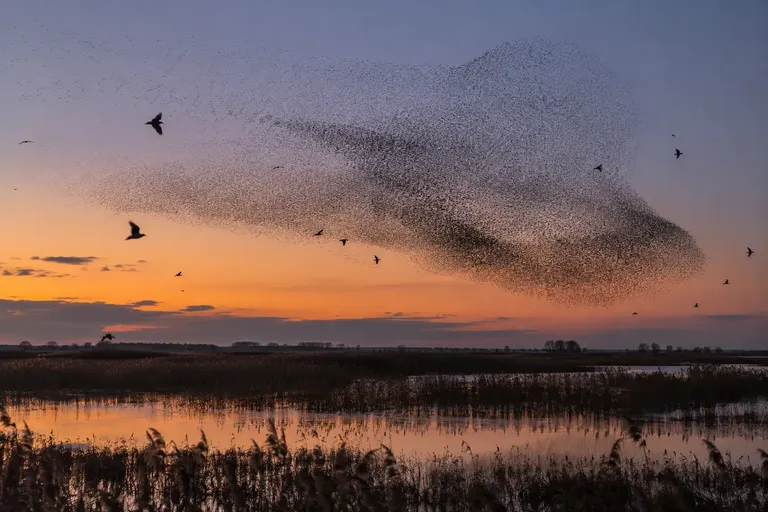
What is a murmuration? It is a huge, shifting flock of starlings wheeling at dusk before roosting. Here is how it works, why they do it and where to see it.
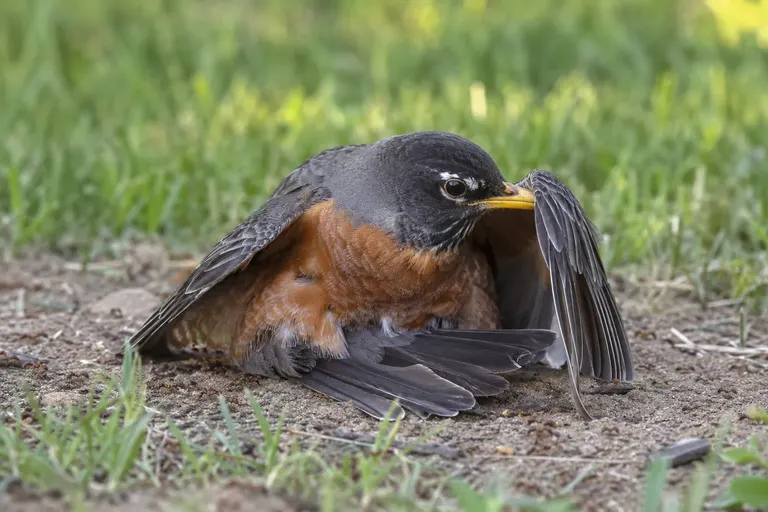
What is anting in birds? A bird rubs ants on its feathers or lies on an anthill. Here is what science knows about why birds do it, and what it does not.
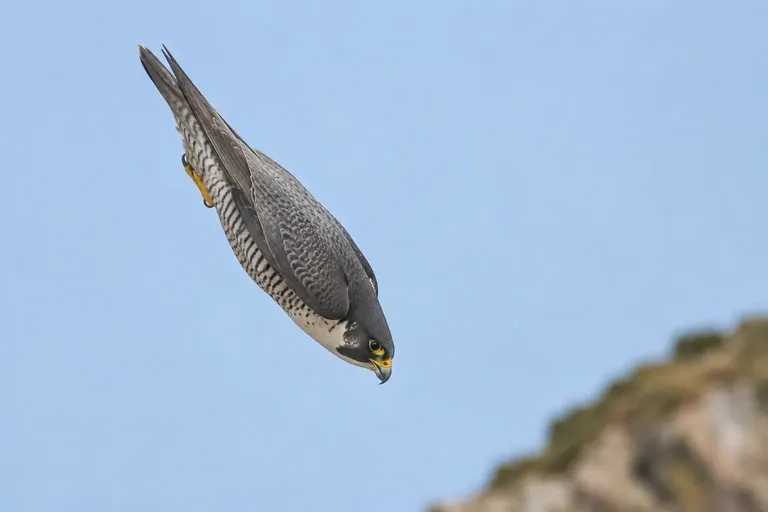
What is the fastest bird? The Peregrine Falcon, which tops 200 mph in a hunting dive. Here are the fastest fliers in level flight, runners and swimmers too.
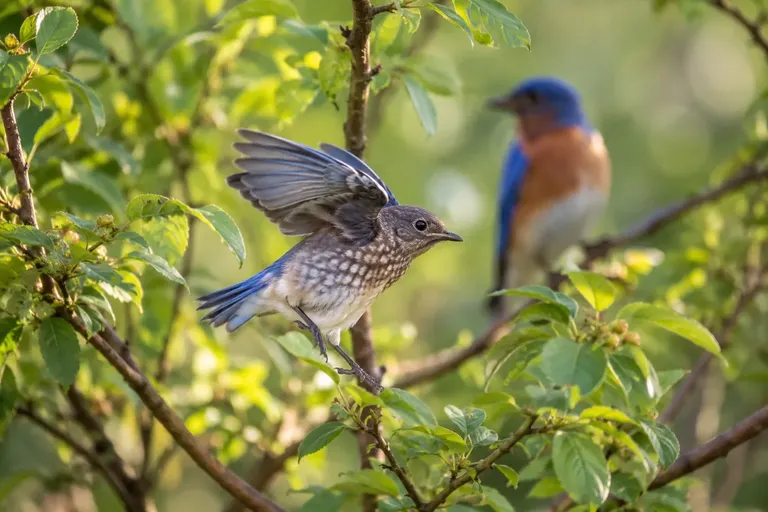
When do baby birds learn to fly? Most songbirds leave the nest at 2 to 3 weeks and fly well within days. Raptors take months, and albatrosses even longer.
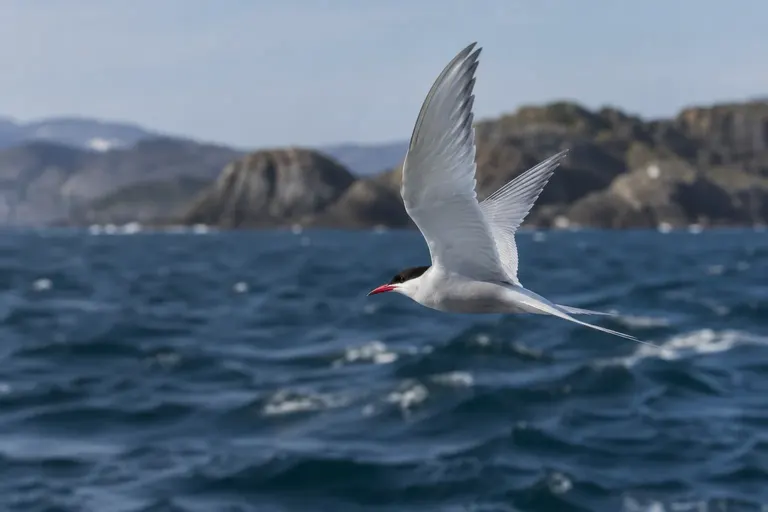
Which bird migrates the farthest? The Arctic Tern, at roughly 44,000 miles a year. The Bar-tailed Godwit holds the nonstop record. Meet the champions and how.
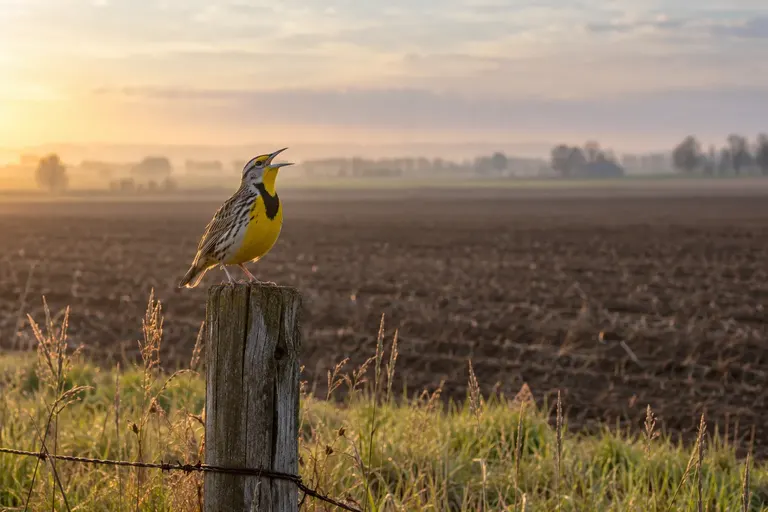
Why are bird populations declining? Habitat loss and intensive farming lead, followed by cats, windows, pesticides, climate change and disease. The evidence.
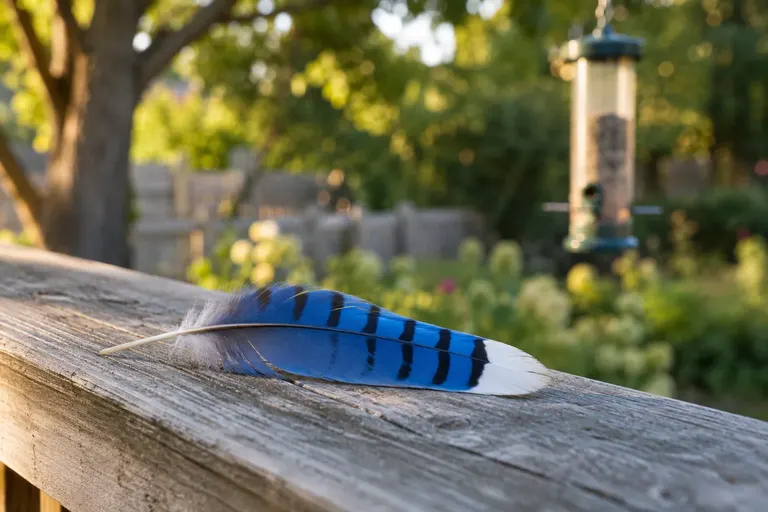
Why are blue feathers not actually blue? Birds lack blue pigment. Tiny air-and-keratin structures inside each feather barb scatter blue light instead.
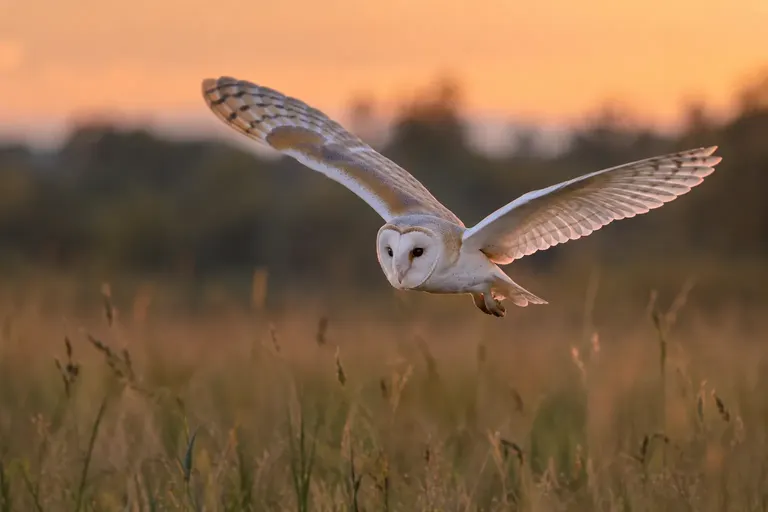
Why are owls silent in flight? Comb-edged, fringed, velvety feathers and big slow-beating wings damp the sound of air, so owls can hear prey and sneak up on it.
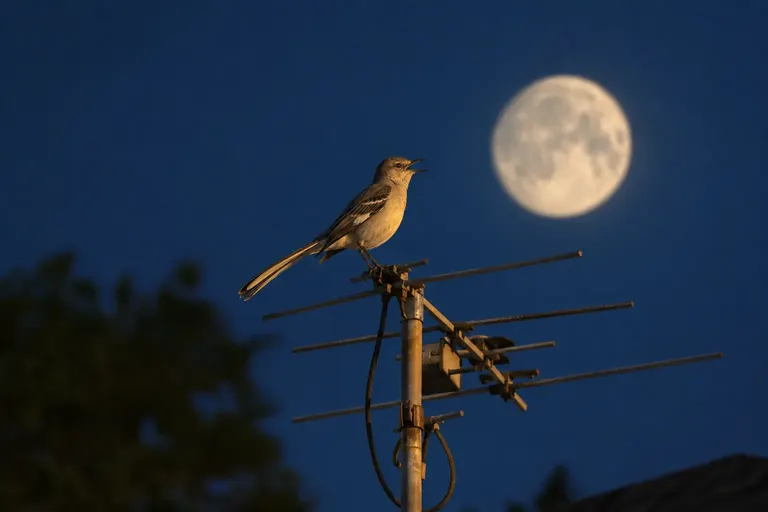
Why do birds chirp at night? Unmated males singing for mates, city light and noise, migrants calling overhead and night birds like owls explain most of it.
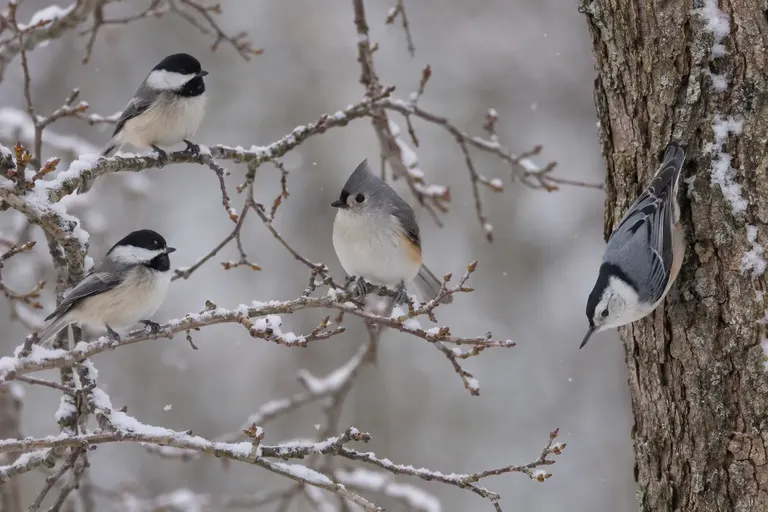
Why do birds flock together? Mainly for safety from predators, plus better foraging, shared information and warmth. Here is the science, with backyard examples.
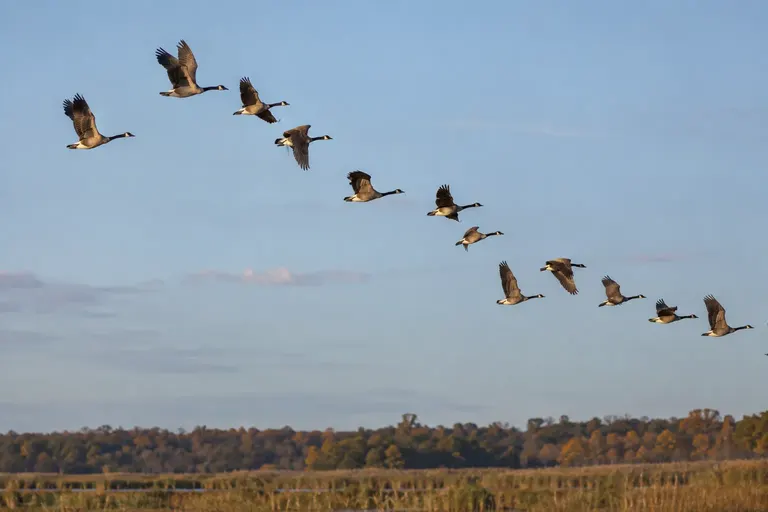
Why do birds fly in a V? Each bird rides rising air off the wingtip of the bird ahead, saving energy, and the shape keeps sightlines clear. Here is the science.
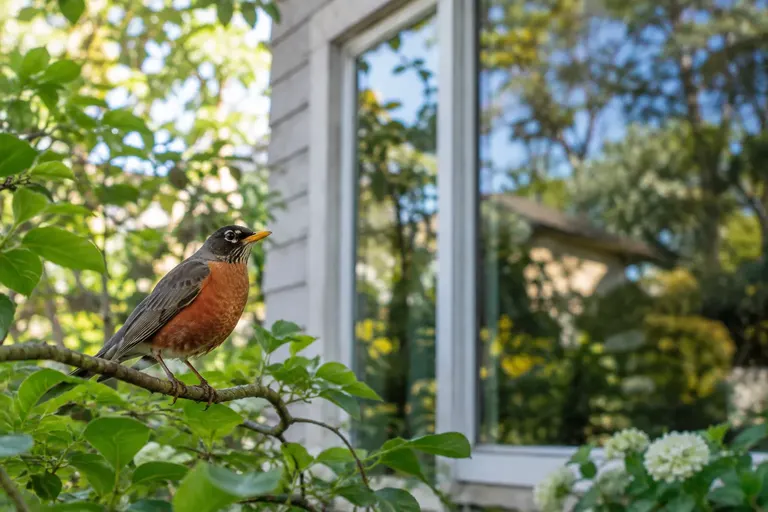
Why do birds fly into windows? Glass reflects sky and trees or looks like open space, and birds have no instinct for it. Here is the science and what helps.
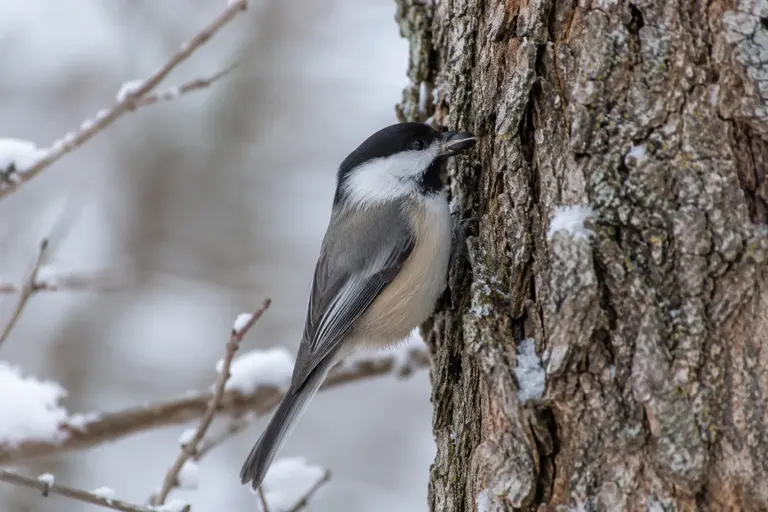
Why do birds hoard food? To survive lean times. Jays, chickadees, nuthatches and nutcrackers store thousands of seeds and remember where. Here is how it works.
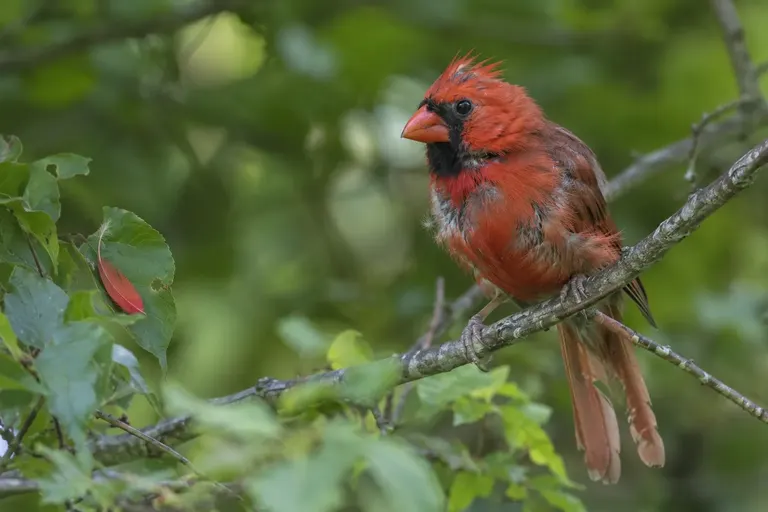
Why do birds molt? Feathers are dead keratin that wears out and cannot be repaired, so birds replace them on a schedule. How molt works, when and why.
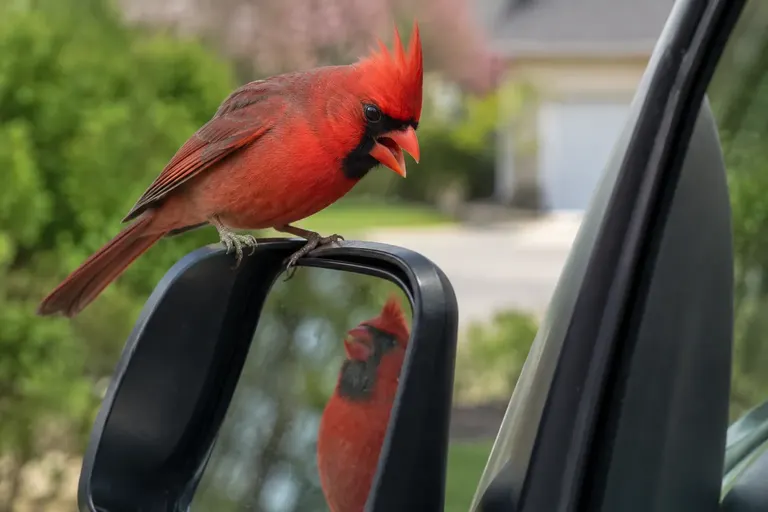
Why do birds peck at car mirrors? They see their reflection as a rival bird invading their territory. Learn why it happens in spring and how to stop it safely.
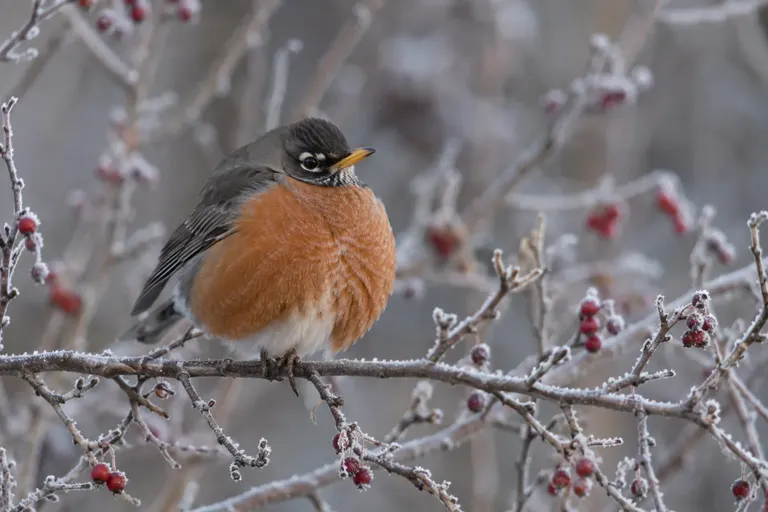
Why do birds puff up? Mostly to trap warm air, but also to rest, preen, sunbathe, look bigger to rivals or court a mate. Learn when a fluffed bird may be sick.
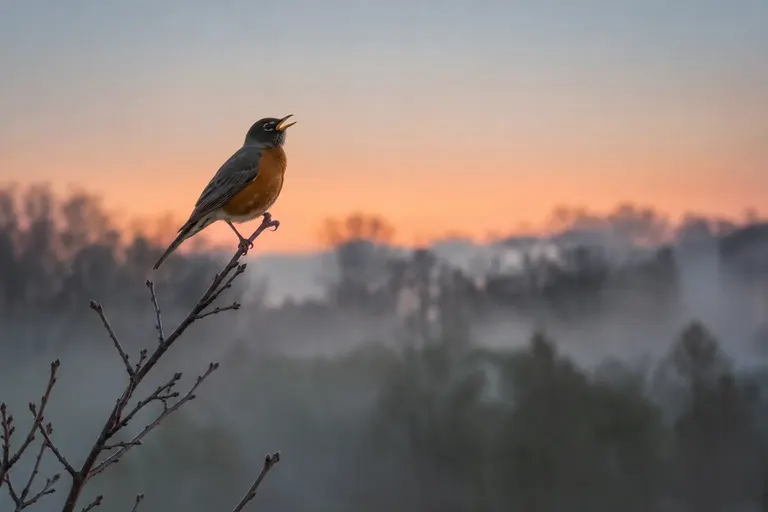
Why do birds sing in the morning? Mostly to defend territory and win or guard mates at the hour when song carries well and feeding is hard. Here is the science.
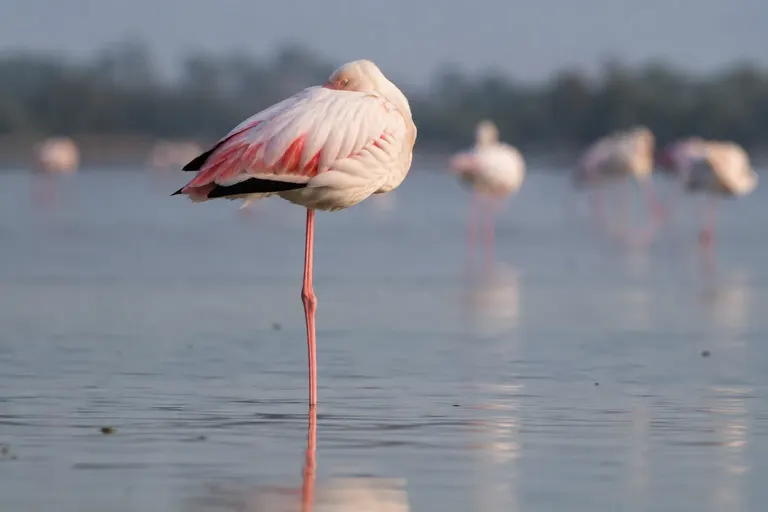
Why do birds stand on one leg? Mainly to save body heat through bare legs, and it takes very little effort. Here is the science, from flamingos to gulls.
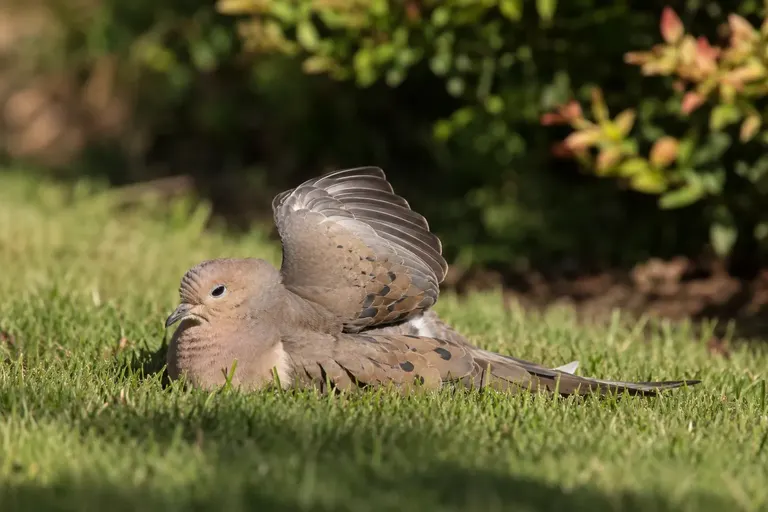
Why do birds sunbathe? To warm up cheaply, help feathers dry and settle, and likely to flush out feather lice and mites. What the odd sunning postures mean.
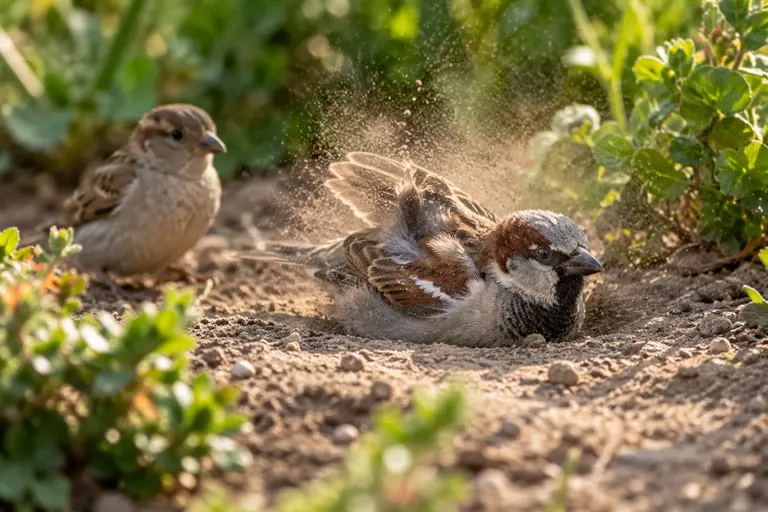
Why do birds take dust baths? Dust soaks up excess preen oil, keeps feathers fluffy and may help control lice and mites. Which birds do it and how to help them.
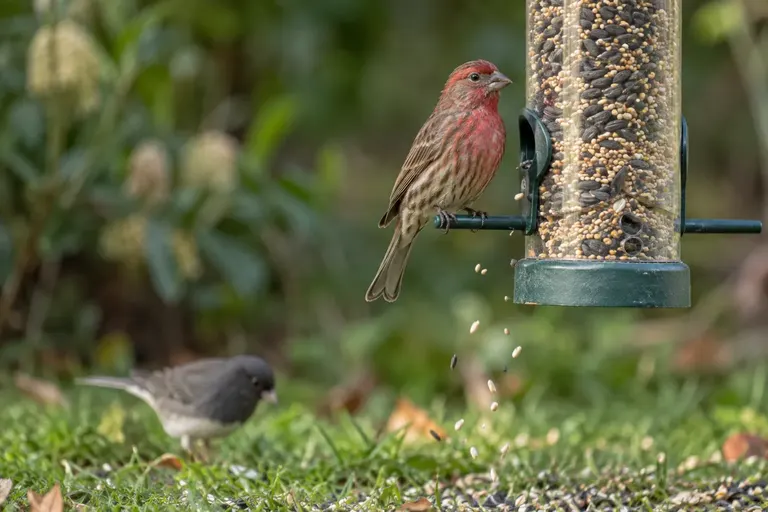
Why do birds throw seed out of the feeder? Mostly they are sorting: flicking aside cheap filler, husks and spoiled seed to reach the food they want.
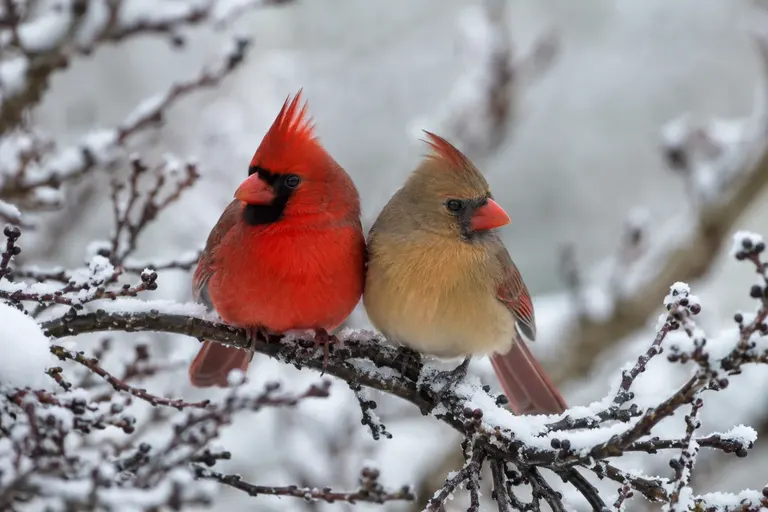
Why do male birds have brighter colors? Mostly sexual selection: females choose colorful mates and males compete, while dull females stay hidden on the nest.
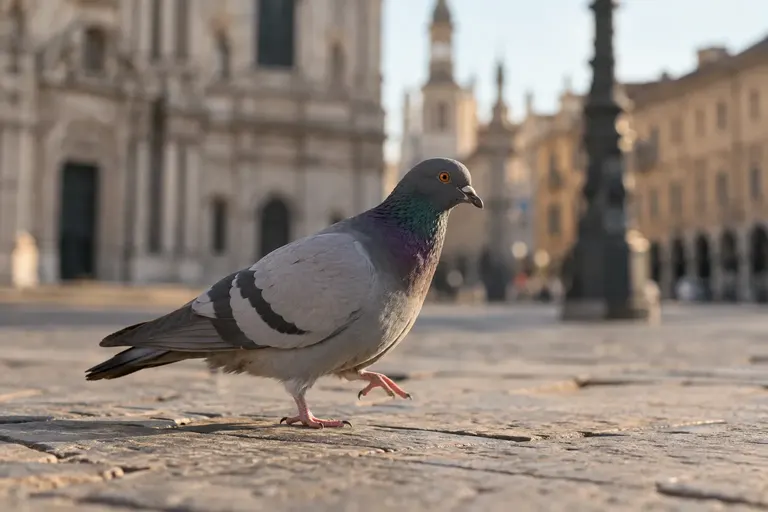
Why do pigeons bob their heads when they walk? To keep their vision steady: the head locks still in space while the body catches up, then snaps forward again.
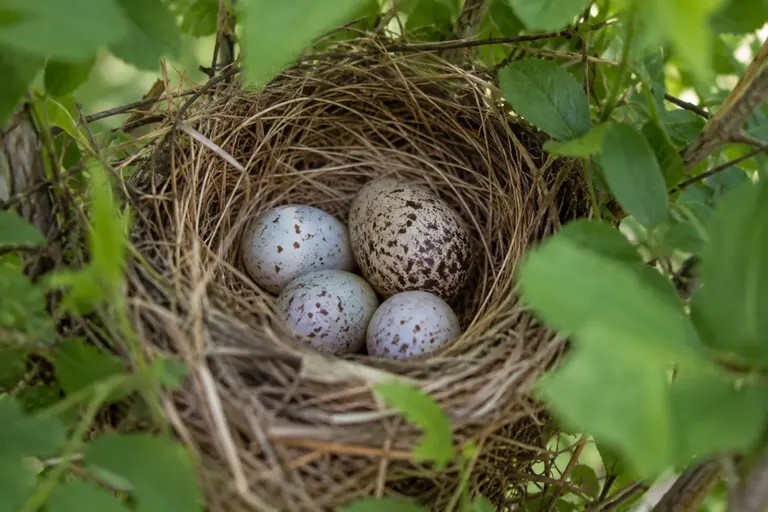
Why do some birds lay eggs in other birds' nests? Brood parasites like cuckoos and cowbirds skip the costs of parenting so they can lay many more eggs instead.
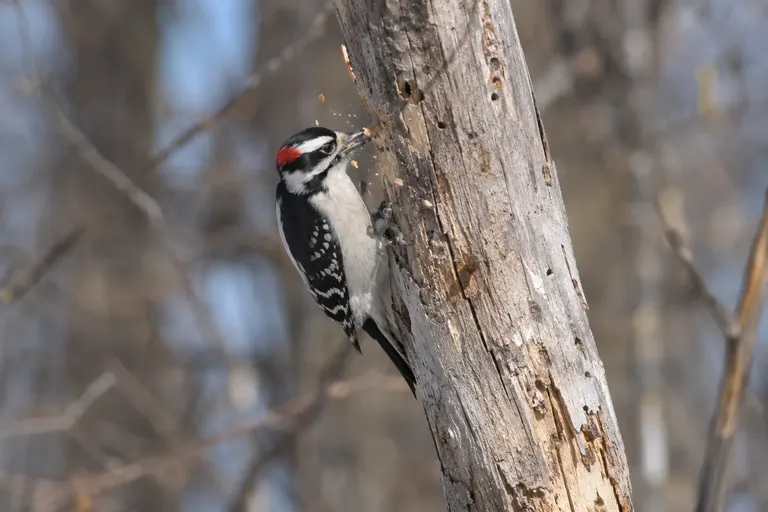
Why do woodpeckers peck wood? To dig out insects, carve nest and roost holes, and drum loud signals that claim territory and attract mates. Here is the science.
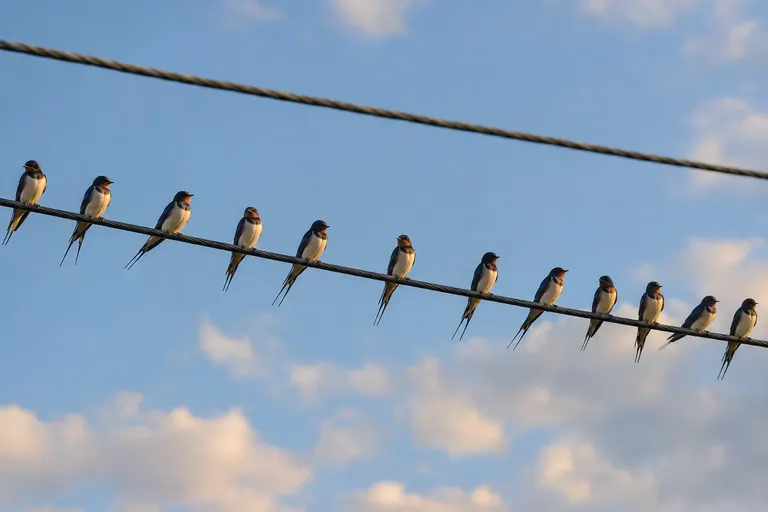
Why don't birds get shocked on power lines? A bird on one wire is at one voltage, so no current flows through it. Touching two wires or a wire and pole kills.
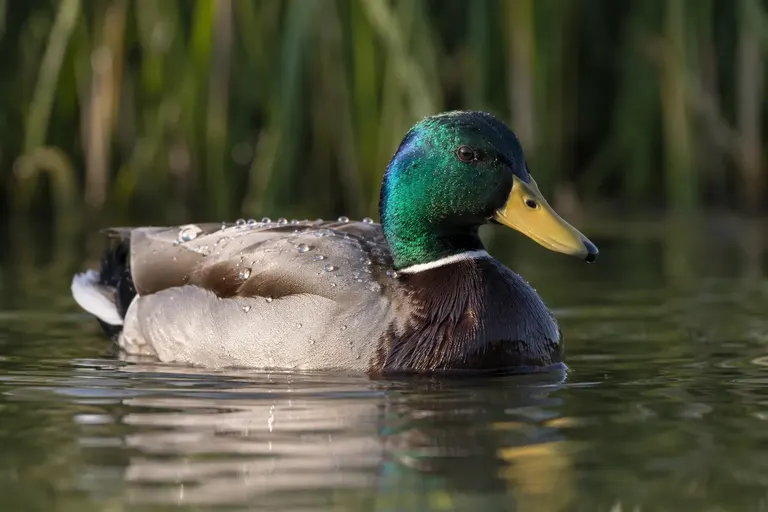
Why don't ducks get wet? Their tightly interlocked feathers trap air that water can't push through, and constant preening keeps that barrier in working order.
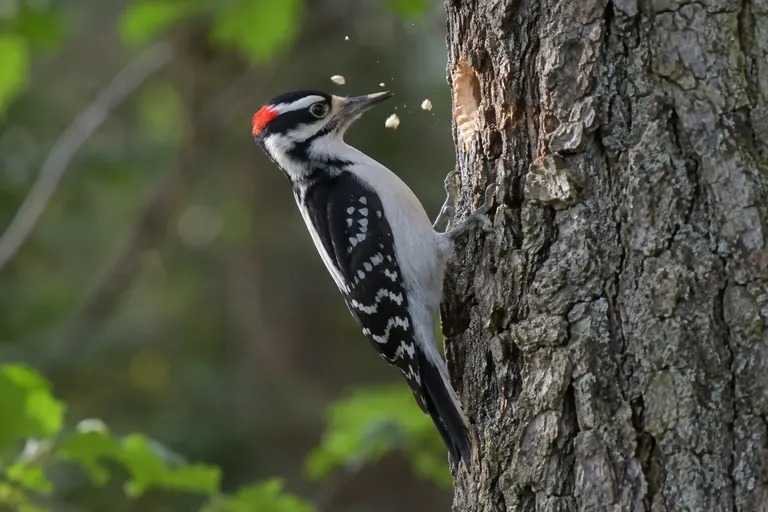
Why don't woodpeckers get headaches? A small, tightly packed brain, brief impacts, straight-line strikes and a stiff skull protect them. Here is the science.
These bird facts answer the questions people ask most about how birds live, clearly explained and drawn from ornithology sources such as the Cornell Lab of Ornithology, Audubon and peer-reviewed research. Each article leads with a short, direct answer, then explains the science behind it, corrects common myths and notes what it means for your own backyard. Use this hub when you notice something odd at the feeder and want to know why: a bird puffed into a ball on a cold morning, a robin singing in the dark, a cardinal attacking its reflection or a flock moving as one.
A few themes run through the collection. Birds solve the same problems we do, staying warm, finding food, raising young and getting some sleep, but with very different tools. Fluffed feathers trap warm air, which is why a puffed-up chickadee on a cold day is usually normal. Many songbirds sing at dawn because sound carries well in cool, still air and it is a good time to advertise a territory. Some birds navigate by the sun, stars and even the Earth's magnetic field. Understanding the reason behind a behavior helps you tell normal from worrying, and it makes watching far more interesting.
Common misconceptions worth clearing up: a mother bird will not reject a baby touched by people, birds do not need you to keep feeding them year round to survive, and most birds do not sleep in nests except while tending eggs or young. Where the science is still unsettled, we say so rather than picking the tidiest answer. If you are not sure where to begin, start with the winter survival and nesting questions below, since they come up most often in the backyard.