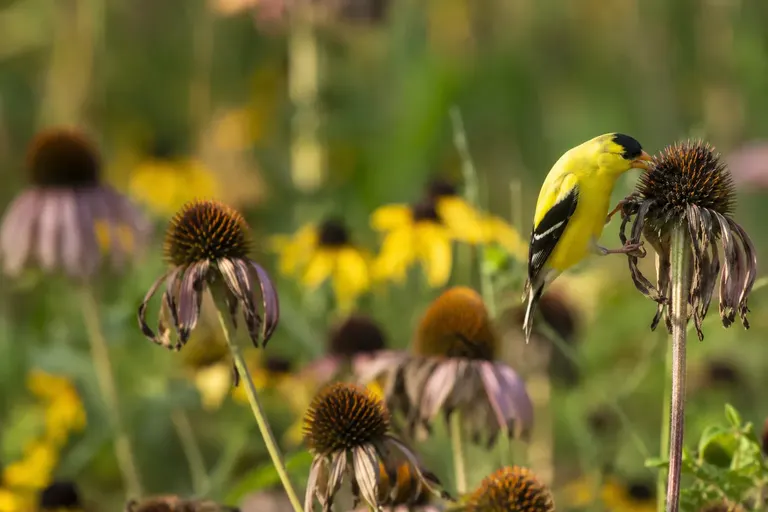
How to Attract American Goldfinches to Your Yard
How to attract American goldfinches: offer fresh nyjer and sunflower in a finch feeder, grow coneflowers and native thistles, add water and keep feeders clean.

How to attract the species you want to see, with food, feeders, plants and nest boxes.
How to attract American goldfinches: offer fresh nyjer and sunflower in a finch feeder, grow coneflowers and native thistles, add water and keep feeders clean.
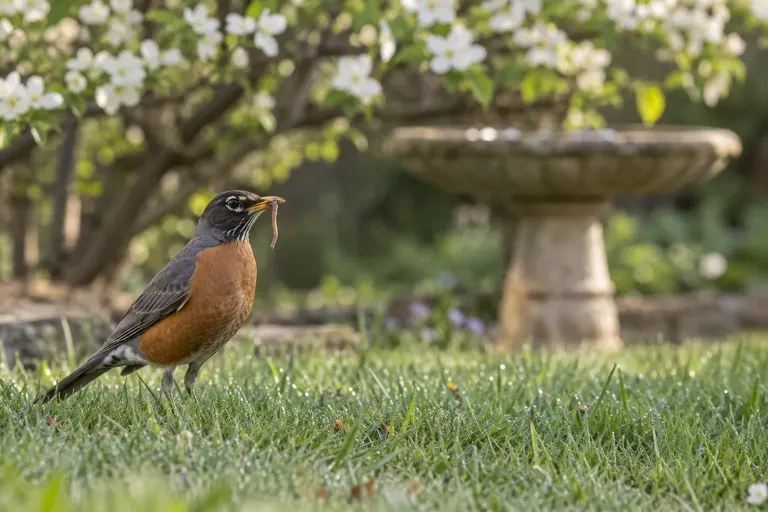
How to attract American Robins: they rarely eat seed, so offer an open lawn, fruiting native shrubs, water, mealworms and a covered nest shelf instead.
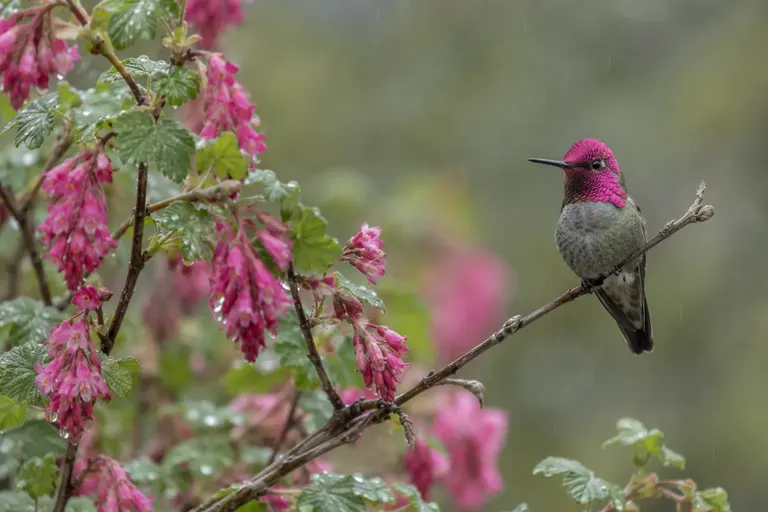
How to attract Anna's Hummingbirds: keep a clean 1:4 nectar feeder up all year, stop it freezing, and plant winter-blooming natives like currant and manzanita.
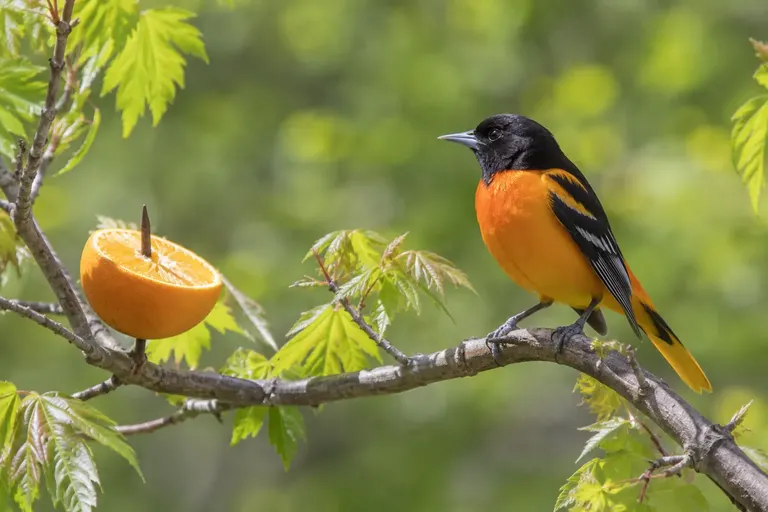
How to attract Baltimore Orioles: set out oranges, grape jelly and sugar water before they arrive in spring, then add tall shade trees and fruiting natives.
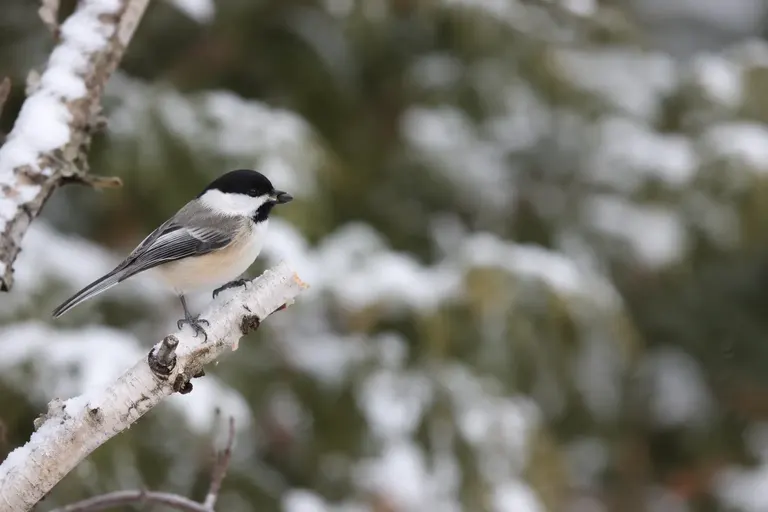
How to attract black-capped chickadees: offer sunflower, peanuts and suet near cover, plant native trees full of caterpillars and put up a 1 1/8 inch nest box.
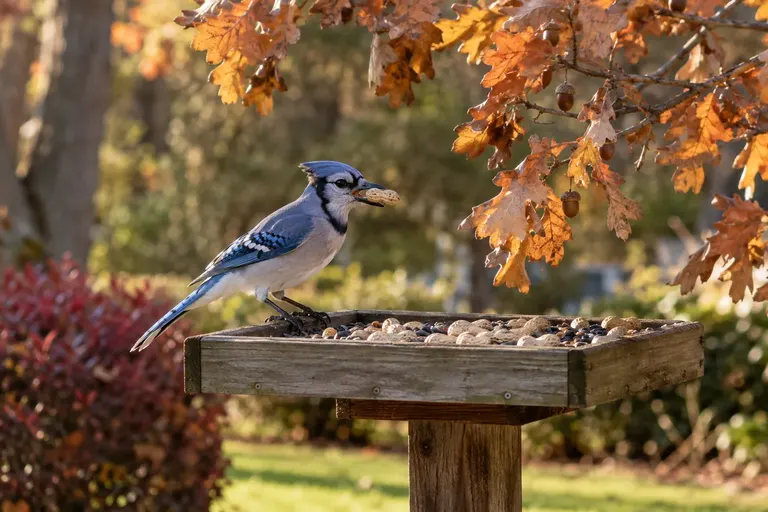
How to attract blue jays: put peanuts, sunflower seed and suet on a platform or post-mounted hopper, add a birdbath, and plant oaks for acorns and cover.
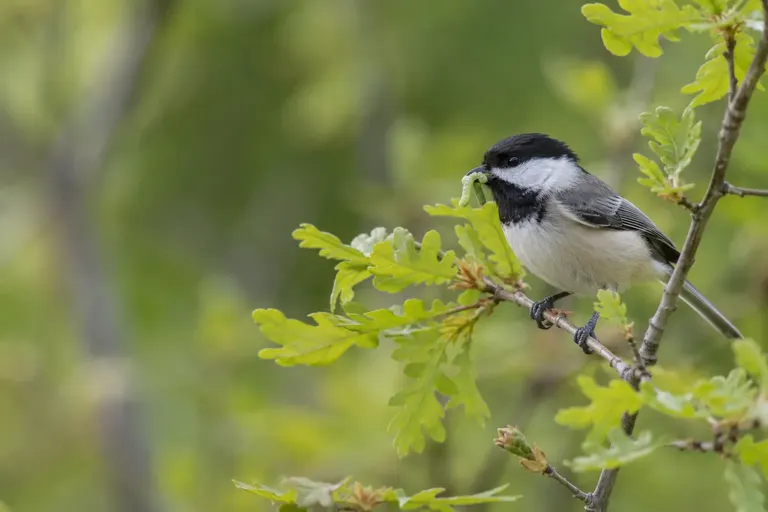
How to attract Carolina chickadees: offer sunflower, peanut chips and suet near cover, grow native oaks for caterpillars and add a 1 1/8 inch nest box.
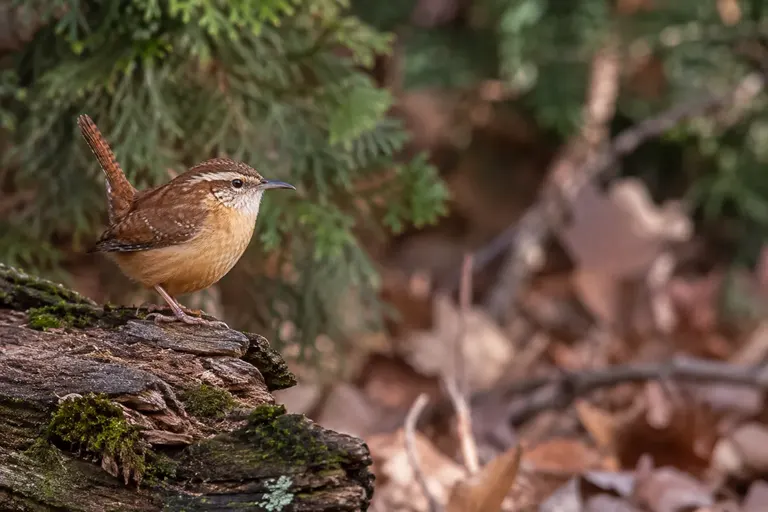
How to attract Carolina wrens: dense brush, suet and mealworms near cover, a sheltered wren box 3 to 6 feet up, and a messy corner left standing all winter.
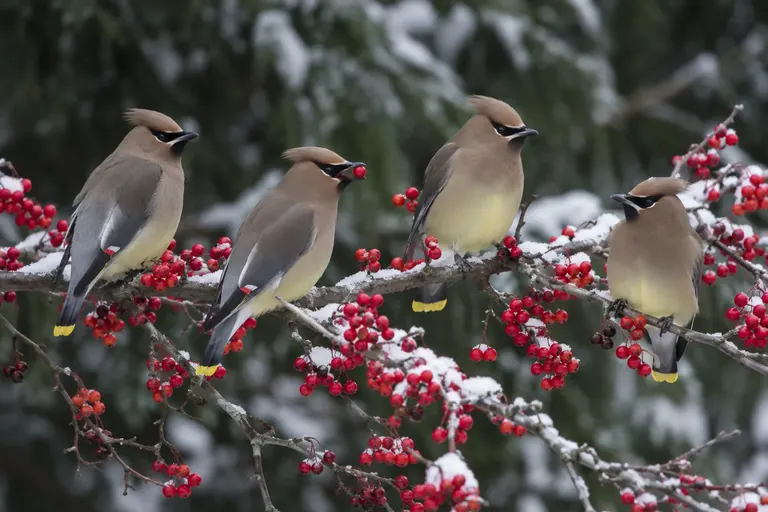
How to attract cedar waxwings: plant native berry shrubs like serviceberry, dogwood, juniper and winterberry, add moving water, and skip the seed feeder.
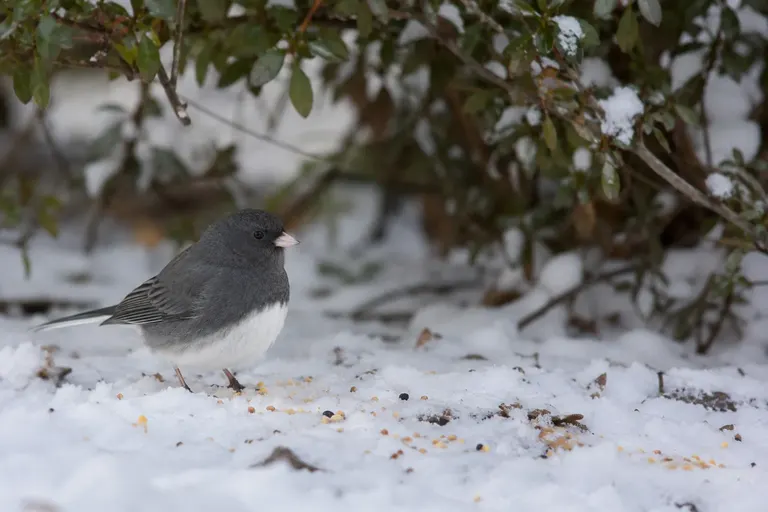
How to attract Dark-eyed Juncos: scatter white millet on the ground or a low tray near shrubs and brush piles, add open water, and leave seed heads for winter.
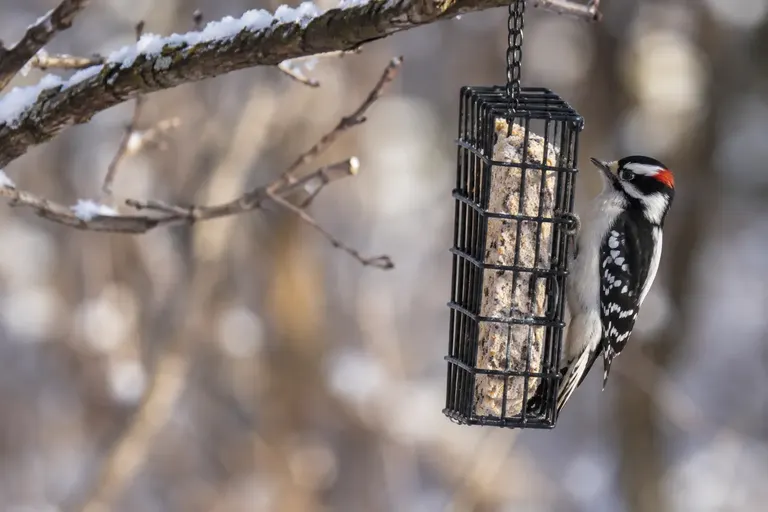
How to attract downy woodpeckers: offer suet, peanuts and black oil sunflower, keep native plants with seed heads and galls, and leave safe dead limbs standing.
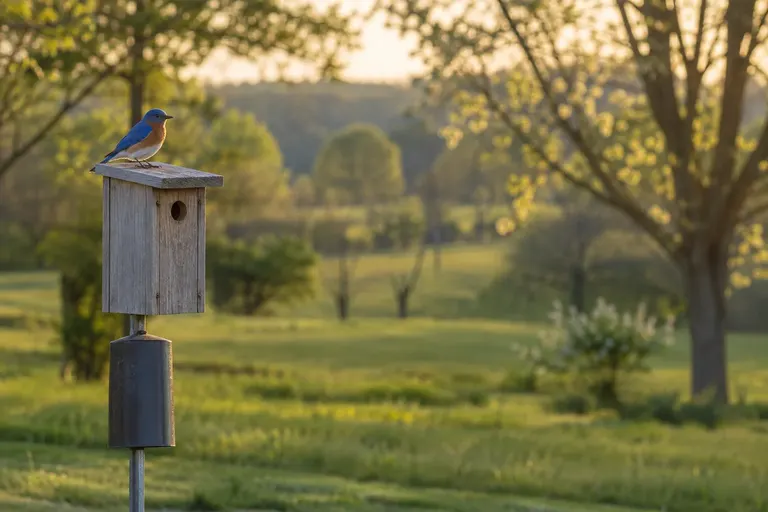
How to attract Eastern Bluebirds: mount a correctly sized nest box with a predator guard facing open lawn, offer mealworms, and plant native berry shrubs.
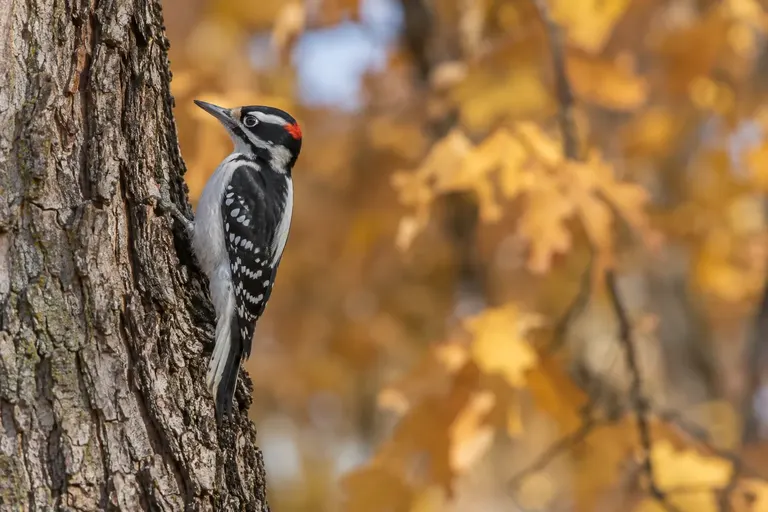
How to attract hairy woodpeckers: offer suet, peanuts and black oil sunflower in winter, keep mature trees near feeders, and leave safe dead trees standing.
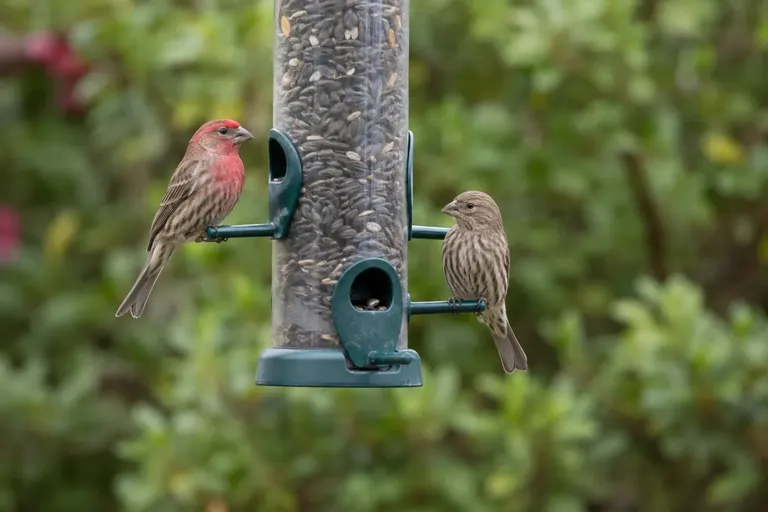
How to attract House Finches: black oil sunflower in a tube or hopper feeder, clean feeders to prevent eye disease, and shrubs or ledges nearby for nesting.
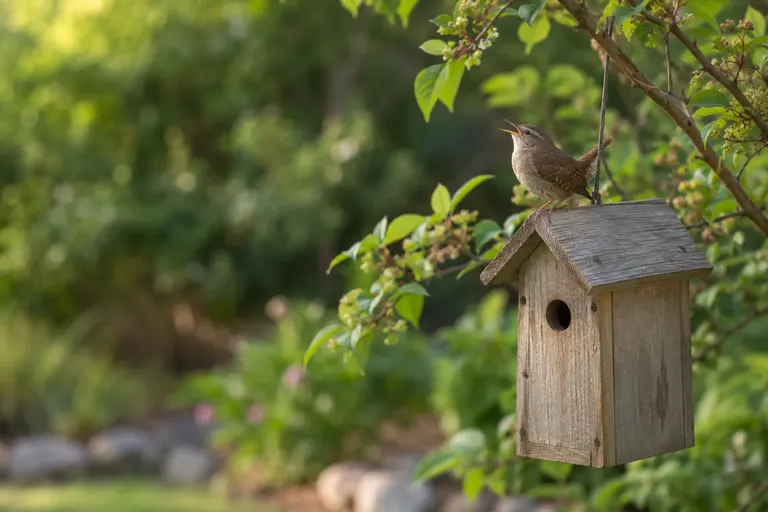
How to attract house wrens: hang a small-hole wren box by shrubs before spring, add a brush pile, skip pesticides, and keep it clear of your bluebird boxes.
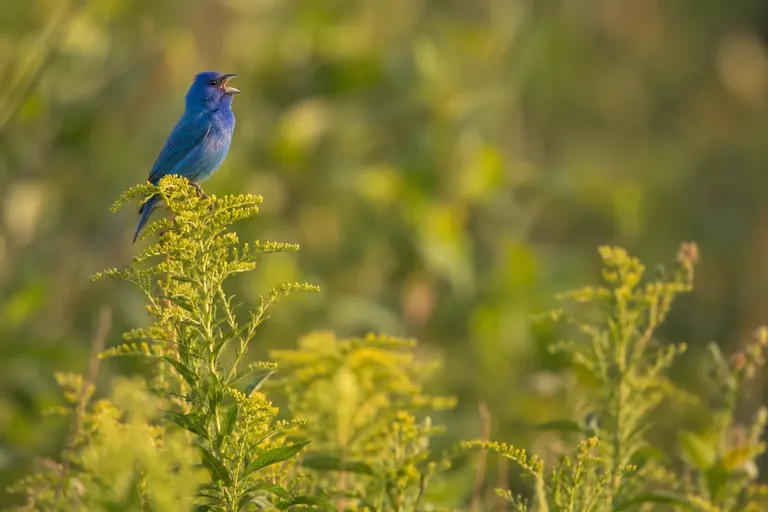
How to attract indigo buntings: leave a weedy, shrubby edge with native seed plants, add nyjer or live mealworms in spring, offer water and skip pesticides.
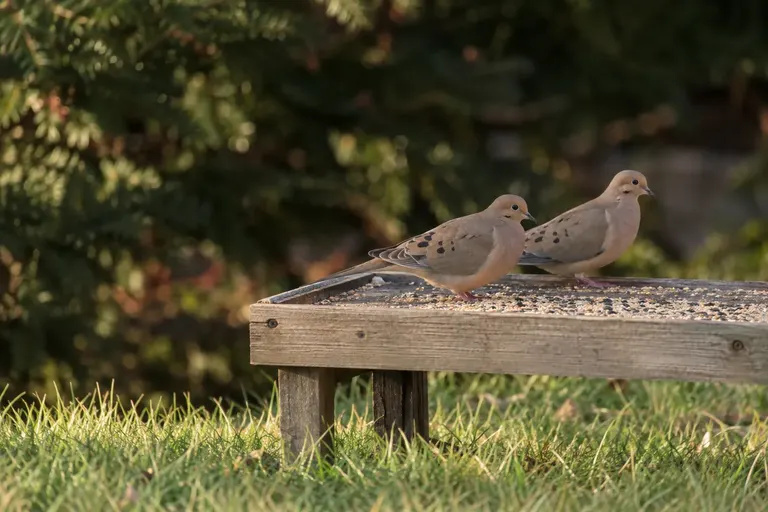
How to attract Mourning Doves: scatter millet and cracked corn on the ground or a platform near cover, add water, and plant dense trees or put up a nest cone.
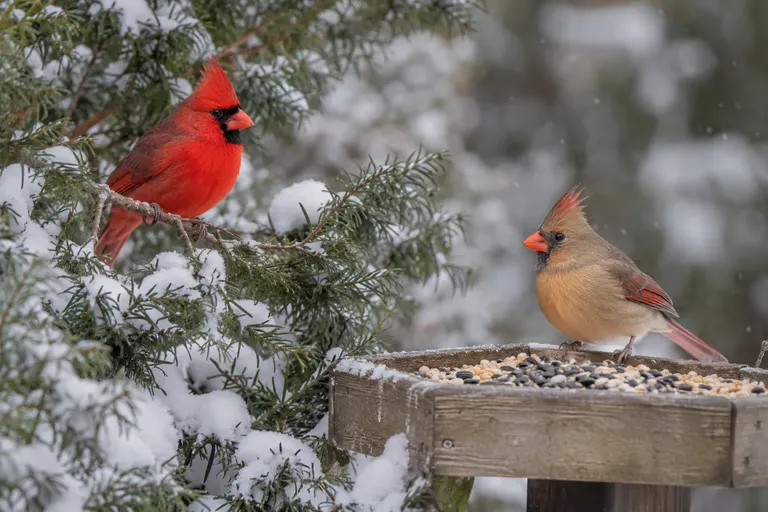
How to attract northern cardinals: offer sunflower or safflower on a sturdy platform or hopper, keep dense shrubs close, add water, and plant native berries.
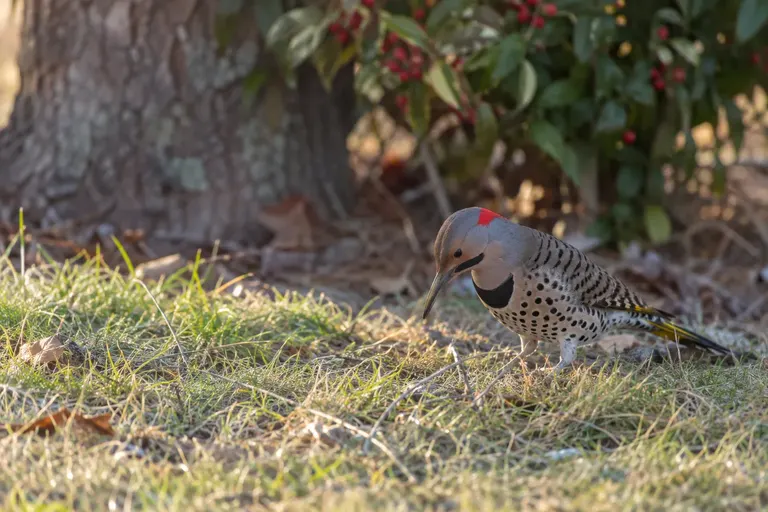
How to attract northern flickers: skip lawn insecticides so ants thrive, plant native berry shrubs, add a bird bath, and mount a wood-chip-filled nest box.
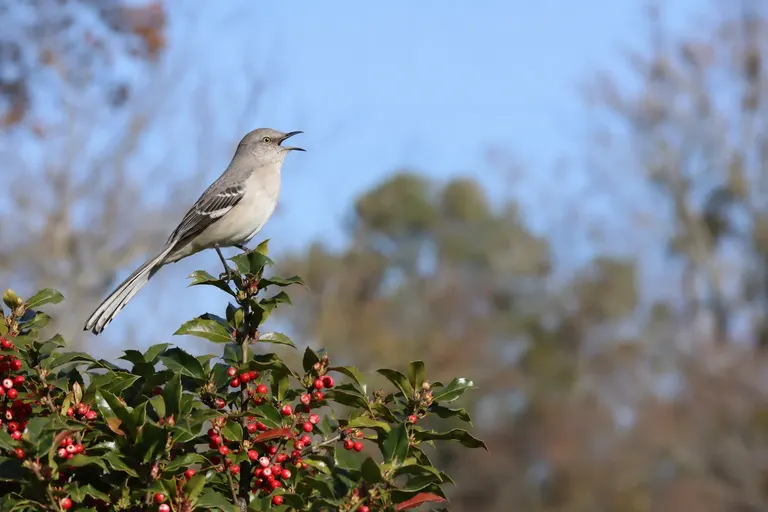
How to attract northern mockingbirds: plant native berry shrubs, keep open lawn nearby, add dense nesting cover, offer fruit or suet, and avoid pesticides.
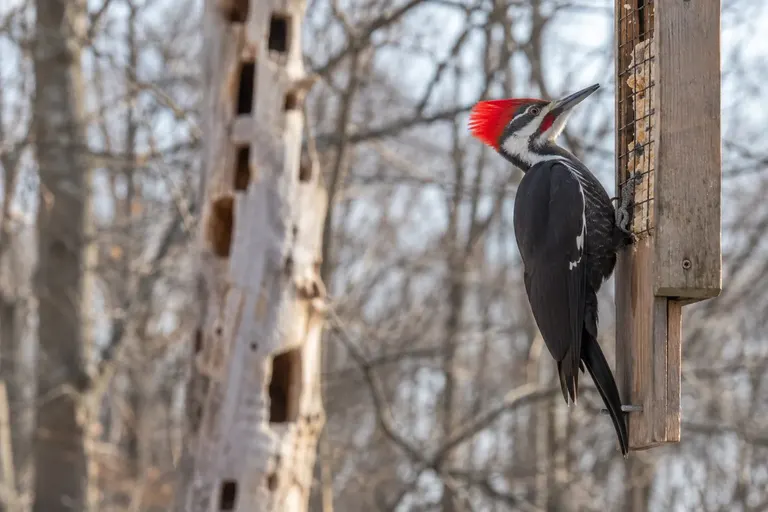
How to attract Pileated Woodpeckers: keep dead trees and logs, offer suet in a feeder with a tail prop, and live near mature woods. What works and what doesn't.
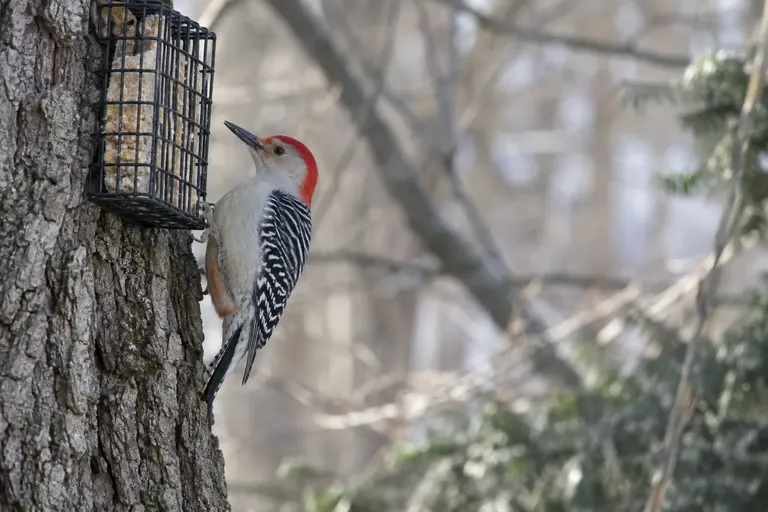
How to attract red-bellied woodpeckers: offer suet, peanuts, sunflower and fruit near large trees, keep dead limbs standing, and limit starlings near nests.
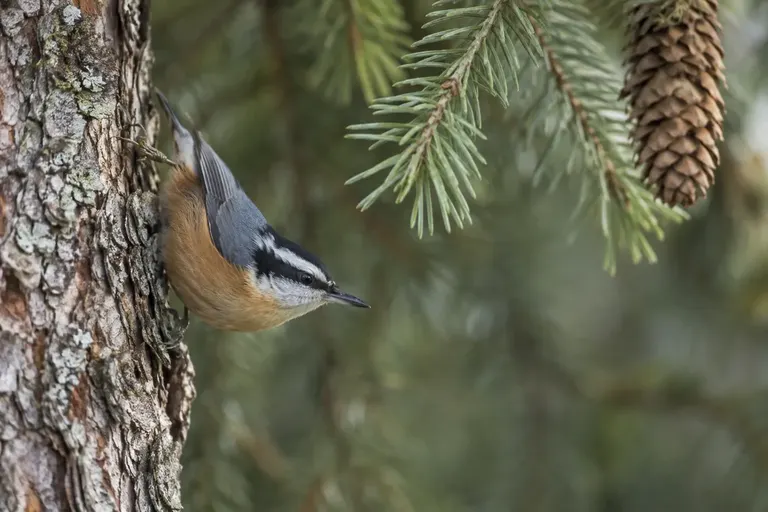
How to attract red-breasted nuthatches: offer peanuts, sunflower hearts and suet near conifers, and watch for irruption years when they move south in numbers.
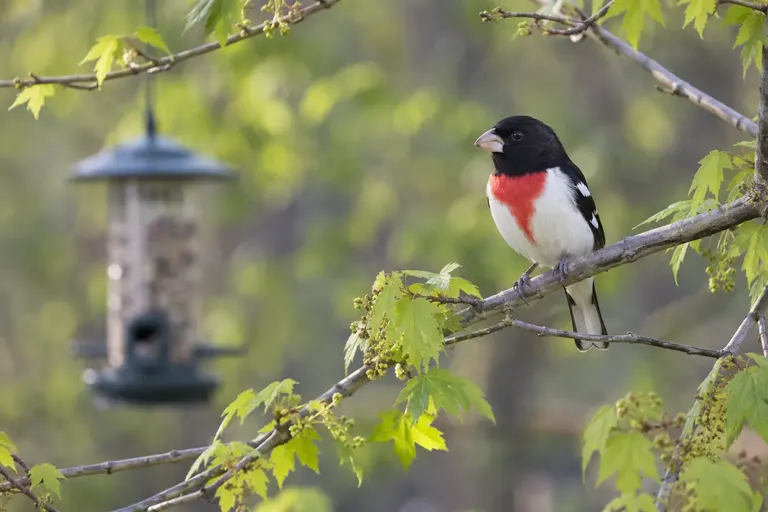
How to attract rose-breasted grosbeaks: black oil sunflower or safflower on a sturdy feeder by trees, set out before spring migration, plus native berry shrubs.
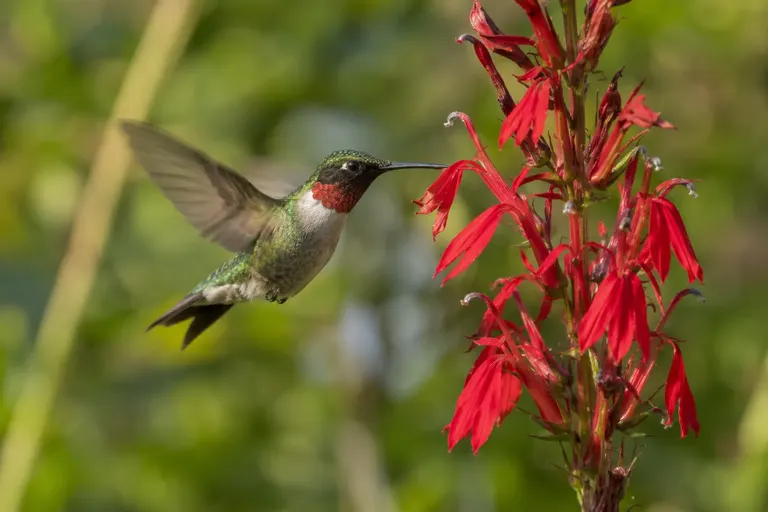
How to attract Ruby-throated Hummingbirds: hang a clean feeder with 1:4 sugar water a week before they arrive, plant red tubular natives and skip pesticides.
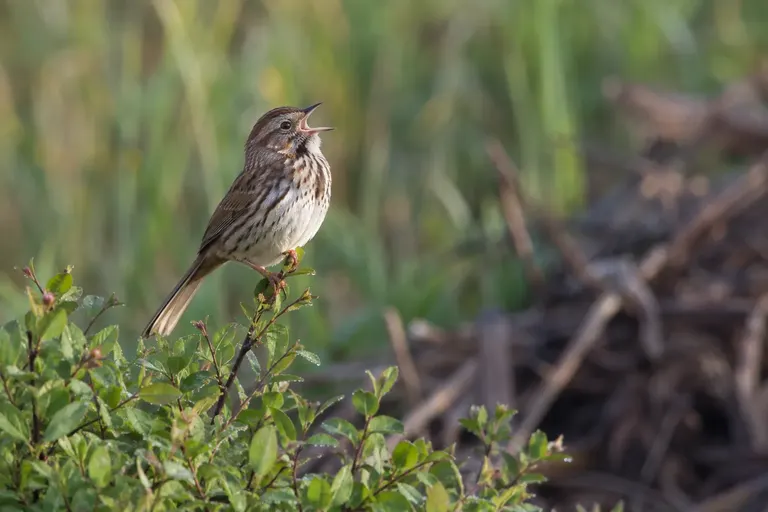
How to attract song sparrows: scatter millet and sunflower chips low near dense shrubs, add a brush pile and shallow water, and leave some brushy edges unmowed.
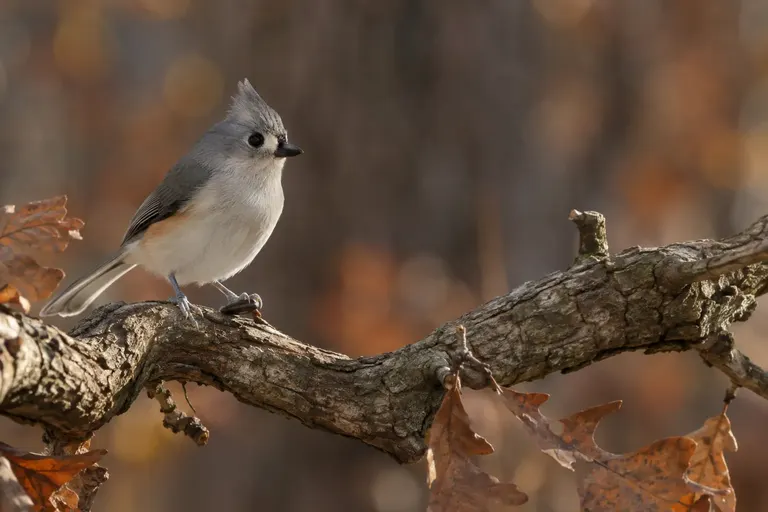
How to attract tufted titmice: offer black oil sunflower, peanuts and suet near mature trees, plant native oaks and put up a 1 1/4 inch hole nest box.
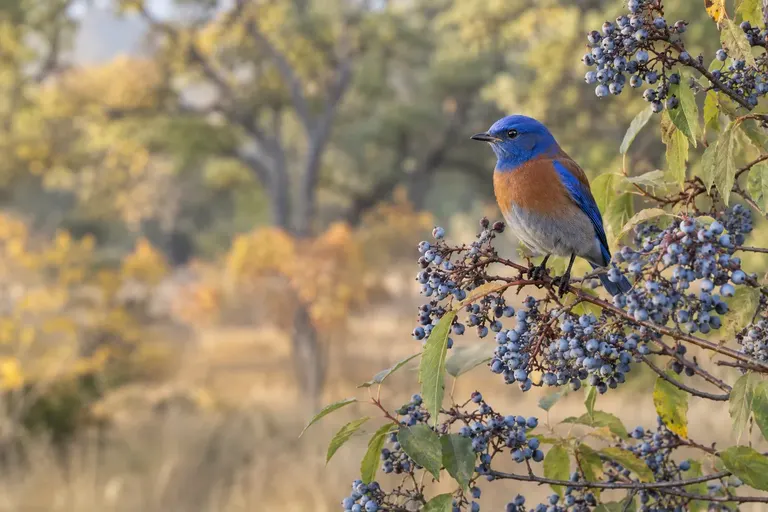
How to attract Western Bluebirds: mount a guarded nest box with a 1.5 to 1 9/16 in hole near open ground, offer mealworms and plant native berry shrubs.
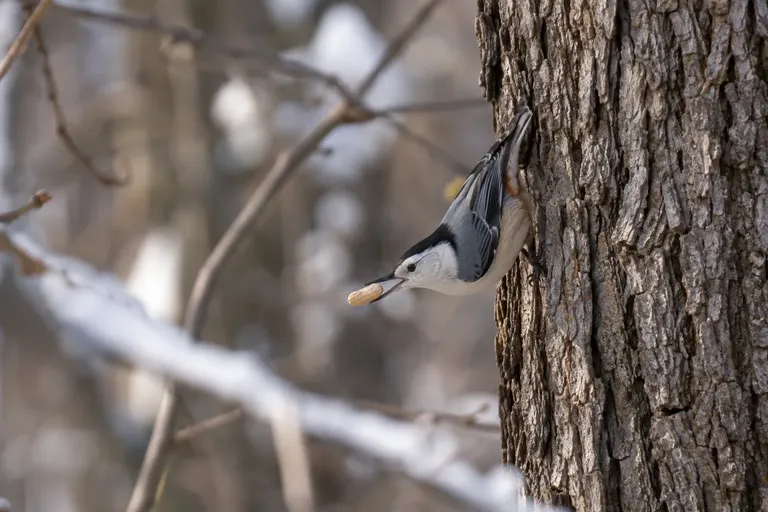
How to attract white-breasted nuthatches: offer sunflower, peanuts and suet near large trees, keep mature oaks and dead limbs, and try a 1 1/4 inch nest box.
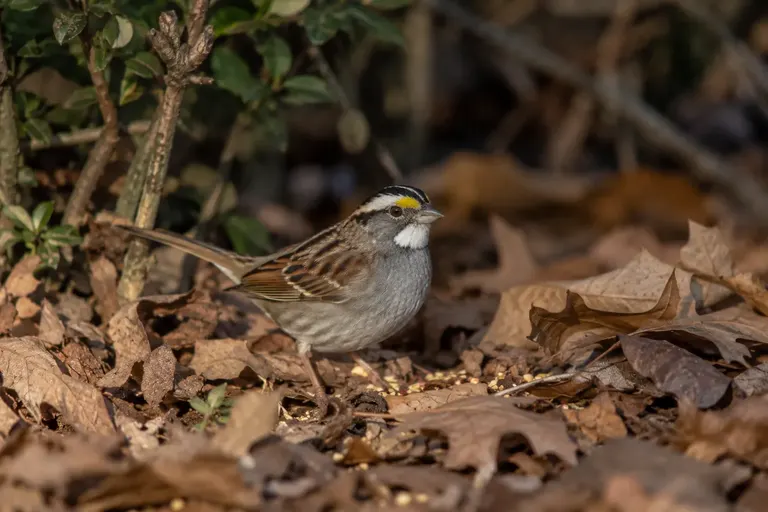
How to attract white-throated sparrows: scatter millet and sunflower on the ground near thickets, keep a brush pile and leaf litter, and offer water in winter.
To attract backyard birds reliably, plan for one species at a time, and this hub gives you species-by-species guides covering the food, feeders, plants, water and nest boxes each bird actually uses. Every guide includes an at-a-glance table, identification tips for males, females and young birds, and a seasonal calendar based on sources such as the Cornell Lab of Ornithology and Audubon. Start with the birds already in your region and season. A Northern Cardinal or Black-capped Chickadee may visit within days of putting out sunflower seed, while a Baltimore Oriole passes through only in spring and summer and needs fruit, jelly or nectar.
The decisions that matter most are food, cover and nesting. Food gets birds to stop by, but cover makes them stay: most songbirds want dense shrubs or trees within about 10 to 15 ft (3 to 4.5 m) of a feeder so they can escape hawks. Nesting is what turns visitors into residents. Cavity nesters such as bluebirds, wrens, chickadees and titmice will use nest boxes if the entrance hole is sized for them, while cardinals, robins and mockingbirds nest in shrubs and need thick native plantings instead. Ground feeders such as juncos, doves and sparrows prefer seed scattered on a low platform or clear patch of ground.
Common mistakes: expecting a bird outside its range or season, offering the wrong food for its bill (orioles rarely eat seed), and putting up a nest box with an oversized hole that invites house sparrows. Check a range map first, then read the guide for your target species and the food and nest box guides it links to. Patience matters too: many species take a full season to find and trust a new yard.