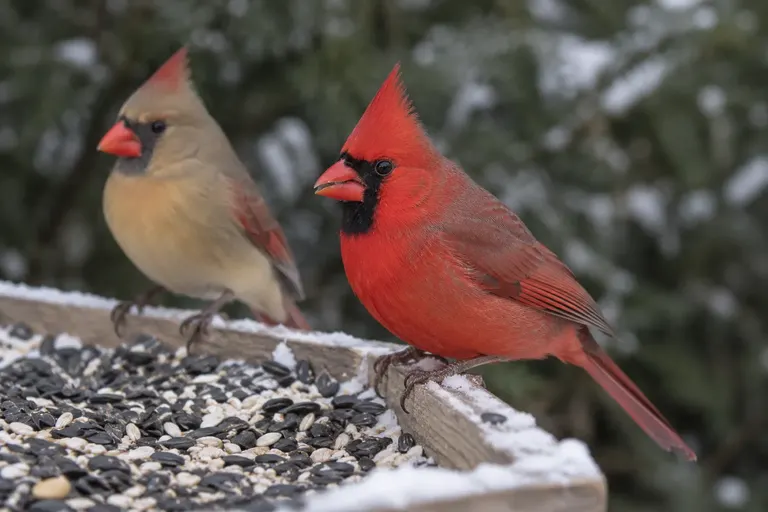
Best Bird Seed for Cardinals
The best bird seed for cardinals is black oil sunflower or a sunflower and safflower blend. Here is which bag to buy for squirrels, grackles, mess or budget.

Sunflower, nyjer, suet and nectar. What each bird eats and what to skip.
The best bird seed for cardinals is black oil sunflower or a sunflower and safflower blend. Here is which bag to buy for squirrels, grackles, mess or budget.
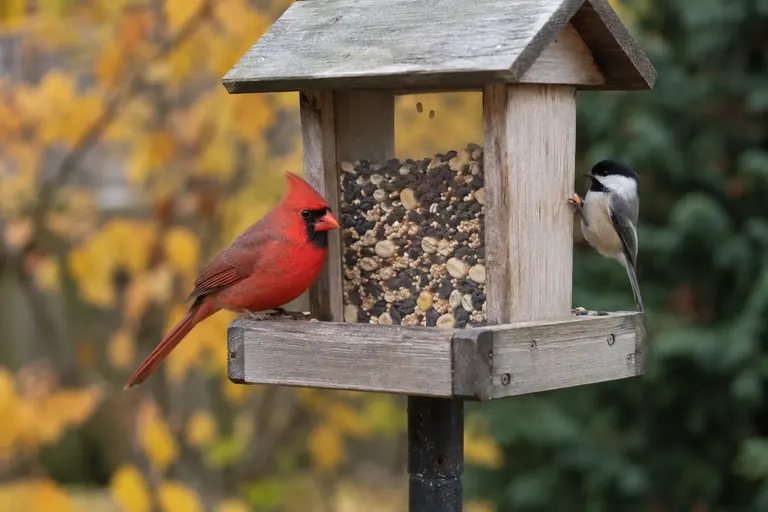
The best bird seed for most yards is a sunflower-based mix with no milo or filler. Our research picks, from Lyric Supreme to Cole's Special Feeder, compared.
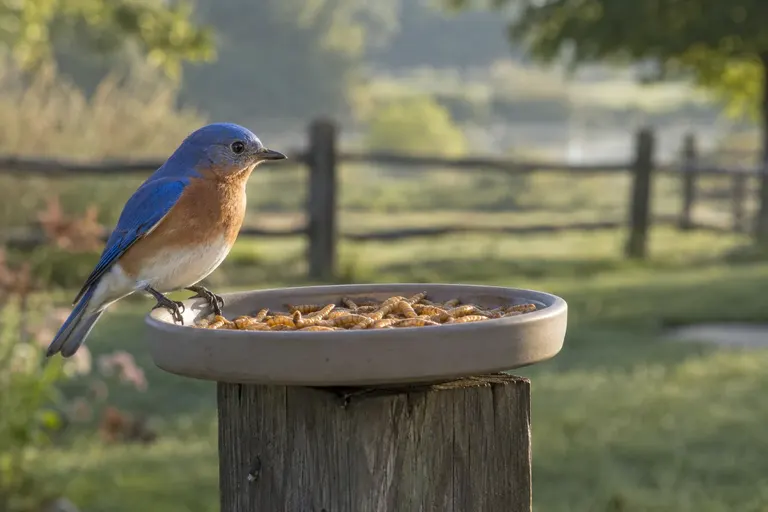
The best dried mealworms for birds, compared on size, sourcing and waste. Kaytee is the easy start, a 5 lb bag suits regulars, and live worms win at nesting.
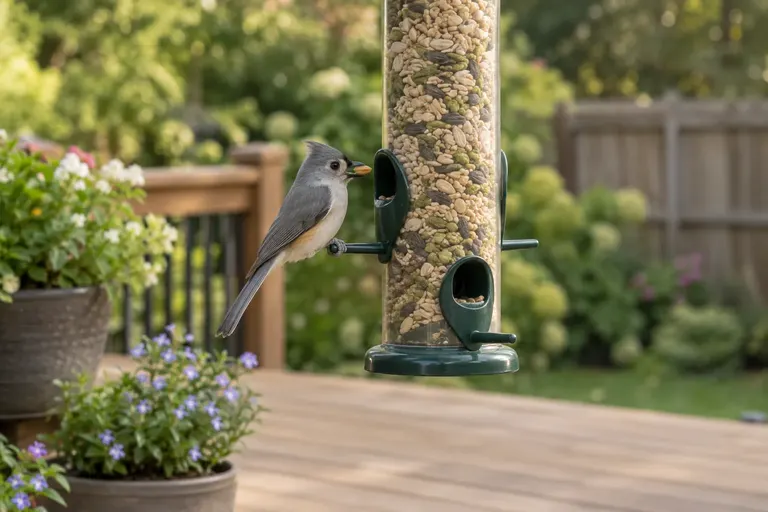
The best no mess bird seed is 100% shelled: no hulls, no sprouts. Lyric Delite leads our research picks, with Wild Delight and hulled sunflower close behind.
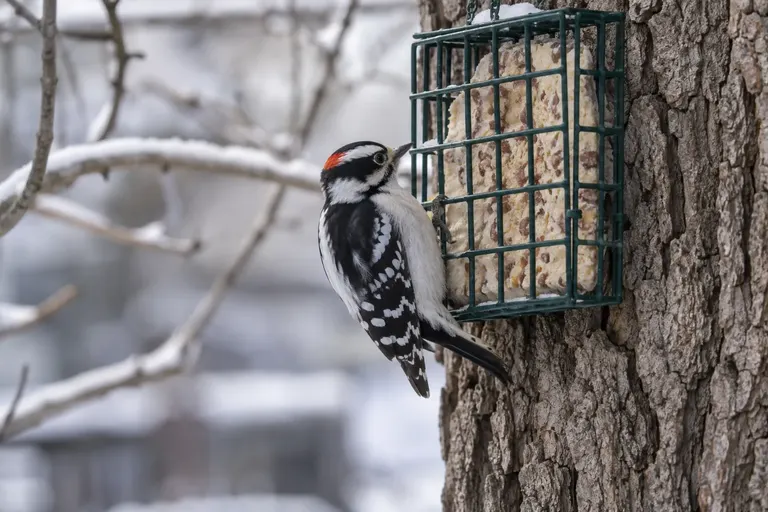
The best suet for birds is rendered suet packed with nuts, not cheap corn filler. Lyric Delite leads our research picks, with no-melt Cole's cakes for summer.
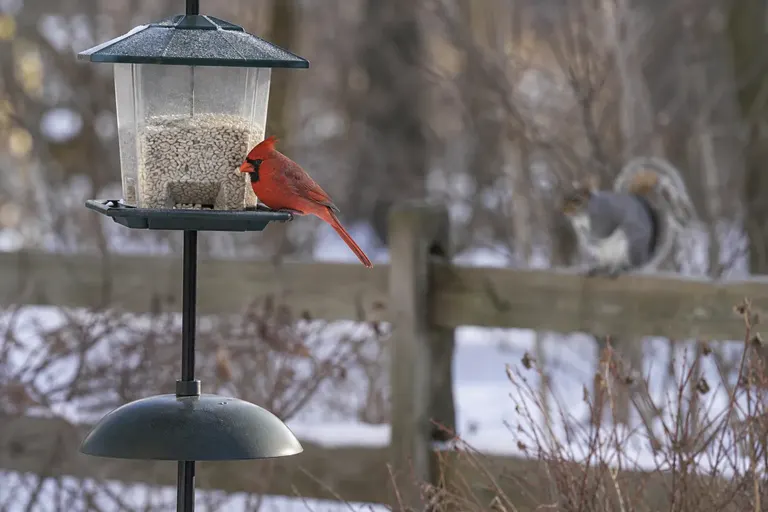
Bird food squirrels won't eat starts with hot pepper seed. Safflower and nyjer help, and nothing is fully squirrel-proof. What works, what fails, and why.
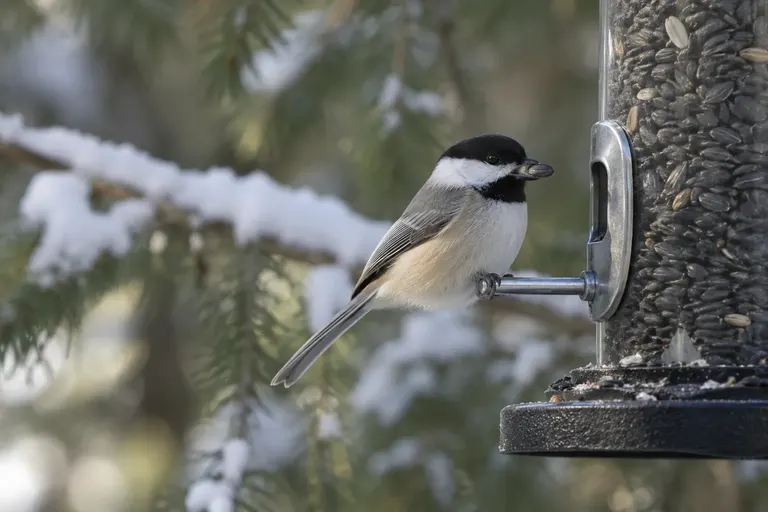
Black oil sunflower seed is the one food to start with: thin shells, high oil, and eaten by more feeder birds than any other seed. Here is how to use it well.
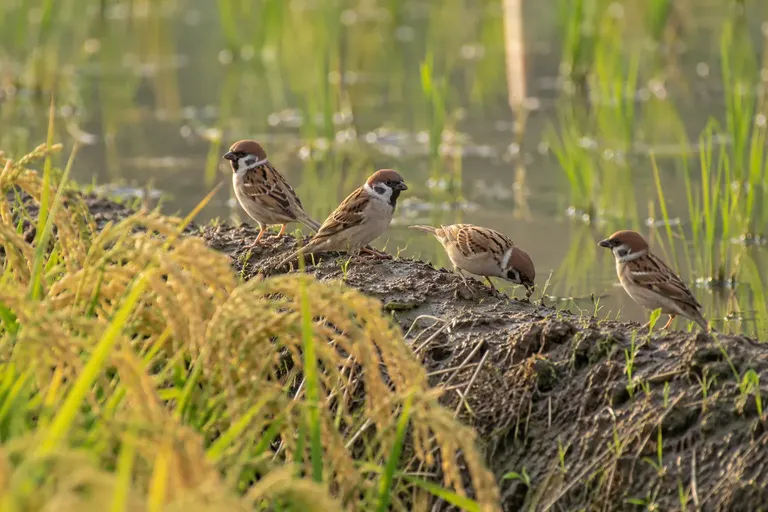
Can birds eat rice? Yes. Uncooked rice does not make birds explode, and plain cooked rice is safe in small amounts. The myths, the facts and better foods.
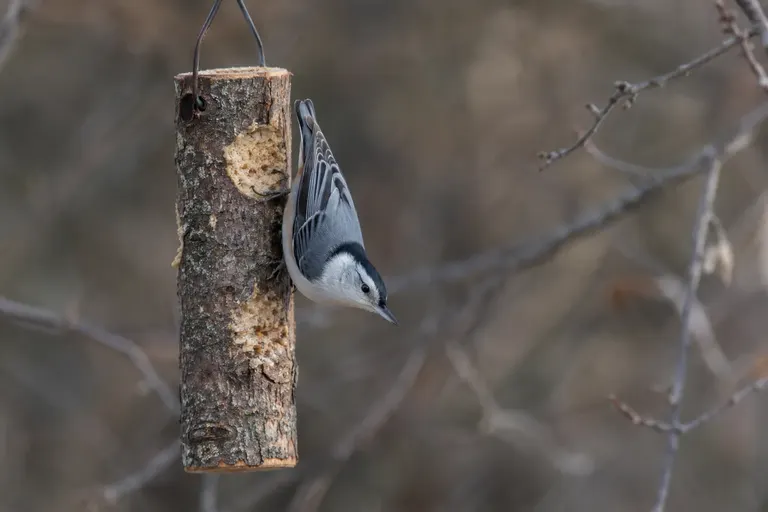
Can you feed birds peanut butter? Yes. Plain, unsalted, xylitol-free peanut butter is a safe, high-fat treat, best mixed with cornmeal or oats and kept fresh.
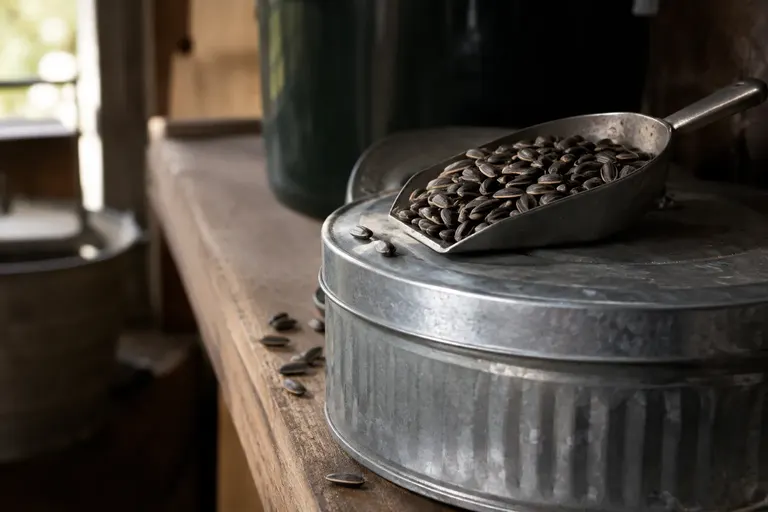
Does bird seed go bad? Yes. Oily seed turns rancid, damp seed molds and pantry pests move in. Most seed keeps roughly 6 to 12 months if stored cool and dry.
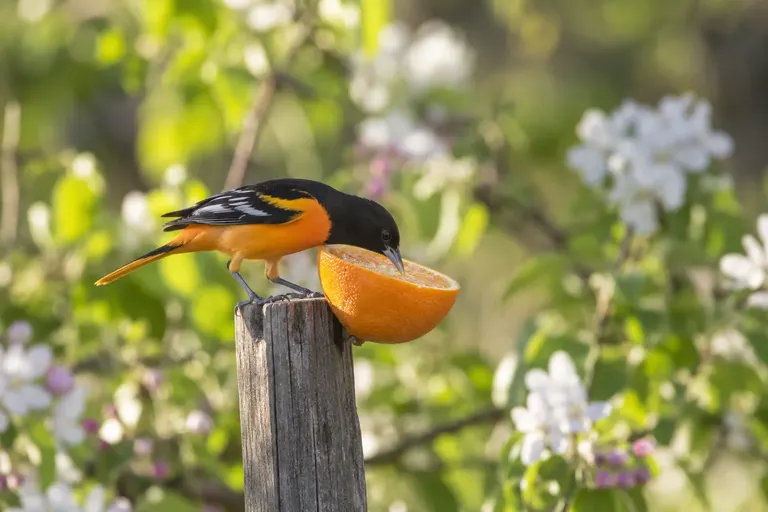
Fruit for birds: oranges and jelly for orioles in spring, apples and raisins for thrushes in winter, banana and papaya in the tropics, and how to serve it.
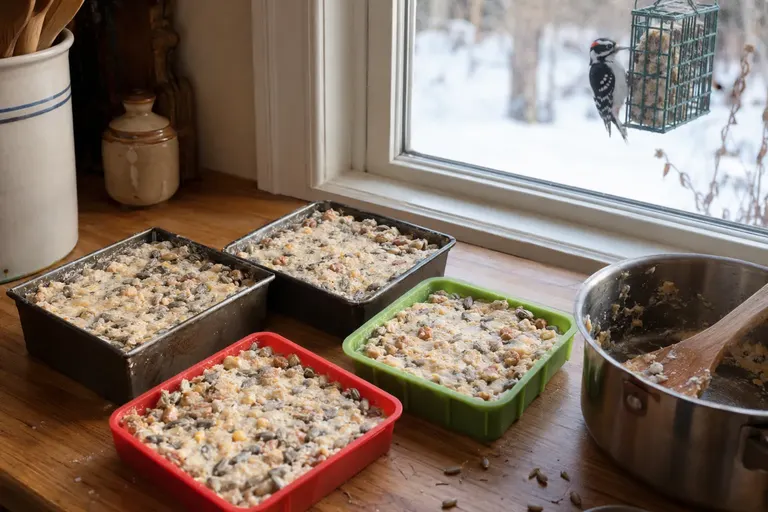
How to make homemade suet: render beef fat, mix it with oats, cornmeal and seeds, and set it in molds. Three safe recipes, plus which fats and add-ins to avoid.
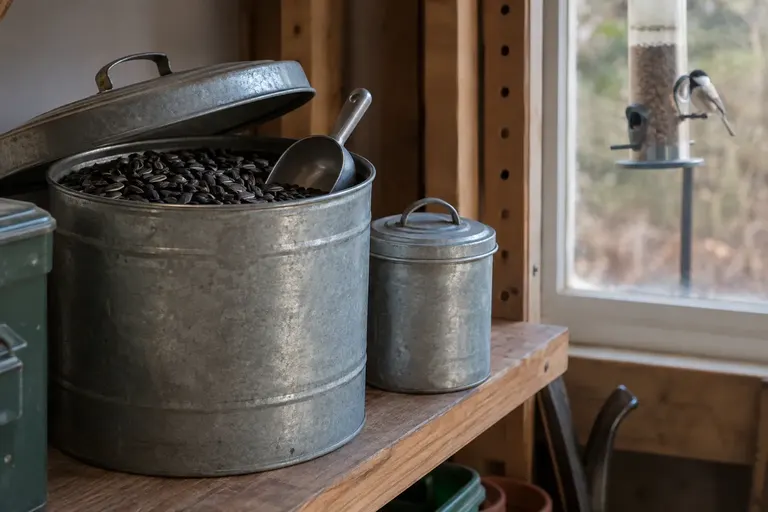
How to store bird seed: a lidded metal can in a cool, dry, shaded spot, bought in amounts you use within weeks. Stop mold, moths, mice and rancid seed.
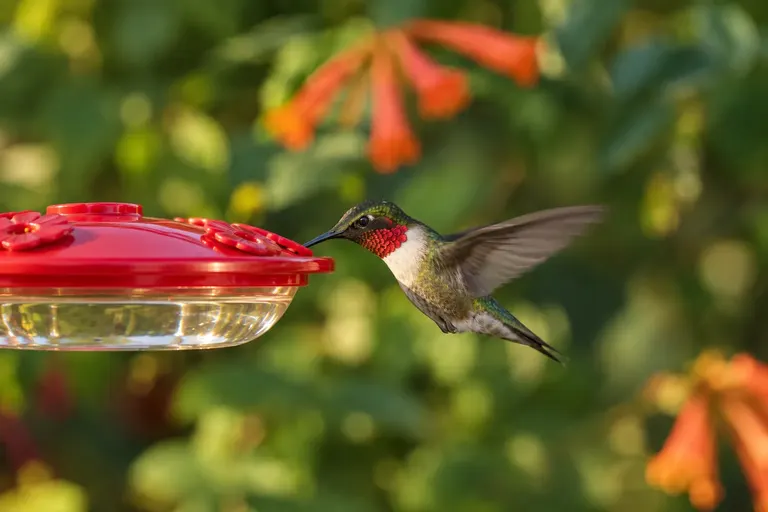
The hummingbird nectar recipe experts agree on: 1 part plain white sugar to 4 parts water, no red dye, no honey. Ratios, storage and how often to change it.
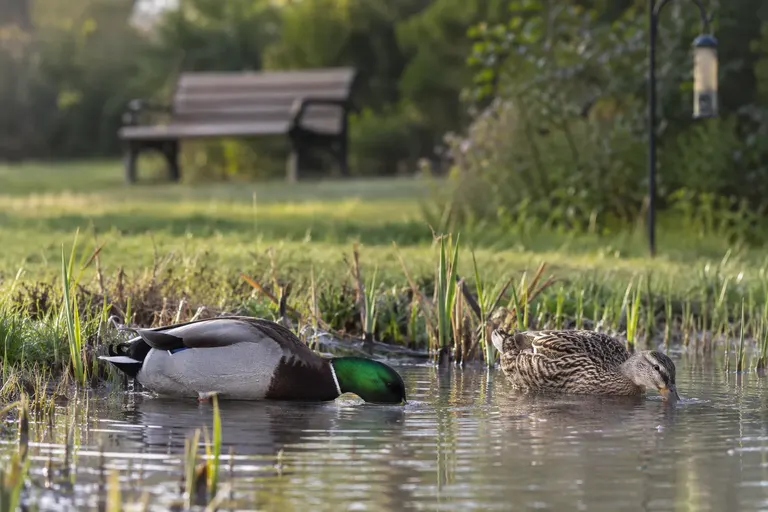
Is bread bad for birds? It is not poison, but it is empty food that crowds out fat and protein, molds fast and harms ducks. What to feed birds instead.
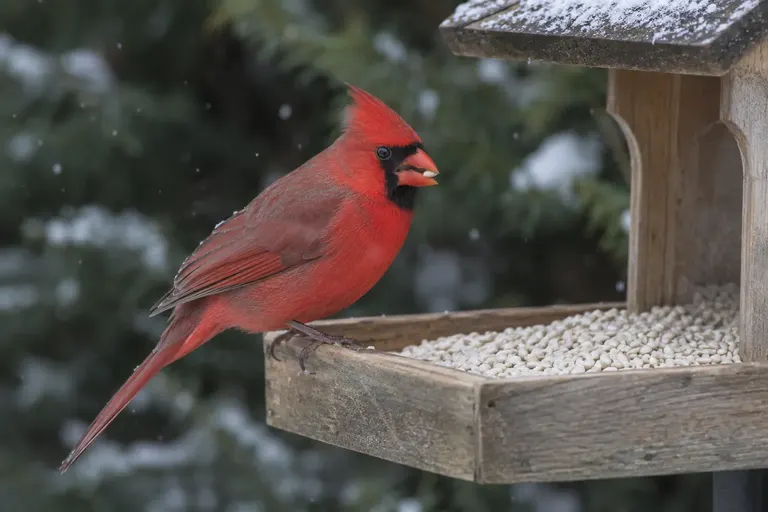
Safflower seed for birds is a cardinal favorite that many squirrels, grackles and starlings ignore. Which birds eat it, how to switch, and where it falls short.
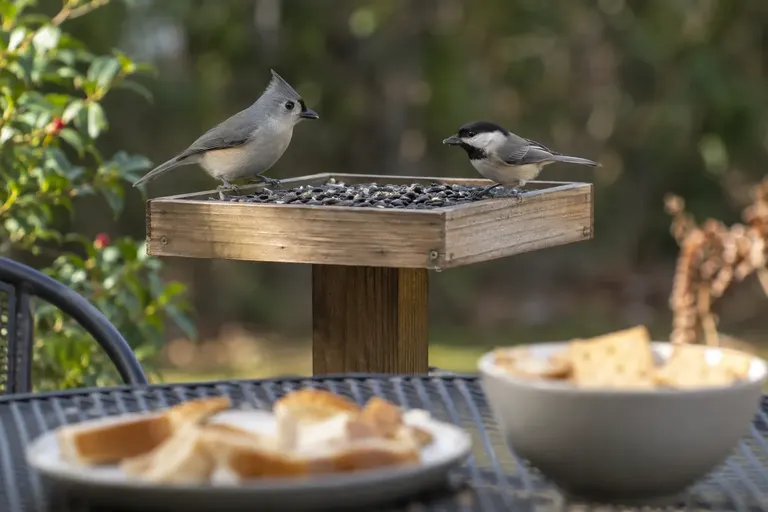
What not to feed birds: bread, salty snacks, milk, cooking fat, avocado, chocolate, honey or dyed nectar, and anything moldy. What to offer instead, and why.
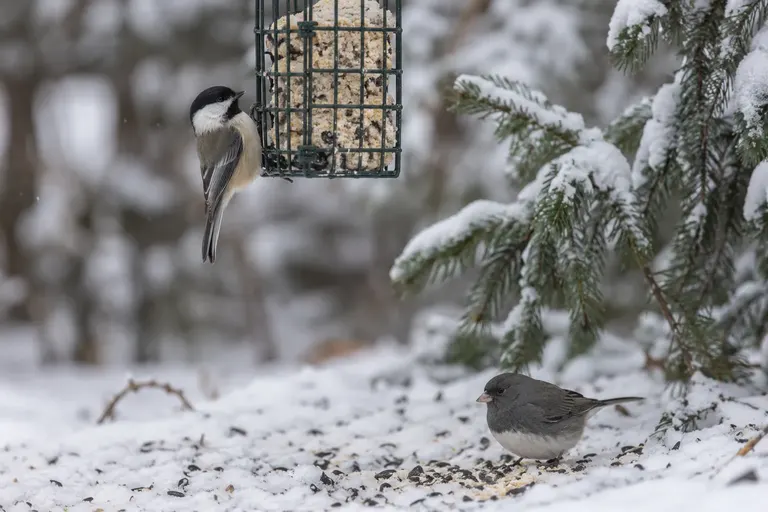
What to feed birds in winter: high-fat black oil sunflower, suet, peanuts and nyjer, millet for ground feeders, fruit for thrushes, plus a source of open water.
Good bird food is the fastest way to change which birds visit your yard, and this hub explains what each seed and feed attracts, what to avoid and how to keep it fresh. If you buy only one thing, make it black oil sunflower seed. Its thin shell and high fat content suit more feeder species than any other single food, from chickadees and titmice to cardinals and finches. Add foods one at a time so you can see what each brings: suet for woodpeckers and nuthatches, nyjer for goldfinches, safflower for cardinals when grackles or squirrels are a problem, and mealworms for bluebirds and wrens.
The decisions that matter most are mix quality and season. Read the ingredient list on any blend. Cheap mixes are often padded with red milo, wheat and cracked corn, which many feeder birds kick to the ground, where it attracts rodents and house sparrows. Hulled sunflower or no-mess blends cost more per bag but leave little waste. In winter, lean on high-fat foods such as suet and sunflower. In warm weather, choose no-melt suet and put out smaller amounts so food does not spoil. For hummingbirds, mix one part white table sugar to four parts water and skip red dye.
Common mistakes: offering bread, which fills birds up with little nutrition, storing seed in a damp garage where it molds, and leaving wet seed sitting in a tray for days. Store seed in a sealed metal or heavy plastic container somewhere cool and dry, and toss anything clumped, musty or moldy. Start with the black oil sunflower guide, then read what not to feed, and add one new food at a time so you can see which birds each one brings in.