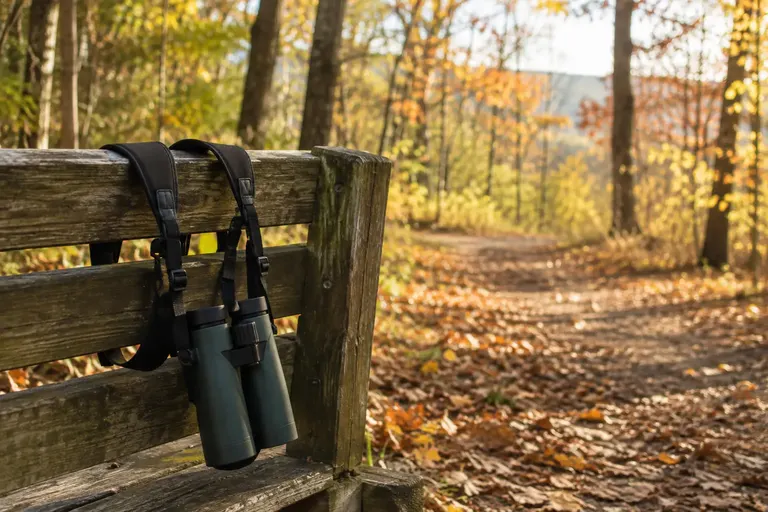
Best Binocular Harnesses and Straps
The best binocular harness for most birders is the Vortex Binocular Harness Strap. We compare OP/TECH, Crooked Horn, Swarovski, GlassPak and neoprene straps.

8x42 or 10x42, for glasses, under a budget: clear picks and plain explanations of the numbers.
The best binocular harness for most birders is the Vortex Binocular Harness Strap. We compare OP/TECH, Crooked Horn, Swarovski, GlassPak and neoprene straps.
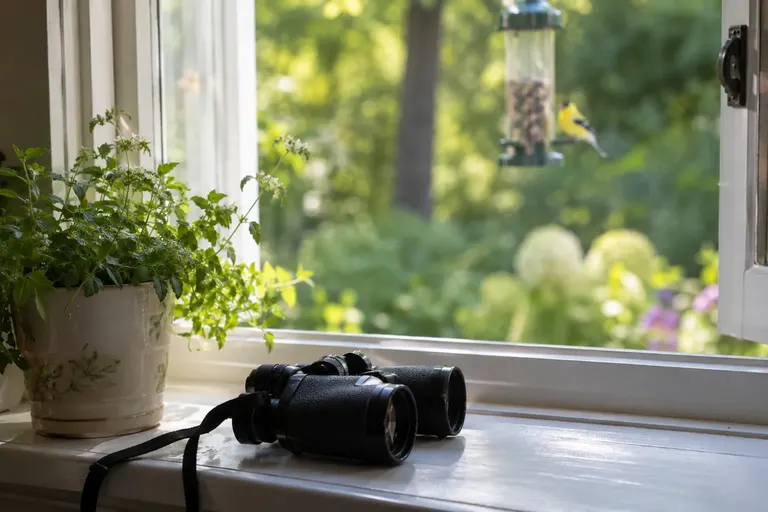
The best binoculars for backyard bird watching from a window: the Vortex Diamondback HD 8x42 focuses to 5 ft. Close-focus, budget and stabilized picks compared.
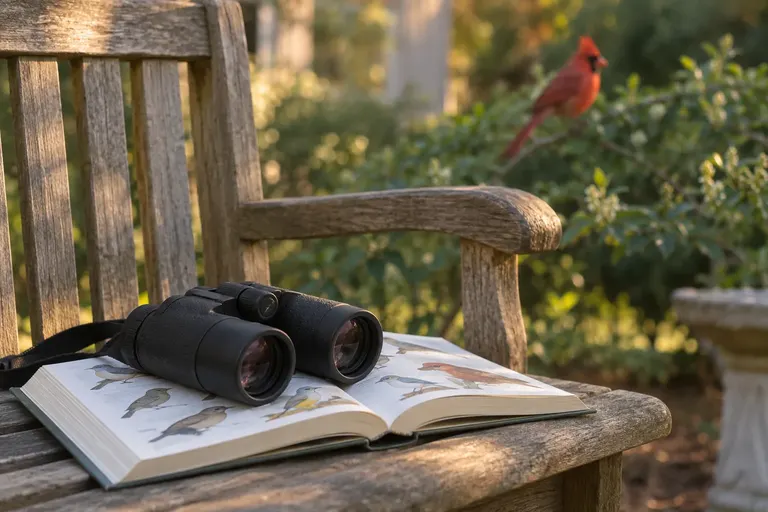
The best binoculars for beginners birding, chosen on verified specs. The Celestron Nature DX 8x42 is our top pick: waterproof, close focusing and easy to use.
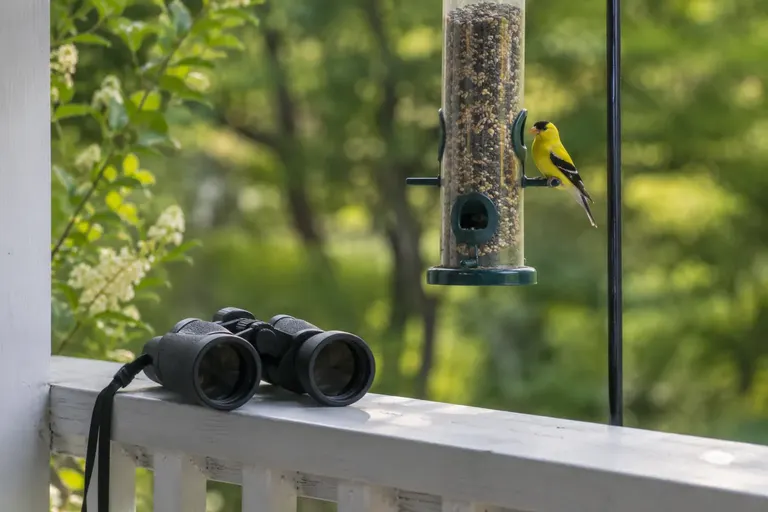
The best birding binoculars under $200, compared on verified specs. The Celestron Nature DX 8x42 is our top pick, with Nikon's Prostaff P7 close behind.
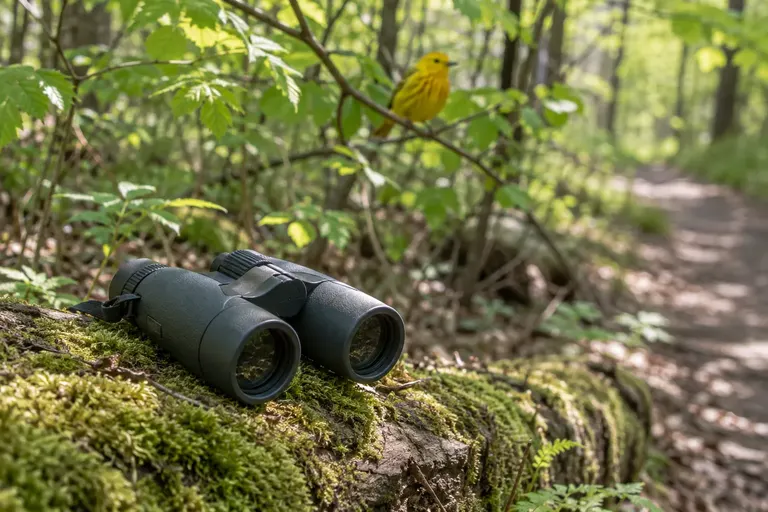
The best birding binoculars under $500, compared on verified specs. The Nikon Monarch M7 8x42 leads for its wide view; the Monarch M5 is the value pick.
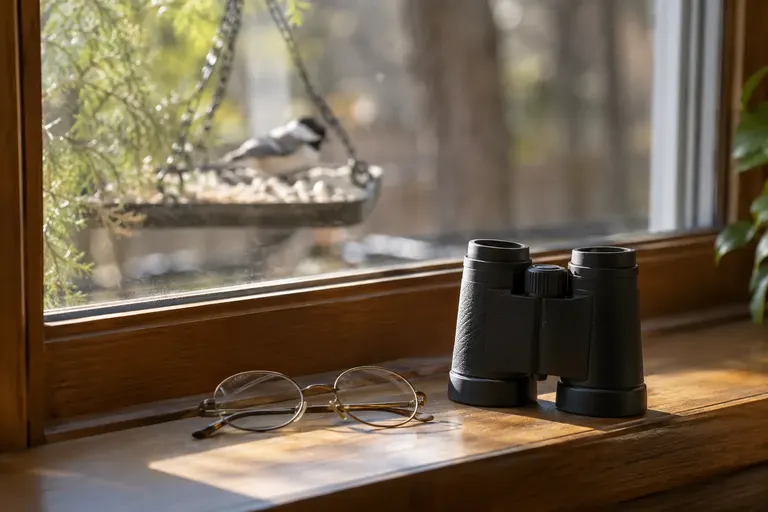
The best binoculars for eyeglass wearers, ranked on verified eye relief. The Nikon Monarch M5 8x42 leads with 19.5 mm eye relief, ED glass and a light body.
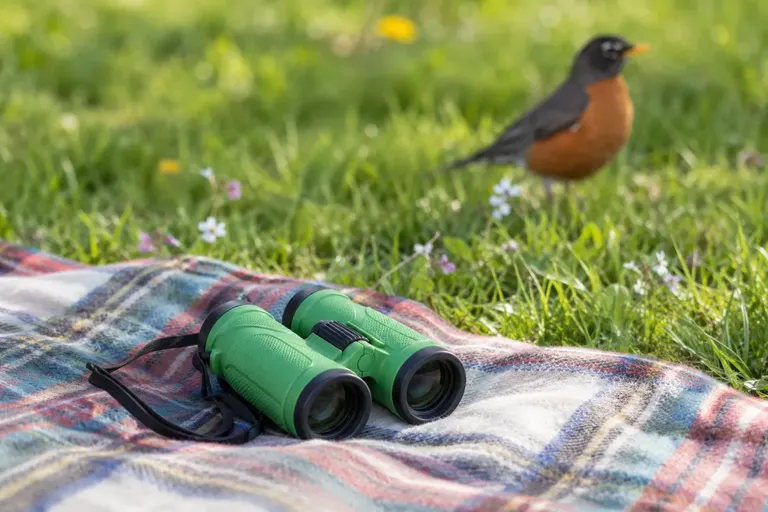
The best binoculars for kids birding: the Vortex Bantam HD 6.5x32 fits small faces with a 51 mm minimum IPD. Picks for preschoolers, tweens and teens compared.
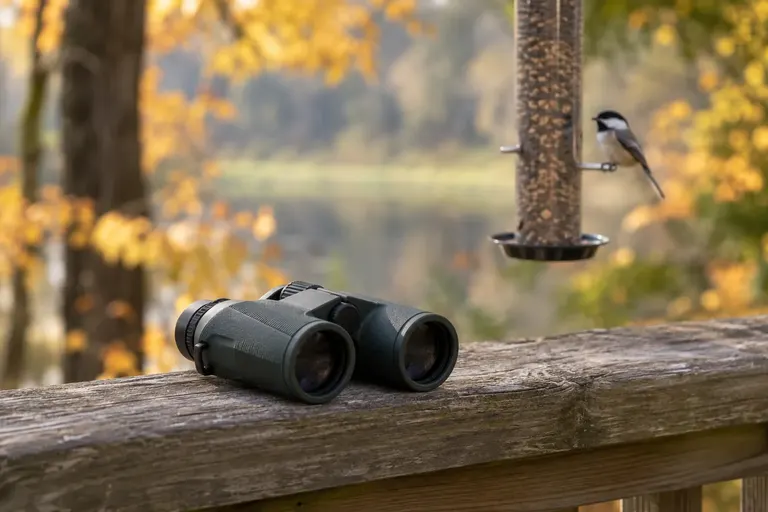
The best compact binoculars for birding in 2026: the Nikon Monarch M7 8x30 leads on view and weight, with Vortex, Zeiss, Swarovski and budget picks compared.
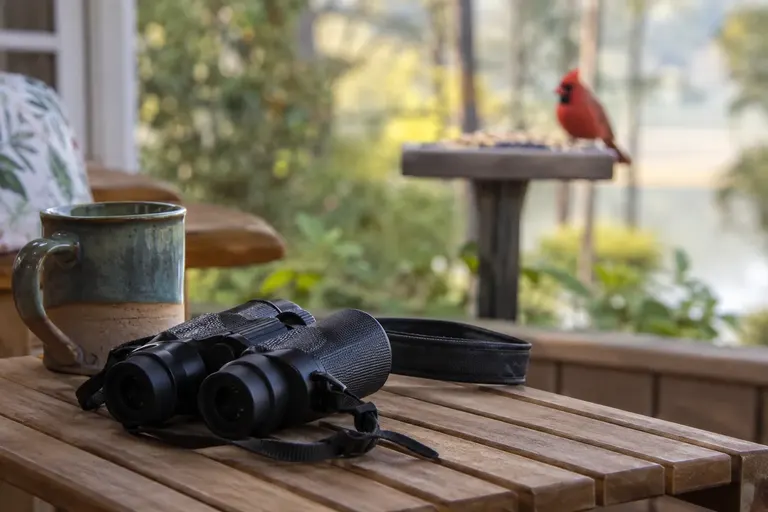
The best lightweight binoculars for seniors: the 15.9 oz Nikon Monarch HG 8x30 leads, with stabilized, glasses-friendly and budget picks under 19 oz compared.
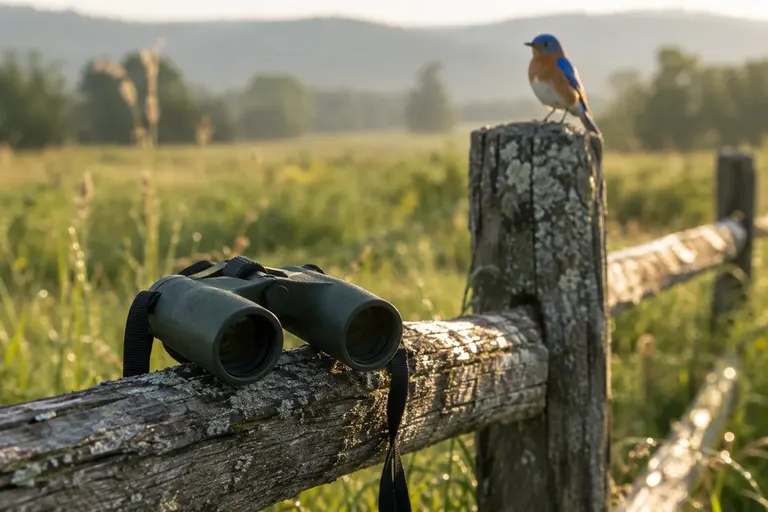
The best binoculars for birding in 2026, from budget to premium. Our research pick is the Nikon Monarch M7 8x42 for its wide view, ED glass and easy handling.
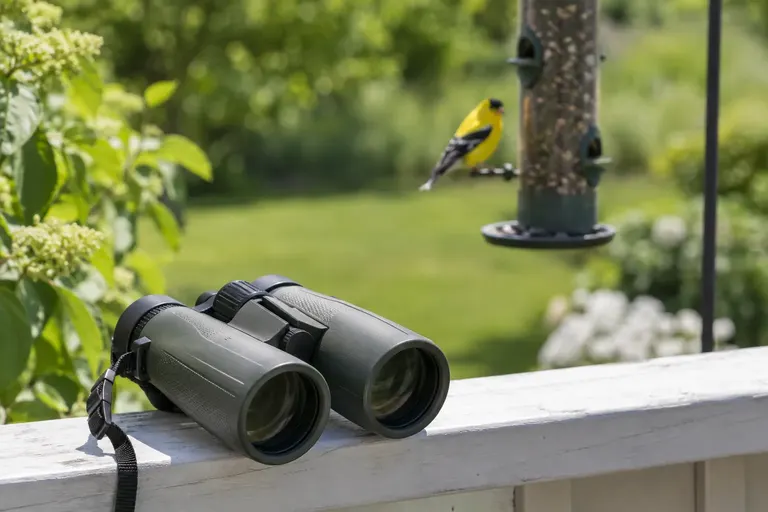
Celestron Nature DX 8x42 review: a wide 388 ft view, 6.5 ft close focus and full waterproofing make it a solid budget birding binocular for daylight use.
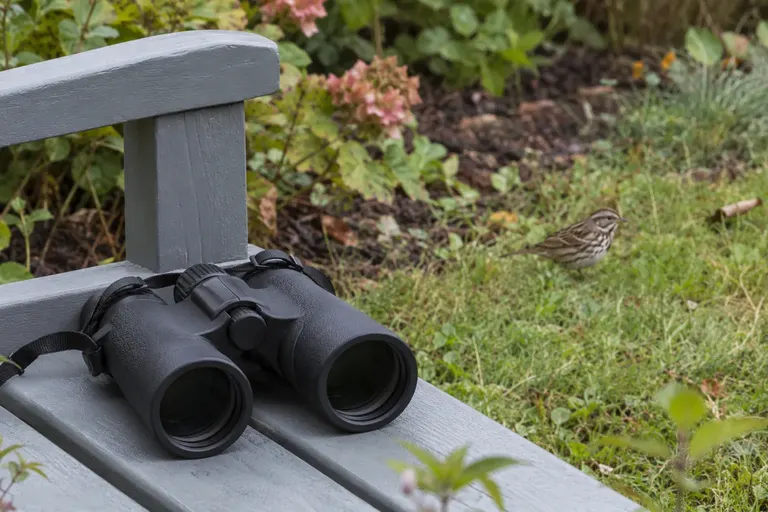
Nikon Monarch M5 8x42 review: ED glass and 19.5 mm eye relief make it a sharp, glasses-friendly birding binocular, but its 335 ft field of view is narrow.
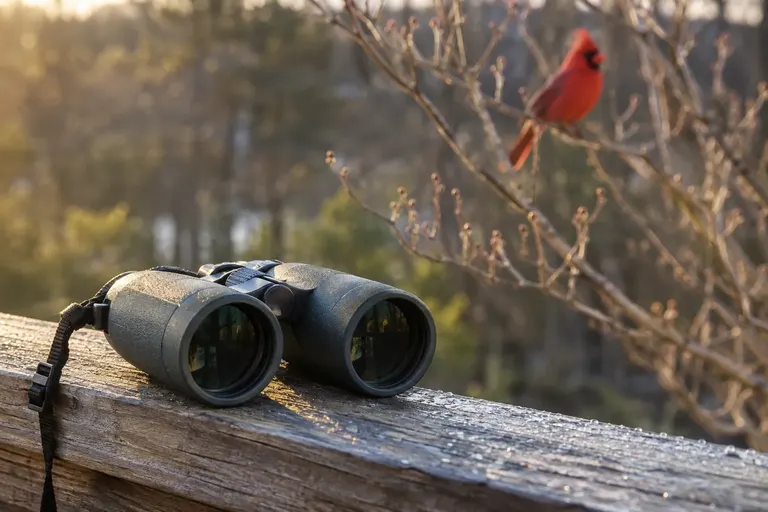
Vortex Diamondback HD 8x42 review: a wide 393 ft field, 5 ft close focus and an unconditional warranty make it a strong mid-price birding binocular.
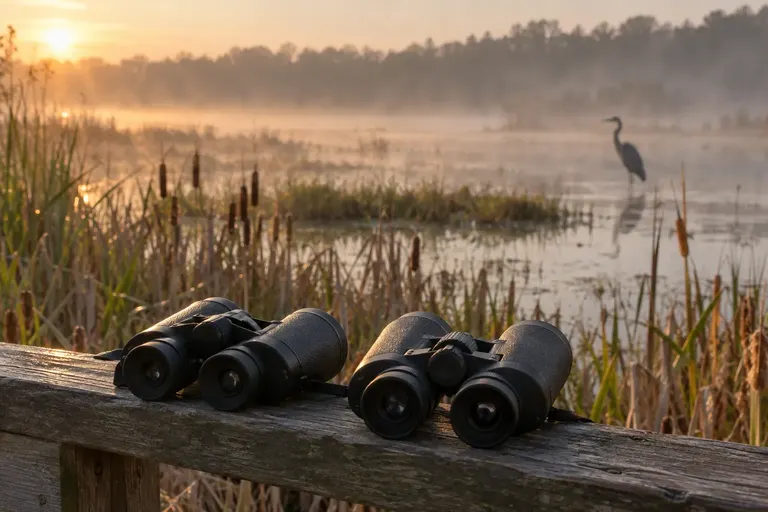
8x42 vs 10x42 for birding: 8x42 is better for most birders, with a wider, brighter, steadier view. Here is when 10x42 is worth it, with real spec comparisons.
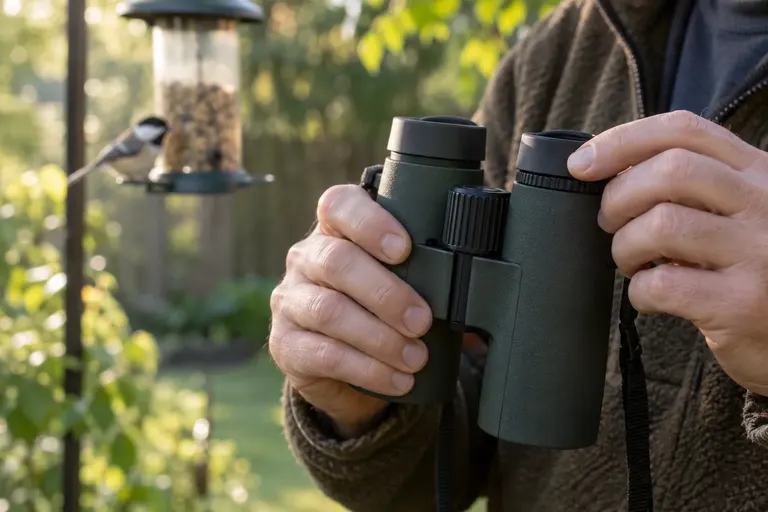
How to adjust binoculars diopter, eyecups and focus in five minutes: set eyecups, close the barrels to one circle, focus the left side, then tune the right.
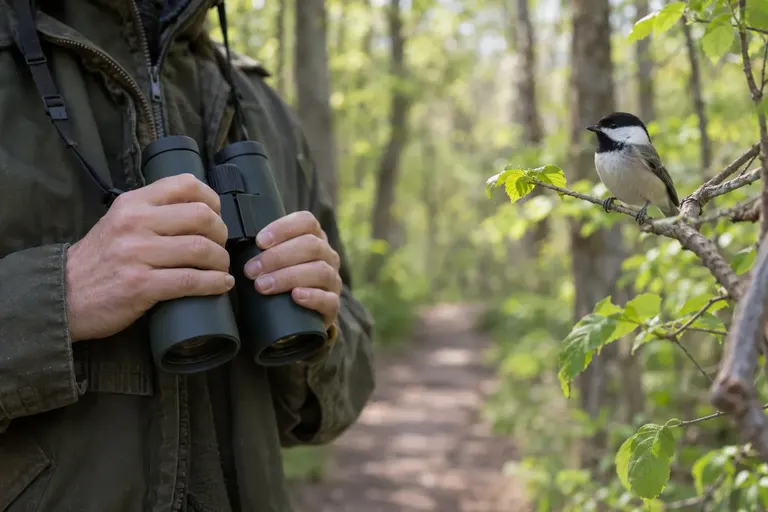
How to choose binoculars for birding: start with 8x42, check five specs, and pay for glass and warranty, not hype. A step-by-step guide to spending wisely.
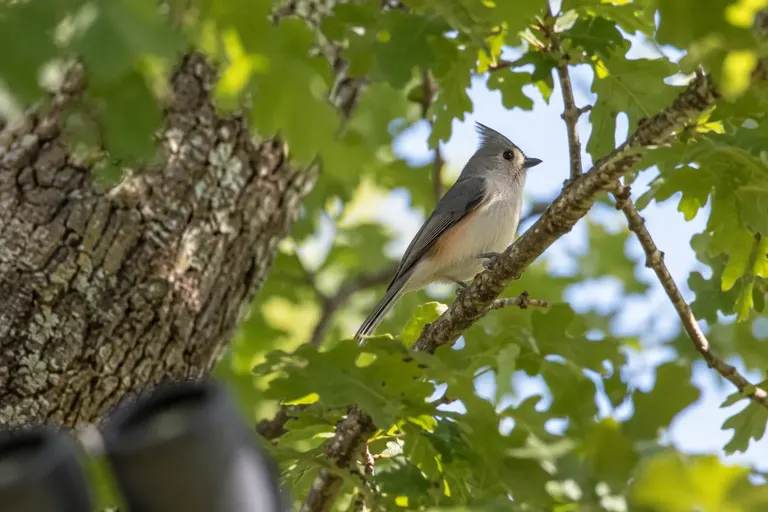
How to find birds with binoculars fast: lock your eyes on the bird, raise the binoculars without looking away, use landmarks, and pick a wide field of view.
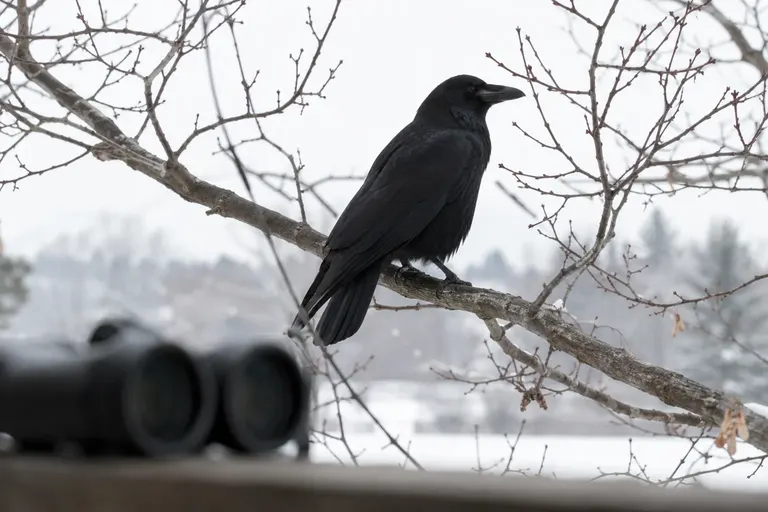
Are ED glass binoculars worth it? Usually yes at 10x, for birds against bright sky and in mid-priced pairs, but ED labels vary and coatings matter as much.
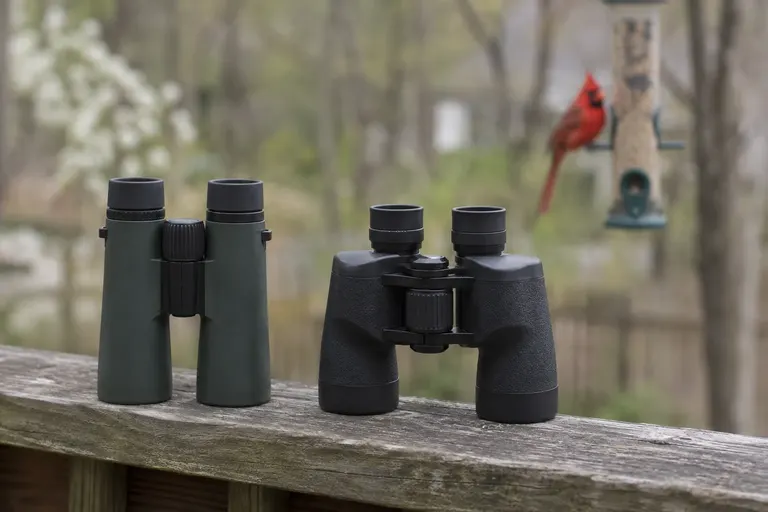
Roof prism vs porro prism binoculars: porros give more depth and value per dollar, but a phase-coated, waterproof roof prism suits most backyard birders best.
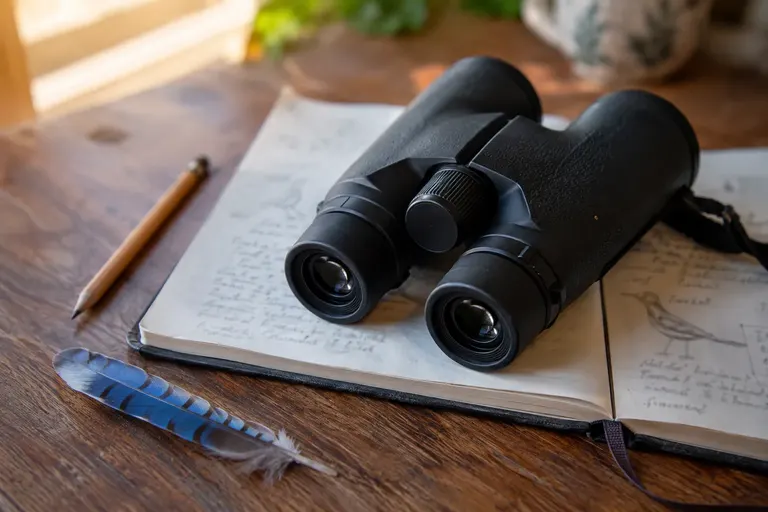
What do binocular numbers mean? In 8x42, 8x is magnification and 42 is lens size in mm. Plus field of view, exit pupil, eye relief and close focus, explained.
Choosing binoculars for bird watching comes down to three decisions, and this hub walks you through each one using published specs, manufacturer data and patterns in owner reviews. First, pick the configuration. For most backyard and park birding, 8x42 is the safest default: a wider field of view makes it easier to find a moving warbler, and a steadier image hides hand shake. Choose 10x42 only if you mostly watch open water, fields or hawks at a distance. Second, check the fit before the glass. If you wear eyeglasses, look for about 15 mm or more of eye relief and twist-up eyecups, or you will see a shrunken ring of view. If the pair will hang around your neck for hours, weight matters more than a small bump in brightness; anything near 20 oz (570 g) or less is comfortable for most people.
Third, decide how much optical quality you actually need. Waterproofing, fog proofing and fully multi-coated lenses are standard even in modest pairs today. ED (extra-low dispersion) glass cuts the color fringing you notice on a dark bird against a bright sky, and it is the upgrade most worth paying for once the basics are covered. Close focus is the spec backyard birders overlook: a pair that focuses down to about 6 ft (2 m) lets you study a chickadee on the feeder outside the window.
Common mistakes: buying 12x or higher magnification because bigger sounds better, choosing compact 8x25 pairs as your only binoculars when you bird at dawn and dusk, and never setting the diopter, which makes even good glass look soft. If you are new, read the number explainer and the how-to-choose guide first, then use the roundups to shortlist.