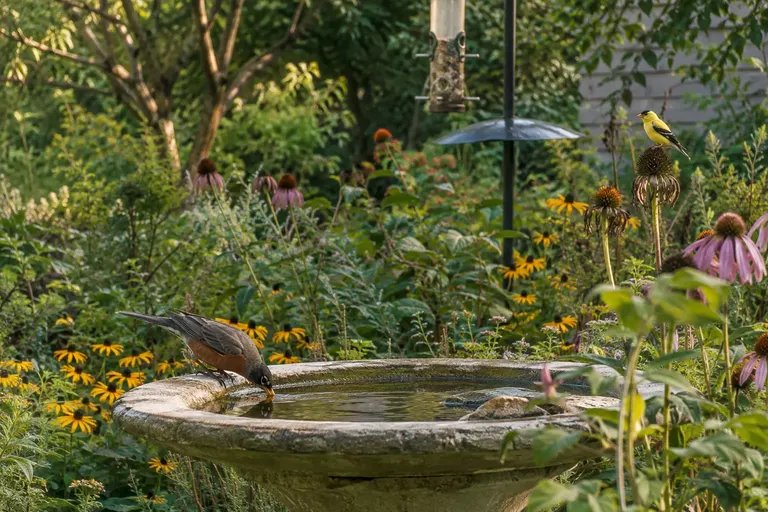
Backyard Birding: Turn Your Yard Into a Bird Magnet
Backyard birding made simple: offer food, water, cover and nest sites, plant natives, keep feeders clean and windows safe. Here is how to draw more species.

Feeder placement, cleaning, squirrels, window strikes and the problems every backyard birder meets.
Backyard birding made simple: offer food, water, cover and nest sites, plant natives, keep feeders clean and windows safe. Here is how to draw more species.
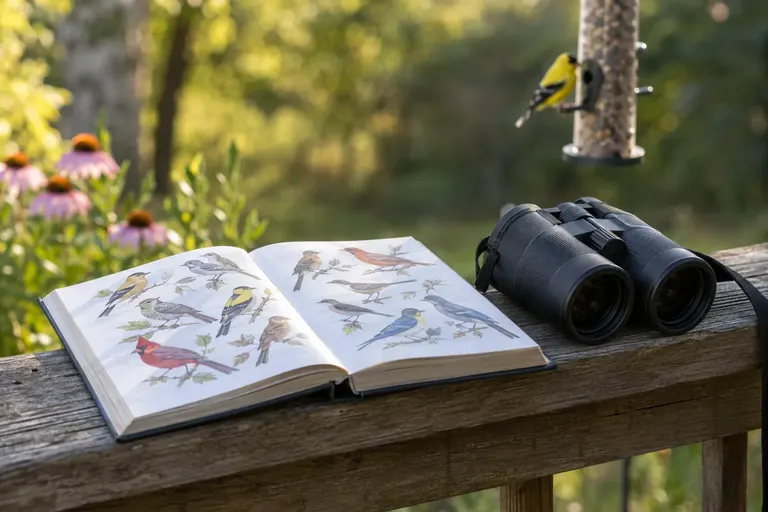
The best bird field guide for most birders is The Sibley Guide to Birds, Second Edition. See how Peterson, National Geographic, Kaufman and Crossley compare.
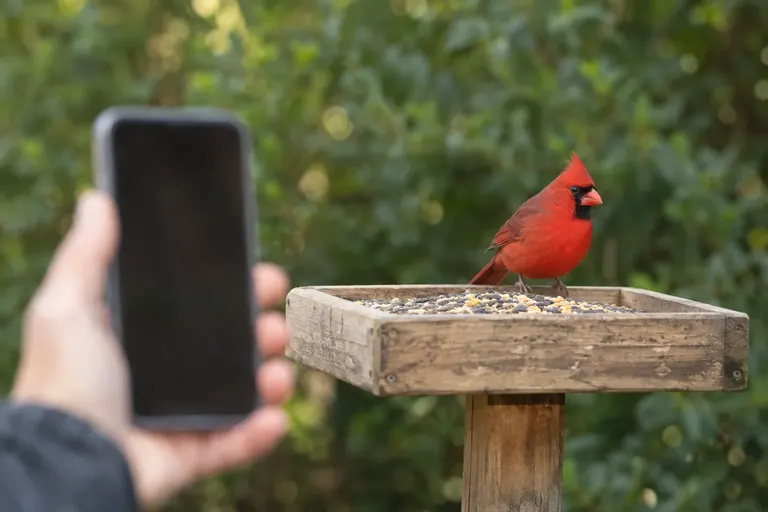
The best bird identification app for most people is Merlin: free, offline Sound ID and Photo ID. Here is how it compares with eBird, Audubon and Sibley.
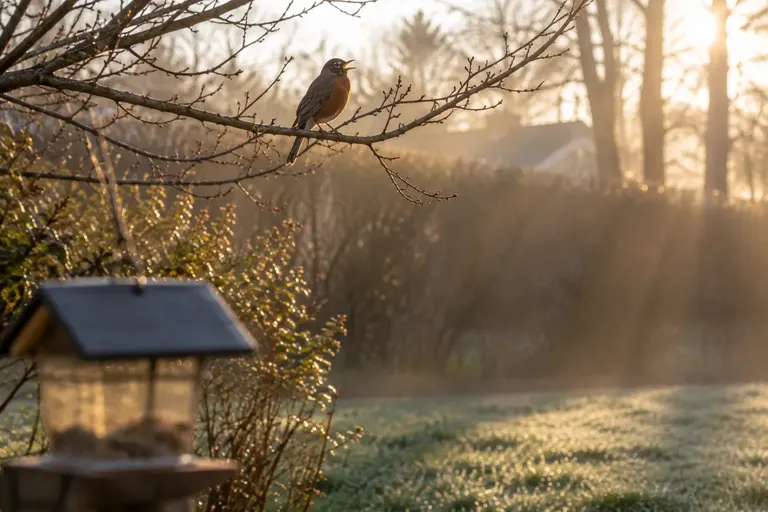
The best time of day for birding is the first few hours after sunrise, when birds sing and feed most. When to look for hawks, owls, shorebirds and feeder birds.
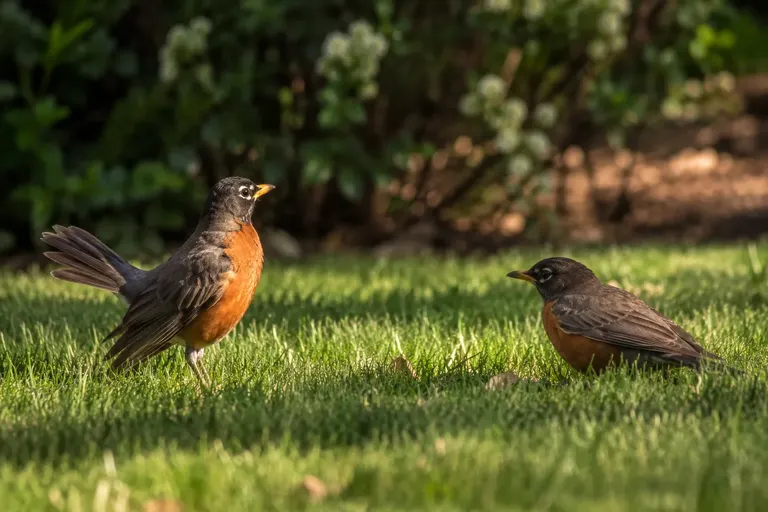
Bird behavior is readable: posture, calls and movement show whether a bird is feeding, courting, defending a territory or alarmed. Here is how to interpret it.
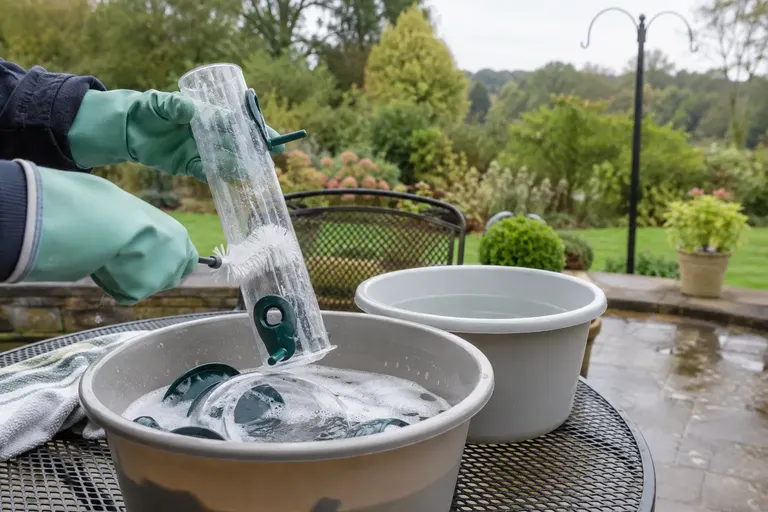
Bird flu and backyard feeders: feeder songbirds are low risk, so most people can keep feeding, but poultry keepers should remove feeders. Updated Sept 2026.
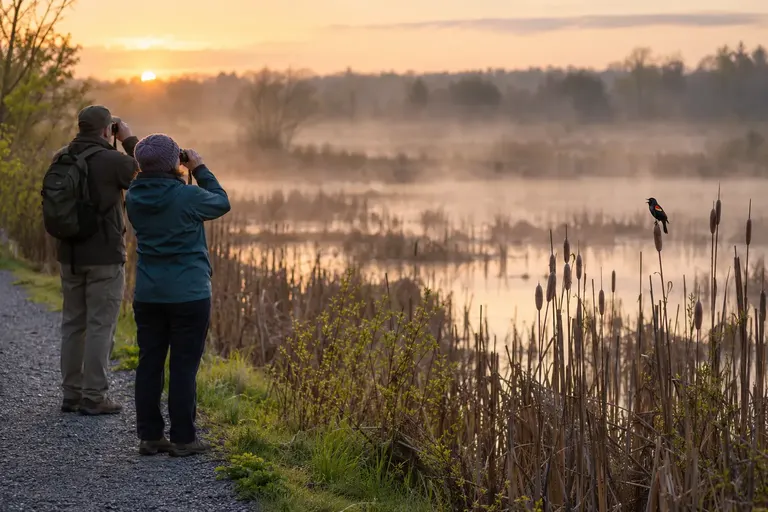
Birding etiquette in plain terms: put the bird first, go easy on playback, stay back from nests and owl roosts, respect private land, share sightings with care.
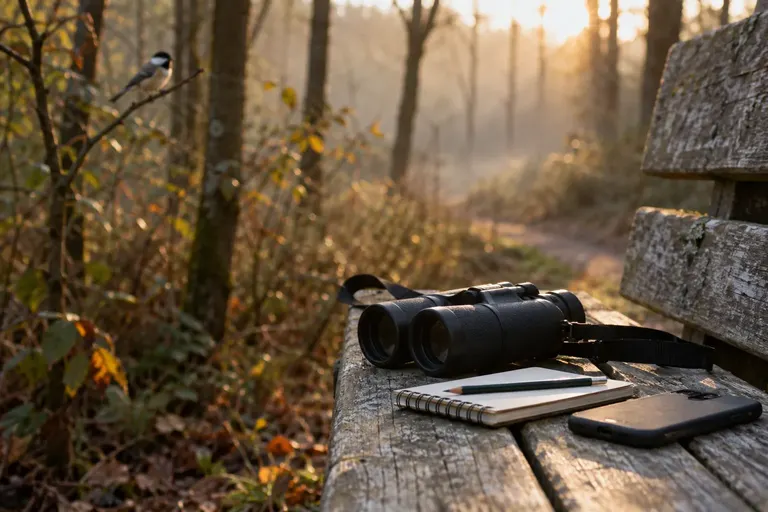
Birding for beginners needs little gear: a waterproof 8x42 binocular, the free Merlin app, eBird or a notebook, and a field guide. Here is what to skip too.
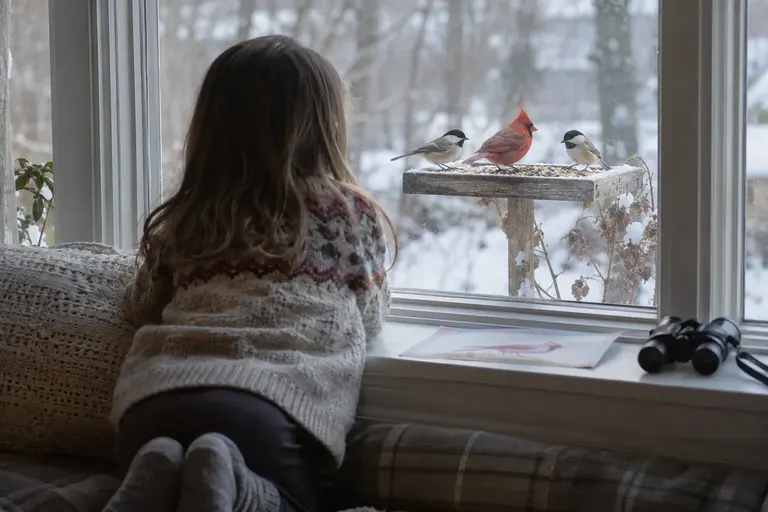
Birding with kids works best when it is short, hands-on and close to home: a window feeder, a real job, a simple game and a sound app to keep them hooked.
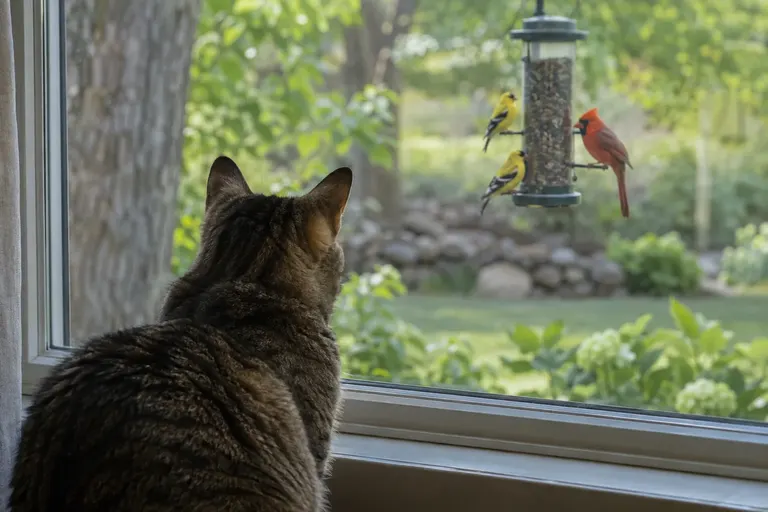
Cats and birds: outdoor cats kill billions of US birds a year. What works to protect feeder birds, from indoor cats and catios to smarter feeder placement.
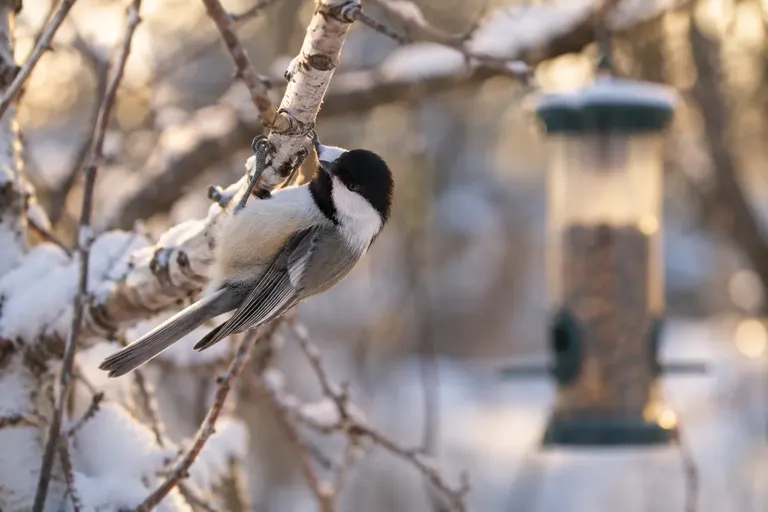
Do birds become dependent on feeders? No. Research shows feeder birds still get most of their food from the wild and cope fine when feeders are taken down.
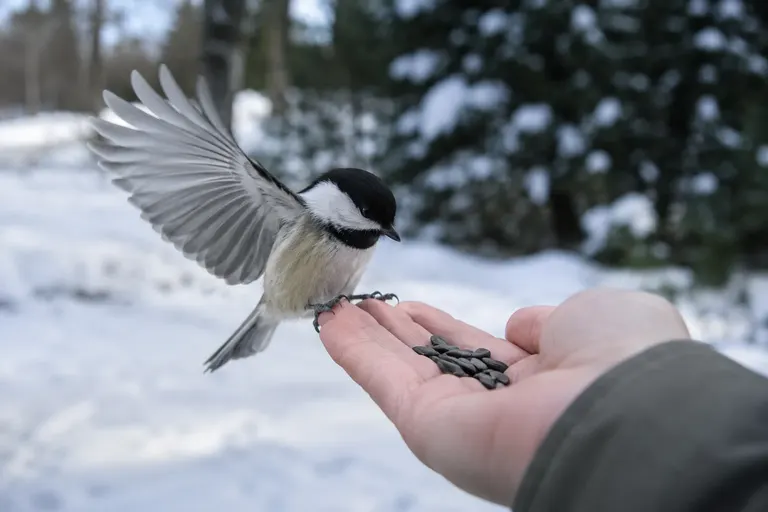
Do birds recognize the people who feed them? Many do. Crows, jays, pigeons and mockingbirds learn faces, and feeder birds learn your routine, clothes and voice.
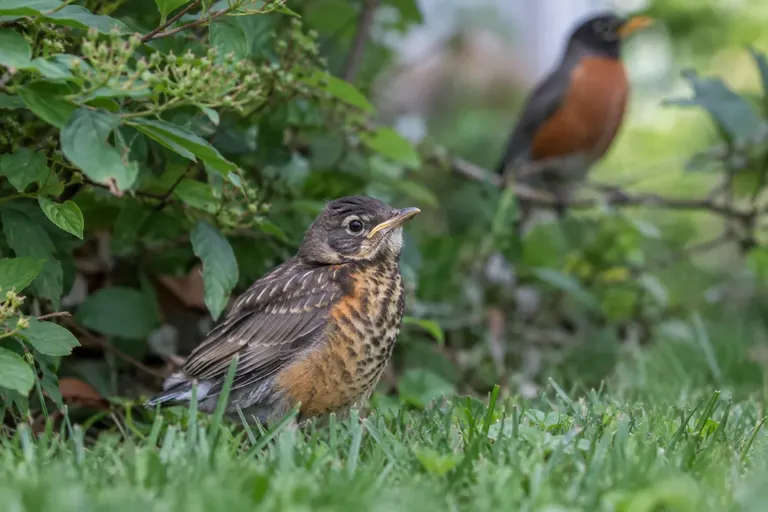
Found a baby bird? What to do depends on its age: return a nestling to its nest, leave a feathered fledgling alone, and call a rehabilitator if it's hurt.
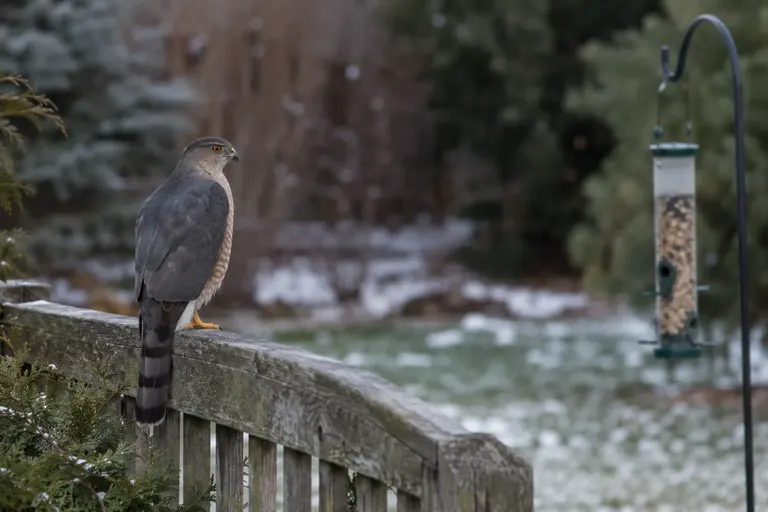
Hawks at bird feeders? The fix the Cornell Lab recommends is simple: take feeders down for one to two weeks, add dense cover nearby and never harm the hawk.
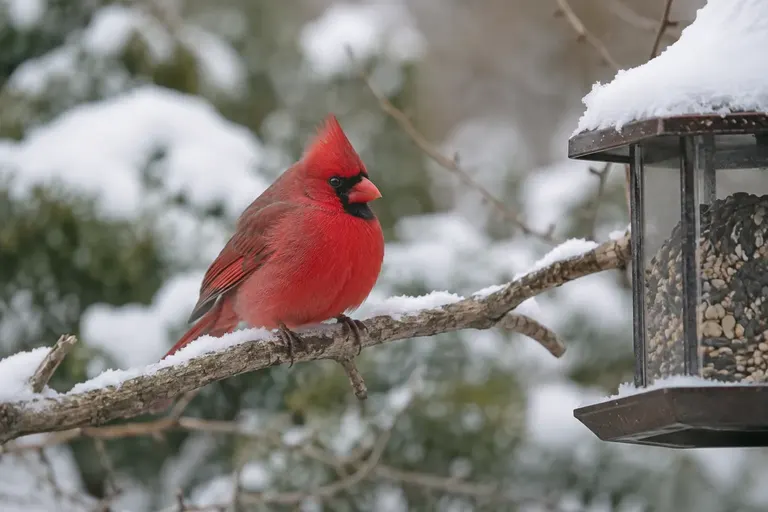
How long do backyard birds live? Most small songbirds live 2 to 5 years on average, though banding records show some reach 10 to 15 years or more. Here is why.
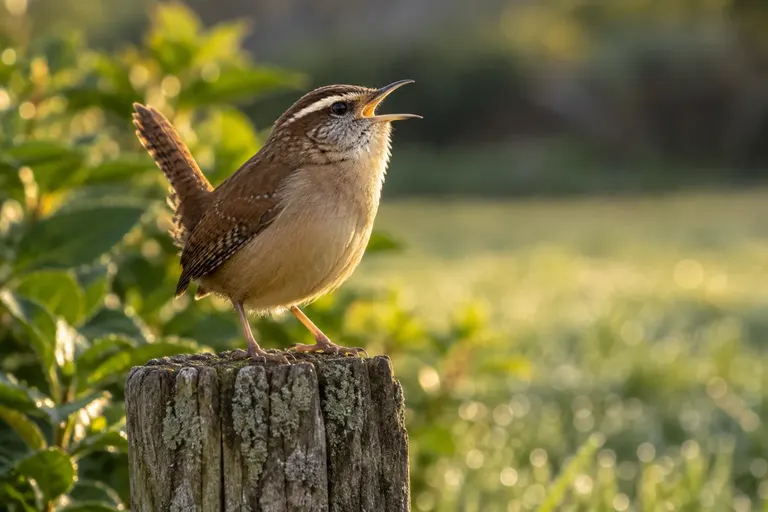
How to bird by ear: learn 10 common backyard songs first, listen for rhythm, pitch and tone, and use apps to check, not replace, your ears. A step-by-step plan.
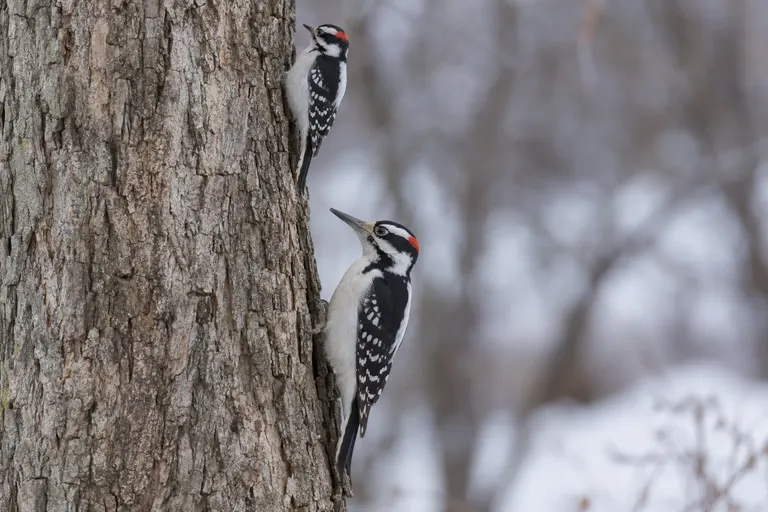
How to identify birds with 5 clues: size and shape, color pattern, behavior, habitat and season, and sound. Learn the order that makes ID fast and reliable.
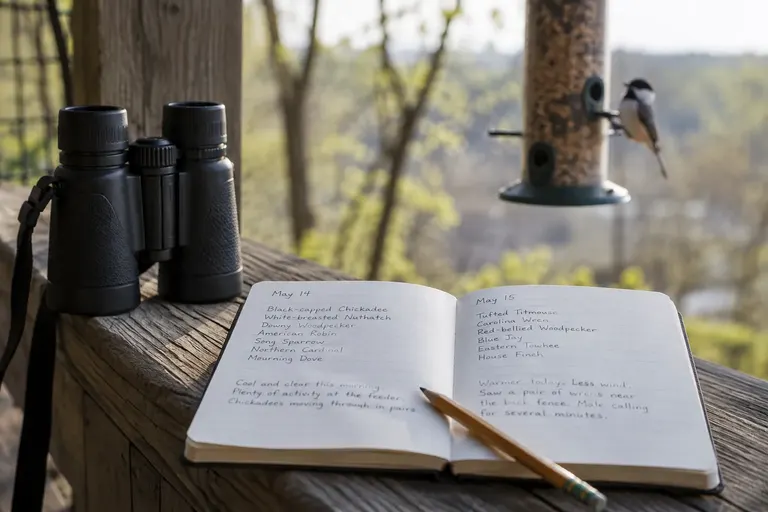
How to keep a birding life list: set your counting rules first, log sightings in eBird or Merlin, add date and place, and keep a backup. Simple and honest.
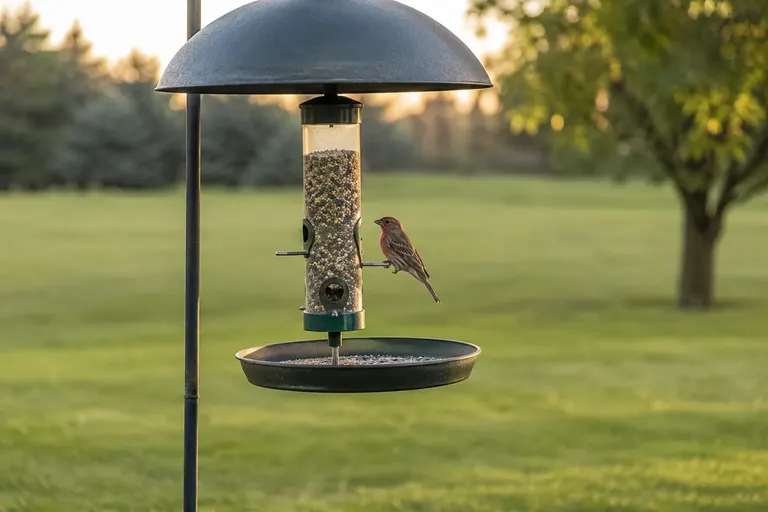
How to keep rats away from bird feeders: stop seed spill, feed only what birds finish by dusk, baffle the pole, seal storage and pause feeding if rats settle.
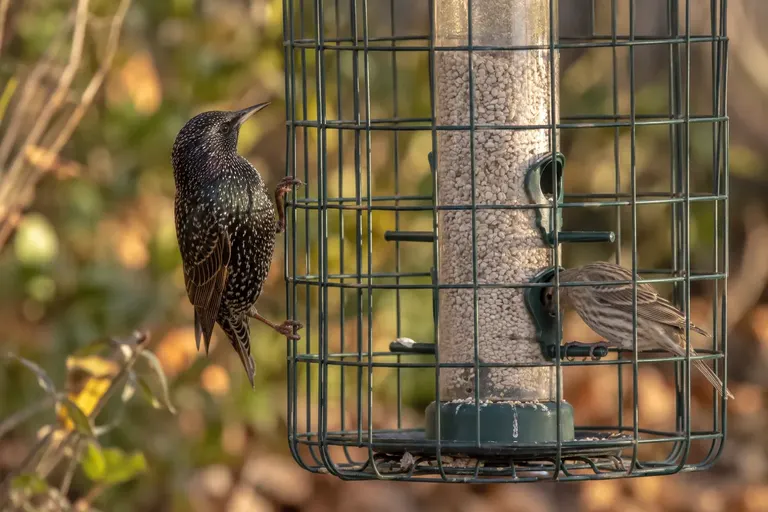
To keep starlings off bird feeders, switch to safflower, nyjer or in-shell peanuts, use caged or upside-down suet feeders, and stop tray and ground feeding.
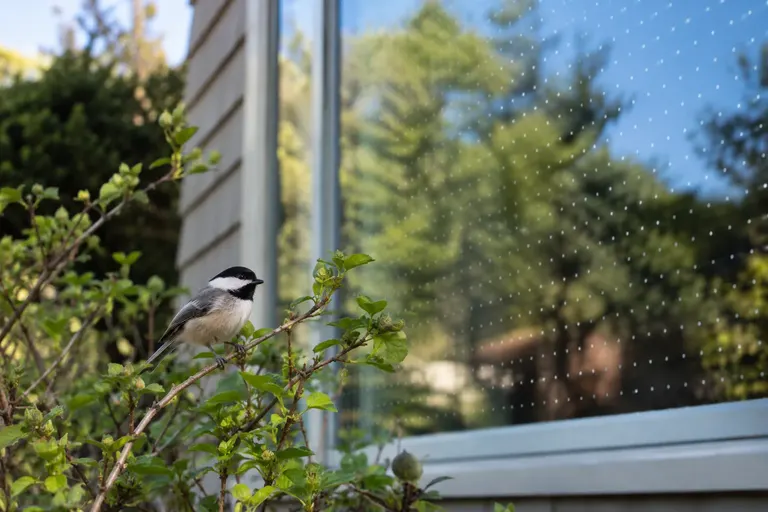
To stop birds hitting windows, mark the outside of the glass with dots or tape no more than 2 inches apart, or add exterior screens. Decals alone don't work.
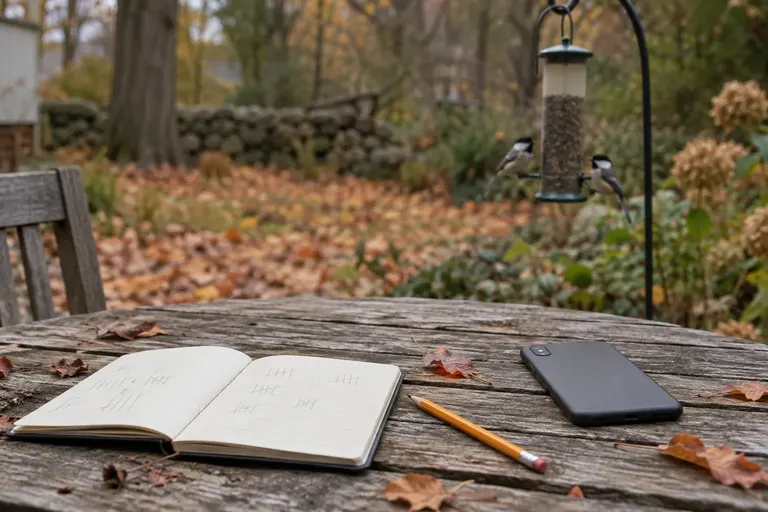
How to use eBird: submit complete checklists with the right protocol, count feeder birds correctly, find nearby hotspots and set rare bird and needs alerts.
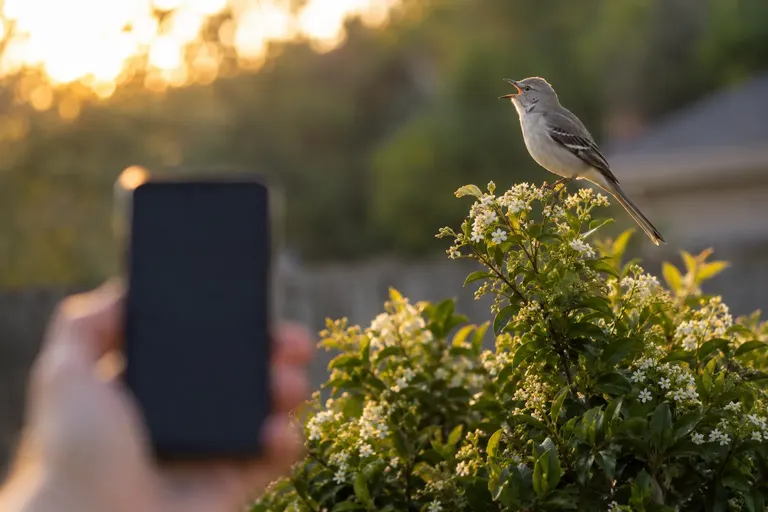
How to use Merlin Sound ID: record close and still, then confirm every suggestion by range, repetition and a look at the bird. How to spot mimics and false IDs.
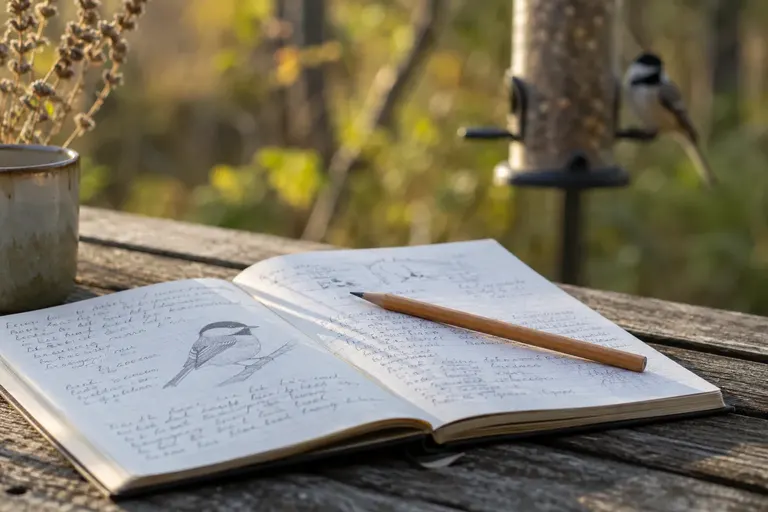
Keeping a birding journal is simple: note date, place, weather, species, counts and behavior every time you watch. Here is what to record and why it pays off.
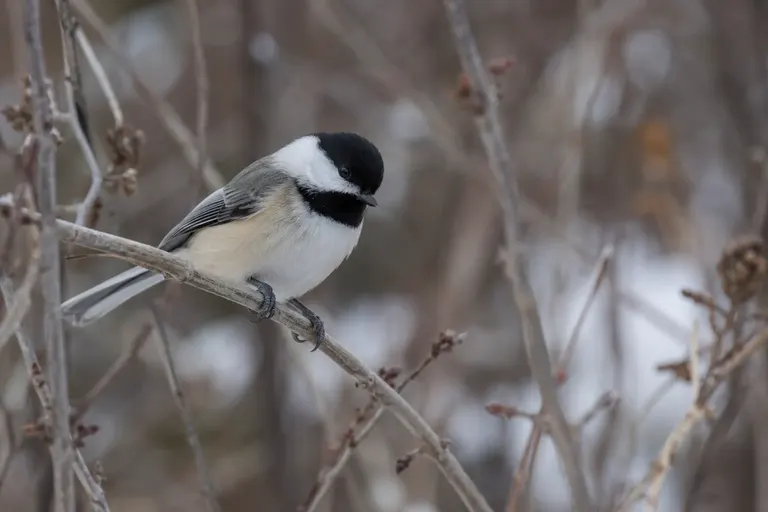
Pishing works on many songbirds by mimicking alarm and mobbing calls, and used briefly it is widely considered ethical. Learn how to pish and when not to.
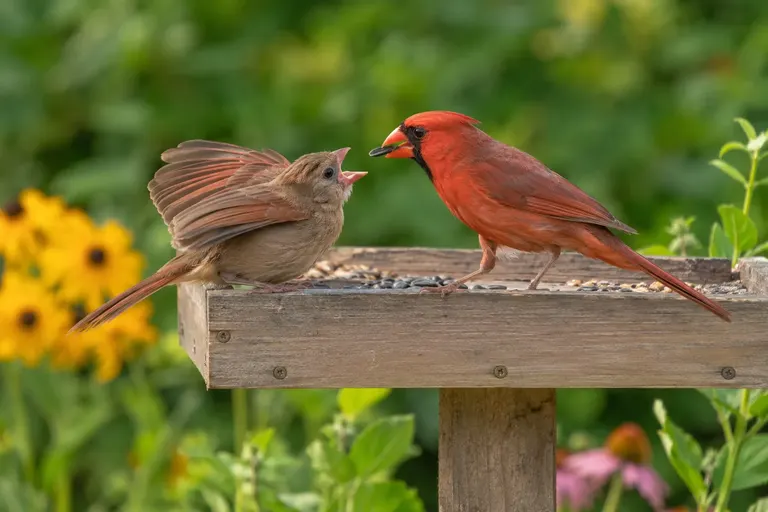
Should you feed birds in summer? Yes, if you keep feeders clean, food fresh and portions small. What to offer, what to avoid in heat and when to pause feeding.
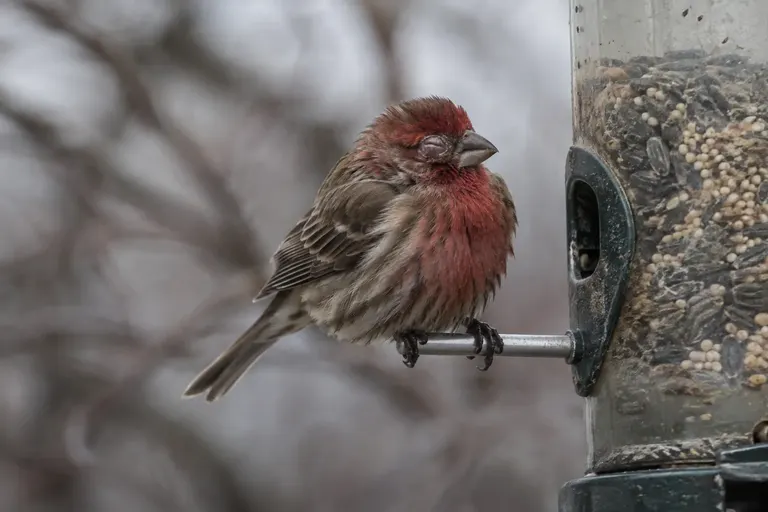
Sick bird at feeder? Take its feeders down for about two weeks, disinfect them in 1:9 bleach, clean the ground and bird bath, and call a rehabilitator.
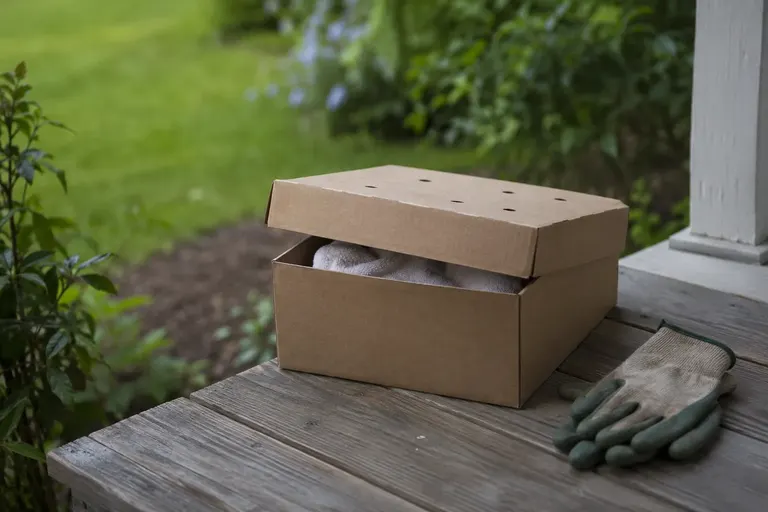
What to do with an injured bird: contain it in a ventilated box, keep it dark, warm and quiet, give no food or water, and call a licensed rehabilitator.
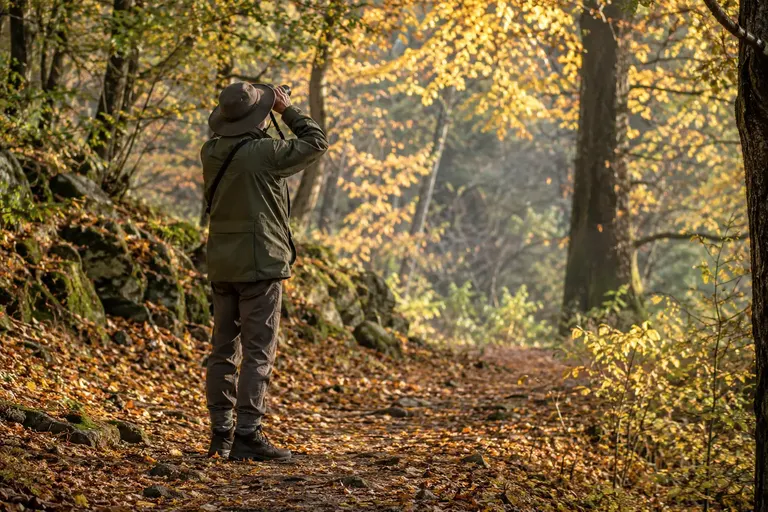
What to wear birding: quiet, muted layers, waterproof shoes, a brimmed hat and tick protection. Here is how to dress for comfort and closer views in any season.
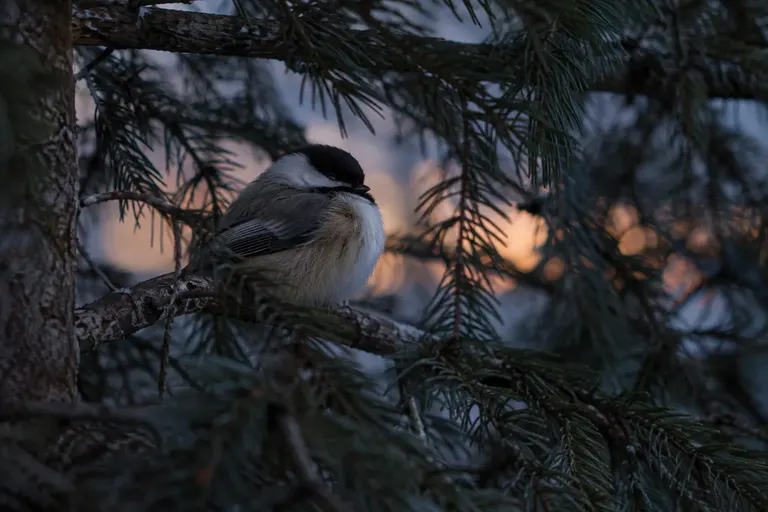
Where do birds go at night? Most roost in dense evergreens, tree cavities or big communal flocks, not nests. Here is where each kind of bird sleeps and why.
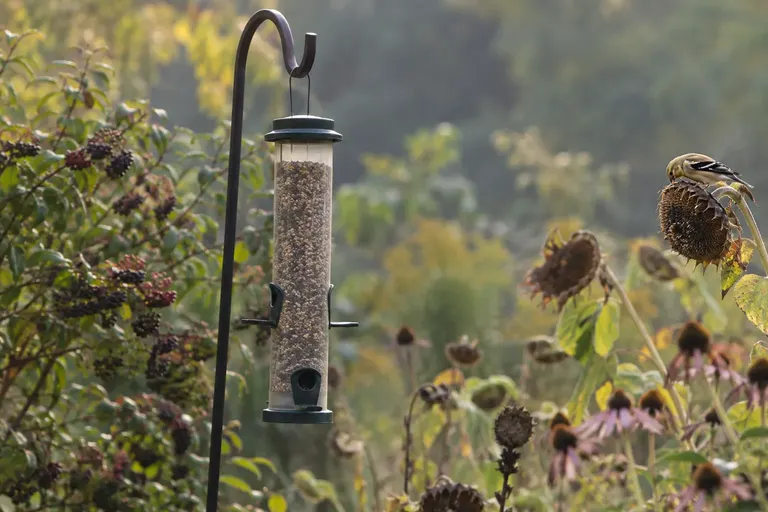
Why birds suddenly disappear from feeders: usually abundant wild food, molt, nesting or a hawk nearby. The real causes, how to spot each and what to do.
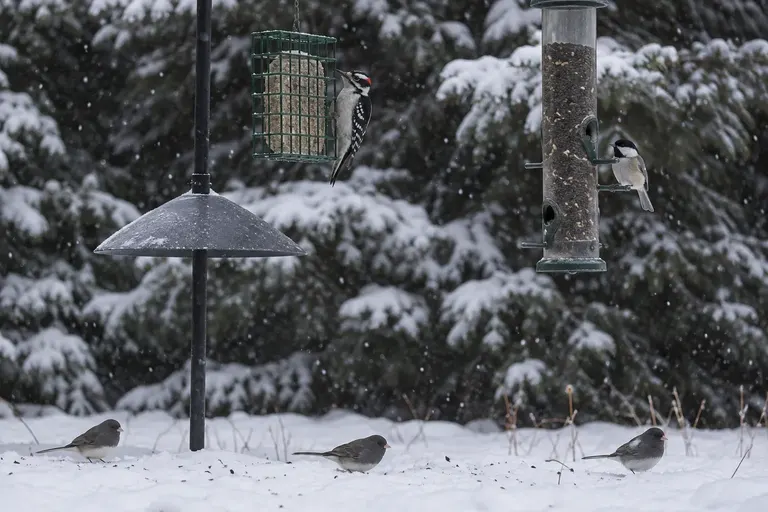
Winter bird feeding done right: high-fat foods like suet, sunflower and peanuts, open water, shelter from wind and clean feeders. What birds need in the cold.
Backyard birding gets easier and more rewarding once a few basics are in place, and this hub collects practical guides on identifying birds, beating squirrels, feeding through the seasons and fixing the problems every birder runs into. If you are just starting, you need less than you think: a decent pair of 8x42 binoculars, a regional field guide or a free app such as Merlin, and one feeder you can see from a window. Spend your first few weeks learning the ten or so species that visit most, and the rest gets easier because you will notice what is new.
Three skills matter most. First, identification: look at size and shape before color, then behavior, habitat and sound. Shape and posture stay readable in poor light and at a distance, when colors wash out. Second, birding by ear: in spring you will hear far more birds than you see, so learning a handful of common songs pays off quickly. Treat sound ID apps as a hint and confirm with your eyes. Third, problem solving: squirrels, rats, starlings, hawks, window collisions and sick birds are part of backyard birding, and each has a specific fix rather than a generic one.
Common mistakes: buying gear before you know what you enjoy, trusting an app ID without a second clue, and ignoring hygiene when birds look sick. If you see birds with swollen or crusty eyes or lethargic behavior, take feeders down, clean them and follow current wildlife agency guidance. Keep an eye on state advisories about bird flu too. For a first read, start with the beginner guide and the identification guide below, then pick the problem guide that matches what you see in your own yard.