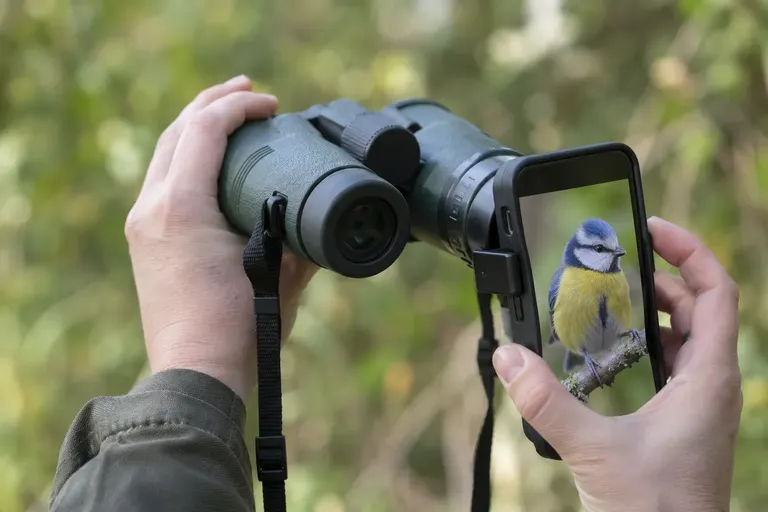
Bird Photography Ethics: Getting Close Without Harm
Bird photography ethics in one rule: the bird's welfare comes before the photo. Learn stress signs, safe distances, nest rules, playback, baiting and the law.
In this article
- Quick answer: the core principles of ethical bird photography
- How can you tell if a bird is stressed by you?
- How close is too close?
- What do the major codes of bird photography ethics say?
- Is it ethical to photograph birds at their nests?
- Should you use playback or pishing to attract birds for photos?
- Is baiting or feeding birds for photos acceptable?
- What about flash, drones and vehicles?
- How should you share photos and locations responsibly?
- How do you get close to birds without harming them?
- Does ethics apply in your own backyard?
- Myths vs facts about bird photography ethics
- Common mistakes
- Quick facts
- Sources
- Frequently asked questions
Bird photography ethics comes down to one rule: the bird’s welfare and its habitat come before any photograph. If a bird changes its behavior because of you, by staring at you, giving alarm calls, stopping feeding, leaving a nest or flushing, you are too close or staying too long. Nesting birds need the most space: many agencies recommend at least 100 to 300 feet from nesting raptors. Getting close without harm means using distance, patience, longer lenses and cover.
Most photographers want to do the right thing, and most problems come from not recognizing stress in birds or from underestimating how a small action, repeated by many people, adds up. This guide explains how to read a bird’s comfort level, what the major codes of ethics say, how to handle nests, playback and baiting, where the law draws lines, and how to share images and locations responsibly.
Quick answer: the core principles of ethical bird photography
- Welfare first. No photo is worth stressing, displacing or endangering a bird.
- Watch behavior, not just distance. Back off at the first sign of alarm.
- Stay away from active nests of most species, especially sensitive ones.
- Use playback sparingly, or not at all, and never for threatened species or near nests.
- Do not bait wild birds with live animals or unhealthy food.
- Respect habitat and property: stay on trails, do not trample vegetation, do not “garden” around birds.
- Protect sensitive locations when sharing photos.
- Follow local laws and rules, which vary by country, park and species.
- Be honest about captive, baited or edited images.
How can you tell if a bird is stressed by you?
Birds show discomfort long before they fly. Learning these signs is the most important skill in ethical photography. Our guide to reading bird behavior goes further.
Early warning signs
- Watching you. The bird repeatedly turns its head to keep you in view, or stops what it was doing to look at you.
- Changes in posture. Sleeked feathers, a raised crest, a stretched neck or crouching.
- Alarm calls. Short, sharp, repeated calls, often joined by other birds.
- Stopping feeding, preening or singing. A relaxed bird feeds and preens. An uneasy one freezes.
- Moving away. Walking, hopping or swimming steadily away from you.
- Tail flicking or wing flicking. Many species show nervousness with repetitive movements.
Severe signs
- Flushing: flying off in response to you.
- Distraction displays: Killdeer and many plovers fake a broken wing to lead you away from eggs or chicks. If you see this, you are close to a nest. Leave.
- Mobbing: small birds gathering and calling around you or near a nest.
- Dive-bombing: terns, some gulls and nesting raptors will attack intruders.
What to do
At the first early signs, stop moving, lower your profile and slowly back away until the bird resumes normal behavior. If you see severe signs, leave the area.
How close is too close?
There is no single safe distance. It varies by species, season, location and the individual bird. A park mallard may ignore someone 10 feet away, while a wintering shorebird on a remote beach may flush at 150 feet.
A few useful guidelines:
- Behavior decides. If the bird’s behavior changes, you are too close, whatever the number.
- Nesting and roosting birds need more space. Many agencies recommend at least 100 to 300 feet from nesting raptors, and substantially more for eagles. In the United States, the US Fish and Wildlife Service National Bald Eagle Management Guidelines recommend buffers of about 330 feet or more around active nests for many activities, and larger buffers where activities are more disruptive.
- Migrants and winter birds are energy-limited. A shorebird that flushes repeatedly burns fat it needs for a long migration. Winter birds need every minute of daylight to feed.
- Cumulative disturbance matters. You might flush a bird only once, but if 30 photographers each do it on the same day, the bird cannot feed.
Let the bird come to you
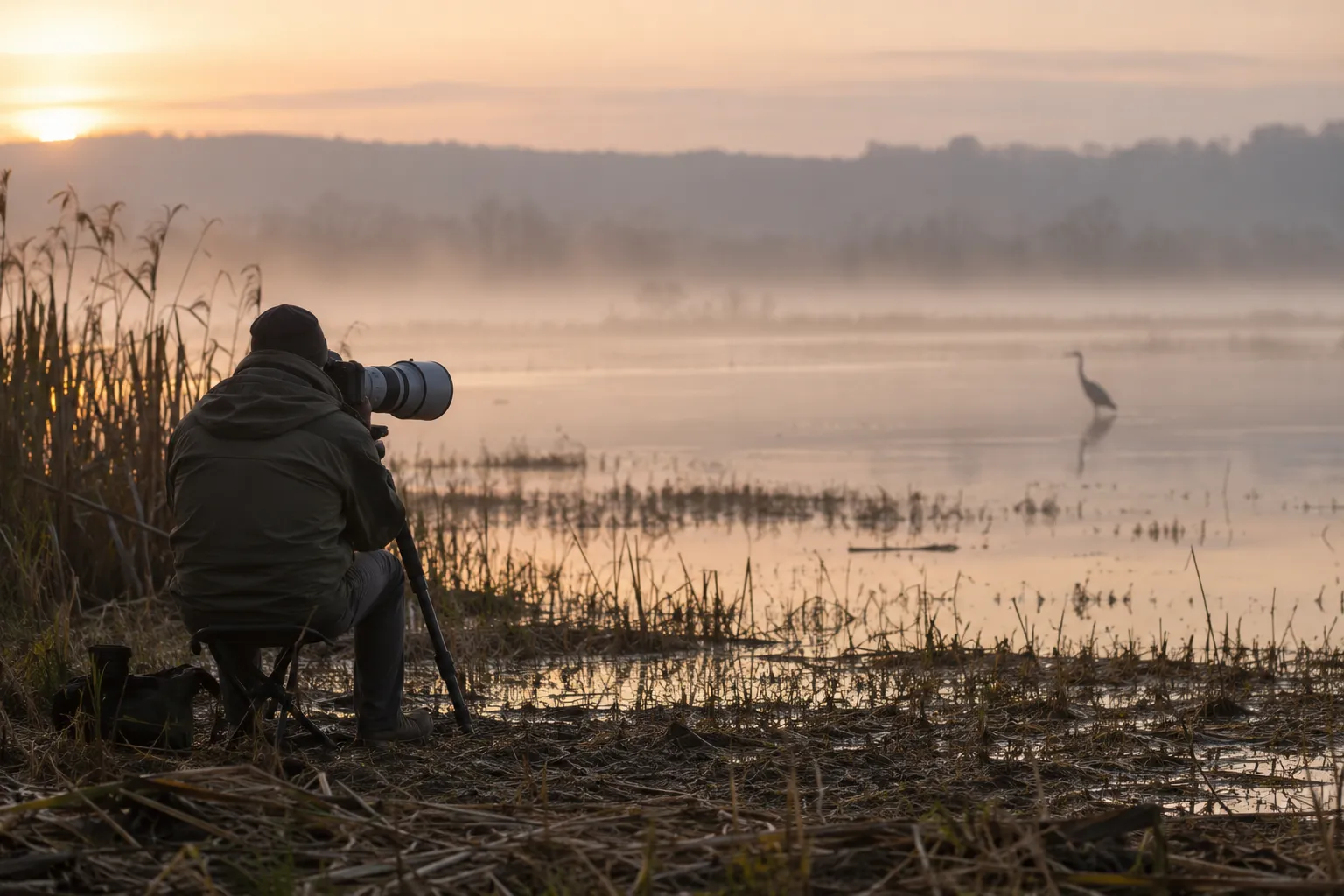
Often the best approach is not to approach at all. Pick a spot with good light and a likely perch or feeding area, sit still, and wait. Birds that come to you are relaxed, and the images show it.
What do the major codes of bird photography ethics say?
Several organizations publish codes of conduct. They overlap heavily.
American Birding Association Code of Birding Ethics
The ABA code, used widely across North America, asks birders and photographers to:
- Avoid stressing birds or exposing them to danger.
- Limit the use of recordings and other audio methods of attracting birds, and not use them in heavily birded areas or for species that are rare, declining or sensitive.
- Keep a proper distance from nests, nesting colonies, roosts, display sites and feeding sites.
- Stay on roads, trails and paths, and respect private property.
- Use artificial light sparingly for filming or photography, especially close-ups.
- Be cautious about sharing the locations of sensitive species.
Audubon’s Guide to Ethical Bird Photography and Videography
Audubon’s guide covers similar ground with photographer-specific advice on baiting, nests, drones, flash and captioning. It is also the ethics standard for entries in the Audubon Photography Awards, and many other contests have adopted similar rules.
European and UK guidance
In Britain, the Nature Photographers’ Code of Practice and the RSPB’s guidance focus on welfare and the law, especially around nest photography of Schedule 1 species. Many European countries have similar national codes, and reserves across Europe set their own rules on hides, access and playback.
Is it ethical to photograph birds at their nests?
Nest photography is the area where the most harm occurs, and it is increasingly discouraged.
Why nests are so vulnerable
- Abandonment. Some birds abandon nests, especially early in incubation, after repeated disturbance.
- Exposed eggs and chicks. When a parent flushes, eggs and nestlings can chill or overheat within minutes.
- Predators follow people. Trails trampled to a nest and human scent can lead predators such as raccoons, crows, jays, cats and foxes to it.
- Premature fledging. Disturbing a nest with older nestlings can cause them to leave early before they can fly.
- Gardening. Pulling back branches to get a clear shot exposes the nest to sun, rain and predators.
What the law says
- United States: the Migratory Bird Treaty Act protects most native birds, their nests and eggs, and the Endangered Species Act protects listed species. The Bald and Golden Eagle Protection Act prohibits disturbing eagles. Disturbance leading to abandonment or failure can violate these laws.
- Great Britain: under the Wildlife and Countryside Act 1981, it is an offense to intentionally or recklessly disturb a Schedule 1 bird while it is nest building or at or near an active nest, and photography of these species at the nest requires a license.
- Elsewhere: Brazil, Turkey and European Union countries all have wildlife protection laws that cover nests of many species. Rules vary, so check national and local regulations before photographing nests.
Ethical alternatives
- Photograph adults away from the nest, for example while they forage.
- Photograph fledglings once they have left the nest and are moving with parents. Keep a respectful distance, and do not “rescue” healthy fledglings. See found a baby bird.
- Use a nest box camera installed before the season, so nothing needs to be opened or moved once birds settle in. The NestWatch code of conduct explains how to check nests safely, briefly and infrequently, and our guide on when and how to clean out a birdhouse covers the right timing for box maintenance.
Should you use playback or pishing to attract birds for photos?
Playing recorded calls or songs can bring a bird into view within seconds, which makes it tempting.
The concerns
- A territorial male may believe an intruder is present, stop feeding or guarding its mate, and spend energy searching for or confronting the “rival”.
- Repeated playback at the same spot, by many people, can disrupt breeding.
- Playback can pull birds into the open where predators see them.
- Rare and threatened species, and birds on migration stopovers, are especially vulnerable.
Guidelines if you use it
- Use it rarely and briefly, then stop.
- Never use it for threatened, endangered or sensitive species.
- Never use it near nests, or during peak breeding if you can avoid it.
- Never use it where it is prohibited, including many national parks and nature reserves.
- Never use it in busy birding spots, where birds are already hearing it all day.
Pishing, making a “psh-psh-psh” sound to draw curious birds, is generally considered lower impact but follows similar principles. See our guide pishing: does it work and is it ethical?
Is baiting or feeding birds for photos acceptable?
Backyard feeders: broadly accepted
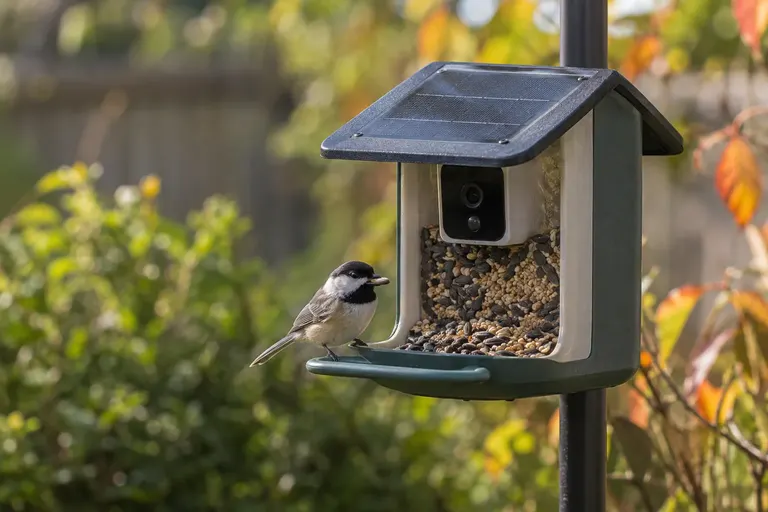
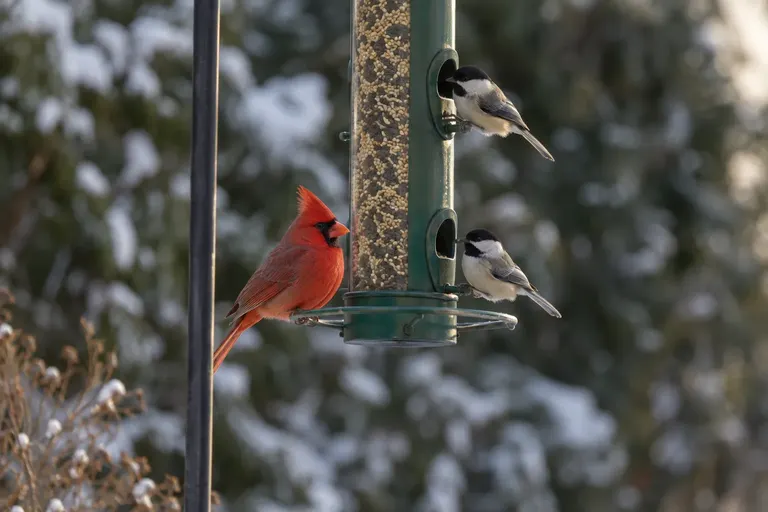
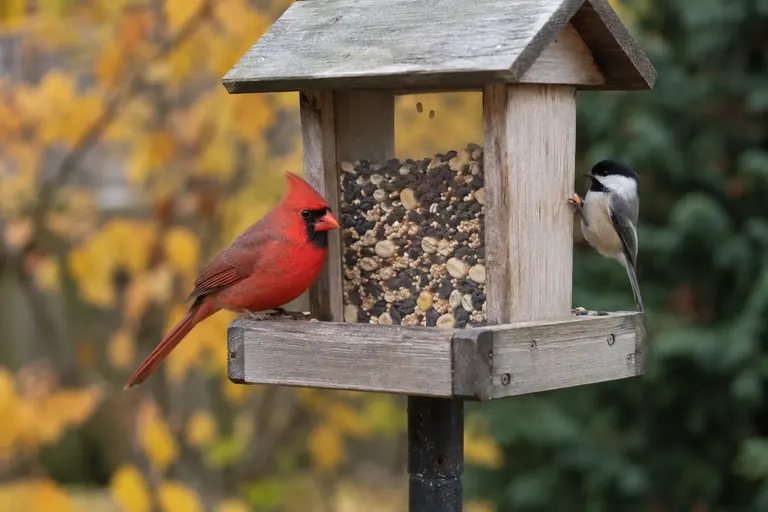
Photographing birds at a well-maintained backyard feeder is widely accepted. The birds choose to come, the food is appropriate, and you are not changing their behavior in harmful ways. Keep feeders clean to prevent disease; our guide on how to clean bird feeders covers that.
Baiting owls and raptors: widely criticized
Releasing live mice or throwing dead ones to owls to get flight shots is widely condemned and is banned in many parks and refuges. Problems include habituating owls to people and cars, which leads to road deaths; spreading disease through pet-store mice; and drawing crowds to vulnerable birds. Snowy Owls and Great Gray Owls in North America have been particular targets.
Unnatural foods
Throwing bread to waterfowl, feeding sugary foods to birds that do not normally eat them, or leaving food where it attracts rats and predators all cause harm. If a food would not be appropriate for a backyard feeder, it is not appropriate as photo bait.
Setups and hides
Paid photography hides, common in parts of Europe and increasingly in Brazil and elsewhere, often use feeding stations for kingfishers, woodpeckers, raptors or hummingbirds. Well-run hides use appropriate food, keep disturbance low and are licensed where required. Ask how a hide operates before booking, and be wary of any that use live bait or disturb nests.
What about flash, drones and vehicles?
Flash
Evidence on flash and songbirds is limited and the topic is debated. Moderate fill flash on active songbirds in daylight is generally considered low risk. Many codes caution against flash at night, with owls and nightjars, and at nests. When in doubt, use natural light.
Drones
Drones can cause serious disturbance, especially to nesting colonies and raptors, which may attack them. Drones are banned in all US national parks and many wildlife refuges, and many countries restrict drone use near wildlife. Keep drones well away from birds unless you have a permit and a clear research purpose.
Vehicles as blinds
Birds often tolerate a car far better than a person on foot. Photographing from a vehicle on a road or a refuge auto tour is one of the most ethical ways to get close shots. Turn off the engine to reduce vibration, stay inside, and do not block traffic.
How should you share photos and locations responsibly?
A single social media post can bring dozens of people to a bird within hours.
- Protect sensitive species. Do not post exact locations of nesting raptors, roosting owls, or rare species that are vulnerable to disturbance.
- Follow eBird’s lead. eBird hides precise locations for designated sensitive species. Our guide on how to use eBird explains checklists and reporting.
- Respect private property. If a bird is on private land, do not share details that invite trespassing.
- Caption honestly. Note if a bird was captive, at a feeding station or photographed with a setup. Many contests require this.
How do you get close to birds without harming them?
Good fieldcraft gets you better photos and causes less disturbance at the same time. These steps work for most species.
- Research the species first. Learn when it feeds, where it perches and how tolerant it tends to be. Shorebirds follow tides; many songbirds are most active in the first hours after dawn.
- Arrive before the birds. Set up in position before the action starts, so birds arrive to find you already still.
- Approach slowly and at an angle. Walking straight at a bird looks like a predator’s approach. A zigzag or sideways path, with pauses, is far less threatening.
- Get low. Sitting or kneeling makes you smaller and less threatening, and a low angle usually makes a better photo anyway.
- Use natural cover or a portable blind. A shrub, a tree trunk or a simple pop-up hide breaks up your outline. Set blinds up well away from nests.
- Move only when the bird is busy. Advance a step while it feeds or preens, and freeze when it looks up.
- Set a time limit. Leave after a set period even if the bird seems calm, especially with a single rare bird that many people want to see.
- Leave the way you came, slowly, so you do not flush the bird on the way out.
Does ethics apply in your own backyard?
Yes, although the backyard is where the lowest-impact bird photography happens. Some points to keep in mind:
- Keep feeders clean and food fresh, so a photo setup does not spread disease.
- Place feeders and perches safely relative to windows. See where to put a bird feeder.
- Leave nests in shrubs and boxes alone during the season, even if they make tempting subjects.
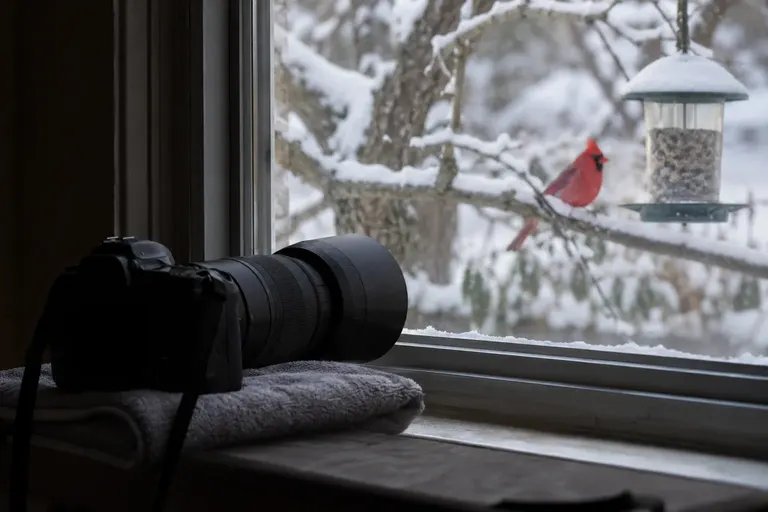
- Photograph from indoors where possible. Our guide to photographing birds through a window explains how.
Myths vs facts about bird photography ethics
Myth: If the bird does not fly, it is not stressed. Fact: Many birds freeze or stay put while stressed, especially at nests. Watch for alarm calls, staring and stopped feeding.
Myth: A longer lens solves everything. Fact: Long lenses help, but some photographers still approach too close to fill the frame. Distance should be set by the bird’s behavior, not the lens.
Myth: One photographer cannot do harm. Fact: Disturbance is cumulative. Your visit adds to others’.
Myth: Common birds do not need the same care. Fact: The same welfare principles apply to a robin and a rare warbler.
Common mistakes
- Walking straight toward a bird instead of slowly and at an angle.
- Staying too long with the same bird.
- Pulling or cutting branches to get a clear view of a nest.
- Using playback repeatedly or in protected areas.
- Leaving trails to chase a bird through sensitive habitat.
- Posting exact coordinates of sensitive species.
- Letting pets off-leash near birds. See cats and birds for the larger picture on predators.
Quick facts
- The bird’s welfare always comes before the photo.
- Stress signs include staring, alarm calls, stopping feeding and moving away.
- Nest photography carries high risk and is legally restricted in many places.
- The ABA code asks for sparing use of playback and none for sensitive species.
- Baiting owls with mice is widely condemned and banned in many parks.
- Vehicles make good blinds, and backyard feeders are ethical photo spots.
Sources
Frequently asked questions
What is the golden rule of bird photography ethics?
The welfare of the bird and its habitat always comes before the photograph. If your presence changes what a bird is doing, such as making it stop feeding, give alarm calls, leave a nest or fly off, you are too close or staying too long. Back away, and accept that some photos should not be taken.
Is it OK to use bird call playback for photography?
Limited playback is widely debated. Codes such as the American Birding Association's ask birders to use it sparingly, never in heavily birded areas, and not at all for threatened, endangered or sensitive species or near active nests. Repeated playback can pull birds away from feeding or nesting and stress territorial males. Many parks and reserves ban it outright.
Is it legal to photograph birds at their nests?
It depends on the country and species. In the United States, the Migratory Bird Treaty Act prohibits disturbing active nests of most native birds, and the Endangered Species Act adds protection for listed species. In Great Britain, photographing Schedule 1 species at or near an active nest requires a license. Everywhere, nest photography carries a high risk of causing abandonment or predation.
Is it ethical to bait birds for photos?
Backyard feeders with normal bird food are broadly accepted. Baiting owls or raptors with live mice, or feeding wild birds foods that are unhealthy for them, is widely criticized and banned in many parks. It can habituate birds to people and roads, spread disease, and increase the risk of collisions with vehicles.
Should I share the location of rare birds I photograph?
Be cautious. Owls, nesting raptors and many rare or threatened species can be harmed by crowds of visitors and photographers. eBird hides precise locations for designated sensitive species for this reason. Follow local guidance, share general areas only when a bird is sensitive, and never reveal nest sites of vulnerable species publicly.