Best Low Light Binoculars for Dusk and Owling
The best low light binoculars for most birders: the Nikon Monarch M7 8x42. Compare 8x56, 8x54 and 10x50 picks, with exit pupil and twilight factor explained.
If you buy through links on this page we may earn a commission, at no cost to you. It never decides what we recommend. How we earn
In this article
- Quick picks
- How we chose
- What makes binoculars good in low light?
- Nikon Monarch M7 8x42: best low light binoculars overall
- Vortex Diamondback HD 8x42: best value low light binoculars
- Nikon Action EX 10x50: best budget low light binoculars
- Hawke Endurance 8x56: best value 8x56 for owling
- Swarovski SLC 8x56: best premium 8x56
- Zeiss Victory HT 8x54: best binoculars for twilight
- Low light binoculars compared
- Is 8x42 or 8x56 better for owling?
- How do you go owling without disturbing owls?
- Common mistakes when buying low light binoculars
- Sources
- Frequently asked questions
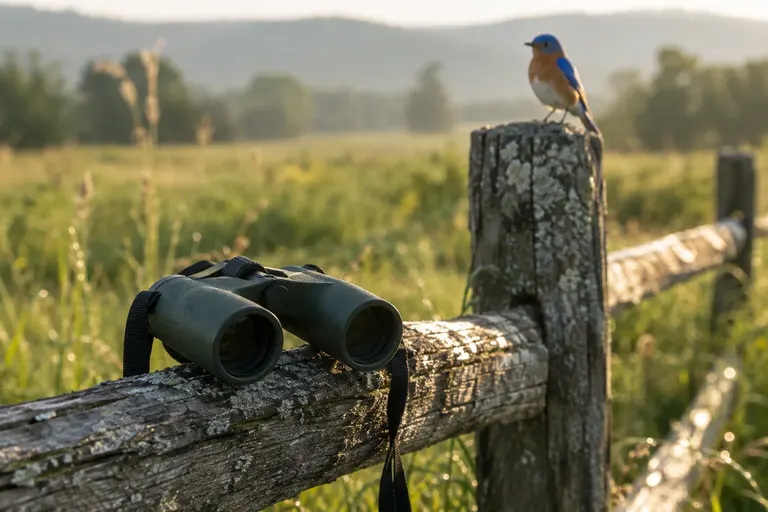
The Nikon Monarch M7 8x42 is the best low light binocular for most birders. Its 5.3 mm exit pupil, ED glass and wide 435 ft view stay bright at dawn, at dusk and under forest shade, and at 23.6 oz it’s light enough to carry all day. For dedicated owling, step up to an 8x56 or 8x54.
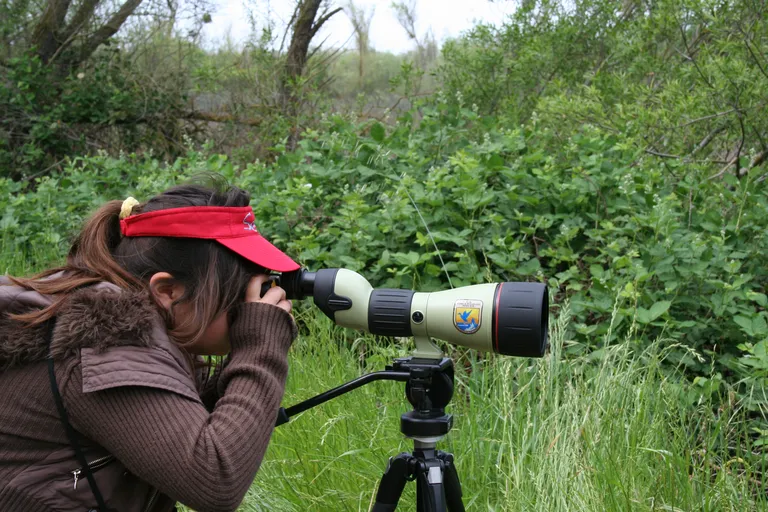
Low light is where binoculars differ most. At noon almost any decent pair looks bright, because your own pupil is small. At dusk your pupil opens wide, and only binoculars that send a wide, bright beam back to your eye keep up. This guide covers which formats work, how to read exit pupil and twilight factor, and how to watch owls without disturbing them.
Quick picks
- Best overall: Nikon Monarch M7 8x42. 5.3 mm exit pupil, ED glass, 23.6 oz.
- Best value: Vortex Diamondback HD 8x42. 5 ft close focus and an unconditional lifetime warranty.
- Best budget: Nikon Action EX 10x50. Waterproof porro prism glass with a 5 mm exit pupil.
- Best value 8x56: Hawke Endurance 8x56. A full 7 mm exit pupil and 23 mm eye relief.
- Best premium 8x56: Swarovski SLC 8x56. 7 mm exit pupil and 93 percent light transmission.
- Best for twilight: Zeiss Victory HT 8x54. 95 percent light transmission, the highest listed here.
Nikon Monarch M7 8x42
A 5.3 mm exit pupil, ED glass and dielectric prism coatings in a 23.6 oz body, with a 435 ft field of view that's wide for an 8x42.
- Best for
- Most birders who want a bright all-day binocular that also works at first and last light.
- Skip it if
- Your feeders hang closer than about 8 ft; close focus is 8.2 ft.
- Exit pupil
- 5.3 mm
- Field of view
- 435 ft at 1,000 yd
- Eye relief
- 17.1 mm
- Weight
- 23.6 oz
Vortex Diamondback HD 8x42
The same 5.25 mm exit pupil as any 8x42, a 5 ft close focus and Vortex's unconditional lifetime warranty.
- Best for
- Budget-minded birders who want one binocular for feeders by day and owls at dusk.
- Skip it if
- You want the brightest view in the last minutes of light; bigger objectives win there.
- Exit pupil
- 5.25 mm
- Field of view
- 393 ft at 1,000 yd
- Close focus
- 5.0 ft
- Weight
- 21.8 oz
Nikon Action EX 10x50
A waterproof porro prism 10x50 with a 5 mm exit pupil and 17.2 mm eye relief, an affordable way into 50mm glass.
- Best for
- Owling from a car, a porch or a trail edge, and stargazing on the same night.
- Skip it if
- You also want to watch feeders; a 23 ft close focus is far too long.
- Exit pupil
- 5.0 mm
- Field of view
- 342 ft at 1,000 yd (114 m at 1,000 m)
- Close focus
- 23 ft (7 m)
- Weight
- 36.0 oz (1,020 g)
Hawke Endurance 8x56
A full 7 mm exit pupil, 23 mm eye relief and a no-fault lifetime warranty in a roof prism 8x56.
- Best for
- Owlers and dusk birders who want maximum exit pupil without a premium budget.
- Skip it if
- You want ED glass; Hawke does not list it for this model.
- Exit pupil
- 7 mm
- Field of view
- 351 ft at 1,000 yd
- Eye relief
- 23 mm
- Weight
- 35.4 oz
Swarovski SLC 8x56
A 7 mm exit pupil, 93 percent light transmission and 23 mm eye relief from one of the most respected names in optics.
- Best for
- Serious owlers, including glasses wearers, who want a binocular for decades of dark mornings.
- Skip it if
- You will carry it all day; it is the heaviest pick here.
- Exit pupil
- 7 mm
- Twilight factor
- 21.2
- Light transmission
- 93 percent
- Weight
- 43.2 oz (1,225 g)
Zeiss Victory HT 8x54
Zeiss lists 95 percent light transmission, the highest here, from SCHOTT HT glass and a 6.7 mm exit pupil.
- Best for
- Birders who want the brightest image money can buy in the last light of the day.
- Skip it if
- You wear glasses and need more than 16 mm of eye relief.
- Exit pupil
- 6.7 mm
- Light transmission
- 95 percent
- Field of view
- 390 ft at 1,000 yd
- Weight
- 36.5 oz
How we chose
We have not used these binoculars ourselves yet. This guide is built from research, and we want to be clear about how it was put together.
We started with manufacturer specifications for current 8x42, 10x50, 8x54 and 8x56 models from established optics makers sold in both North America and Europe, and confirmed each number on the maker’s own product page. We focused on what matters after sunset: exit pupil, published light transmission, eye relief and weight, then field of view and close focus for daytime use. We read expert sources, including the Cornell Lab of Ornithology and Audubon, and looked for patterns in verified owner reviews.
We dropped models that are discontinued or lack published specs. Where a maker doesn’t list a number, we left it out rather than guess.
What makes binoculars good in low light?
Three things: a large exit pupil, high light transmission and enough steadiness to see detail. Magnification and objective size set the first, glass and coatings set the second, and lower magnification helps the third.
Exit pupil: the beam of light that reaches your eye
Exit pupil is the objective diameter divided by magnification. An 8x42 gives 42 / 8 = 5.25 mm. An 8x56 gives 56 / 8 = 7 mm. This is the width of the light beam leaving each eyepiece.
The beam only helps if your own pupil is wide enough to take it in. A standard clinical reference puts normal adult pupils at 2 to 4 mm in bright light and 4 to 8 mm in the dark. Pupils also open less with age, and a 2024 study in Royal Society Open Science found that the age-related decline is steeper at low light levels. So a 7 mm exit pupil pays off most for younger eyes. Older eyes still benefit from a forgiving, bright view, but the gain over 5.25 mm is smaller.
Relative brightness is simply exit pupil squared. An 8x42 scores 27.6 and an 8x56 scores 49.
Twilight factor: detail in dim light, not brightness
Twilight factor is the square root of magnification times objective diameter. For an 8x42 that’s the square root of 336, or 18.3. It estimates how much detail you can make out in dim light, and it rewards magnification. That’s why a 10x50 (22.4) scores higher than an 8x56 (21.2) even though its exit pupil is much smaller. Use twilight factor to compare binoculars with similar exit pupils, not as a brightness score.
Light transmission: the number most makers don’t publish
Every glass surface loses a little light. Swarovski lists 93 percent transmission for the SLC 8x56 and Zeiss lists 95 percent for the Victory HT. Most mid-priced binoculars publish no figure at all.
| Format | Exit pupil | Relative brightness | Twilight factor |
|---|---|---|---|
| 8x32 | 4.0 mm | 16.0 | 16.0 |
| 8x42 | 5.25 mm | 27.6 | 18.3 |
| 10x42 | 4.2 mm | 17.6 | 20.5 |
| 10x50 | 5.0 mm | 25.0 | 22.4 |
| 8x54 | 6.75 mm | 45.6 | 20.8 |
| 8x56 | 7.0 mm | 49.0 | 21.2 |
One more piece of math: light gathered depends on the area of the objective lens, so it rises with the square of the diameter. A 56mm objective collects (56 / 42) squared, about 1.78 times as much light as a 42mm objective. Our guide to what the numbers on binoculars mean covers these terms in more depth.
Nikon Monarch M7 8x42: best low light binoculars overall
What it is: Nikon’s mid-price roof prism binocular with ED glass, full multilayer coatings and dielectric prism coatings.
Who it suits: Birders who want one binocular for everything, from midday feeders to the dawn chorus.
Key specs: 5.3 mm exit pupil and 28.1 relative brightness (Nikon’s figures), 435 ft field of view at 1,000 yd, 17.1 mm eye relief, 8.2 ft close focus, 23.6 oz, waterproof to 3.3 ft for 10 minutes.
Strengths: The full exit pupil of the 8x42 class plus a field of view wider than many 8x42s, which helps you pick up a moving bird in poor light. The 17.1 mm eye relief suits most glasses wearers.
Drawbacks: At 5.3 mm, it can’t match an 8x56 in the final minutes of light. Nikon doesn’t publish a light transmission figure.
Skip it if: owling is your main use, or your feeders hang very close to the window.
Vortex Diamondback HD 8x42: best value low light binoculars
What it is: Vortex’s popular mid-range roof prism 8x42, covered by the unconditional VIP lifetime warranty.
Who it suits: Anyone who wants a capable dusk binocular without a big spend.
Key specs: 5.25 mm exit pupil, 393 ft at 1,000 yd, 17 mm eye relief, 5 ft close focus, 21.8 oz, IPD 55 to 73 mm.
Strengths: Exit pupil depends only on the format, so it matches pricier 8x42s on that number. The 5 ft close focus suits feeders by day. Our Vortex Diamondback HD 8x42 review covers it in detail.
Drawbacks: Vortex publishes no light transmission figure, so you can’t compare it with premium glass on that number. In the last minutes of light, a 50mm or 56mm binocular will show more.
Skip it if: you already own a decent 8x42 and want a real step up for owling.
Nikon Action EX 10x50: best budget low light binoculars
What it is: A classic porro prism 10x50, waterproof and nitrogen filled.
Who it suits: Owlers on a budget, and anyone who wants one binocular for owls and the night sky.
Key specs: 5.0 mm exit pupil, 114 m at 1,000 m (342 ft at 1,000 yd), 17.2 mm eye relief, 7 m (23 ft) close focus, 1,020 g (36.0 oz), IPD 56 to 72 mm.
Strengths: A 50mm objective collects about 1.4 times the light of a 42mm one, and the porro design keeps the cost low. Nikon lists it for birdwatching and stargazing.
Drawbacks: At 10x, hand shake is more visible, and the 23 ft close focus rules it out for feeders. Our guide to roof vs porro binoculars explains the bulkier shape.
Skip it if: you want a daytime birding binocular as well.
See available listings on Amazon
Hawke Endurance 8x56: best value 8x56 for owling
What it is: A roof prism 8x56 from British maker Hawke, nitrogen purged and waterproof.
Who it suits: Owlers who want the full 7 mm exit pupil without a premium budget.
Key specs: 7 mm exit pupil, 351 ft at 1,000 yd, 23 mm eye relief, 8.2 ft close focus, 35.4 oz, IPD 60 to 76 mm, no-fault lifetime warranty.
Strengths: It matches the premium 8x56 on exit pupil and eye relief, and its 8.2 ft close focus is short for a big binocular.
Drawbacks: Hawke lists fully multi-coated lenses but no ED glass or transmission figure. The 351 ft view is narrow next to the 8x42s, and the 60 mm minimum IPD won’t suit close-set eyes.
Skip it if: your eyes are set close together.
See available listings on Amazon
Swarovski SLC 8x56: best premium 8x56
What it is: Swarovski’s large-objective SLC, designed with dawn and dusk use in mind.
Who it suits: Serious owlers and birders in dark northern woods, including glasses wearers.
Key specs: 7 mm exit pupil, twilight factor 21.2, 93 percent light transmission, 133 m at 1,000 m (399 ft at 1,000 yd), 23 mm eye relief, 3.9 m (12.8 ft) close focus, 1,225 g (43.2 oz), waterproof to 4 m (13 ft).
Strengths: The biggest exit pupil combined with high published transmission, plus the longest eye relief in this guide.
Drawbacks: Heavy, with a long close focus. It’s a specialist tool, not an all-day birding binocular.
Skip it if: you hike long distances or watch feeders up close.
See available listings on Amazon
Zeiss Victory HT 8x54: best binoculars for twilight
What it is: Zeiss’s flagship low light binocular, built around SCHOTT HT glass for high transmission.
Who it suits: Birders who want the brightest image in the last light and will pay for it.
Key specs: 6.7 mm exit pupil, twilight factor 20.7 (Zeiss’s figure), 95 percent light transmission, 390 ft at 1,000 yd, 16 mm eye relief, 11.5 ft close focus, 36.5 oz.
Strengths: The highest transmission listed by any maker in this guide, in a body about 6.7 oz lighter than the Swarovski. LotuTec coating helps water bead off the lenses on damp nights.
Drawbacks: 16 mm eye relief is short for some glasses wearers.
Skip it if: you wear glasses with thick frames.
See available listings on Amazon
Low light binoculars compared
| Model | Exit pupil | Transmission | FOV (ft at 1,000 yd) | Eye relief | Close focus | Weight |
|---|---|---|---|---|---|---|
| Nikon Monarch M7 8x42 | 5.3 mm | Not listed | 435 | 17.1 mm | 8.2 ft | 23.6 oz |
| Vortex Diamondback HD 8x42 | 5.25 mm | Not listed | 393 | 17 mm | 5 ft | 21.8 oz |
| Nikon Action EX 10x50 | 5.0 mm | Not listed | 342 | 17.2 mm | 23 ft | 36.0 oz |
| Hawke Endurance 8x56 | 7 mm | Not listed | 351 | 23 mm | 8.2 ft | 35.4 oz |
| Swarovski SLC 8x56 | 7 mm | 93% | 399 | 23 mm | 12.8 ft | 43.2 oz |
| Zeiss Victory HT 8x54 | 6.7 mm | 95% | 390 | 16 mm | 11.5 ft | 36.5 oz |
All figures are manufacturer specifications; metric figures were converted where the maker lists only one unit.
Is 8x42 or 8x56 better for owling?
For pure owling, 8x56. For one binocular that also does daytime birding, 8x42. The 8x56 picks here weigh 35.4 to 43.2 oz against 21.8 to 23.6 oz for the 8x42s. If you go out after dark a few times a winter, a good 8x42 is enough. If you’re out at dusk every week, the bigger glass earns its weight.
Skip 10x42 and 12x50 for night use: their exit pupils, about 4.2 mm, are smaller than an 8x42’s. If you’re torn on magnification, our 8x42 vs 10x42 comparison explains the trade-off. If you’re new to owling, our pages on the Great Horned Owl and the Barred Owl cover where and when to listen.
How do you go owling without disturbing owls?
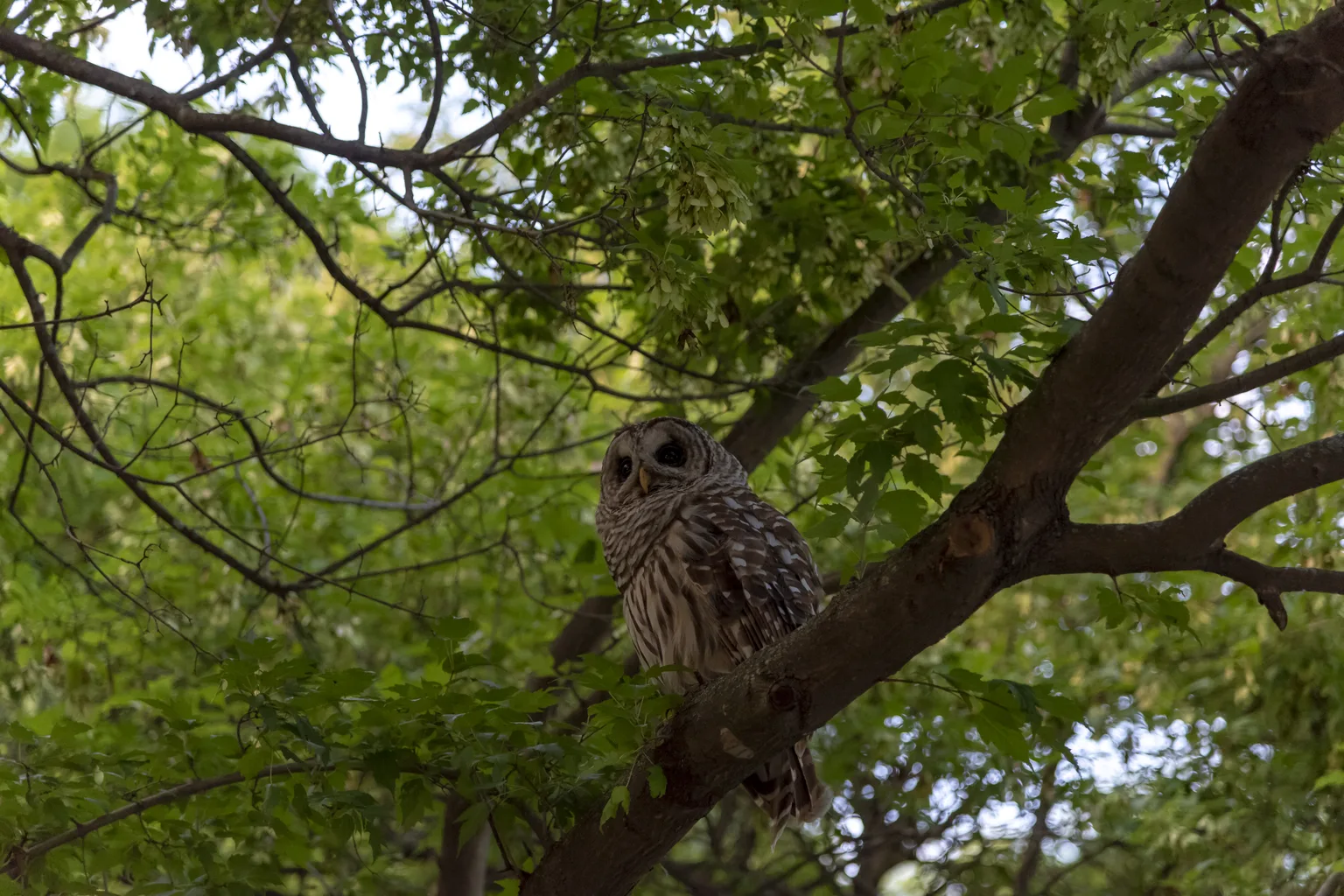
Watch from a distance, keep lights off the bird and use playback sparingly or not at all. The American Birding Association’s Code of Birding Ethics asks birders to be especially careful around roosts and active nests.
- Hold your ground. Chicago Audubon’s owl guidelines say not to approach closer than where you first saw the owl, and to retreat if it shows signs of stress.
- Limit recordings. The ABA code asks birders to limit audio lures, especially in heavily birded areas and for rare species. Audubon calls avoiding playback during nesting season imperative. That matters for owls, because Great Horned Owls nest in winter.
- No flash, no spotlighting. Chicago Audubon’s guidelines rule out flash photography. Point a headlamp at the path, not the bird.
- Don’t share roosts. The same guidelines ask birders not to post owl locations on public forums or social media.
- Listen first. The Cornell Lab notes that Barred Owls are heard far more often than seen, and that crows mobbing a tree can give away a roosting Great Horned Owl.
A brighter binocular helps here, because you see more from further away. Our birding etiquette guide covers the wider rules.
Common mistakes when buying low light binoculars
- Buying high magnification for night use. A 12x50 has a 4.2 mm exit pupil, smaller than an 8x42’s.
- Ranking by twilight factor alone. It favors magnification and ignores exit pupil.
- Ignoring weight. A 40 oz binocular is tiring on a long walk.
- Forgetting your eyes. A 7 mm exit pupil helps most if your pupils open that wide.
- Expecting magic. No optical binocular shows an owl in total darkness.
For a full-size daytime pick, see our best binoculars for birding roundup.
Sources

Frequently asked questions
What binoculars are best for seeing in low light?
Binoculars with a large exit pupil and high light transmission. Divide the objective size by the magnification: 8x42 gives 5.25 mm, 10x50 gives 5 mm and 8x56 gives 7 mm. An 8x42 is the best all-round choice. If you often bird at dusk or go owling, an 8x56 or 8x54 shows noticeably more in the last light.
Is 8x42 or 10x42 better in low light?
8x42 is usually brighter. Its exit pupil is 5.25 mm against 4.2 mm for a 10x42, so it delivers a wider beam of light to an eye that has opened up at dusk. A 10x42 has a higher twilight factor, 20.5 against 18.3, so it can show slightly more detail while there is still some light, but it also shows more hand shake.
What is a good twilight factor for binoculars?
Twilight factor is the square root of magnification times objective diameter. An 8x42 scores about 18.3, a 10x50 about 22.4 and an 8x56 about 21.2. Higher numbers suggest more visible detail in dim light, but the formula favors magnification and ignores exit pupil and glass quality, so use it to compare similar binoculars, not to rank all of them.
Are 7x50 binoculars good for owling?
Yes, in darkness they are among the brightest formats. A 7x50 has a 7.1 mm exit pupil, as large as most 8x56 models, with a wider, steadier view thanks to the lower magnification. The trade-offs are less detail at a distance, a twilight factor of only 18.7 and, on most porro models such as Nikon's Action EX 7x50, a long close focus of about 23 ft.
How close should you get to an owl?
No closer than where you first saw it. Chicago Audubon's owl guidelines ask observers not to approach beyond the point where the owl was encountered and to back off if it shows signs of stress. A bright binocular is the best ethical tool here, because it lets you study the owl from a distance instead of moving in.