Can Birds Eat Rice? The Exploding Myth vs the Facts
Can birds eat rice? Yes. Uncooked rice does not make birds explode, and plain cooked rice is safe in small amounts. The myths, the facts and better foods.
In this article
- Quick answer: myths vs facts about birds and rice
- Does uncooked rice really make birds explode?
- Can birds eat cooked rice?
- Is uncooked rice a good food for birds?
- What about instant rice and puffed rice?
- Is there rice in commercial bird seed?
- Can ducks and geese eat rice?
- Is it safe to throw rice at weddings?
- Other kitchen grains and starches: what is fine?
- Common mistakes with rice and birds
- Why do bird myths like this spread?
- Quick facts
- Sources
- Frequently asked questions
Can birds eat rice? Yes. Uncooked rice does not swell up and make birds explode: cooking rice takes boiling water, around 212°F (100°C), and a bird’s body is only about 104 to 108°F (40 to 42°C). Wild ducks, geese, sparrows, blackbirds and many other birds eat raw rice in and around rice fields every day. Plain cooked rice is also safe in small amounts. The real issues are nutrition and hygiene: rice is mostly starch, and cooked rice spoils quickly and draws rats.
So rice will not hurt birds, but it is not the best thing you can feed them. Here is where the myth came from, what actually happens when a bird eats rice, and when rice is fine to offer.
Quick answer: myths vs facts about birds and rice
| Claim | Verdict | What is actually true |
|---|---|---|
| Uncooked rice expands in birds’ stomachs and kills them | False | Rice absorbs water slowly and needs heat to swell much; wild birds eat raw rice routinely |
| Throwing rice at weddings harms birds | False | Birds that eat it are not harmed; venues may ban it because it is slippery |
| Cooked rice is dangerous for birds | False | Plain cooked rice is safe in small amounts |
| Rice is a good food for backyard birds | Mostly false | It is low in fat and protein compared with seeds |
| Seasoned leftover rice is fine | False | Salt, butter, oil, onions and sauces are not suitable for birds |
| Old cooked rice left out is harmless | False | It spoils and molds quickly and attracts rodents |
Does uncooked rice really make birds explode?
No. There is no documented evidence of birds being harmed, let alone bursting, from eating uncooked rice.
Where did the myth come from?
The story became widely known in the United States in the 1980s. A syndicated advice column is often credited with spreading it, after printing a reader’s warning that rice thrown at weddings would swell inside birds that ate it. Some ornithologists and bird organizations publicly rebutted it, but by then the idea had spread widely, and it remains common today. It has also traveled internationally and is repeated in Europe and elsewhere.
Why the myth does not hold up
The idea sounds plausible because rice visibly swells in a pot. But cooking rice involves boiling water, around 212°F (100°C), for 15 to 20 minutes or more. Heat is what allows the starch in the grain to gelatinize and absorb large amounts of water. A bird’s body temperature is around 104 to 108°F (40 to 42°C), far below boiling. Raw rice soaked at that temperature absorbs some water and softens, but it does not expand anything like cooked rice.
On top of that, a bird’s digestive system is built for hard grains. Many seed-eating birds store food temporarily in a crop, a pouch in the throat, and then grind it in the gizzard, a muscular stomach that often contains small stones or grit. Grains are broken down mechanically and digested gradually. Birds eat hard, dry seeds of all kinds, including wheat, millet, corn and wild grasses, and none of these cause problems when swallowed dry.
How a bird actually processes a grain of rice
It helps to follow a single grain. A dove or sparrow picks up the grain and swallows it whole, because birds have no teeth to chew with. In many seed eaters, the grain first collects in the crop, where it is moistened and held until the bird has a safe moment to digest. Some softening happens here, but the crop is not hot and the grain stays largely intact.
From the crop, the grain passes into the proventriculus, the glandular first part of the stomach, where digestive enzymes and acid are added. It then moves to the gizzard. The gizzard is a thick, muscular organ with a tough inner lining, and in seed-eating birds it contracts powerfully, grinding grains against each other and against swallowed grit. This is the bird’s equivalent of chewing. A hard grain of rice is crushed into small fragments, which are then digested in the intestine.
At no point does the grain sit in near-boiling water long enough to swell dramatically. Any water it does absorb simply makes it softer and easier for the gizzard to grind. That is also why birds that eat dry seeds need access to fresh water; it helps the whole process along.
The best evidence: birds eat raw rice constantly
If uncooked rice were dangerous, rice-growing regions would be littered with dead birds. Instead, rice fields are some of the most important feeding areas for birds in the world.
- In California’s Sacramento Valley, flooded rice fields after harvest provide food and habitat for huge numbers of wintering ducks, geese and shorebirds, which glean waste rice left in the fields.
- In the southern United States, Red-winged Blackbirds, grackles and other blackbirds feed heavily in rice fields, and historically Bobolinks were so fond of ripening rice in the Carolinas that they were known as ricebirds and shot as crop pests. The All About Birds Bobolink account covers the species’ long migration and diet.
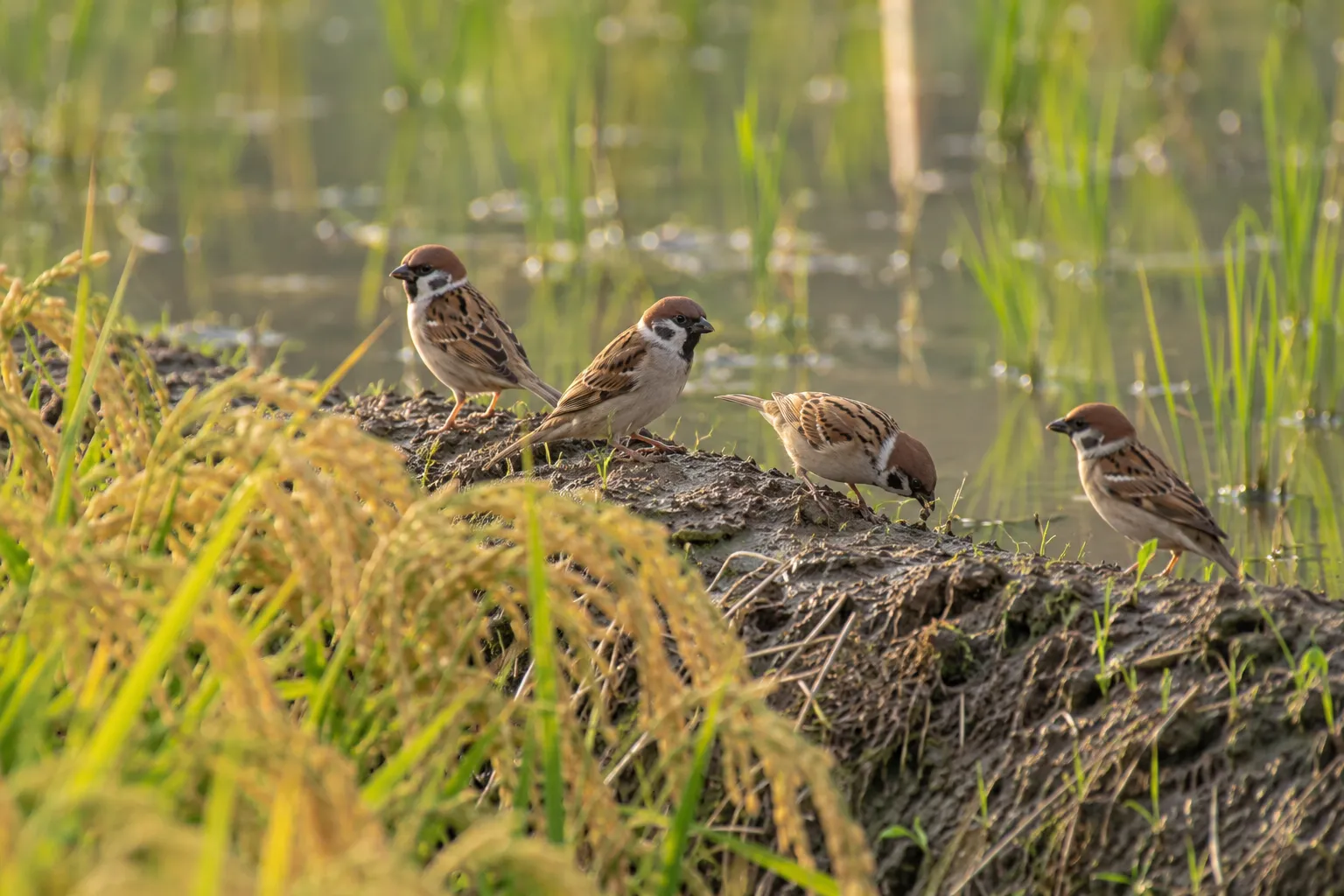
- Across Asia, Eurasian Tree Sparrows, munias and the Java Sparrow, sometimes called the rice bird, feed on ripening and spilled rice.
- In Africa, Red-billed Queleas, which form some of the largest bird flocks on Earth, feed on grain crops, including rice.
- In southern Brazil, particularly the rice-growing region of Rio Grande do Sul, blackbirds and whistling ducks feed in rice fields, and some are treated by farmers as pests.
- In Turkey, rice is grown in areas such as the Thracian plain near Edirne and around the deltas of the Black Sea coast, where herons, egrets, ducks and sparrows use the fields.
These birds eat raw rice by the billions of grains every year and thrive.
Can birds eat cooked rice?
Yes, in small amounts, as long as it is plain. Cooked rice is soft and easy to eat, and birds such as pigeons, doves, House Sparrows, starlings, crows, gulls and ducks will readily take it. Robins, blackbirds and thrushes may eat it too.
What makes cooked rice a problem
- Seasoning. Rice cooked with salt, butter, oil, stock, soy sauce, spices, garlic or onion is not suitable. Salt is a particular concern for small birds, and onions and garlic contain compounds that can damage red blood cells in animals.
- Spoilage. Cooked rice is moist and starchy, a perfect medium for bacteria and mold. In warm weather it can turn sour or moldy in a day. Moldy food is a risk for birds, which can suffer from mold toxins and fungal infections such as aspergillosis.
- Rodents and pests. Cooked food on the ground is a magnet for rats, mice and, in some areas, raccoons and foxes.
- Low nutritional value. White rice is mostly starch, with little fat and relatively little protein. Birds that fill up on it may eat less of the fat-rich and protein-rich foods they really need, especially in cold weather or while raising young.
How to offer cooked rice safely
If you have a small amount of plain leftover rice:
- Make sure it was cooked without salt, butter, oil or seasoning.
- Offer only a small handful, or mix it with seed on a tray.
- Place it on a platform or tray rather than directly on the ground.
- Remove anything uneaten after an hour or two, and never leave rice out overnight.
- Do not offer rice that has been sitting in the refrigerator for days or smells sour.
This is fine as an occasional leftover. It is not a reason to cook rice specially for birds.
Is uncooked rice a good food for birds?
It is harmless, but it is not the best choice for backyard feeders.
Nutrition compared with other seeds
Rice is a good energy source for people, but for small wild birds it compares poorly with the seeds they are adapted to eat. The figures below are approximate and vary by variety.
| Food | Fat | Protein | Notes |
|---|---|---|---|
| White rice (raw) | Very low, under 1% | About 7% | Mostly starch |
| Brown rice (raw) | Low, about 3% | About 7 to 8% | Keeps the bran layer |
| White proso millet | About 4% | About 11% | Favorite of sparrows, juncos and doves |
| Black oil sunflower | About 40% | About 15 to 20% | Top all-round seed |
| Peanuts | About 50% | About 25% | High energy, offer in mesh feeders |
For small birds that burn through their fat reserves every cold night, fat content matters most. Rice simply does not deliver that. See our guide to what to feed birds in winter for high-energy options.
Which birds will eat raw rice at feeders?
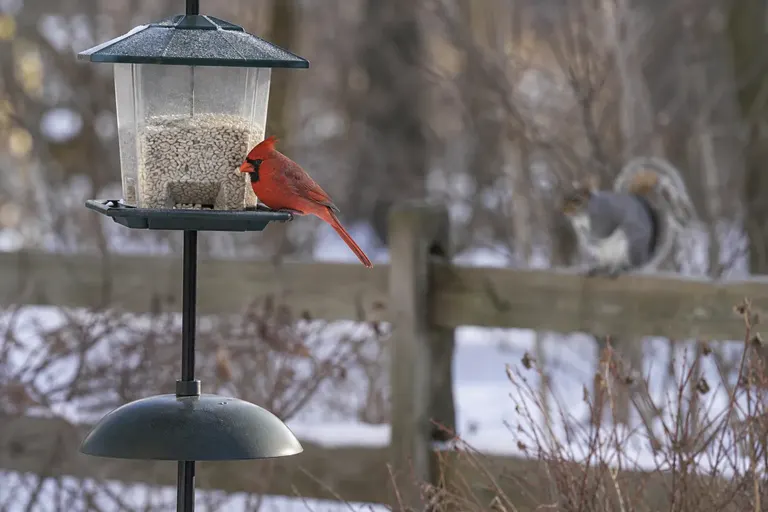
At backyard feeders, raw rice mostly draws doves, pigeons, House Sparrows, blackbirds, grackles and ducks. Many smaller songbirds, such as chickadees, tits and finches, pay little attention to it. That makes rice similar to other filler grains in cheap seed mixes, like red millet, milo and wheat, which often end up kicked out of feeders and left to rot. Our guide to the best bird seed explains why mixes built on sunflower and white millet feed more species.
Rice for ground-feeding birds
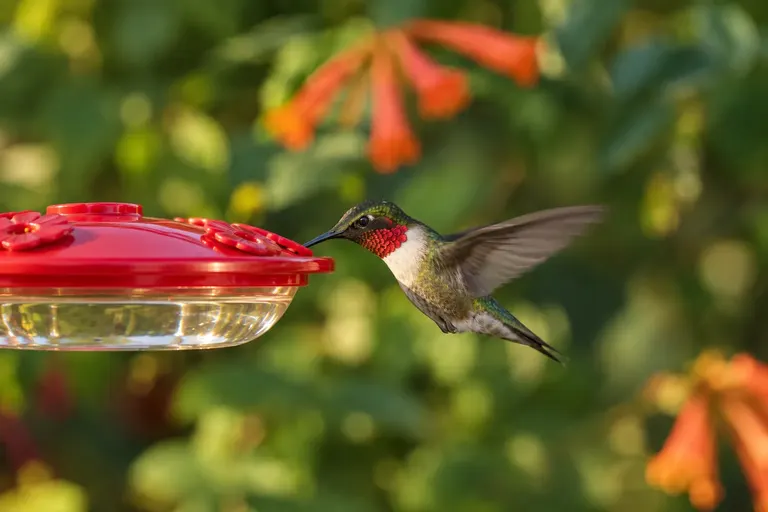
If you want to feed doves or ducks, a small amount of raw rice scattered on a tray does no harm. Mourning Doves, Eurasian Collared Doves, Rock Pigeons and, in Brazil, Ruddy Ground Doves and Picazuro Pigeons will eat it. Even so, white proso millet or cracked corn are better suited and widely available. Our Mourning Dove guide covers the foods they prefer.
What about instant rice and puffed rice?
Instant or parboiled rice has been partly or fully cooked and then dried, so some people suggest it may absorb water faster than regular raw rice. There is still no evidence of it harming birds. However, it offers no nutritional advantage, and there is no reason to use it as bird food. Puffed rice cereals are usually sugared or salted and offer little nutrition, so they are best avoided.
Is there rice in commercial bird seed?
Some budget mixes and pigeon or dove blends include paddy rice, broken rice or rice husks, and some finch and cage-bird mixes include paddy rice, which is rice still in its husk. It is not harmful. In wild bird mixes, though, it tends to behave like other filler grains: the birds you most want at the feeder often flick it aside, and it accumulates underneath. If a mix lists rice, milo, wheat or red millet high in its ingredients, expect more waste and more visits from pigeons and sparrows.
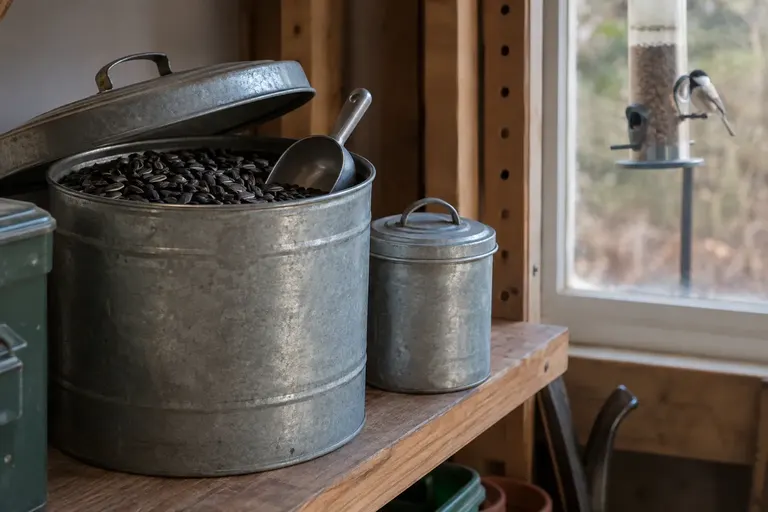
Uncooked rice also stores well compared with oily seeds, because it contains so little fat to go rancid. It can still attract pantry moths and weevils, and it will mold if it gets damp, so the same rules apply as for any seed: keep it cool, dry and sealed. Our guide on how to store bird seed covers containers and pest control.
Can ducks and geese eat rice?
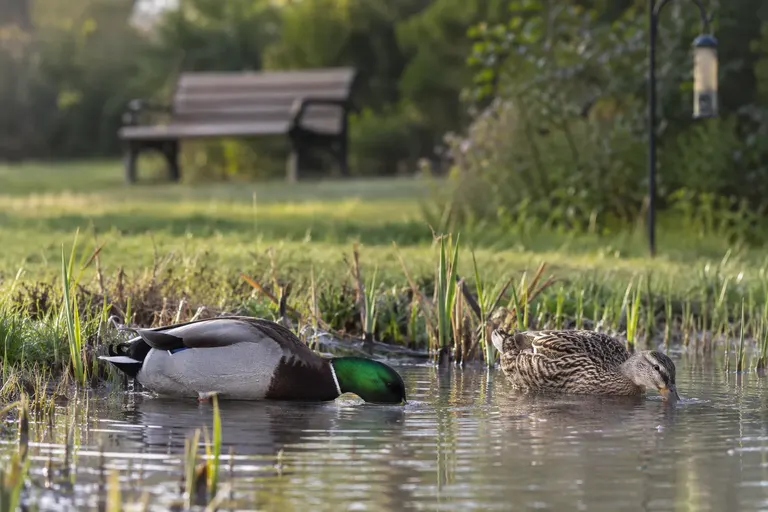
Yes. Ducks and geese are among the biggest consumers of rice in the world, gleaning grains from harvested fields. At ponds and parks, a small amount of raw or plain cooked rice is a better option than bread, which is low in nutrients and pollutes water when uneaten. Better still are foods such as defrosted frozen peas, sweetcorn, oats or duck pellets, which many conservation organizations recommend. Our guide on whether bread is bad for birds explains why bread is a poor choice at the pond.
Keep amounts small. Uneaten food of any kind in ponds decays, feeds algae and can contribute to poor water quality and disease outbreaks among waterfowl.
Is it safe to throw rice at weddings?
From the birds’ point of view, yes. Birds that eat the rice afterward will not be harmed. The reasons many venues discourage rice are practical:
- Rice on stone steps or paving is slippery, which is a hazard for guests.
- It is tedious to clean up.
- It can attract flocks of pigeons and rodents to the venue.
Popular alternatives include dried flower petals, bubbles, dried lavender and small amounts of birdseed. Birdseed can also be slippery and should be swept up after the event. Whatever you use, avoid metallic confetti or plastic glitter, which does not break down and can be swallowed by wildlife.
Other kitchen grains and starches: what is fine?
Rice is one of several starchy foods people often wonder about.
- Oats: Plain rolled oats are a good addition to suet and fat mixes, and ducks eat them too. Offer them raw rather than as cooked porridge, which turns sticky and glutinous.
- Pasta: Plain cooked pasta is safe in small amounts, but like rice it offers mostly starch.
- Bread: Low in nutrients and prone to mold. Occasional crumbs are not dangerous, but it is a poor food.
- Cornmeal and cracked corn: Cornmeal is useful in peanut butter and suet mixes, and cracked corn is a staple for doves and ground feeders.
- Cooked potatoes: Plain cooked potato is safe in small amounts, but raw potato and green skins contain solanine and should be avoided.
For foods that are genuinely risky, see our list of what not to feed birds.
Common mistakes with rice and birds
- Believing the myth and throwing out good rice. Raw rice is not dangerous to birds. If you have old, dry uncooked rice, a small amount on a tray for doves or ducks is fine.
- Offering seasoned leftovers. Salt, butter, oil, onions, garlic and sauces are not suitable.
- Leaving cooked rice out for hours. It spoils fast and draws rats. Our guide to keeping rats away from bird feeders explains why uneaten food is the top attractant.
- Using rice as a main bird food. It lacks the fat and protein birds need, especially in winter and during nesting.
- Putting large amounts in ponds. Uneaten food degrades water quality.
- Offering moldy or sour rice. Mold is a genuine health risk to birds.
Why do bird myths like this spread?
The rice myth has several features that make a myth sticky. It involves a vivid, alarming image. It seems to follow from something everyone has seen, rice swelling in a pot. It is linked to an emotional event, weddings, and it offers a simple, virtuous action: do not throw rice. Once repeated in a trusted source, it spread by word of mouth for decades.
Similar myths include the idea that birds will abandon babies touched by humans, or that birds’ feet freeze to metal perches. In each case, a small grain of plausibility carries a large claim that does not survive a look at the evidence. The best test is always the same: what do wild birds actually do? In the case of rice, they eat it in enormous quantities and are fine.
Quick facts
- There is no evidence that uncooked rice harms birds.
- Rice needs sustained heat to swell much; body temperature is far too low.
- Seed-eating birds grind hard grains in a muscular gizzard.
- Ducks, geese, blackbirds, sparrows, Bobolinks, Java Sparrows and Red-billed Queleas all eat raw rice in the wild.
- Plain cooked rice is safe in small amounts; seasoned rice is not.
- Rice is low in fat and is a poor substitute for sunflower seed, peanuts or suet.
Sources
- Cornell Lab of Ornithology, All About Birds: Bobolink
- Cornell Lab of Ornithology, All About Birds: Red-winged Blackbird
- National Audubon Society: audubon.org
- Royal Society for the Protection of Birds: rspb.org.uk
Frequently asked questions
Does uncooked rice make birds explode?
No. This is one of the best-known bird myths, and there is no evidence for it. Rice absorbs water slowly and needs heat to swell much; it does not expand enough in a bird's crop or gizzard to cause harm. Many wild birds, including ducks, geese, blackbirds, sparrows and Bobolinks, eat large amounts of raw rice in and around rice fields.
Is cooked rice good for birds?
Plain cooked rice is safe for birds in small amounts, but it is not especially good for them. It is mostly starch, low in the fat and protein birds need, and it spoils quickly. Never offer rice cooked with salt, butter, oil, sauces, onions or seasonings. Put out only what birds eat within an hour or two, and remove leftovers.
Can I throw rice at a wedding?
Throwing rice will not harm birds that eat it afterward. Many venues discourage it for other reasons: rice is slippery underfoot, hard to clean up and can attract pigeons and rodents. Alternatives such as dried petals, bubbles or small amounts of birdseed avoid those problems, though birdseed can also be slippery and should be swept up.
Which birds eat rice in the wild?
Rice fields feed many birds worldwide. In North America, ducks and geese glean waste rice in flooded fields, and Bobolinks were once called ricebirds. In Asia, Eurasian Tree Sparrows, munias and Java Sparrows eat ripening rice. In Africa, Red-billed Queleas are major rice eaters. In southern Brazil, blackbirds and whistling ducks feed in rice fields.
Is brown rice better than white rice for birds?
Brown rice keeps the bran layer, so it has somewhat more fiber, fat, B vitamins and minerals than white rice. For wild birds, neither is a particularly important food. If you want to offer grain, seeds such as white proso millet and black oil sunflower are better suited to backyard birds. Rice is best seen as an occasional, harmless leftover rather than a staple.