Peanuts for Birds: Safe Types, Feeders and Timing
Peanuts for birds are safe when plain, unsalted and aflatoxin-tested. Offer them in a rigid mesh feeder, never loose in spring, and store them cool and dry.
In this article
- Quick answer: peanuts for birds at a glance
- Can birds eat peanuts safely?
- Which peanuts are safe for birds?
- What is aflatoxin, and how do you avoid it?
- What is the legal aflatoxin limit for bird peanuts?
- How can you tell if peanuts have gone bad?
- Whole, crushed, shelled or in-shell: which form for which bird?
- Are whole peanuts dangerous for baby birds?
- When should you put peanuts out?
- Which birds eat peanuts?
- Which peanut eaters top the Big Garden Birdwatch?
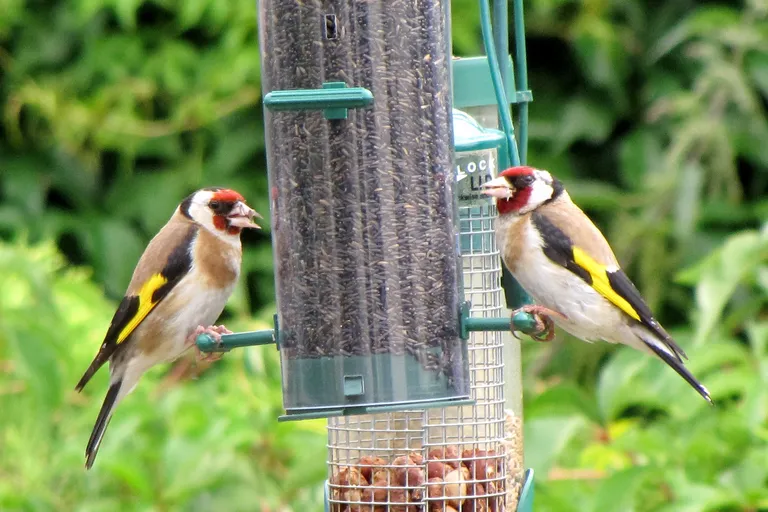
- What’s the best way to offer peanuts?
- How do you stop squirrels eating the peanuts?
- How should you store peanuts?
- Is peanut butter a safe alternative?
- What should you do if sick birds appear at the peanut feeder?
- How do peanuts fit into a winter menu?
- Sources
- Frequently asked questions
Yes, peanuts are a safe, high-energy food for birds, as long as they’re plain, unsalted and bought from a supplier that tests for aflatoxin. Offer them in a rigid steel mesh feeder so birds peck off small pieces, never put loose whole peanuts out when birds are nesting, and keep your stock cool and dry.
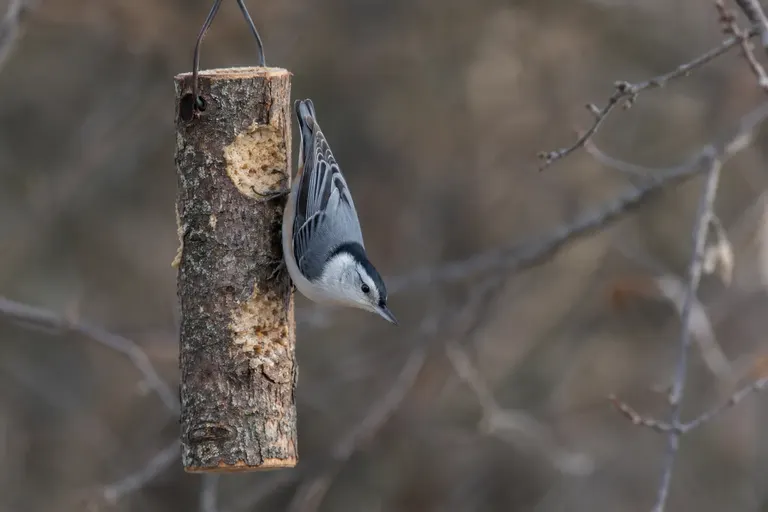
Peanuts are one of the best foods for bringing tits, chickadees, nuthatches, woodpeckers and jays to a feeder. The details matter, though, and the advice now differs between countries. This guide covers which peanuts are safe, which form suits which bird, when to offer them, and how to keep squirrels and mold out of the picture.
Quick answer: peanuts for birds at a glance
| Question | Short answer |
|---|---|
| Are peanuts safe for birds? | Yes, if plain, unsalted and fresh |
| Salted or flavored peanuts? | Never |
| Roasted peanuts? | Cornell says plain roasted is fine; European societies prefer raw |
| Main hidden risk | Aflatoxin, a toxin from mold; buy tested peanuts |
| Best feeder | Rigid steel mesh feeder, holes about 6 mm |
| Loose whole peanuts? | Only for jays and crows, and not in the nesting season |
| Plastic or nylon nets? | No, birds can trap their feet |
| Storage | Cool, dry, sealed, small quantities |
Can birds eat peanuts safely?
Yes. The BTO notes that peanuts are high in oils and proteins and have been used to feed birds for many decades. That energy is exactly what small birds need on cold days.
Two problems cause almost all of the harm linked to peanuts: additives such as salt, and contamination with aflatoxin. A third, choking, applies to nestlings in spring. Avoid all three and peanuts are among the most useful foods you can offer.
Which peanuts are safe for birds?
Choose plain peanuts with nothing added. The RSPB lists all salted foods among the things never to feed birds, and Project FeederWatch says to avoid salted peanuts and any roasted with coatings or flavorings. That rules out party snacks, honey-roasted nuts and spiced mixes.
Raw versus roasted is where advice splits. FeederWatch says raw or roasted peanuts are both fine for North American feeders, as long as they’re plain. The LPO in France and Vogelbescherming Nederland both specify unroasted, unsalted peanuts. Most peanuts sold for wild birds are raw anyway, so the simple rule is: buy peanuts packed for wild birds from a reputable supplier, and skip anything seasoned.
What is aflatoxin, and how do you avoid it?
Aflatoxin is a naturally occurring toxin made by certain molds that grow on peanuts and some grains. The RSPB warns that poor quality peanuts can carry aflatoxin, which kills birds, and advises buying peanuts guaranteed aflatoxin-free. The RSPB’s own peanut range states that any batch with detectable aflatoxin is rejected.
How common is it? A 2020 study by Lawson and colleagues, published in Science of the Total Environment, tested foods sold for wild birds at the point of sale in Great Britain. Most peanut samples were negative, but 10% (10 of 98) contained aflatoxin B1 above the maximum permitted limit of 20 µg/kg. The same study didn’t show aflatoxin forming during storage under British conditions, but the authors still recommend a precautionary approach. In practice, the supplier’s testing is your best protection.
Practical steps:
- Buy from a seller that states its peanuts are tested for aflatoxin.
- Avoid cheap, unlabeled peanuts of unknown origin.
- Throw out any peanuts that look moldy, discolored or smell musty.
- Keep them dry, because damp food at the feeder can still grow mold.
What is the legal aflatoxin limit for bird peanuts?
In the EU and the UK, plain peanuts sold as animal feed may contain no more than 0.02 mg/kg of aflatoxin B1, which is the same as 20 µg/kg. That ceiling comes from Directive 2002/32/EC on undesirable substances in animal feed, and it’s the limit the Lawson study measured against. Peanuts sold as food for people face a much stricter limit.
The limits apply to feed at 12% moisture, and the UK kept the same annex after Brexit:
| Product | Aflatoxin B1 limit | Rule |
|---|---|---|
| All feed materials, such as plain peanuts | 20 µg/kg (0.02 mg/kg) | Directive 2002/32/EC, Annex I |
| “Other complete feedingstuffs” | 10 µg/kg (0.01 mg/kg) | Directive 2002/32/EC, Annex I |
| “Other complementary feedingstuffs” | 5 µg/kg (0.005 mg/kg) | Directive 2002/32/EC, Annex I |
| Peanuts sold to people or used as a food ingredient | 2 µg/kg (4 µg/kg for all aflatoxins combined) | Regulation (EU) 2023/915 |
The feed limit is ten times higher than the food limit, and a limit only protects birds if someone checks each batch. The 2020 study found no significant difference between branded and unbranded products. A seller’s clear statement about its own batch checks tells you more than a familiar name on the bag. These are European and British rules; in North America, ask the seller for the same kind of statement.
How can you tell if peanuts have gone bad?
You can’t see, smell or taste aflatoxin itself. The Singapore Food Agency describes aflatoxins as odorless, tasteless and colorless, and notes that they survive high processing temperatures such as roasting. What you can spot are the warning signs that go with poor quality: mold, damp, discolored or shrivelled nuts, and a rancid smell. Treat any of them as a reason to bin the batch.
| What you notice | What it may mean | What to do |
|---|---|---|
| Black, green or grey mold on the kernels | Mold growth; Vogelbescherming warns that black mold on peanuts can carry aflatoxin | Bin the whole batch and tell the seller |
| Dark, discolored or shrivelled kernels | Damaged or poor-quality nuts; food-safety agencies advise sorting these out | Remove them, or bin the bag if many are affected |
| A rancid, sour or musty smell | The oil in the nuts has spoiled | Bin them |
| Damp nuts, or nuts stuck together in clumps | Moisture has got in, and mold needs moisture | Bin them, then clean and dry the storage container |
| No information about origin or aflatoxin checks | Unknown quality | Buy from a supplier that states its checks |
A batch that looks perfect can still be over the limit, so the supplier’s checking matters more than your own eyes. Hong Kong’s Centre for Food Safety tells the nut trade to sort out moldy, discolored or rancid kernels. For seed in general, our guide to whether bird seed goes bad covers shelf life and warning signs.
Whole, crushed, shelled or in-shell: which form for which bird?
Different forms suit different birds and seasons. This table pulls together guidance from the RSPB, BTO, NABU, Vogelbescherming and the Cornell Lab.
| Form of peanut | Which birds | When | How to offer |
|---|---|---|---|
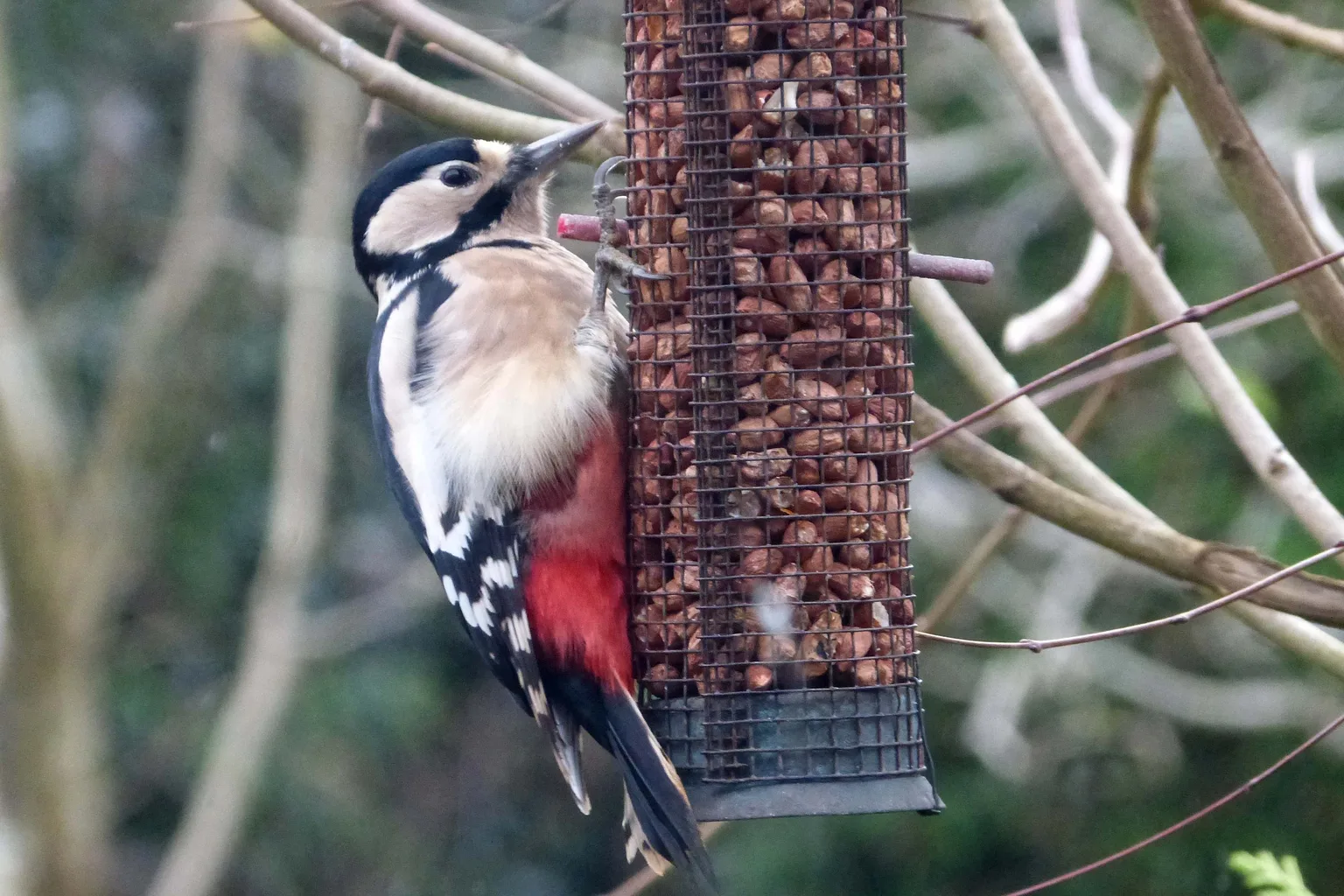
| Shelled whole peanuts | Tits, chickadees, nuthatches, woodpeckers, siskins | Autumn and winter | Rigid steel mesh feeder only, so birds peck off small pieces |
| In-shell peanuts | Blue Jays, Eurasian Jays, crows, magpies | Autumn and winter | Tray, platform or railing, in small amounts |
| Crushed or chopped peanuts (splits, granules) | Blackbirds, finches, sparrows, tits | Autumn and winter | Tray or hopper; small pieces are easier for softbills |
| Peanut cakes and fat blocks with peanuts | Woodpeckers, tits, nuthatches | Mostly cold months | Suet or cake cage |
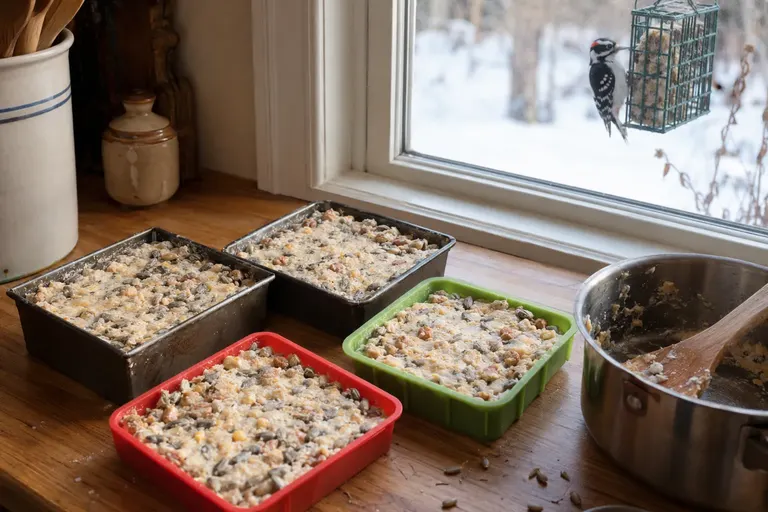
| Peanut butter mixes | Clinging birds such as tits, nuthatches and woodpeckers | Cooler months | Log feeder or cage; see our peanut butter guide |
| Loose whole peanuts | Jays and crows only | Never during nesting | Avoid in spring and summer |
NABU’s species list says jays and magpies take whole peanuts, while blackbirds, blue tits, great tits and chaffinches prefer them chopped. FeederWatch makes the same split in North America: jays grab several peanuts at once and fly off to hide them, while chickadees, nuthatches and titmice do better with shelled nuts.
Are whole peanuts dangerous for baby birds?
They can be. The RSPB advises against putting out dry, hard foods in spring or summer because parent birds may carry them to the nest, where young can choke. NABU says plainly that young birds can choke on large peanut fragments or whole sunflower seeds. Vogelbescherming Nederland adds that adult birds peck small pieces off peanuts in a feeder and never give whole peanuts to their young.
The fix is simple. If you offer peanuts while birds are nesting, and your local guidance allows it, use a rigid mesh feeder and nothing else. The RSPB recommends a mesh of about 6 mm: large enough to protect beaks, small enough to stop big pieces being pulled out. In-shell peanuts on a tray belong to the colder months.
When should you put peanuts out?
This depends on where you live. Guidance changed in the UK in 2026, so check the advice for your country.
| Country | National guidance on peanuts |
|---|---|
| United Kingdom | RSPB and BTO advise feeding seeds and peanuts from November to April and pausing from May to October to cut the spread of finch trichomonosis |
| France | The LPO recommends feeding broadly from mid-November to the end of March |
| Germany | NABU says feeding helps most in winter, November to February, with extra care from April to July while young are raised |
| Netherlands | Vogelbescherming says garden birds can be fed all year, with peanuts always in a peanut feeder |
| North America | No national pause like the UK one; the Cornell Lab stresses keeping food dry and feeders clean |
The UK change matters. In June 2026 the RSPB asked people to pause seeds and peanuts from 1 May to 31 October, because finches such as greenfinches and chaffinches crowd around these foods and spread trichomonosis. The BTO explains that the disease risk is highest in the post-breeding period. Suet and mealworms can still be offered in moderation in that window. For a wider view of summer feeding, see should you feed birds in summer.
Which birds eat peanuts?
Many more than you might expect, and the cast changes by continent.
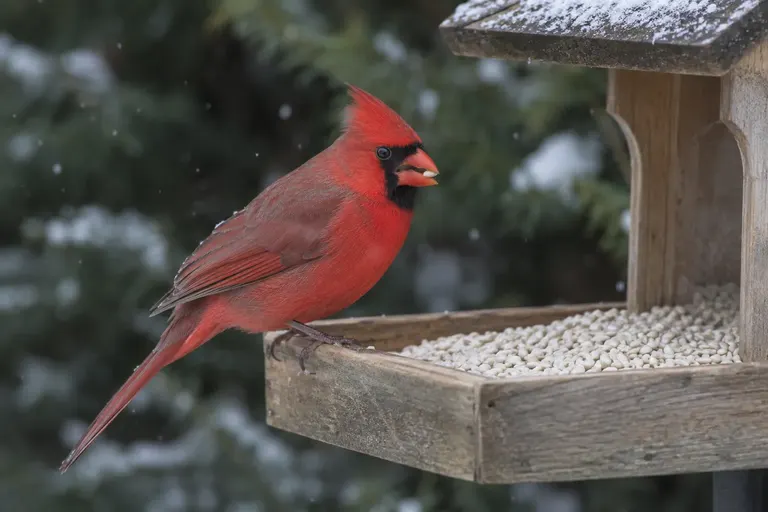
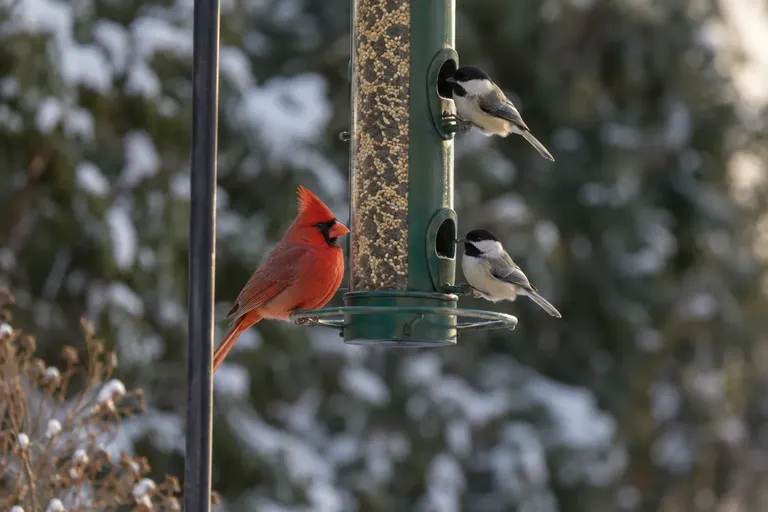
North America. The Cornell Lab names jays, crows, chickadees, titmice and woodpeckers as big peanut fans, and FeederWatch adds nuthatches. Blue Jays are the showstoppers: they carry off in-shell peanuts to cache them. Our Blue Jay guide covers how to attract them.
UK and Europe. Vogelbescherming lists tits, sparrows, chaffinches, greenfinches, woodpeckers, nuthatches and treecreepers among peanut eaters. The RSPB recommends mesh peanut feeders for tits and says in-shell peanuts are likely to attract jays, crows and magpies. NABU adds blackbirds and bramblings for chopped peanuts.
Which peanut eaters top the Big Garden Birdwatch?
Several of the UK’s most-counted garden birds will take peanuts, though not all in the same form. In the RSPB’s Big Garden Birdwatch 2026, 650,279 people took part, and the top five were house sparrow, blue tit, starling, woodpigeon and blackbird.
| Species | Big Garden Birdwatch 2026 | How it takes peanuts |
|---|---|---|
| House sparrow | 1st | Broken nut pieces, according to NABU |
| Blue tit | 2nd | Peanuts, preferably chopped, from a mesh feeder (NABU, RSPB) |
| Blackbird | 5th | Chopped peanuts on a tray or the ground (NABU) |
| Greenfinch | 18th | Nut pieces (NABU); see the disease note below |
Starlings are better known at fat ball feeders. Jays, woodpeckers and nuthatches outside the top five are classic peanut birds too.
The greenfinch line matters most. The RSPB says other surveys show a decline of more than 65% in three decades, the species is now on the UK Red List, and there is strong evidence linking the losses to trichomonosis, which spreads more easily where birds gather at feeders. That’s the reasoning behind the UK pause on seeds and peanuts from May to October.
What’s the best way to offer peanuts?
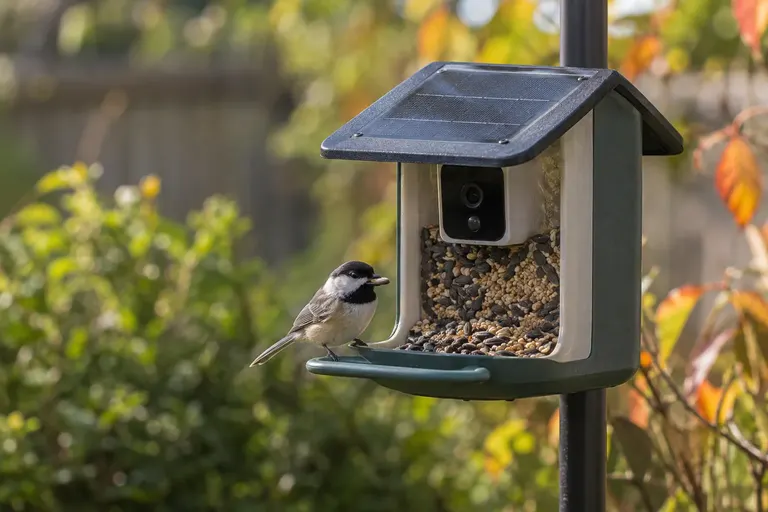
Use a rigid steel mesh feeder for shelled peanuts. It’s the single change that solves most problems: birds take small pieces, nestlings aren’t at risk, and less food spills. Hang it near cover but away from spots where cats can ambush.
Avoid plastic or nylon nets, including the nets that some peanuts and fat balls are sold in. The RSPB warns that mesh bags can trap birds’ feet, and Vogelbescherming says the same about plastic peanut nets, which also end up as litter.
For in-shell peanuts, a tray or platform works for jays, but put out only a handful at a time. FeederWatch suggests shelled peanuts can also go in a small hopper or on a platform feeder. The Cornell Lab advises changing the food often in rainy or humid weather and cleaning tube feeders each time you empty them. Our feeder cleaning guide has the steps.
How do you stop squirrels eating the peanuts?
Squirrels love peanuts, and the Cornell Lab notes they’re also favored by bears, raccoons and other animals that shouldn’t be subsidized. A peanut feeder hung from a branch rarely stays squirrel-free for long.
Three things help most:
- A caged peanut feeder. An outer cage lets small birds in and keeps squirrels and larger birds out.
- A pole with a baffle. Mount the feeder on a pole well away from jumping points and add a baffle below.
- Smaller portions. Less food on offer means less reason for squirrels to keep trying.
See our guides on keeping squirrels off bird feeders and squirrel-proof bird feeders for detail.
The RSPB also lists two other options: weight-activated feeders that close when something heavy lands on them, and pole guards that stop animals climbing up to the feeder.
How should you store peanuts?
The BTO advises keeping peanuts in a cool, dry place and buying them in small quantities so they don’t sit around for too long. The Cornell Lab says the same: peanuts are prone to aflatoxin, so keep them dry and use them fairly quickly.
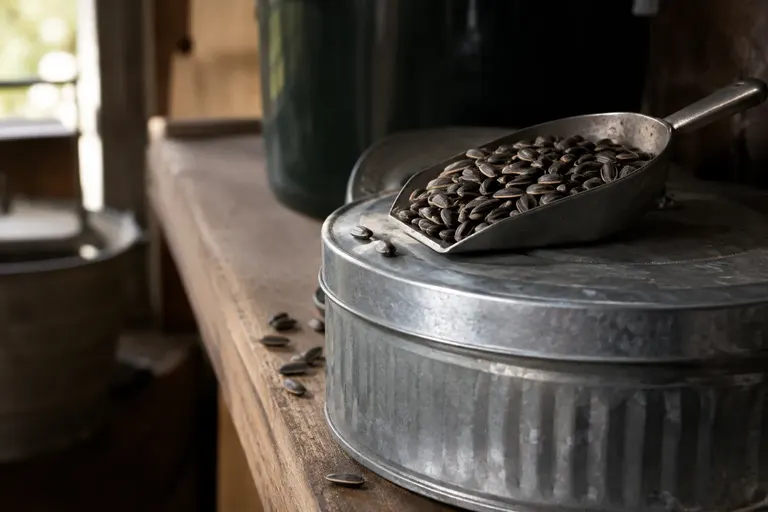
A sealed metal bin in a dry shed or garage works well and keeps rodents out. Never top up a feeder with damp or clumped nuts. Our guide to storing bird seed covers containers and shelf life for all feeder foods.
Is peanut butter a safe alternative?
It can be, if you watch the temperature and the label. The Cornell Lab says grocery-store peanut butter is safe for birds while cool weather keeps it fairly firm. In warm weather it can go rancid or soft, soft peanut butter can stick to birds’ mouths, and separated oil can reach eggs through the feathers of nesting birds.
European advice is stricter on the product itself. Vogelbescherming Nederland says never to buy peanut butter meant for people, because it often contains salt, and to use peanut butter made for birds instead. It also suggests hanging peanut butter in the shade, since it spoils faster in very warm weather. Clean the holder often, because peanuts support fungal growth. Our full guide on whether you can feed birds peanut butter goes further.
What should you do if sick birds appear at the peanut feeder?
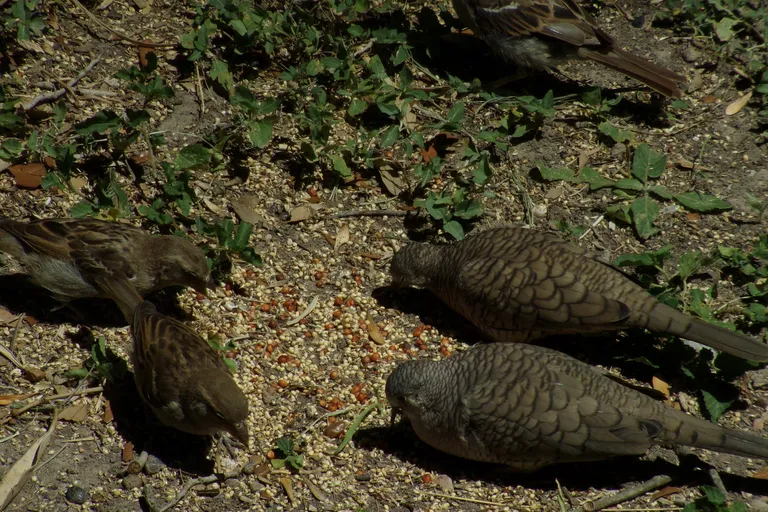
Stop feeding and clean everything. Vogelbescherming Nederland advises a two-week break if you see sick or dead birds, because feeders bring birds close together and speed up infection. Sick birds sit fluffed up, look dull and are unusually tame. In greenfinches with trichomonosis, NABU describes foamy saliva that makes eating difficult, and unusual thirst.
A simple routine:
- Take feeders and bird baths down. Two weeks is the Vogelbescherming minimum. NABU goes further in summer: if more than one sick or dead bird turns up, stop feeding until the next winter.
- Clean and disinfect. The Cornell Lab suggests a hot dishwasher cycle, or soap and boiling water, or a bleach solution of no more than 1 part bleach to 9 parts water, with a 10-minute soak. Rinse well and let everything dry completely.
- Restart in a new spot. Wear gloves while cleaning, as NABU advises, and move the feeder when you start again.
Our guide to sick birds at the feeder covers the common diseases and when to report dead birds.
How do peanuts fit into a winter menu?
Peanuts work best as one part of a varied offering. Pair a mesh peanut feeder with sunflower seed and suet and you’ll cover most garden and backyard birds through the cold months. Our guide to what to feed birds in winter puts peanuts alongside the other high-fat foods.
Sources
- RSPB: How and what to feed your garden birds
- RSPB: What to feed garden birds in nesting season (June 2026)
- BTO: Feeding garden birds
- Lawson et al. 2020: Aflatoxin and Ochratoxin A residues in supplementary foods used for wild birds
- Cornell Lab, All About Birds: Feeding birds, a quick guide to seed types
- Project FeederWatch: Peanuts
- Directive 2002/32/EC on undesirable substances in animal feed, Annex I (legislation.gov.uk)
- CBI: Entering the European market for groundnuts (EU aflatoxin limits for food)
- Singapore Food Agency: Aflatoxins and food safety
- Centre for Food Safety Hong Kong: Food Safety Focus, aflatoxins in peanuts
- RSPB: The Big Garden Birdwatch 2026 results are in
- NABU: Wer frisst was? (PDF, German)
- NABU: Tote Grünfinken durch Trichomonaden (German)
- Cornell Lab, All About Birds: About suet, mealworms, and other bird foods
- Cornell Lab, All About Birds: How to clean your bird feeder
- Vogelbescherming Nederland: Mogen jonge vogels pinda(kaas) eten? (Dutch)
- Vogelbescherming Nederland: Hygiënisch vogels bijvoeren, 6 tips (Dutch)

Frequently asked questions
Can birds eat salted peanuts?
No. Salted peanuts, and peanuts roasted with coatings or flavorings, should never go in a feeder. The RSPB lists all salted foods among the things not to give birds, and the Cornell Lab's Project FeederWatch also says to avoid salted or coated peanuts. Buy plain peanuts sold for wild birds, or plain unsalted peanuts sold for people, and check the label before you fill the feeder.
Can birds eat roasted peanuts?
Plain roasted peanuts with no salt, oil or coating aren't harmful, and Project FeederWatch says raw or roasted peanuts are both fine. European societies such as the LPO and Vogelbescherming Nederland recommend unroasted peanuts, and most peanuts sold for wild birds are raw. If you have a choice, pick plain raw peanuts from a supplier that tests for aflatoxin.
Do peanuts attract rats?
They can. Any food that drops to the ground, including peanut fragments, can draw rats and mice. A rigid mesh feeder with a tray underneath cuts spillage, and offering only what birds clear in a day or two means less food sits out overnight. Don't scatter loose peanuts on the ground or on open tables if rodents have already found your garden.
Should I put out whole peanuts for birds in spring?
Not loose ones. Whole nuts and large chunks can choke nestlings, so the RSPB, NABU and Vogelbescherming all advise against offering whole peanuts that adult birds can carry to the nest. If you feed peanuts in spring where your local guidance allows it, keep them in a rigid mesh feeder so birds can only peck off small pieces.
How long do peanuts last for birds?
Kept cool, dry and sealed, peanuts store well, but the BTO recommends buying in small quantities so they don't sit around for long. In the feeder, they spoil faster in rain and humid weather. Empty and clean the feeder if peanuts get damp, and throw away any that look moldy, discolored or smell musty.
Is there a legal limit for aflatoxin in peanuts for birds?
Yes, in the EU and the UK. Directive 2002/32/EC caps aflatoxin B1 in feed materials such as plain peanuts at 0.02 mg/kg, or 20 µg/kg, at 12% moisture. Peanuts sold as food for people must meet a limit of 2 µg/kg under Regulation (EU) 2023/915, ten times stricter. A 2020 study found 10 of 98 bird peanut samples in Britain above the feed limit.