How to Keep a Birding Life List: Rules, Tools and Tips
How to keep a birding life list: set your counting rules first, log sightings in eBird or Merlin, add date and place, and keep a backup. Simple and honest.
In this article
- Quick answer: how to start a life list today
- What is a life list in birding?
- What counts on a birding life list?
- What geographic area should your life list cover?
- Best tools for keeping a life list
- What details should you record for each lifer?
- Should you keep separate photo and “heard only” lists?
- How to add old sightings to a life list
- How taxonomy changes affect your life list
- Common life list mistakes
- How to grow your life list without burning out
- Is a life list competitive?
- Sources
- Frequently asked questions
A birding life list is a record of every bird species you have identified at least once, and the best way to keep one is simple: decide your counting rules up front, log each new species with the date and place, and use a tool that will still exist in 20 years. For most people that means eBird, which is free, run by the Cornell Lab of Ornithology, and builds your list automatically from the checklists you submit. A paper notebook alongside it adds the memories an app cannot.
This guide explains what counts, the tools worth using, the details to record, how to handle taxonomy changes, and the extra lists (yard, year, county) that keep birding fun long after your life list slows down.
Quick answer: how to start a life list today
- Pick your rules. Decide whether heard-only birds count and what geographic area your list covers.
- Choose a home for the list. eBird for a searchable, lasting record; Merlin for a lighter, casual list; a notebook for the story behind each bird.
- Log your first entries. Start with birds you are certain of, with date and location.
- Backdate carefully. Add older sightings only if you are confident of the ID and roughly when and where it happened.
- Back it up. Export or copy your list at least once a year.
What is a life list in birding?
A life list is a running tally of every species you have personally identified. Each species appears once, usually with the date and place you first recorded it. That first sighting is called a “lifer.”
Life lists are personal. There is no referee, and the only person you can fool is yourself. That is why experienced birders value honesty in listing so highly: a list you trust is a record of real experiences, and a padded list is not worth much to anyone.
People keep life lists for different reasons:
- Memory. Each entry marks a morning, a trip or a person you birded with.
- Motivation. A target list gives a reason to explore new habitats.
- Learning. Chasing new species forces you to study field marks, songs and ranges.
- Science. If you keep your list through eBird, the checklists behind it contribute to research on bird distribution and population trends.
What counts on a birding life list?
There is no single law of listing, but most North American birders borrow from the American Birding Association’s recording rules. In plain terms, a bird generally counts if:
- It is alive. Dead birds do not count.
- It is wild and unrestrained. Birds in zoos, aviaries, rehab facilities or cages do not count, nor do pinioned waterfowl or released game birds.
- It is of a countable species. For native birds that is straightforward. Introduced species count only once they are established as breeding populations, such as European Starlings and House Sparrows. A single escaped pet parrot does not.
- You identified it yourself. Help from others is fine, but you need to see or hear it and be sure of the ID.
- It was within the area your list covers.
- It was observed ethically. The ABA ties its recording rules to its Code of Birding Ethics.
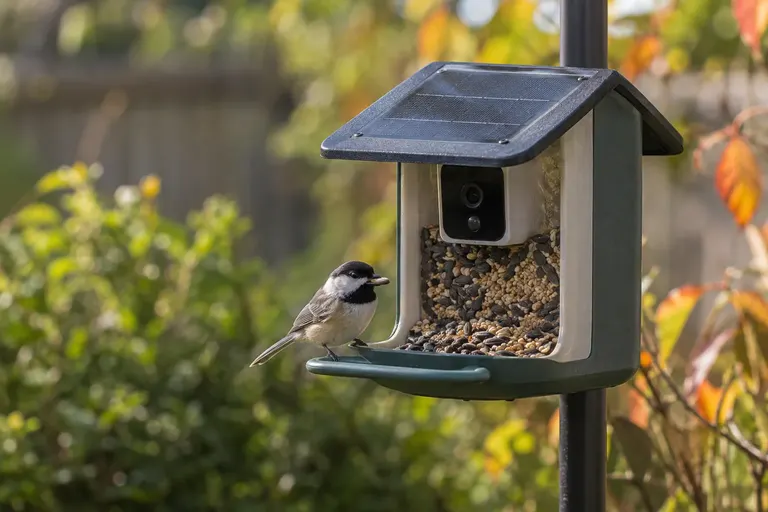
eBird’s own rules line up closely. It asks for observations of wild, living birds and excludes dead birds, captive birds, eggs alone, and anything detected only by remote cameras. That last point matters for smart feeder owners: a bird photographed by your feeder camera while you were away is a nice record, but by eBird’s standard it is not a personal observation.
Do heard-only birds count?
Yes, under ABA rules, a bird identified with certainty by its song or call counts. eBird also accepts heard-only records. Many birders count them, some keep a separate “heard only” mark, and a few insist on a visual. Owls, rails and nightjars are often heard far more than seen, so this choice affects your list more than you might expect.
If you rely on sound, be strict. Sound ID apps are helpful but can be fooled, especially by mimics like Northern Mockingbirds and Blue Jays. Confirm with your own ears, or better, a view. Our guide to using Merlin Sound ID without getting fooled covers how to check a suggestion before you count it.
What about “countable” versus “provisional” birds?
When you see a bird you are not quite sure about, do not add it yet. Write it down as a possible, with notes and photos, and come back to it. A life list with a few gaps is far better than one with birds you quietly doubt.
What geographic area should your life list cover?
Your “life list” can mean your world list, or a list for a defined region. The most common regional list in North America is the ABA Area list. The ABA Area covers the United States and Canada plus the French islands of St. Pierre et Miquelon and nearby ocean waters. Hawaii was added to the ABA Area in 2016, which means Hawaiian birds count toward ABA Area lists for sightings made after that change.
Many birders keep several at once:
| List type | What it covers | Why keep it |
|---|---|---|
| World life list | Everything, everywhere | The full record |
| ABA Area list | US and Canada (plus a few adjacent areas) | Most common North American benchmark |
| State or province list | One state or province | Motivates local exploring |
| County list | One county | Popular with competitive local birders |
| Yard list | Birds seen or heard from your property | Great for backyard birders |
| Year list | Species in one calendar year | Resets every January 1 |
| Patch list | One park or route you visit often | Tracks changes over time |
eBird generates most of these automatically from your checklists, which is one of its biggest advantages.
Best tools for keeping a life list
eBird: the standard for a lasting record
eBird is managed by the Cornell Lab of Ornithology and is free on the web and as a mobile app. You submit checklists (a list of birds at one place, on one date, with a set observation method), and eBird builds your life list, year lists, state and county lists from them. It works offline in the field and syncs later.
Why it is the default for serious listing:
- Automatic lists. No manual tallying.
- Taxonomy updates. When species are split or lumped, your records are updated.
- Location detail. Each lifer is tied to an exact place and date.
- Science value. Complete checklists feed into bird research and conservation.
- Longevity. It has been running since 2002 and has broad institutional support.
The learning curve is small but real. Our guide on how to use eBird explains checklists, hotspots and alerts step by step.
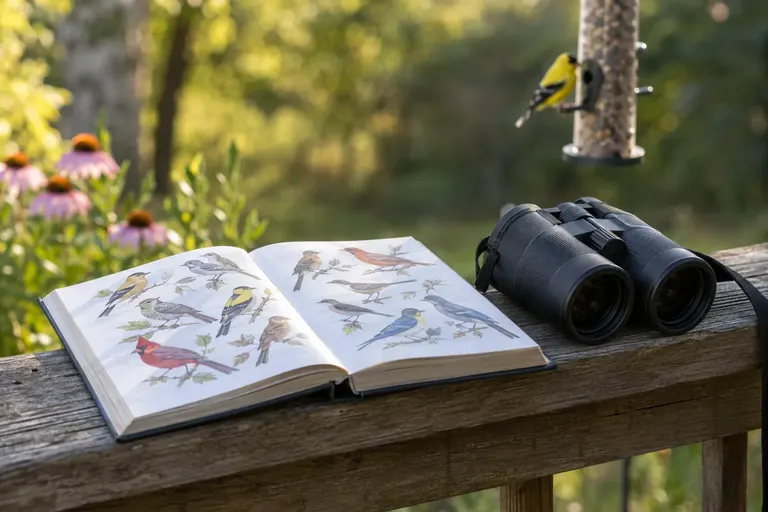
Merlin: an easy list for casual birders
Merlin Bird ID, also free from the Cornell Lab, is mainly an identification app. It includes a “Save My Bird” feature: when Merlin helps you identify a bird, you can tap “This is my bird!” and it is added to a personal list. Merlin describes it as a digital scrapbook.
That makes Merlin a gentle starting point for backyard birders who do not want to learn checklists yet. The trade-off is less structure than eBird. Our comparison of bird ID apps covers Merlin, eBird, Audubon and Sibley side by side.
Paper notebooks: still worth it
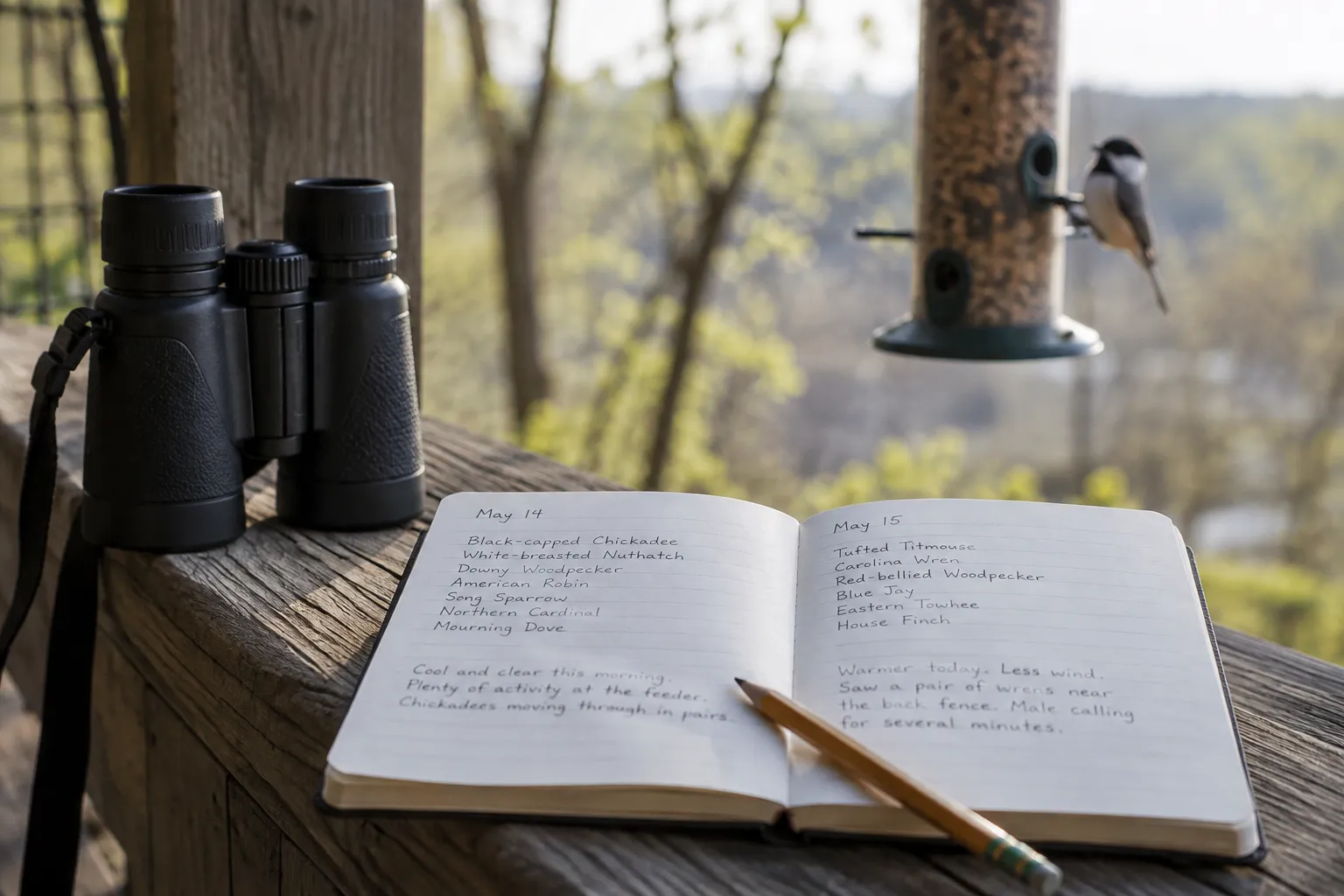
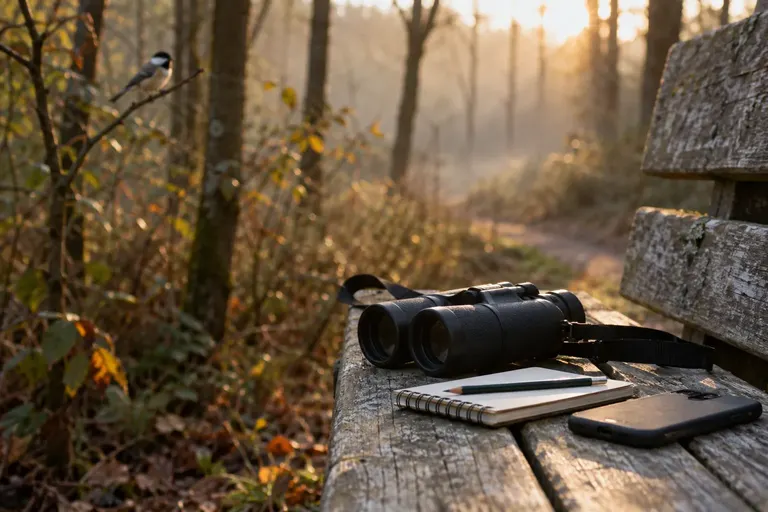
A field notebook is not obsolete. It captures what apps do not: the weather, the sound of the song, who you were with, a rough sketch of a confusing bird. Many birders keep an app as the official record and a notebook for the story.
If you go the paper route:
- Use a notebook with numbered pages and a durable cover.
- Write the date and location at the top of each outing.
- Mark lifers clearly, for example with a star.
- Once a year, enter the lifers into eBird or a spreadsheet as a backup.
Spreadsheets and printed checklists
Some birders track lists in a spreadsheet with columns for species, date, location, and notes. It is flexible and yours forever, but you must handle taxonomy changes yourself. Printed checklists, such as the ones found at the back of many field guides, are a nice way to tick off birds as you go. Our roundup of field guides notes which ones include checklists.
Tool comparison
| Tool | Cost | Auto lists | Taxonomy updates | Best for |
|---|---|---|---|---|
| eBird | Free | Yes | Automatic | Anyone wanting a lasting, detailed record |
| Merlin (Save My Bird) | Free | Basic | Built in | Casual and backyard birders |
| Paper notebook | Low | No | Manual | Memories, sketches, notes |
| Spreadsheet | Free | With effort | Manual | Tinkerers who want full control |
What details should you record for each lifer?
At minimum, record:
- Species name (common name is fine; scientific name helps if taxonomy shifts).
- Date.
- Location, as specific as practical.
- How you identified it: seen, heard, or both.
Worth adding when you can:
- Field marks you used to confirm the ID.
- Photos or audio, even a rough phone recording.
- Habitat and behavior.
- Companions, if you birded with others.
- Weather, especially for migrants.
These details turn a list into a record you can defend, and they make rare sightings far easier for local experts or eBird reviewers to accept.
A sample life list entry
Here is what a useful entry looks like in a notebook or spreadsheet, using a common backyard lifer as an example:
| Field | Example |
|---|---|
| Species | White-throated Sparrow (Zonotrichia albicollis) |
| Date | First Saturday of November |
| Location | Back yard, under the platform feeder, plus the town name |
| Detected by | Seen and heard |
| Field marks | White throat patch, yellow spot in front of the eye, striped crown |
| Notes | Scratching in leaf litter with juncos; sang a thin “Old Sam Peabody” whistle |
| Media | Phone photo through the kitchen window |
It takes about a minute to write, and years later it tells you exactly what you saw and why you were sure.
Should you keep separate photo and “heard only” lists?
Many birders find it useful to keep parallel lists alongside the main one.
- A photo list tracks species you have photographed yourself. It is a fun second challenge for people who enjoy cameras, and the images double as documentation.
- A heard-only list makes it obvious which species you still want to see. Converting a heard-only bird into a visual sighting is a satisfying goal in its own right, especially for owls, rails and secretive wrens.
- A “needs confirmation” list holds birds you think you saw but could not confirm. Review it after you learn more; some entries will graduate to the life list, and some will quietly drop off.
eBird can help with the first two, because you can attach your own photos and sound recordings to the species on each checklist. For the third, a simple note in your phone or notebook is enough.
The point of extra lists is not to complicate things. It is to keep your main life list clean and trustworthy while still capturing everything you noticed.
How to add old sightings to a life list
Many people start a formal list years after they began watching birds. Adding old sightings is fine, with some care.
- Add only birds you are sure of. If you cannot remember the field marks, leave it off.
- Estimate honestly. eBird lets you submit historical checklists; use the best date and location you can reasonably reconstruct.
- Use photos to jog your memory. Old vacation photos often carry dates and locations in their files.
- Do not stress about precision for common backyard birds. You will see them again soon and can log them properly.
How taxonomy changes affect your life list
Bird classification changes over time as researchers learn more, often from genetic studies. The American Ornithological Society publishes updates for North America, and eBird uses the Clements Checklist, which it updates regularly, usually once a year.
- Splits. One species becomes two or more. If you have seen both, your list grows. If you are not sure which one you saw, eBird may leave the record at the broader level.
- Lumps. Two species merge into one. Your list shrinks by one.
- Name changes. A common name may change without changing the bird. Your list count stays the same.
Life list totals are famously affected by this. Even very long lists, like that of the late world lister Phoebe Snetsinger, have been revised after taxonomic changes. This is a good reason to keep your records in a tool that updates automatically, or to note scientific names on paper lists.
Common life list mistakes
- Counting a bird you did not identify yourself. If you only heard a friend say “there it goes,” it does not count.
- Counting a guess. A maybe is not a lifer. Write it down as a possible and wait.
- Counting birds from a feeder camera. Remote-sensed images do not count under eBird’s rules.
- Counting captive or escaped birds. A zoo flamingo or a loose pet cockatiel is not countable.
- Changing your rules halfway. Decide on heard-only and geographic rules early.
- Not backing up. A notebook can be lost, and an app account can be forgotten. Export your data.
- Letting the list replace the birding. The list should serve the experience, not the other way around.
How to grow your life list without burning out
Your first 100 species often come quickly, especially if you start in your own yard. After that, each new bird takes more effort. A few ways to keep it rewarding:
- Start at home. A yard list teaches you the common birds so well that unusual ones stand out. Our guide to backyard birding covers how to attract more species.
- Visit new habitats. Wetlands, grasslands, coasts and forests each hold birds you will never see at a feeder.
- Bird during migration. Spring and fall bring species that pass through for only a few weeks.
- Learn songs. Many lifers are heard long before they are seen.
- Bird with others. Local Audubon chapters and bird clubs run free walks, and leaders know where target species are.
- Use eBird’s targets tool. It shows species reported near you that are not yet on your list.
- Get good optics. Better binoculars show field marks that confirm tricky IDs. Our best binoculars for birding roundup is a good place to start.
Is a life list competitive?
It can be, but it does not have to be. Some birders enjoy friendly rankings, such as eBird’s Top 100 lists for regions, or a “Big Year” of seeing as many species as possible in a calendar year. Others never compare numbers with anyone.
Both approaches are valid. What matters is that your list is honest and that it keeps you going outside, paying attention and learning. A careful list of 150 backyard and local species can mean more than a hurried list of 500.
Sources
Frequently asked questions
What counts on a birding life list?
Most birders follow rules similar to the American Birding Association's recording rules: the bird must be alive, wild and unrestrained, of a species you identified yourself, and seen or heard in the area the list covers. Birds in zoos, aviaries or cages do not count. Your list is personal, so the key is to pick your rules and apply them consistently.
Do heard-only birds count on a life list?
Under ABA recording rules, a bird you identify with certainty by sound counts, and eBird accepts heard-only observations too. Some birders choose to count only birds they have seen, or mark heard-only species separately. Either approach is fine as long as you are consistent and honest with yourself.
What is the best app for keeping a life list?
eBird is the most widely used free tool. It is run by the Cornell Lab of Ornithology, builds your life list automatically from the checklists you submit, and updates it when taxonomy changes. Merlin, also free from the Cornell Lab, lets you save birds you identify into a simple personal list, which suits casual backyard birders.
Does a bird count if someone else identified it for me?
Under ABA-style rules, you need to identify the bird yourself, but it is fine to learn from others. If a friend points out a bird and you see or hear it and confirm the field marks, most birders count it. If you never saw or heard it yourself, it does not count.
What happens to my life list when a species is split or lumped?
When scientists split one species into two, your list may gain a species if you have seen both, or you may need to review which one you saw. When two species are lumped, you lose one. eBird applies taxonomy updates to your records automatically, usually once a year. A paper list must be updated by hand.