Christmas Bird Count: What It Is and How to Join
The Christmas Bird Count runs December 14 to January 5 and it's free. How to find a count circle, join a field team or count from your feeder at home.
In this article
- Christmas Bird Count at a glance
- When is the Christmas Bird Count?
- Is it free, and do I need to be an expert?
- How do I join the Christmas Bird Count?
- How does counting from home work?
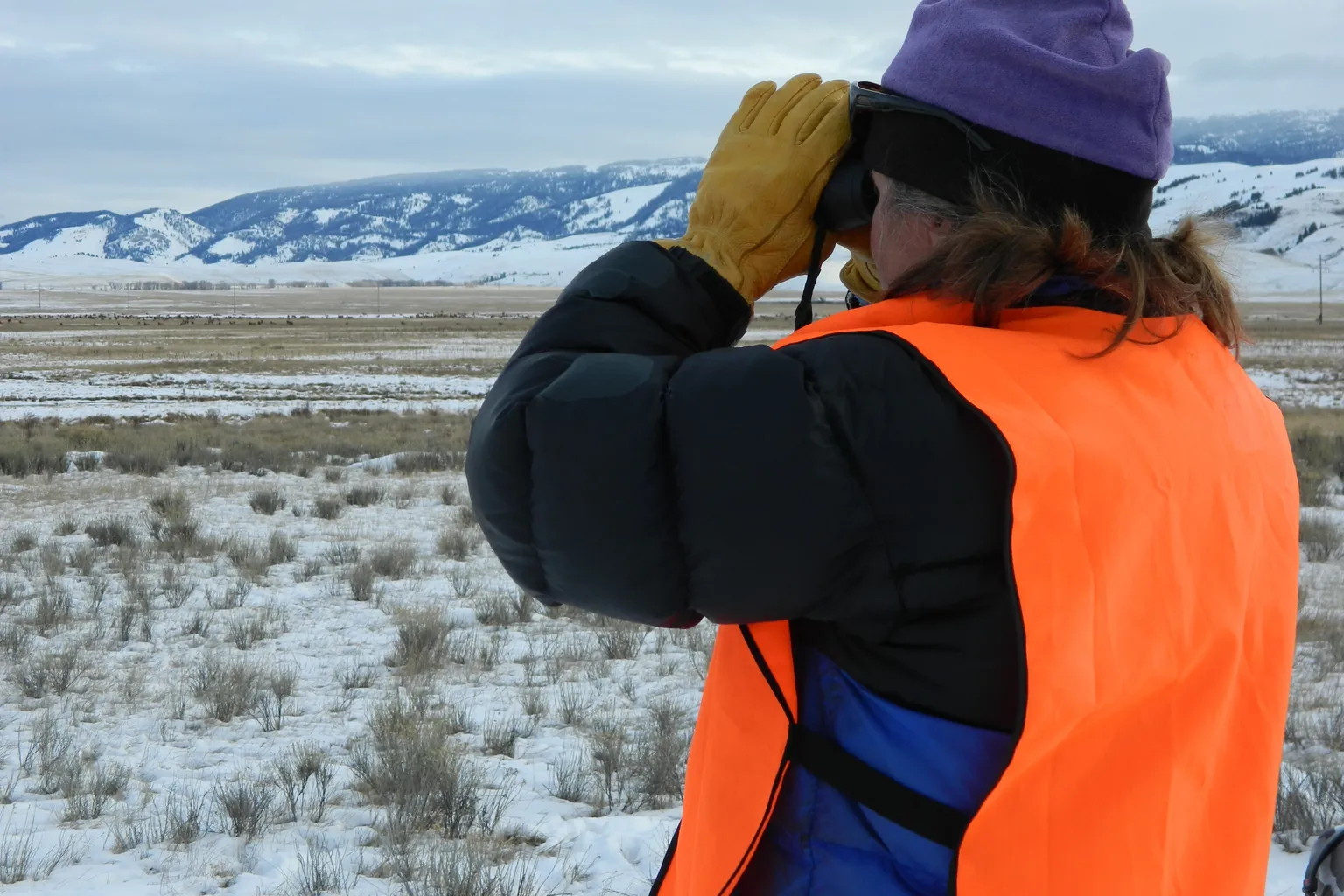
- What is a field count day like?
- What should I bring?
- What happens to the data?
- Can kids take part, and what if I can’t make the dates?
- Sources
- Frequently asked questions
The Christmas Bird Count is a free volunteer bird survey run by the National Audubon Society every winter between December 14 and January 5. To join, find a count circle near you with Audubon’s Circle Finder, contact the local compiler, and either join a field team for the day or count the birds at your feeder if you live inside the circle.
It’s one of the longest-running community science projects in the world. It began on Christmas Day 1900, when ornithologist Frank Chapman and 26 other conservationists proposed counting birds instead of hunting them, and it has run every winter since. The 2026-27 season is the 127th count.
Christmas Bird Count at a glance
| Question | Answer |
|---|---|
| Who runs it | National Audubon Society (Birds Canada coordinates counts in Canada) |
| 2026-27 dates | Any single day from December 14, 2026 to January 5, 2027 |
| Cost | Free |
| Where | More than 2,800 count circles from Canada to Chile |
| Size of a circle | 15 miles wide |
| Skill level | All levels welcome |
| Ways to take part | Field count with a team, or feeder count at home inside a circle |
| How to sign up | Circle Finder on audubon.org, then register with the compiler |
When is the Christmas Bird Count?
Every count happens on one calendar day between December 14 and January 5, inclusive. Each local circle picks its own date, so there may be several counts near you on different days, and some keen birders join more than one.
Audubon describes the count as a 24-hour period on one calendar day. In practice most volunteers count during daylight, with a few early starts for owls.
Is it free, and do I need to be an expert?
Yes, it’s free, and no, you don’t need to be an expert. Audubon says participation is open to birders of any level. The only costs are your own travel, binoculars and warm clothes.
Each circle has a compiler who recruits, trains and guides the volunteers. New people are usually paired with someone who knows the area and its birds. As a beginner you can spot birds, keep the tally sheet or count flocks while a more experienced birder names them. It’s one of the best ways to learn, because you spend a whole day next to people who identify birds by sight and sound.
If you’re just starting out, our beginner’s guide to birding and our guide on how to identify birds cover the basics.
How do I join the Christmas Bird Count?
Find a circle on Audubon’s Circle Finder, register with its compiler, and turn up on count day. Here’s the full sequence.
- Find a circle. Open Audubon’s Christmas Bird Count Circle Finder and look for circles near you. Each circle is 15 miles wide, so one may cover your town even if the center is some distance away.
- Contact the compiler. Every circle lists a volunteer compiler. Email them, say you’d like to take part, and mention your experience and whether you’d prefer the field or your feeder.
- Get your assignment. The compiler tells you which team or area you’ll cover, when and where to meet, and how they want results reported.
- Count on the day. Go out with your team or watch your feeder, and record every bird you see or hear.
- Hand in your numbers. Send your tally to your team leader or compiler, in the format they asked for. Some circles use paper forms, others take eBird checklists.
If nobody replies: compilers are volunteers and the weeks before the count are their busiest. Try again after a week, or pick a neighboring circle. Local Audubon chapters and bird clubs often post count details on their own websites too.
How does counting from home work?
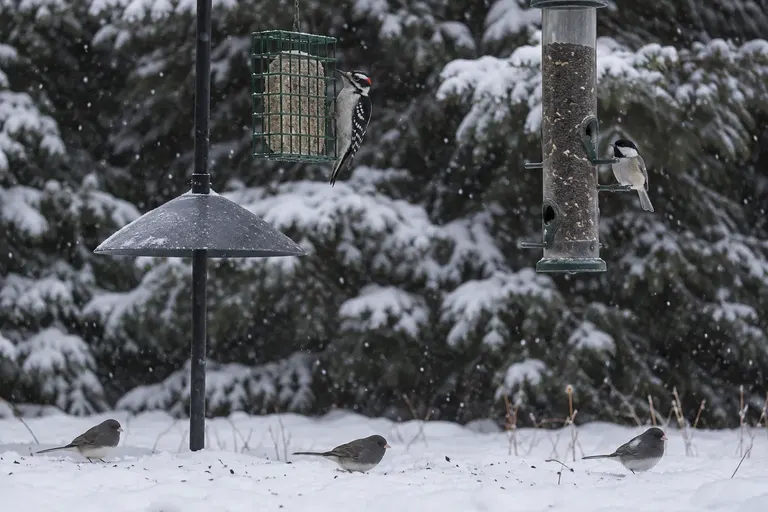
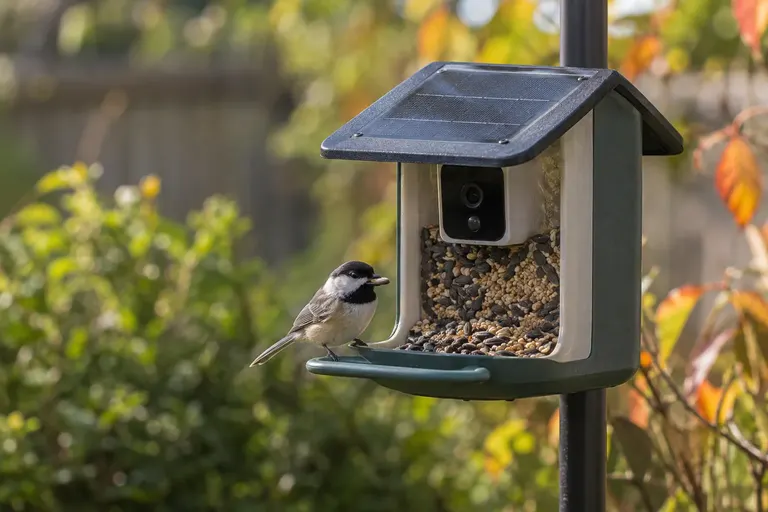
If your home is inside a count circle, you can count the birds that visit your feeder instead of joining a field team. Audubon allows this as long as you’ve arranged it with the compiler beforehand, so your numbers are included and not counted twice.
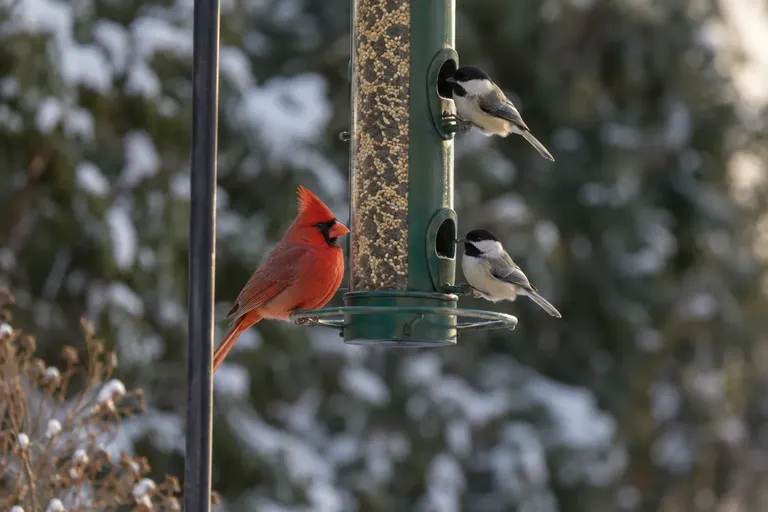
Feeder counters record the highest number of each species seen at one time, not the total number of visits. Audubon’s feeder counting guide, as shared by the Audubon Society of Western Pennsylvania, explains why: a bird that leaves and comes back may be the same individual. If you see 3 chickadees at 9 a.m. and 5 at noon, you report 5, not 8.
Also record how long you watched, to the nearest quarter hour. Compilers use that effort figure to make sense of the totals.
To bring more birds in on count day, see our guides to winter bird feeding and what to feed birds in winter.
What is a field count day like?
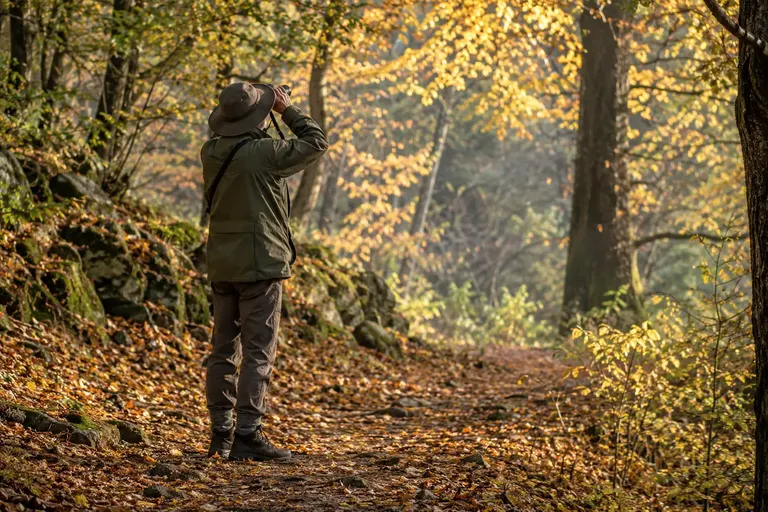
A field count means covering an assigned part of the circle during daylight, alone or in a group, and recording every bird. Every circle runs things a little differently, but a typical day looks like this:
- Before dawn: some teams go out early to listen for owls.
- Morning: your team walks or drives its area, stopping at ponds, woods, hedgerows and fields. Mornings are usually the busiest time for bird activity.
- Midday: a short break to warm up and eat.
- Afternoon: covering spots you missed and checking for anything unusual.
- Evening: many circles hold a gathering where teams share totals and compare the day’s best sightings.
Expect a long, cold day. If you need to leave early, tell your team leader so they know which areas are covered.
What should I bring?
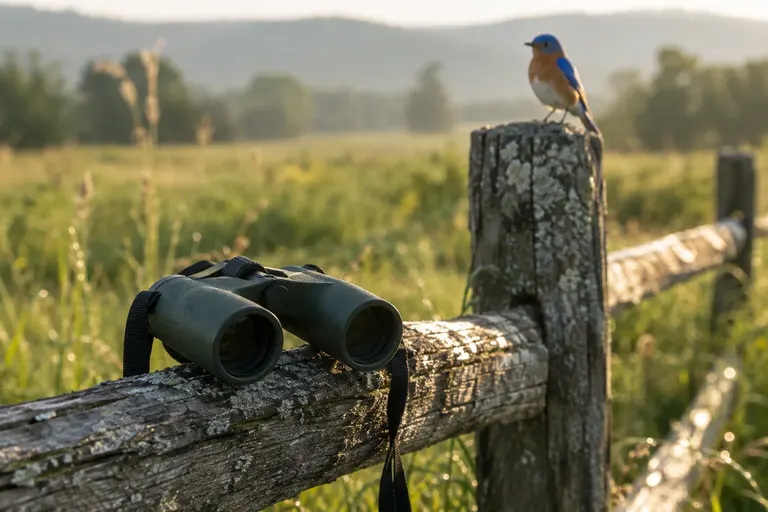
Bring binoculars, warm layers and a way to record what you see. Audubon notes you’ll need your own transportation, binoculars and weather-appropriate clothing. A practical kit list:
- Binoculars. A basic 8x42 pair is plenty. See our picks for the best binoculars for beginners.
- Warm layers. A hat, gloves you can use binoculars in, and waterproof boots. Our guide to what to wear birding covers winter kit.
- Something to write with. A notebook and pencil, since ink can struggle in the cold, or a phone with a checklist app.
- Food and drink. Snacks, a hot drink and water.
- An ID aid. A field guide or an identification app for checking tricky birds.
What happens to the data?
Compilers summarize each circle’s results and submit them to Audubon. The combined database goes back more than a century, and Audubon says the data has been cited in more than 300 peer-reviewed articles. Scientists use it to track how bird populations and winter ranges change over time.
The count has also kept growing. Audubon reports more than 2,800 circles across the United States, Canada, Latin America, the Caribbean and the Pacific Islands. You can explore past results for any circle on Audubon’s website.
Because the same circles are counted in the same way year after year, a single day’s numbers matter more than they seem. One feeder report of five chickadees is small on its own, but combined with thousands of other reports from the same circles over decades, it becomes part of a long-term record that no single research team could collect alone. That’s also why compilers care about effort figures such as hours watched.
Can kids take part, and what if I can’t make the dates?
Yes, children can take part with a parent or guardian. Ask your compiler or local Audubon chapter which teams suit families, and see our tips for birding with kids.
If the dates don’t work for you, there are other counts:
| Project | When | Minimum effort | Run by |
|---|---|---|---|
| Christmas Bird Count | December 14 to January 5 | One count day in a circle | Audubon, with Birds Canada |
| Great Backyard Bird Count | Four days each February | 15 minutes, anywhere | Cornell Lab, Audubon, Birds Canada |
| eBird | Any day of the year | One checklist | Cornell Lab of Ornithology |
The Great Backyard Bird Count asks you to watch birds for 15 minutes or more, at least once over its four days, anywhere you find birds. eBird takes checklists year-round. See how to use eBird to get started.
Sources
- National Audubon Society: Christmas Bird Count
- National Audubon Society: Join or Start a Christmas Bird Count
- National Audubon Society: Answers to your top questions about the Christmas Bird Count
- National Audubon Society: Join Audubon’s 126th Annual Christmas Bird Count
- Audubon Society of Western Pennsylvania: Christmas Bird Count Guide for Feeder Counting
- Great Backyard Bird Count: How to Participate

Frequently asked questions
When is the 2026-27 Christmas Bird Count?
Audubon runs every Christmas Bird Count between December 14 and January 5, so the 2026-27 season covers December 14, 2026 to January 5, 2027. Each local count circle picks one calendar day inside that window. Find your nearest circle on Audubon's Circle Finder and ask the compiler which day they've chosen.
Does it cost anything to join the Christmas Bird Count?
No. Audubon says there is no fee to take part and the count is open to birders of any level. You do need to bring your own transportation, binoculars and clothing for the weather. Contact the compiler of your local count circle to register before count day.
Can I do the Christmas Bird Count from home?
Yes, if your home is inside a count circle. Audubon allows you to report the birds visiting your feeder on count day as long as you've arranged it with the compiler first. Feeder counters usually record the highest number of each species seen at one time, plus the hours spent watching.
Do I need to be an expert birder to take part?
No. Audubon says all skill levels are welcome. The compiler recruits, trains and guides participants, and beginners are usually placed with more experienced birders. A newcomer can help by spotting birds, keeping the tally sheet or counting flocks while someone else confirms the identification.
What happens to Christmas Bird Count data?
Compilers summarize each circle's results and submit them to Audubon, which keeps a database stretching back more than a century. Audubon says the data has been cited in more than 300 peer-reviewed articles and helps scientists follow how bird populations change over time. You can browse past results for any circle on Audubon's website.