Backyard Birding: Turn Your Yard Into a Bird Magnet
Backyard birding made simple: offer food, water, cover and nest sites, plant natives, keep feeders clean and windows safe. Here is how to draw more species.
In this article
- Quick answer: the backyard birding checklist
- Why backyards matter for birds
- Step 1: Start with the right feeder and food
- Step 2: Add water, the most underrated bird attractor
- Step 3: Build cover with layers
- Step 4: Plant native plants for birds
- Step 5: Offer nest boxes
- Step 6: Make your yard safe for birds
- Backyard birding in a small space
- How to identify the birds that visit your yard
- Backyard birding calendar: what to do each season
- Common backyard birding mistakes
- How to enjoy what you attract
- Sources
- Frequently asked questions
The fastest way to succeed at backyard birding and turn a yard into a bird magnet is to give birds the four things they look for: food, water, cover and safe places to nest. A single feeder of black oil sunflower seed, about 10 feet from dense shrubs or trees, brings the first visitors. A birdbath, layered native plants and a nest box are what turn a few regulars into dozens of species over a year. Clean feeders, safer windows and indoor cats keep those birds alive to come back.
This guide walks through each piece in order of impact, with specific steps, plant ideas by region, a seasonal calendar and the mistakes that keep yards quiet.
Quick answer: the backyard birding checklist
| Need | What to provide | Birds it attracts |
|---|---|---|
| Food | Black oil sunflower in a tube or hopper feeder; add suet and nyjer later | Chickadees, titmice, cardinals, finches, nuthatches, woodpeckers |
| Water | Shallow birdbath, cleaned and refilled every couple of days | Robins, bluebirds, warblers, plus most feeder birds |
| Cover | Dense shrubs, evergreens, brush piles within about 10 feet of feeders | Sparrows, wrens, towhees, cardinals |
| Nest sites | Nest boxes sized for local species, dead trees where safe | Bluebirds, chickadees, wrens, swallows |
| Native plants | Oaks, native shrubs, berry producers, seed flowers | Nearly all songbirds, especially when raising young |
| Safety | Window markings, indoor cats, clean feeders | Every bird in the yard |
Why backyards matter for birds
Backyards are not a side note in bird conservation. A 2019 study in the journal Science estimated that North America has lost about 2.9 billion breeding adult birds since 1970, more than one in four. Common species were hit hard, including some familiar backyard birds such as Dark-eyed Juncos and White-throated Sparrows.
The 3 Billion Birds campaign, backed by the Cornell Lab of Ornithology and partners, lists simple actions anyone can take. Several happen right in the yard: make windows safer, keep cats indoors, reduce lawn and plant natives, avoid pesticides, and watch birds and share observations. A yard set up well for birds is both more enjoyable to watch and a genuine help.
Step 1: Start with the right feeder and food
Food is the fastest way to bring birds in.
Which bird feeder should a beginner buy?
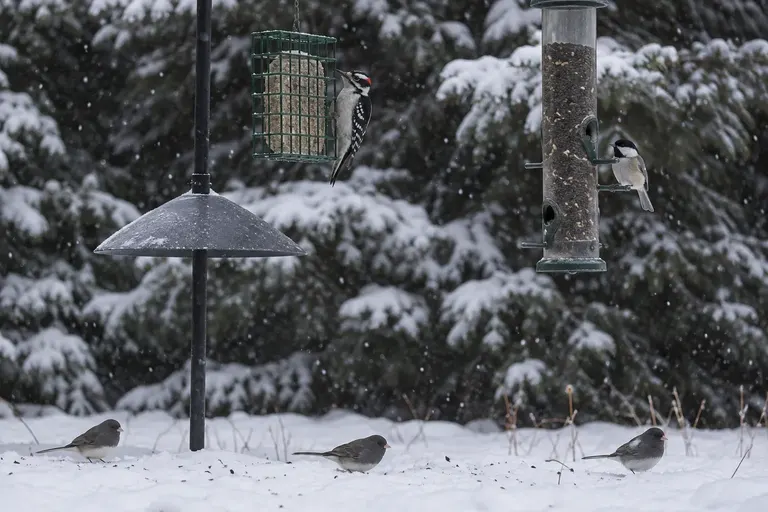
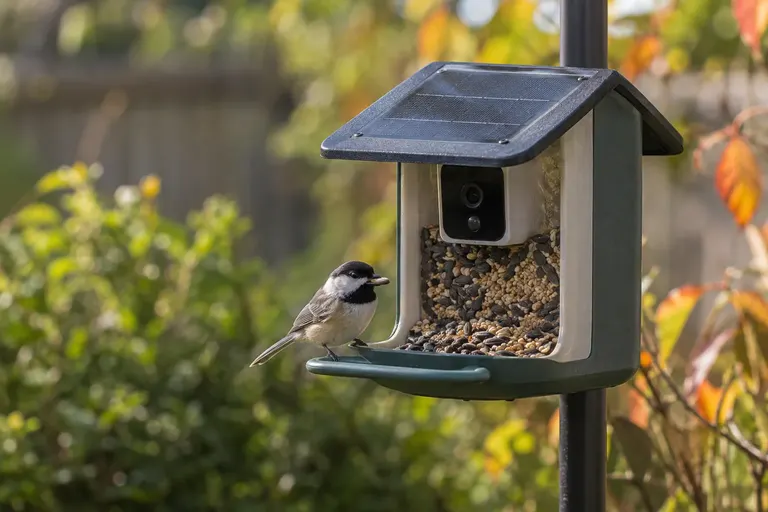
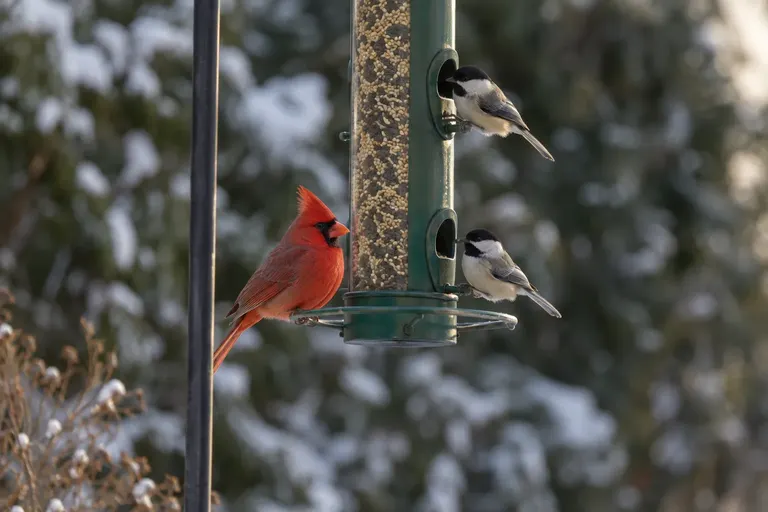
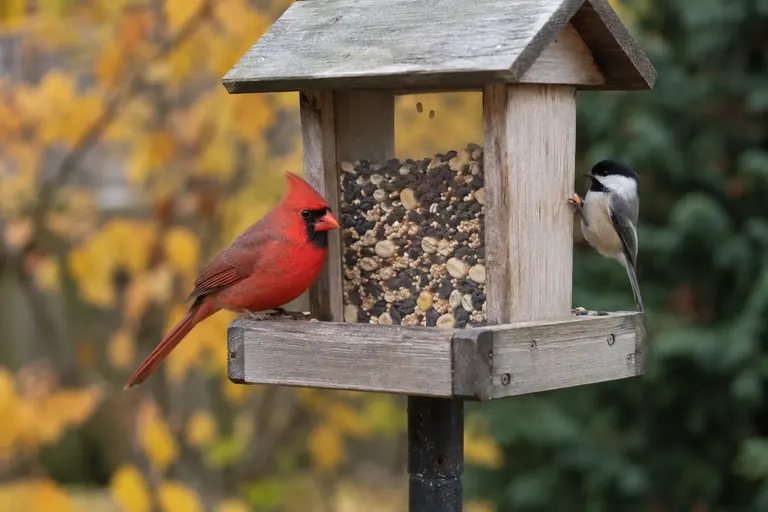
A tube feeder or a hopper feeder is the best first choice. Both hold enough seed for several days, keep it relatively dry, and suit the widest range of common feeder birds. Project FeederWatch notes that tube feeders with short perches favor small birds such as finches and chickadees, while larger hoppers also accommodate bigger birds like cardinals, jays and doves.
Our roundup of the best bird feeders compares designs. If squirrels are already eyeing your yard, a pole-mounted feeder with a baffle placed well away from launch points solves most problems before they start.
What seed attracts the most birds?
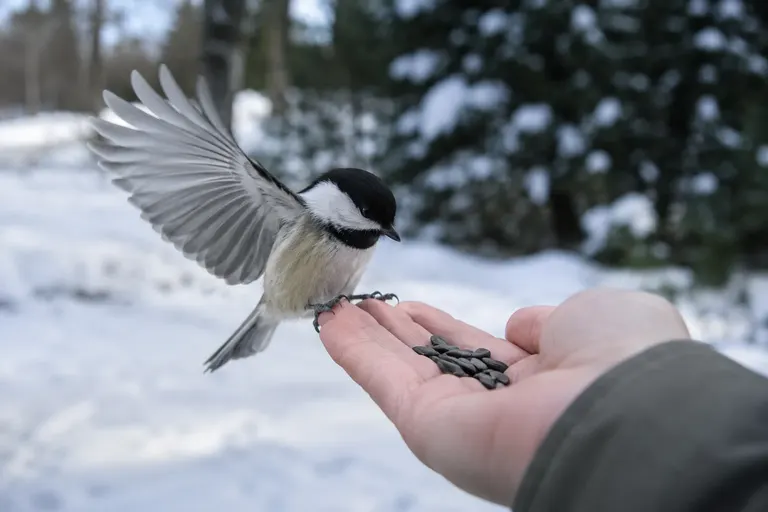
Black oil sunflower seed. FeederWatch describes it as high in energy with thin shells, which makes it the preferred food for a wide variety of birds, including cardinals, chickadees, finches and sparrows. Our guide to black oil sunflower seed explains why it is the one seed to start with.
Once birds are visiting, add foods to widen the guest list:
| Food | Feeder type | Main visitors |
|---|---|---|
| Black oil sunflower | Tube, hopper, platform | Most feeder birds |
| Suet | Suet cage | Woodpeckers, nuthatches, chickadees, wrens |
| Nyjer (thistle) | Finch tube with small ports or mesh | American Goldfinches, other finches |
| White proso millet | Platform or ground | Juncos, sparrows, doves |
| Safflower | Hopper or platform | Cardinals; less popular with squirrels and grackles |
| Peanuts (unsalted) | Mesh or platform | Jays, titmice, chickadees, woodpeckers |
| Mealworms | Dish or platform | Bluebirds, wrens, chickadees |
| Nectar (4:1 water to sugar) | Hummingbird feeder | Hummingbirds |
| Orange halves, grape jelly | Oriole feeder | Orioles, catbirds |
Avoid cheap mixes heavy in red milo, wheat and filler that many birds toss aside. Also avoid bread and salted or flavored foods.
Where should you put a bird feeder?
About 10 feet from dense shrubs or trees, where birds can escape hawks but squirrels and cats cannot ambush. Keep it either within about 3 feet of a window or well away, and at least 10 feet from anything a squirrel can leap from. Most importantly, put it where you can see it. Our full guide on where to put a bird feeder explains the reasoning behind each number.
Step 2: Add water, the most underrated bird attractor
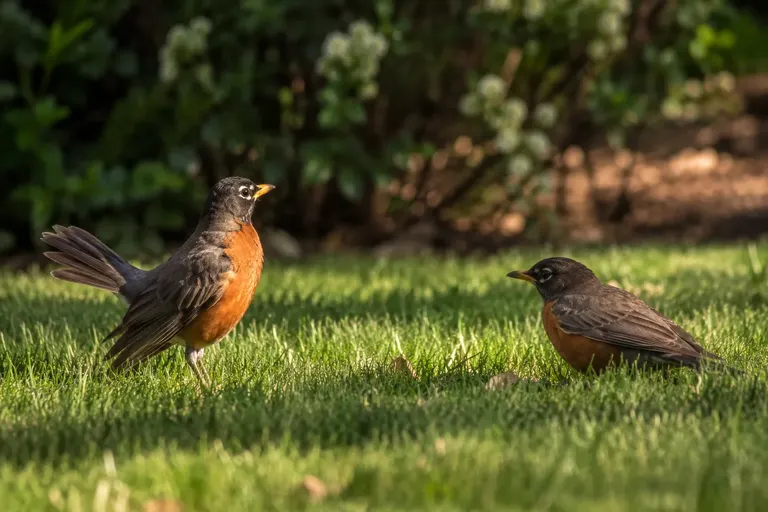
A birdbath often brings birds that ignore feeders entirely. American Robins, Eastern Bluebirds, Cedar Waxwings and migrating warblers all drink and bathe regularly.
What makes a good birdbath:
- Shallow. About 1 to 2 inches deep at most, sloping gently from the edge. Small birds will not use deep water. Mass Audubon suggests adding stones to shallow baths so small birds can stand.
- Rough bottom so birds do not slip.
- Near cover, but not right beside a shrub where a cat can hide. Several feet of open ground around it gives birds time to spot danger.
- Moving water from a dripper or small bubbler draws birds from farther away, because they notice the sound and sparkle.
- Clean. FeederWatch recommends replacing the water every couple of days and scrubbing the bath regularly. Stagnant water grows algae and can breed mosquitoes.
In freezing climates, a heated birdbath or a birdbath heater keeps water open. FeederWatch warns never to use antifreeze, and Mass Audubon adds that glycerin is also harmful. Our guide to winter bird feeding covers cold-weather water in more detail.
Step 3: Build cover with layers
Birds do not feel safe in open lawn. They need places to hide from hawks, shelter from wind and rain, and perches to stage from before flying to a feeder.
Think in layers, like a natural woodland edge:
- Canopy: tall trees, ideally native oaks, maples or conifers.
- Understory: smaller trees such as dogwoods, serviceberries or redbuds.
- Shrub layer: dense native shrubs, including evergreens for winter cover.
- Ground layer: native perennials, grasses and leaf litter.
Evergreens deserve special mention. Conifers such as spruce, pine, fir, juniper and eastern red cedar offer year-round shelter from wind and predators, and many produce seeds or berries.
Make a brush pile
A loose pile of branches, prunings or an old Christmas tree in a back corner is one of the cheapest habitat upgrades. Ground-feeding birds such as sparrows, towhees and wrens use it for shelter and foraging, especially in winter.
Leave the leaves
Fallen leaves under shrubs hold insects, spiders and seeds that birds forage for. Rake them off paths and lawn if you like, but leave a layer in beds.
Step 4: Plant native plants for birds
Feeders supplement a bird’s diet; native plants form the foundation of it. The reason is insects. Most songbirds, even seed eaters, feed their nestlings mostly insects, especially caterpillars. Many insects can only eat the specific plants they evolved with, so a yard of non-native ornamentals can look green but offer little food.
Research by entomologist Doug Tallamy has become the most cited example: it found that a single pair of Carolina Chickadees needs several thousand caterpillars to raise one brood. That is why native trees and shrubs, which host far more caterpillars than most imported ornamentals, matter so much.
How to choose native plants for your area
Audubon’s Native Plants Database lets you enter your zip code and returns a list of native plants suited to your area, with information on which birds they support. It is the easiest place to start. Local native plant societies and extension services are also good sources.
Proven native plant groups by region
These are widely recommended starting points. Always confirm a plant is native to your specific area.
| Region | Trees | Shrubs | Flowers and grasses |
|---|---|---|---|
| Northeast and Midwest | Oaks, black cherry, serviceberry | Viburnums, dogwoods, winterberry | Coneflowers, black-eyed Susan, goldenrods, asters |
| Southeast | Oaks, eastern red cedar, flowering dogwood | American beautyberry, wax myrtle, native hollies | Coneflowers, native sunflowers, coral honeysuckle |
| Great Plains | Bur oak, hackberry | Chokecherry, American plum | Prairie grasses, sunflowers, blazing star |
| Southwest | Mesquite, desert willow | Native sages, hackberry | Penstemons, desert marigold |
| West Coast and Pacific Northwest | Native oaks, madrone | Toyon, elderberry, native currants | Native sages, California poppy, lupines |
Plant for every season
Aim for something useful in each season: spring flowers and new leaves full of caterpillars, summer berries, fall seeds and fruit for migrants, and winter berries and seed heads. Leaving seed heads standing through winter gives goldfinches, juncos and sparrows natural food.
Step 5: Offer nest boxes
Many birds nest in cavities, and natural cavities are often in short supply in suburban yards. A nest box fills that gap.
Common backyard nest box users include Eastern and Western Bluebirds, Black-capped and Carolina Chickadees, Tufted Titmice, House Wrens, Carolina Wrens and Tree Swallows, depending on region and habitat.
Tips for success:
- Match the box to the bird. Entrance hole size, floor size and placement differ by species. NestWatch’s “Right Bird, Right House” tool shows which species nest in your region and habitat and offers plans.
- Put boxes up before nesting season, ideally by late winter.
- Add a predator guard on the pole to deter snakes, raccoons and cats.
- Skip perches on the front. Native cavity nesters do not need them, and they can help predators and House Sparrows.
- Clean boxes out after the nesting season.
- Leave dead trees standing where they are safe to do so. Woodpeckers excavate cavities that many other birds later use.
Step 6: Make your yard safe for birds
Attracting birds also means taking responsibility for hazards you create.
Windows
The Cornell Lab cites research estimating that up to about 1 billion birds die from window strikes in the US each year. Mark the outside of windows near feeders with decals, tape or paint in a pattern spaced about 2 inches apart across the whole pane. A single hawk silhouette does not work. See our full guide on how to stop birds hitting windows.
Cats
The American Bird Conservancy estimates outdoor cats kill about 2.4 billion birds in the US each year, making them the top direct, human-caused threat. Keeping cats indoors, or in an enclosed outdoor space, is one of the most effective things a backyard birder can do.
Dirty feeders
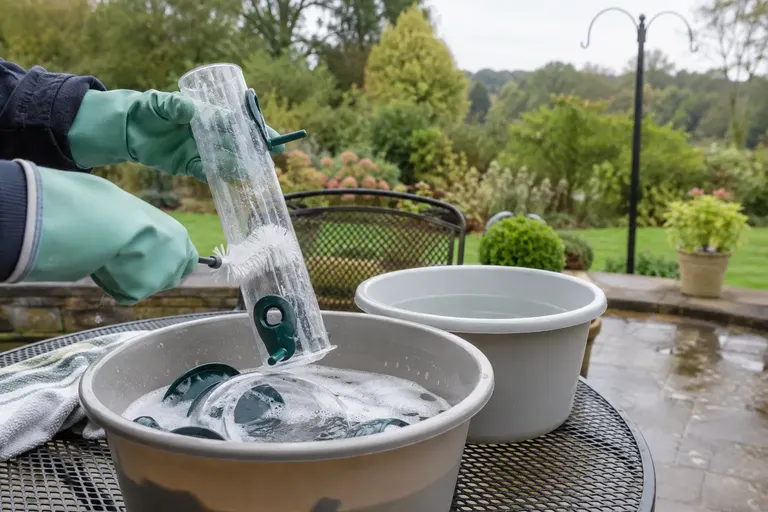
Birds crowding at feeders can spread diseases such as salmonellosis and, in House Finches, conjunctivitis. FeederWatch recommends cleaning seed and suet feeders every week or two, using a 1:9 bleach to water solution, and cleaning hummingbird feeders every couple of days in warm weather. Our guide on how to clean a bird feeder gives a step-by-step routine.
Pesticides
Pesticides remove the insects birds rely on and can harm birds directly. Reducing or eliminating them is one of the 3 Billion Birds campaign’s core recommendations.
Backyard birding in a small space
You do not need a large lot to attract birds. A patio, a townhouse garden or even a balcony can draw regular visitors if it covers the same basics on a smaller scale.
- Use a window or railing feeder. A suction-cup window feeder or a small tube feeder on a railing bracket brings birds close.
- Offer one high-value food. Black oil sunflower or hulled sunflower chips attract the most species per square foot. Hulled seed also means less mess below.
- Add a shallow dish of water. Even a plant saucer, cleaned and refilled every couple of days, gets used.
- Grow natives in containers. Native flowers such as coneflowers, black-eyed Susans or native salvias in pots provide seeds, nectar and insects.
- Mind the neighbors. Seed hulls and droppings fall downward, so use trays under feeders and sweep regularly, and check any building or HOA rules first.
How to identify the birds that visit your yard
Attracting birds is half of backyard birding; knowing who is visiting is the other half, and it makes every visit more rewarding.
- Start with the regulars. Learn the five or six species you see every day. Once they are familiar, anything new stands out.
- Note size and shape first. Compare a new bird to one you know: smaller than a robin, bigger than a sparrow, shaped like a finch.
- Watch behavior. Nuthatches go headfirst down trunks, towhees scratch in leaves, and goldfinches hang upside down on seed heads.
- Listen. Many backyard birds announce themselves before you see them. Free apps such as Merlin can suggest who is singing, but confirm with a look when you can.
- Keep a yard list. Writing down each new species, with a date, turns casual watching into a record of how your yard changes as plants mature and seasons turn.
Backyard birding calendar: what to do each season
| Season | Birds to expect | What to do |
|---|---|---|
| Winter | Chickadees, titmice, nuthatches, woodpeckers, juncos, finches | Keep feeders full, offer suet, keep water open, leave seed heads |
| Early spring | Returning migrants, singing residents | Put up and clean nest boxes, start hummingbird feeders as they return |
| Late spring | Nesting birds, migrants passing through | Offer mealworms for bluebirds and wrens, avoid pruning shrubs with nests |
| Summer | Parents with fledglings, hummingbirds | Keep water fresh, clean nectar feeders often, reduce suet in heat |
| Fall | Migrants, returning winter birds | Plant natives, leave leaves, clean out nest boxes, keep feeding |
Common backyard birding mistakes
- Using cheap filler seed. Birds kick it out and it attracts rodents.
- Hanging feeders in open lawn. With no nearby cover, many birds stay away.
- Letting feeders get dirty. A clean feeder is a safer feeder.
- Ignoring water. A birdbath can double the variety of species you see.
- A tidy, sterile yard. Leaf litter, seed heads and brush piles are bird food and shelter.
- Nest boxes with the wrong hole size. Match the box to the bird you want.
- Giving up too soon. New feeders can take a week or more to be discovered. See why birds aren’t coming to your new feeder if yours stays quiet.
How to enjoy what you attract
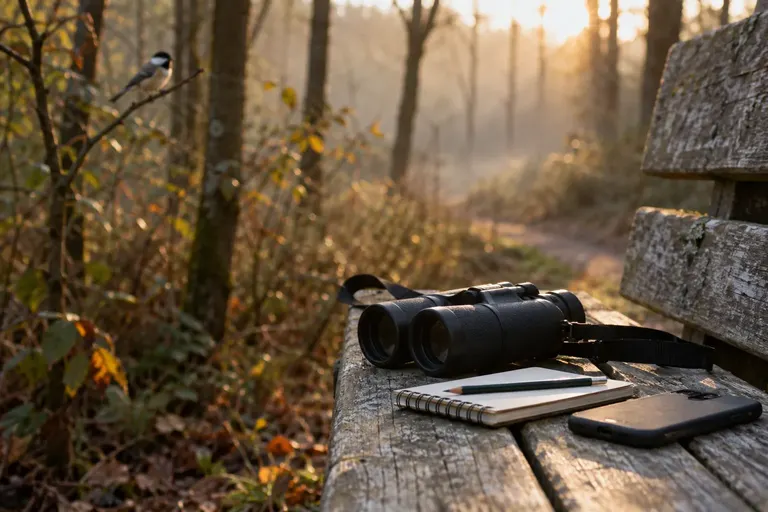
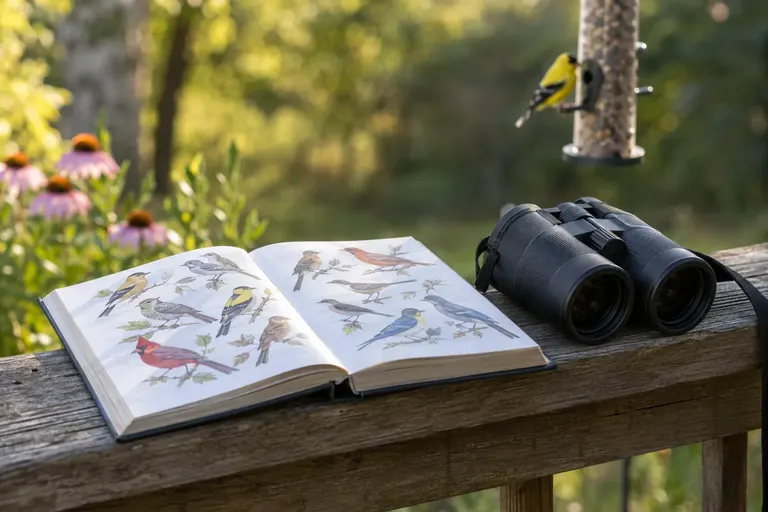
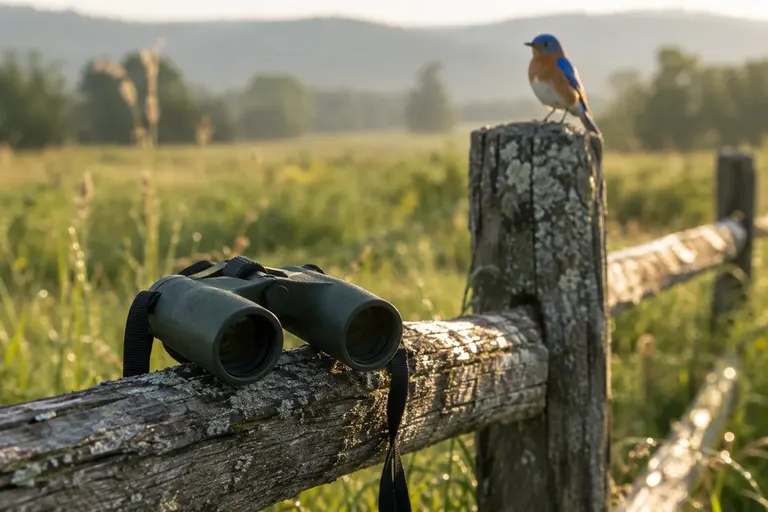
Once birds are coming, the fun is in watching. A comfortable spot at a window, a regional field guide, a free ID app like Merlin, and a decent pair of binoculars are all you need. If you are shopping for optics for window watching, our roundup of the best binoculars for watching birds from your window focuses on close-focus and comfort.
Consider joining a citizen science project too. Project FeederWatch, run by the Cornell Lab and Birds Canada, runs from November through April and turns your window watching into data that helps scientists track winter bird populations.
Sources
- 3 Billion Birds: Seven simple actions to help birds
- Project FeederWatch: Feeding birds
- Project FeederWatch: Common food types
- Audubon: Native Plants Database
- NestWatch: All about birdhouses
- Cornell Lab: Why birds hit windows and how you can help
- American Bird Conservancy: Keep cats indoors
- Mass Audubon: Bird feeding
Frequently asked questions
How do I attract more birds to my backyard?
Provide the four things birds need: food, water, cover and places to nest. Start with a feeder of black oil sunflower seed, add a clean, shallow birdbath, and plant layers of native trees, shrubs and flowers. Keep feeders clean, make nearby windows safer and keep cats indoors. Variety in food and habitat brings variety in birds.
What is the easiest way to start backyard birding?
Hang one tube or hopper feeder filled with black oil sunflower seed where you can see it from a window, about 10 feet from shrubs or trees. Add a birdbath nearby. Use a field guide or the free Merlin app to identify visitors. Most yards start getting regular visitors within days to a few weeks.
Do birds need water in my yard?
Yes. Birds drink and bathe year-round, and a birdbath often draws species that rarely use feeders, such as robins, bluebirds and migrating warblers. Keep it shallow, change the water every couple of days, and scrub it regularly. In freezing climates, a heated birdbath helps, but never use antifreeze or glycerin.
Why are native plants better for birds?
Native plants support the native insects that most songbirds feed their young, and they produce seeds and berries that local birds evolved to eat. Many insects can only feed on the plants they evolved with. Audubon's native plants database suggests species by zip code, which makes it easy to find plants suited to your area.
How long does it take for birds to find a new feeder?
It can take anywhere from a day or two to several weeks. Birds that already visit nearby yards, such as chickadees and titmice, often find a new feeder quickly. Placing it near cover, using a popular food like black oil sunflower seed, and keeping it filled consistently all help birds discover it sooner.