Can Birds Eat Oats? Raw, Rolled and Cooked Oats Explained
Can birds eat oats? Yes, plain raw oats are safe and useful in winter, but never cooked porridge. Which oats to use, which birds eat them, how to serve.
In this article
- Quick answer: which oats are safe for birds?
- Can birds eat raw oats?
- Why is cooked porridge bad for birds?
- Which birds eat oats?
- How do you feed oats to birds?
- Can birds eat oats in summer?
- Are oats better than bread for birds?
- How do oats compare with other winter foods?
- Common mistakes with oats
- Sources
- Frequently asked questions
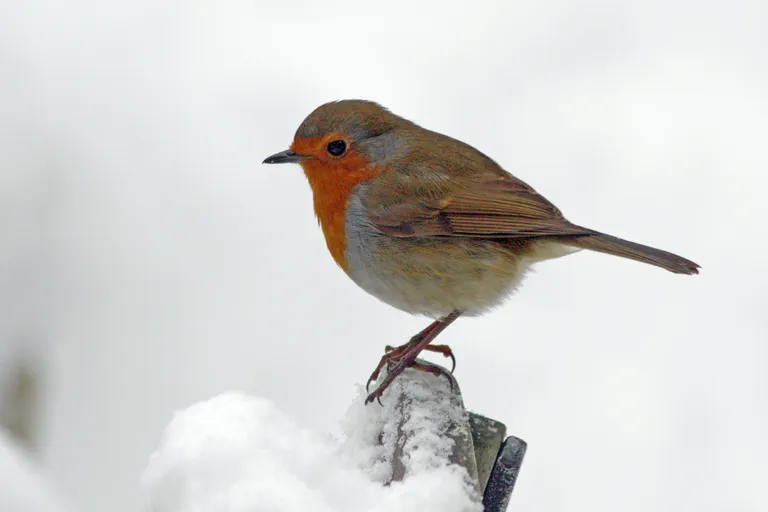
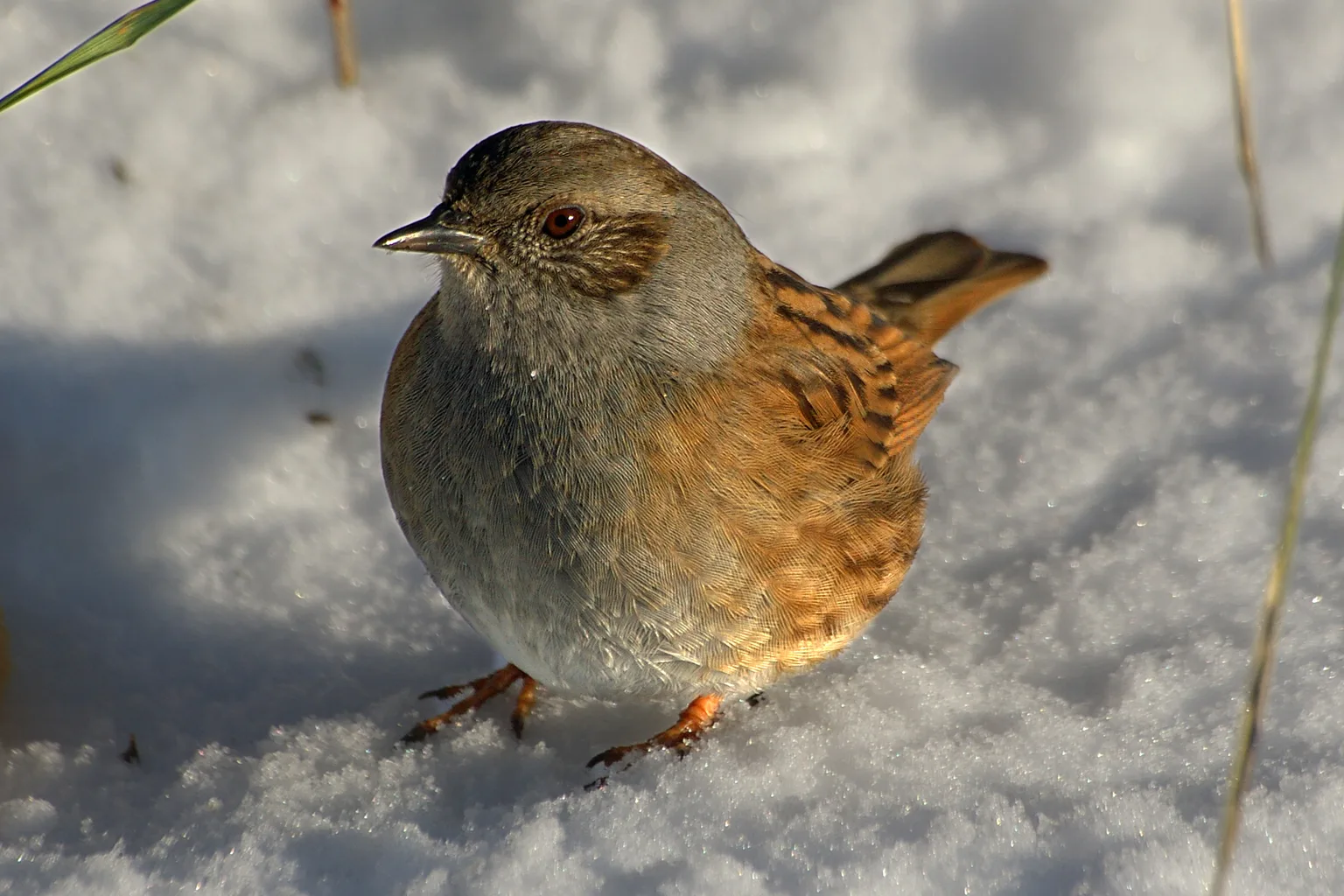
Yes, birds can eat oats, as long as they are plain and uncooked. Rolled oats, porridge oats and pinhead oats are a safe winter extra, especially for ground feeders such as Dunnocks, robins and blackbirds. Cooked porridge is the exception: the RSPB lists it among the foods to avoid, so keep oats dry.
Oats are one of the few pantry foods that bird groups actually recommend. Germany’s NABU suggests oat flakes for soft-food eaters, the BTO calls pinhead oats ideal for Dunnocks, and the LPO in France lists small oat seeds among the best foods for garden birds. The details matter, though: which oats, how much, and how you serve them.
Quick answer: which oats are safe for birds?
Plain, dry oats with nothing added are safe. Anything cooked, sweetened, salted or mixed with milk is not.
| Type of oats | Safe for birds? | Notes |
|---|---|---|
| Rolled oats (porridge oats, old-fashioned oats) | Yes | Plain and dry; small flakes suit small beaks |
| Pinhead oats (steel-cut oats) | Yes | The BTO calls them ideal for Dunnocks; keep them out of the rain |
| Oat groats and whole oats | Yes, for larger birds | Better for pigeons, doves and sparrows than for tiny birds |
| Oats in fat cakes or suet | Yes | Fat plus oats is a classic winter mix for tits and woodpeckers |
| Oats briefly coated in fat | Yes, in moderation | NABU describes fat-soaked oats as a treat; do not let them spoil |
| Instant or flavored oats | No | Often contain sugar, salt, milk powder or flavorings |
| Cooked porridge or oatmeal | No | On the RSPB avoid list; sticky, wet and spoils fast |
| Granola, oat bars, cereal | No | Sugar, salt, chocolate and dried fruit coatings |
Can birds eat raw oats?
Yes. Raw oats are dry grains, and many birds already eat small grains and seeds every day. The Woodland Trust says porridge oats are fine for garden birds, as long as you don’t cook them.
What raw oats offer is easy energy in a form that soft-billed birds can manage. Robins, Dunnocks and wrens have fine bills built for insects and small seeds, and they struggle with hard sunflower seeds or whole peanuts. Small oat flakes or pinhead oats are soft and small enough for them. That is why NABU lists oat flakes alongside poppy seed, bran, raisins and fruit for soft-food eaters, offered near the ground.
Oats are not a complete diet, though. They are mostly starch, with less fat than sunflower hearts, peanuts or suet. Think of them as a cheap, useful extra in a mix, not as the main course.
Why is cooked porridge bad for birds?
Cooked porridge is wet and sticky, and it spoils quickly. The RSPB puts cooked porridge oats on its list of foods to avoid, next to dried coconut, milk and mouldy or salted food. The Woodland Trust gives the same advice: don’t put out cooked porridge.
There are several practical reasons. Cooked oats form a gluey mass that can cling to feathers and bills. Wet food left on a bird table goes sour and moldy far faster than dry food, and Vogelbescherming Nederland advises against cooked food leftovers for exactly that reason. And most leftover porridge contains milk, sugar, salt or butter. The RSPB says to avoid milk, and Vogelbescherming Nederland says butter and margarine act as a laxative in birds.
If you have leftover porridge, compost it. Put out a handful of dry oats from the packet instead.
Which birds eat oats?
Mainly ground feeders and soft-billed birds, plus anything that comes to a fat cake.
| Bird | How it takes oats | Best way to offer them |
|---|---|---|
| Dunnock | Picks small flakes and pinhead oats from the ground | Pinhead oats on a tray near cover |
| Robin | Takes small flakes, often with mealworms | Small amounts on a low tray |
| Blackbird and thrushes | Feed on the ground, take oats with fruit | Oats mixed with chopped apple or soaked raisins |
| Wren | Shy, feeds low in cover | A sprinkle near a hedge |
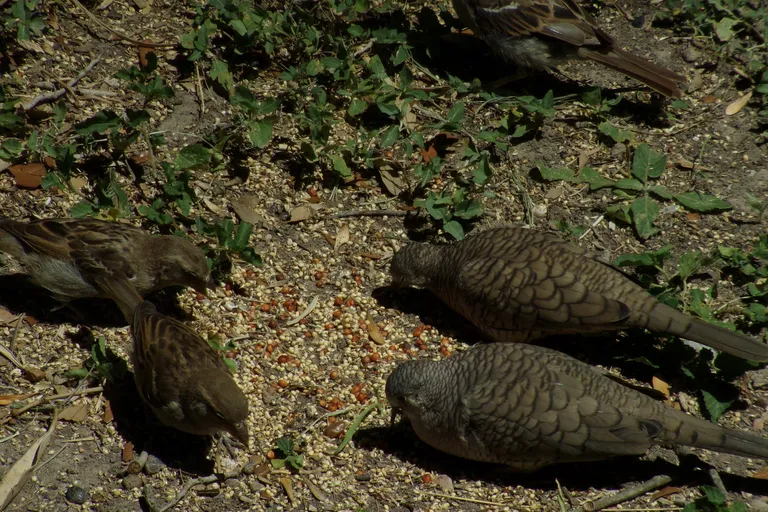
| Sparrows and finches | Eat grain readily | In a seed mix on a tray or table |
| Pigeons and doves | Take larger grains | Whole oats or groats on the ground |
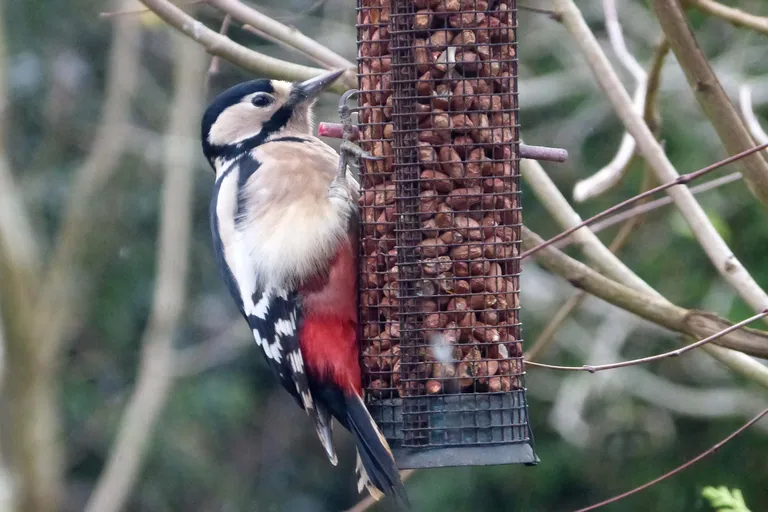
| Tits and woodpeckers | Rarely take loose oats | In homemade fat cakes |
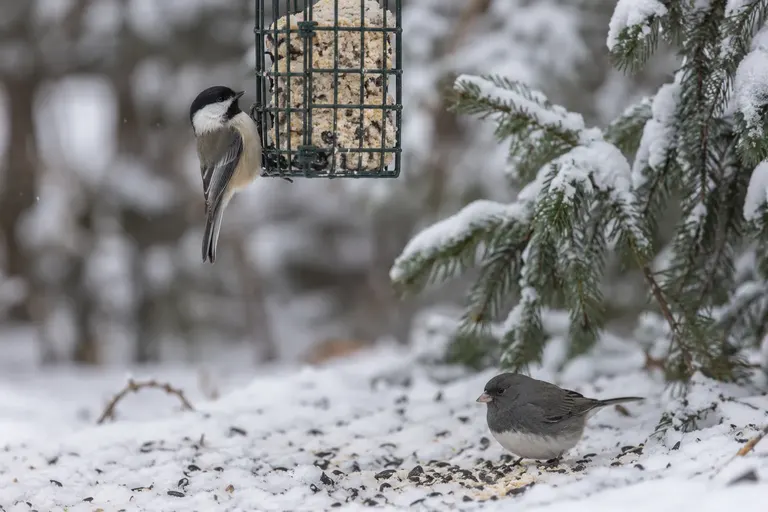
| North American sparrows, juncos and doves | Ground feeders that already take small grains like millet | Scattered on a platform feeder |
The Woodland Trust notes that blackbirds, Dunnocks and wrens avoid hanging feeders and prefer to forage on the ground, which is why loose oats work best low down. For these birds a platform feeder or a simple tray near a hedge is better than a tube feeder.
How do you feed oats to birds?
Keep them dry, keep them plain and put out small amounts. A handful a day is plenty for a typical garden.
- Pick plain oats. The ingredient list should say oats and nothing else. Pinhead oats suit the smallest bills; rolled oats are fine for most birds.
- Serve them low. Use a ground tray, a low bird table or a dish under a shrub, where Dunnocks and robins feel safe.
- Mix them in. Oats work well stirred into a seed mix, with chopped apple for blackbirds, or with mealworms for robins.
- Keep them dry. The BTO warns that pinhead oats should not be left out in wet weather. Wet oats clump and spoil, so feed under cover or only on dry days.
- Clear up daily. Remove anything not eaten by evening. Food left out overnight attracts rats and mice.
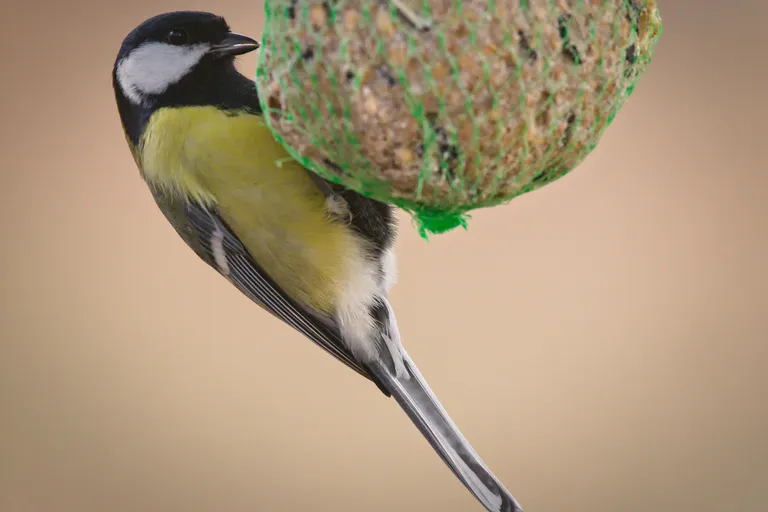
Oats are also a classic ingredient in homemade fat cakes. Melted suet or lard holds the oats, seeds and other dry ingredients together, and tits, woodpeckers and starlings take it readily. Our guide to making homemade suet has recipes, and our fat balls guide explains how to serve them safely without nets. NABU also describes oats briefly soaked in hot oil as a treat for soft-food eaters, with a warning to make sure the food doesn’t spoil.
Can birds eat oats in summer?
They can, but there is less reason to offer them. Oats are a winter food, when birds need extra energy and natural food is scarce.
The LPO recommends feeding garden birds mainly in winter, especially during long cold spells, and putting food out early in the morning and in the evening before birds go to roost. It also suggests reducing amounts gradually in spring rather than stopping suddenly. In warm weather, any moist food spoils faster, so if you keep feeding, stick to dry oats in tiny amounts and clean trays often.
Are oats better than bread for birds?
Yes. Oats are a whole grain with more nutrition than white bread, and they don’t swell into a doughy mass when dry. The LPO says never to give bread, and Vogelbescherming Nederland points out that bread contains salt. If you’re used to throwing out crusts, plain oats are an easy swap. Our article on whether bread is bad for birds covers the details.
The same logic applies to other kitchen staples. Plain rice is harmless but low in value, as our guide to birds and rice explains, while oats sit a step above both as a useful winter extra.
How do oats compare with other winter foods?
Oats are cheap and handy, but they are not the highest-energy option. Use them alongside the foods that do the heavy lifting.
| Food | Main value | Best for |
|---|---|---|
| Sunflower hearts | High fat, no husks | Finches, tits, sparrows |
| Fat cakes and suet | Very high energy | Tits, woodpeckers, starlings |
| Mealworms | Protein | Robins, blackbirds, wrens |
| Plain oats | Easy carbohydrates, soft and small | Dunnocks, robins, ground feeders |
| Apples and soft fruit | Water and sugars | Blackbirds, thrushes, waxwings |
For a full winter plan, see our guide to winter bird feeding. And for the foods to keep off the bird table altogether, read our list of what not to feed birds.
Common mistakes with oats
- Putting out leftover porridge. Cooked oats are on the RSPB avoid list. Use dry oats only.
- Using flavored sachets. Sugar, salt and milk powder have no place on a bird table.
- Feeding too much. A pile of oats that sits for days turns moldy and draws rodents.
- Leaving oats in the rain. Wet oats clump and spoil within hours.
- Using a tube feeder. Most oat-eaters feed on the ground and will not visit hanging feeders.
- Forgetting water. Birds need fresh water for drinking and bathing all year, as the RSPB reminds people in cold snaps.
Sources

Frequently asked questions
Can birds eat raw oats?
Yes. Plain, uncooked oats are safe for wild birds. The Woodland Trust says porridge oats are fine, the BTO calls pinhead oats ideal for fine-billed Dunnocks, and NABU suggests oat flakes for soft-food eaters such as robins and blackbirds. Offer small amounts, keep them dry and use oats as a winter extra, not as the only food.
Can birds eat cooked porridge or oatmeal?
No. The RSPB lists cooked porridge oats among the foods to avoid, and the Woodland Trust says not to put out cooked porridge. Cooked oats turn into a sticky, wet mass that spoils quickly, and porridge made with milk, sugar or salt adds ingredients birds should not have. Keep the oats dry and plain instead.
Are instant or flavored oats safe for birds?
Skip them. Flavored instant oats and oat cereals often contain sugar, salt, dried milk or flavorings, and the RSPB advises against milk and salted food for birds. Plain rolled oats or pinhead oats with oats as the only ingredient are the safe choice. Check the label: if it lists anything besides oats, keep it for breakfast.
Which birds eat oats?
In Europe, ground-feeding soft-food eaters such as Dunnocks, robins, blackbirds, thrushes and wrens take oats, along with sparrows, finches and pigeons. In North America, ground feeders that already take small grains, such as sparrows, juncos and doves, may pick them up. Tits and woodpeckers mostly take oats mixed into fat cakes.
Do oats attract rats?
They can, like any food scattered on the ground. Put out only what birds clear in a day, use a tray rather than bare soil, sweep up leftovers and stop for a while if rats appear. Feeding small amounts in the morning keeps food from lying out overnight, when rodents are most active.