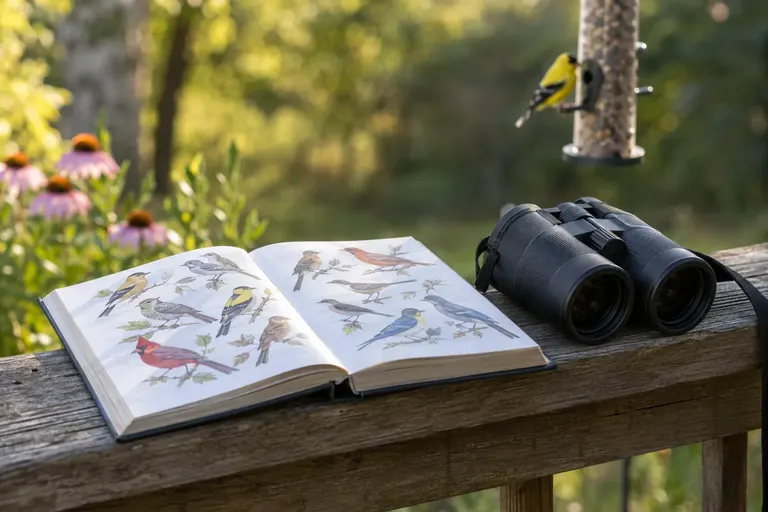
Winter Bird Feeding: What Birds Need When It's Cold
Winter bird feeding done right: high-fat foods like suet, sunflower and peanuts, open water, shelter from wind and clean feeders. What birds need in the cold.
In this article
- Quick answer: what birds need in winter
- Do birds really need help in winter?
- How do birds survive the cold?
- Best winter bird foods (and which birds eat them)
- What not to feed birds in winter
- How to keep water available for birds in winter
- Where to put feeders in winter
- Providing winter shelter
- How to set up a simple winter feeding station
- How much food do birds eat in winter?
- Keeping winter feeders clean and birds healthy
- Hawks at winter feeders
- Bears and winter feeding
- Common winter bird feeding mistakes
- Join a winter bird count
- Sources
- Frequently asked questions
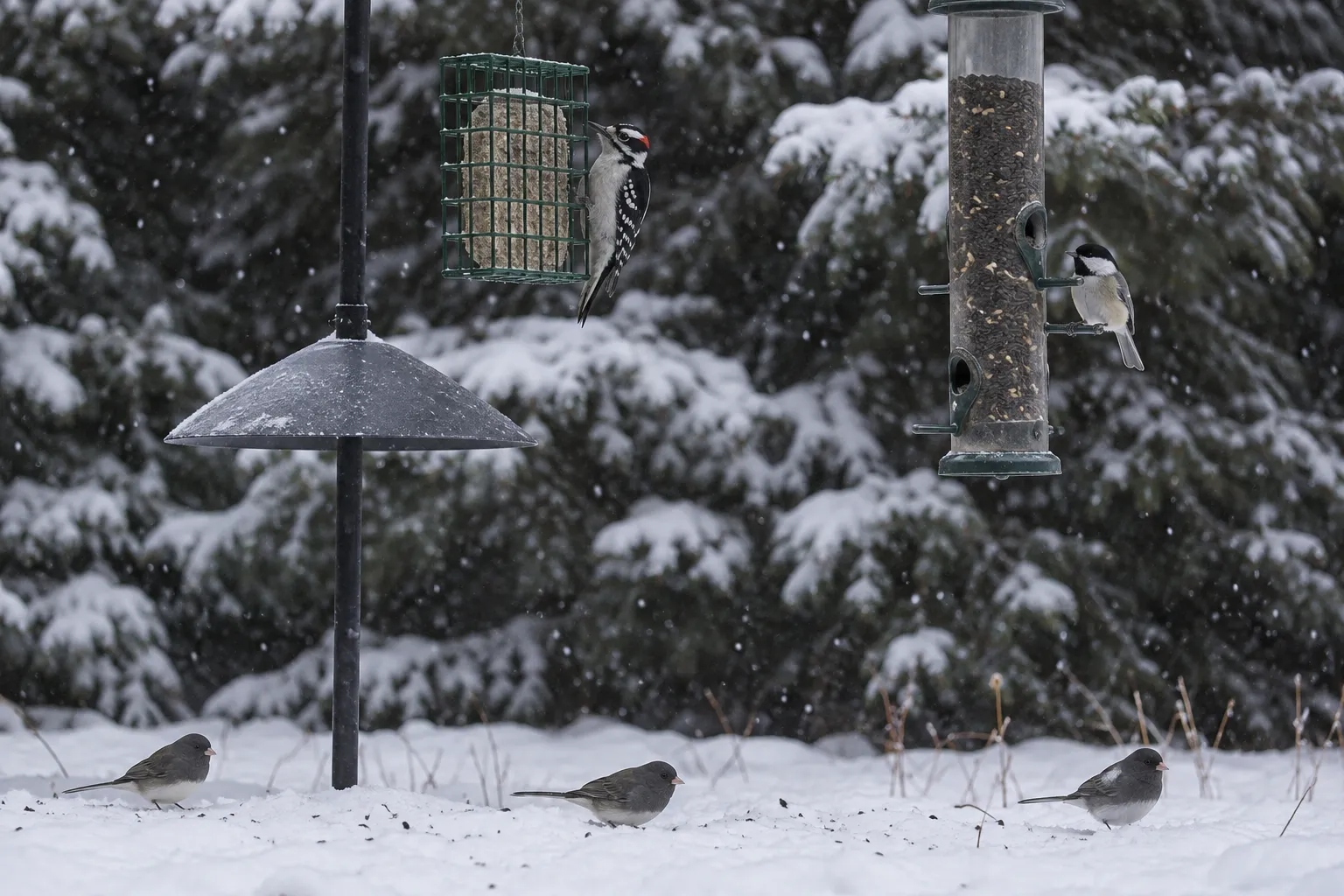
Successful winter bird feeding gives birds three things from your yard: high-calorie food, open water and shelter from wind. Black oil sunflower seed and suet cover most species, unsalted peanuts and millet fill the gaps, a heated birdbath is often the most visited spot in a frozen yard, and dense evergreens about 10 feet from feeders give birds somewhere to ride out the cold. Keep feeders clean and stocked, especially before storms, and you will likely see more birds in January than in June.
This guide explains how birds survive the cold, the best winter foods, how to keep water open, where to place feeders in snow and wind, and the mistakes that cause more harm than good.
Quick answer: what birds need in winter
| Need | What to offer | Why it matters in winter |
|---|---|---|
| Energy | Black oil sunflower, suet, peanuts, hulled sunflower | Birds burn a lot of energy staying warm |
| Protein and fat for insect eaters | Suet, suet dough, peanuts, mealworms | Insects are scarce in cold months |
| Ground food | White proso millet, cracked corn on a platform | Juncos, sparrows and doves feed low |
| Water | Heated birdbath, refreshed often | Natural water freezes |
| Shelter | Evergreens, brush piles, roost boxes | Protection from wind, snow and predators |
| Consistency | Stock feeders before storms | Natural food is hardest to find after snow and ice |
Do birds really need help in winter?
Most wild birds survive winter without us. Feeders are a supplement, not a lifeline. Mass Audubon notes that research shows birds get only about 25 percent of their diet from feeders, and that birds will move on to other sources if a feeder disappears. Feeding also does not keep migratory birds from migrating.
But winter is when feeders give the most benefit. Days are short, leaving limited hours to find food. Insects are scarce, snow buries seeds, and ice can coat berries and bark. Project FeederWatch describes winter feeding as providing supplemental resources during harsh conditions and food scarcity. For many backyard birders, winter is also the most rewarding season to watch, because birds concentrate at reliable food.
How do birds survive the cold?
Understanding how birds cope with cold helps explain what to offer.
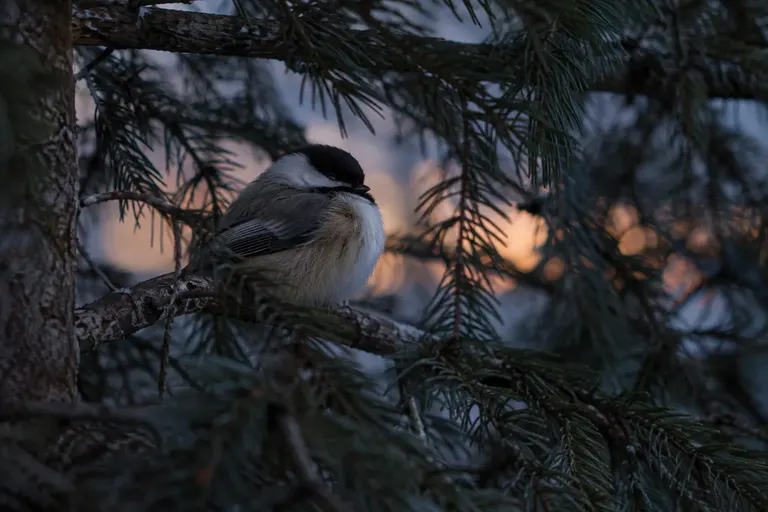
- Fluffed feathers. Birds trap warm air in their plumage by fluffing up, which is why a chickadee looks round on a frigid morning.
- Fat reserves. Small birds build up fat during the day and use it overnight to keep warm, then must refuel the next morning. This is why feeders are often busiest at first light.
- Lowered body temperature. Some small birds, including chickadees, are known to let their body temperature drop at night, a controlled hypothermia that saves energy.
- Shivering. Birds generate heat by shivering their flight muscles.
- Roosting in shelter. Many birds spend cold nights in dense evergreens, tree cavities or nest boxes. Some species, such as wrens and bluebirds, may huddle together.
- Food caching. Chickadees, nuthatches, titmice and jays store seeds and nuts in bark crevices and other hiding spots to retrieve later.
- Diet shifts. Many birds change what they eat. The Cornell Lab notes that Black-capped Chickadees in winter eat about half plant matter (seeds and berries) and half animal food, including insects, spiders and suet.
All of this points the same way: in winter, energy-dense food and shelter are what birds need most.
Best winter bird foods (and which birds eat them)
Black oil sunflower seed
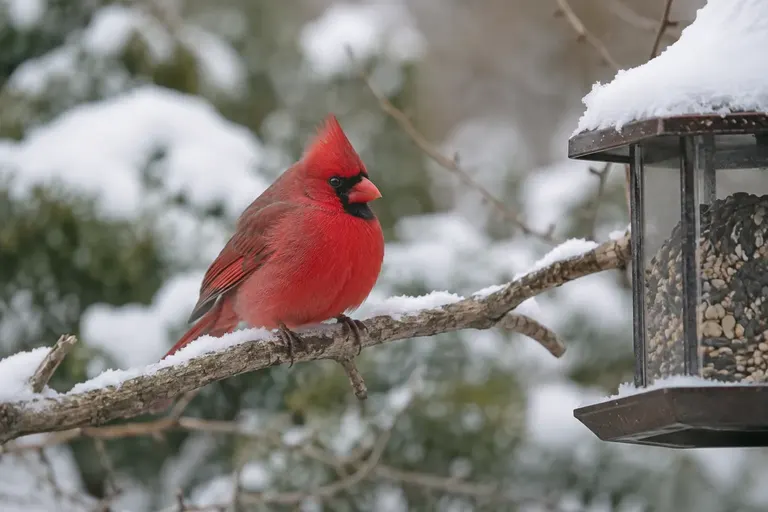
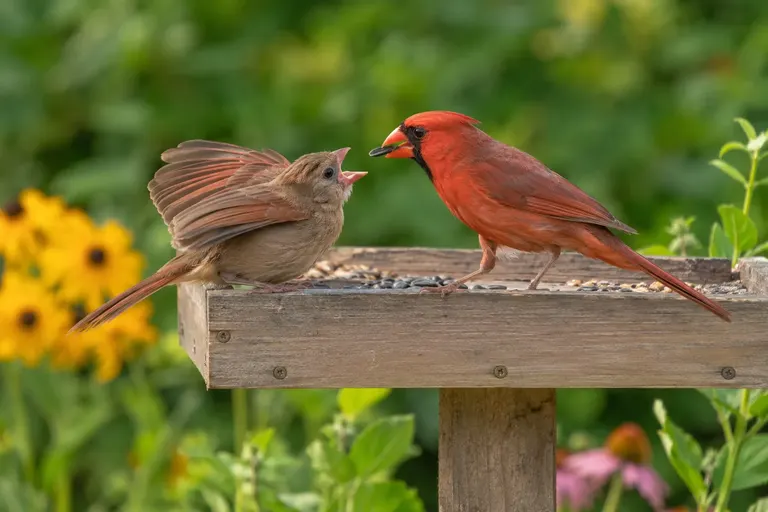
If you offer only one food, make it this. Its thin shell and high oil content make it the preferred food for a wide variety of birds, according to Project FeederWatch, including cardinals, chickadees, finches, titmice, nuthatches and sparrows. Our guide to black oil sunflower seed explains why it outperforms most mixes.
Hulled sunflower (hearts or chips) has the same energy without the shell, which means less mess and easier eating for small birds. FeederWatch notes it spoils more quickly, so keep it dry.
Suet
Suet is mainly beef fat and is one of the best winter foods for insect-eating birds: woodpeckers, nuthatches, chickadees, titmice, wrens and, in some regions, Yellow-rumped Warblers. Cold weather keeps plain suet from turning rancid, a problem in summer heat.
Suet cakes often include seeds, nuts, dried fruit or insects. “No-melt” suet doughs blend fat with flour or cornmeal so they hold together in warmer weather, but they work fine in winter too. Our roundup of suet cakes and blends compares formulas, and our guide to suet feeders covers cages, including tail-prop designs that suit larger woodpeckers.
Peanuts
Unsalted, unflavored peanuts are loved by jays, titmice, chickadees, nuthatches and woodpeckers. FeederWatch cautions against salted peanuts or those roasted with coatings or flavorings, and advises watching for mold. Offer them shelled in a mesh feeder or in the shell on a platform for jays.
Millet and cracked corn for ground feeders
Dark-eyed Juncos, many sparrows and Mourning Doves prefer to feed on or near the ground. White proso millet on a low platform feeder suits them well. FeederWatch notes cracked corn attracts doves, quail and sparrows and can be mixed with millet. Keep it off bare wet ground where it can mold, and offer only what is eaten in a day or two.
Nyjer for winter finches
American Goldfinches stay through winter in much of the US, in duller winter plumage. Nyjer in a finch feeder with small ports suits them. In some winters, northern finches such as Pine Siskins and redpolls move south in large numbers in what birders call irruptions, often driven by poor seed crops in the boreal forest, and they readily use nyjer and sunflower chips.
Fruit
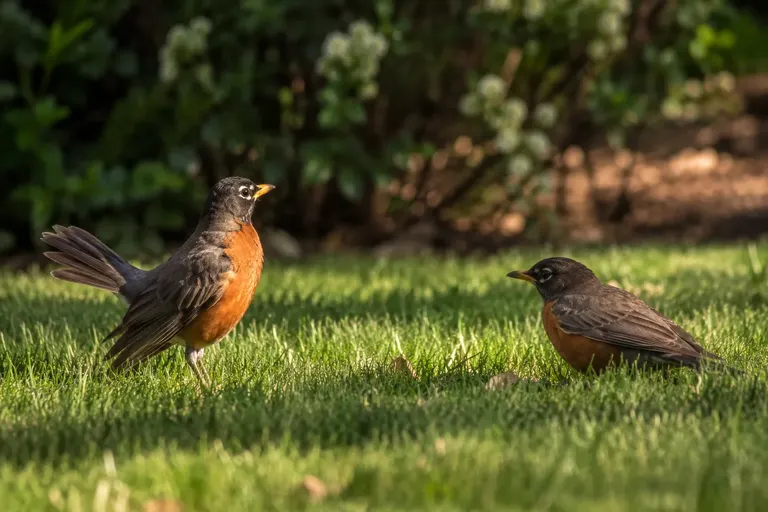
Robins, bluebirds, mockingbirds and waxwings eat fruit in winter. Chopped apples, soaked raisins or dried berries on a platform can attract them. FeederWatch advises removing any fruit that becomes moldy, because some molds produce toxins harmful to birds. Native berry-producing shrubs are an even better long-term source.
Mealworms
Dried or live mealworms are high in protein and attract bluebirds, wrens, chickadees and nuthatches. In winter they can help insect-eating birds that stay north. Offer them in a dish so they do not blow away.
Winter food comparison
| Food | Energy | Best feeder | Key winter visitors | Watch out for |
|---|---|---|---|---|
| Black oil sunflower | High | Tube, hopper, platform | Most feeder birds | Hulls pile up below |
| Hulled sunflower | High | Tube, platform | Most feeder birds | Spoils if wet |
| Suet and suet dough | Very high | Suet cage | Woodpeckers, nuthatches, chickadees, wrens | Starlings; use bottom-access cages |
| Peanuts, unsalted | Very high | Mesh tube, platform | Jays, titmice, woodpeckers | Mold; never salted |
| White proso millet | Moderate | Low platform | Juncos, sparrows, doves | Draws House Sparrows |
| Nyjer | High | Finch tube | Goldfinches, siskins, redpolls | Goes stale if old |
| Fruit | Moderate | Platform | Robins, bluebirds, mockingbirds | Mold |
What not to feed birds in winter
Some well-meant winter foods do harm.
- Bread and baked goods. Filling but low in nutrition, and it crowds out the fat and protein birds actually need in cold weather.
- Cooking fat and meat drippings. The RSPB warns against cooking fat; it can smear on feathers, and it goes rancid.
- Salted or flavored foods, including salted peanuts and chips.
- Moldy or wet seed. Throw it out.
- Cheap filler mixes heavy in red milo, wheat and oats that many feeder birds reject.
Store seed in sealed metal or heavy plastic containers in a cool, dry place so it stays fresh through winter.
How to keep water available for birds in winter
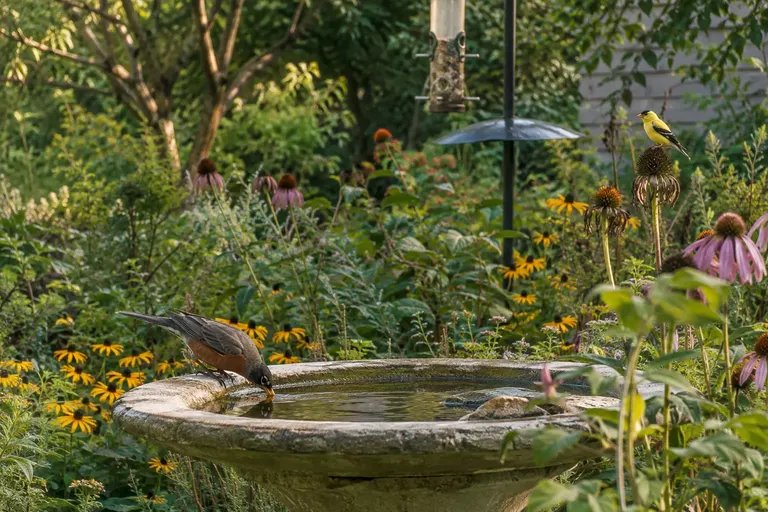
Water can be harder to find than food in a hard freeze. Birds eat snow, but that costs body heat. A reliable source of open water can draw birds that never visit feeders.
Options for open water
- Heated birdbath. A bath with a built-in thermostatic heater keeps water just above freezing.
- Birdbath heater (de-icer). A separate heating element placed in an existing bath. Use one designed for birdbaths and follow the manufacturer’s safety instructions for outdoor electrical use.
- Refilling by hand. If you cannot use a heater, pour warm (not hot) water into a bath each morning. It will freeze eventually, but birds get a chance to drink.
Birdbath safety in cold weather
- Never use antifreeze. Project FeederWatch is explicit on this.
- Do not use glycerin, which Mass Audubon warns is harmful to birds.
- Keep it shallow, about 1 to 2 inches.
- Clean it regularly. Replace water every couple of days and scrub off buildup.
- Place stones in larger baths so birds can drink without soaking their feathers in extreme cold.
Where to put feeders in winter
Placement matters more in winter, when wind chill and exposure raise the cost of every trip to a feeder.
- Shelter from the wind. Place feeders on the side of the house or yard away from prevailing winter winds, often the south or east side in much of North America.
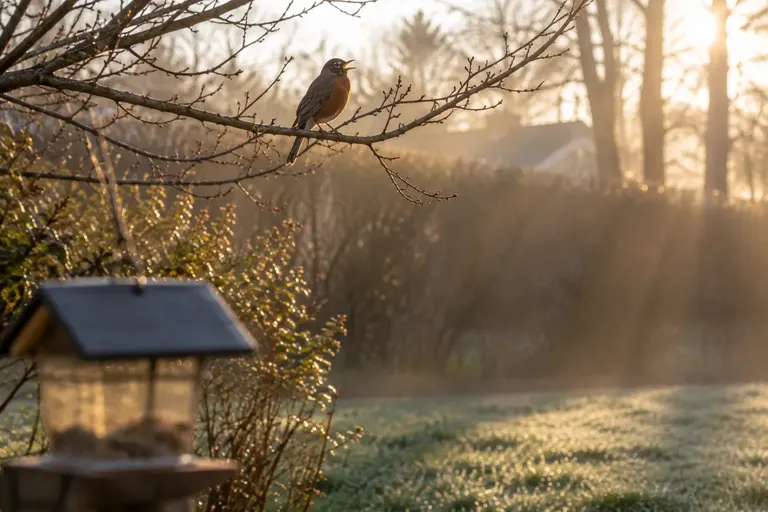
- Near evergreen cover. About 10 feet from dense conifers gives birds a quick escape from hawks and a place to warm up. Our guide on where to put a bird feeder explains the distances.
- Morning sun. A spot that gets early sunlight is welcoming on frigid mornings.
- Easy to refill. You will be trudging through snow. Choose a spot near a door or a cleared path.
- Visible from a window. Winter feeder watching is best from indoors.
Dealing with snow and ice
- Clear snow off platforms and feeder roofs after storms.
- Use a weather guard or dome over tube feeders to keep seed dry.
- Tap ports clear if ice or packed seed blocks them.
- Scatter a little seed on a trampled or shoveled patch of ground after heavy snow for juncos and sparrows.
- Fill feeders the evening before a storm, so birds can feed early the next morning when energy needs are highest.
Providing winter shelter
Food and water keep birds fueled. Shelter helps them keep what they have.
- Evergreens. Spruce, pine, fir, juniper, holly and eastern red cedar provide dense, year-round cover and block wind.
- Brush piles. A loose pile of branches, or your old Christmas tree laid in a corner, gives ground birds shelter from wind and hawks.
- Leave seed heads standing. Coneflowers, black-eyed Susans, native grasses and sunflowers feed goldfinches, juncos and sparrows.
- Nest boxes and roost boxes. Birds such as bluebirds, chickadees and wrens may roost in nest boxes on cold nights. The RSPB notes birds sometimes huddle together in boxes for warmth. Leave clean nest boxes up through winter. Dedicated roost boxes, with the entrance near the bottom and perches inside, are designed to hold heat.
How to set up a simple winter feeding station
You do not need a dozen feeders. A small, well-chosen setup covers nearly every common winter visitor in most of the US.
- One tube or hopper feeder with black oil sunflower seed. This is the core. It serves chickadees, titmice, nuthatches, cardinals and finches.
- One suet cage. Hang it near a tree trunk or on the same pole. Woodpeckers, nuthatches and chickadees will find it.
- One low platform or ground tray with millet. Place it near shrubs or a brush pile for juncos, sparrows and doves.
- One heated birdbath. Put it within sight of a window and near cover.
- Optional extras: a finch feeder with nyjer if goldfinches or siskins are around, and a peanut feeder for jays and titmice.
Mount hanging feeders on a pole with a baffle if squirrels are active, and keep everything within easy reach of a cleared path.
How much food do birds eat in winter?
Consumption rises sharply in cold weather, and a feeder that lasted a week in October may empty in a day or two in January. Rather than aiming for a specific amount, watch your feeders and adjust:
- Refill before the feeder runs empty, especially late in the day, so birds can feed first thing in the morning.
- Offer only what gets eaten in a day or two on open platforms, so seed does not sit wet or moldy.
- Buy in quantities you can store dry. Larger bags are convenient but only if you have sealed containers to keep out moisture and rodents.
- Expect spikes during and after storms, when birds cannot find natural food under snow and ice.
Keeping winter feeders clean and birds healthy
Winter feeding concentrates birds, which also concentrates disease risk. Salmonellosis outbreaks, for example, have been reported at feeders in winter, notably among Pine Siskins in irruption years.
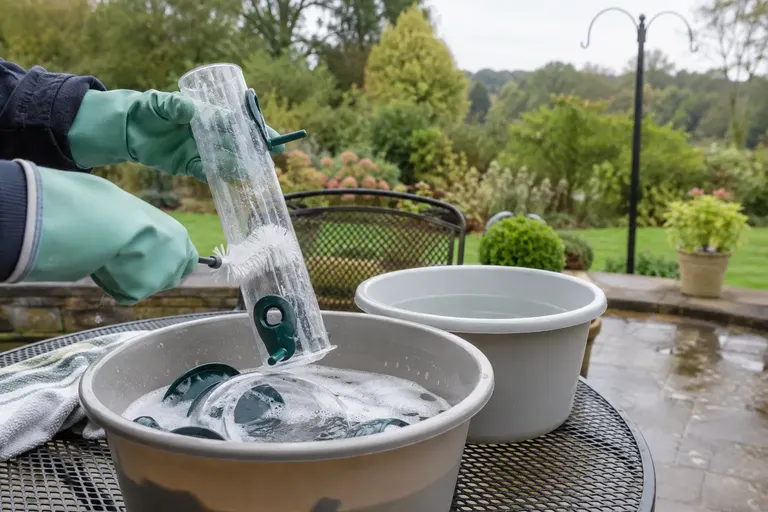
- Clean feeders every week or two. FeederWatch recommends a 1:9 bleach to water solution, soaking for about 10 minutes, then rinsing and drying thoroughly.
- Rake or sweep up hulls and old seed beneath feeders when you can.
- Spread out feeders to reduce crowding.
- If you see sick birds, such as lethargic, fluffed birds that do not fly off, take feeders down for a week or two and clean everything. Our guide on sick birds at the feeder covers signs and steps.
Our guide on how to clean a bird feeder gives a full routine.
Hawks at winter feeders
Feeders concentrate small birds, and bird-eating hawks such as Cooper’s Hawks and Sharp-shinned Hawks notice. This is natural, but good placement near cover gives feeder birds a chance. If a hawk becomes a daily visitor, taking feeders down for a few days usually encourages it to hunt elsewhere. See how to stop hawks hunting at your feeder.
Bears and winter feeding
In bear country, winter is often the safest time to feed, because bears are hibernating. FeederWatch recommends against feeding in bear areas except when bears are hibernating, and suggests contacting local wildlife authorities for timing. Take feeders down as soon as bears become active in late winter or early spring, which can happen during warm spells.
Common winter bird feeding mistakes
- Letting feeders run empty during storms. Fill them before bad weather.
- Offering only a cheap seed mix. Winter birds need energy-dense food.
- Forgetting water. Open water can draw more species than a new feeder.
- Using antifreeze or glycerin in a birdbath. Both are harmful.
- Skipping cleaning because it is cold. Disease spreads in crowded winter feeders.
- Feeders in open, windy spots. Birds use sheltered feeders more.
- Leaving wet, moldy seed in trays. Clear it out after snow and rain.
Join a winter bird count
Winter feeding pairs naturally with citizen science. Project FeederWatch, run by the Cornell Lab and Birds Canada, runs from November 1 through April and asks participants to count birds at their feeders. The Great Backyard Bird Count takes place over four days each February and needs as little as 15 minutes. Audubon’s Christmas Bird Count runs each year from mid-December to early January. Your winter feeder observations can help scientists track how bird populations are changing.
For year-round ideas on turning your yard into better bird habitat, see our guide to backyard birding.
Sources
Frequently asked questions
What is the best thing to feed birds in winter?
High-fat, high-calorie foods do the most good. Black oil sunflower seed is the single best all-round choice, and suet is excellent for woodpeckers, nuthatches, chickadees and wrens. Unsalted peanuts, hulled sunflower chips and white proso millet for ground-feeding juncos and sparrows round it out. Avoid bread, cooking fat and salted or flavored foods.
Will birds die if I stop feeding them in winter?
Generally no. Mass Audubon notes that research shows birds get only about a quarter of their food from feeders and move on when a food source disappears. That said, if you feed through winter, try to keep feeders stocked during severe cold and snowstorms, when natural food is hardest to find.
Do birds need water in winter?
Yes. Birds drink and bathe in winter, and when natural water freezes, a birdbath can be scarce and valuable. Project FeederWatch recommends a birdbath heater in freezing regions and warns never to use antifreeze. Mass Audubon also warns against glycerin. Keep the water clean and refreshed.
Should I put out suet in winter?
Winter is the ideal time for suet. It is dense energy for insect-eating birds such as woodpeckers, nuthatches, chickadees and wrens, which find fewer insects in cold months. Cold weather also keeps plain suet from going rancid, which is a problem in summer heat. Use a cage feeder, and a bottom-access cage if starlings are a problem.
When should I start feeding birds in winter?
Many people start in fall, before the first hard freeze, so birds discover the feeders while natural food is still available. Project FeederWatch's counting season begins November 1. There is no harm in starting later, but having feeders established before severe weather means birds already know where to find food.