Where Do Birds Go at Night?
Where do birds go at night? Most roost in dense evergreens, tree cavities or big communal flocks, not nests. Here is where each kind of bird sleeps and why.
In this article
- Quick answer: where birds sleep
- Do birds sleep in nests at night?
- What makes a good roost site?
- Where do small songbirds go at night?
- Which birds sleep in tree holes and nest boxes?
- Why do some birds sleep in huge communal roosts?
- Where do ducks, geese and shorebirds sleep?
- Do birds sleep with one eye open?
- Can birds sleep while flying?
- Which birds are active at night?
- How do tiny birds survive long, cold nights?
- When do birds go to roost and wake up?
- Myths vs facts about where birds sleep
- How can I help birds find a safe place to sleep?
- Common mistakes
- Quick facts
- Sources
- Frequently asked questions
Most birds spend the night on a sheltered perch, in a tree cavity or in a communal roost, not in a nest. Small songbirds tuck into dense evergreens, thickets and ivy; woodpeckers, chickadees and nuthatches sleep in holes; crows, starlings and swallows gather by the thousands; and ducks rest on open water. Common Swifts can stay airborne for about 10 months and almost certainly sleep in flight. Nests are used at night only while parents are incubating eggs or brooding small chicks.
Other birds are not asleep at all. Owls hunt, and on spring and fall nights millions of songbirds migrate overhead. This guide explains where different birds roost, how they sleep safely, and how to give your yard’s birds a better place to spend the night.
Quick answer: where birds sleep
- Small songbirds: inside dense evergreens, thorny shrubs, vine tangles and hedges, pressed close to the trunk.
- Cavity birds: woodpeckers, chickadees, titmice, nuthatches, bluebirds and wrens sleep in tree holes and nest boxes, especially in winter.
- Flocking birds: crows, starlings, swallows, blackbirds and some parrots sleep in large communal roosts.
- Waterbirds: ducks, geese, gulls and shorebirds sleep on water, sandbars, mudflats and islands.
- Night-active birds: owls, nightjars and night herons hunt, and most migrating songbirds fly at night.
- Aerial specialists: swifts and frigatebirds can sleep in flight.
Do birds sleep in nests at night?
Not usually. This is the most common misunderstanding about bird sleep. A nest is built for eggs and young, and it is used for a few weeks at most. During that time one parent, often the female in songbirds, sits on the eggs or small chicks overnight to keep them warm. Once the young leave, the nest is abandoned. By then it is often soiled with droppings and crawling with mites, so there is no reason to return.
For the rest of the year, adult birds sleep wherever they are safest from predators and weather. We cover this in more detail in do birds sleep in nests, but the short version is that a roost site and a nest site are different things with different jobs.
There are exceptions. Woodpeckers may sleep in the hole they excavated, and House Sparrows sometimes roost in old nests under eaves. But the general rule holds.
What makes a good roost site?
A roost has to solve three problems at once: predators, cold and weather.
- Protection from predators. Owls, cats, raccoons, snakes and martens hunt at night. Birds pick perches that are hard to reach or hard to see: the middle of thorny shrubs, thin outer branches that cannot bear a climbing mammal, or enclosed cavities.
- Shelter from wind and cold. A small bird can lose a large share of its body fat on a single cold night. Dense foliage and cavities cut wind and hold a little warmth.
- Shelter from rain and snow. Evergreen needles, overhanging roofs and holes keep feathers drier, which keeps insulation working.
The best roosts combine all three. That is why dense conifers such as spruce, pine, fir, hemlock, juniper and arborvitae are such important bird habitat in cold climates, and why a bird that has found a good cavity tends to come back to it.
Where do small songbirds go at night?
Dense evergreens and shrubs
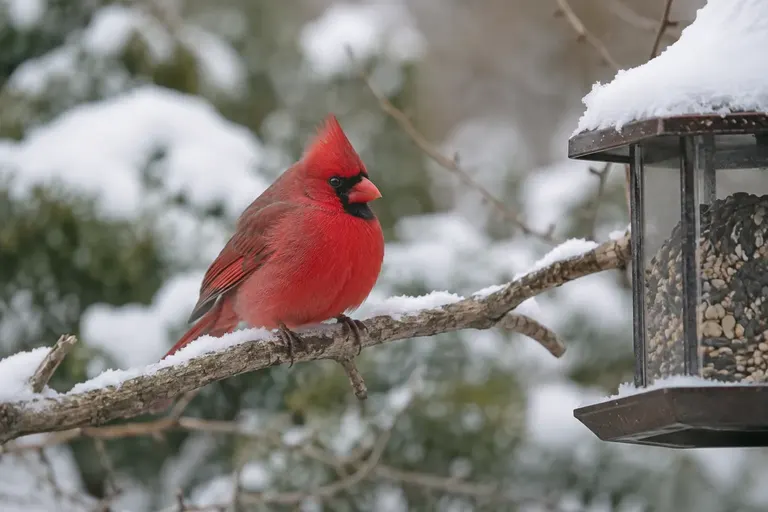
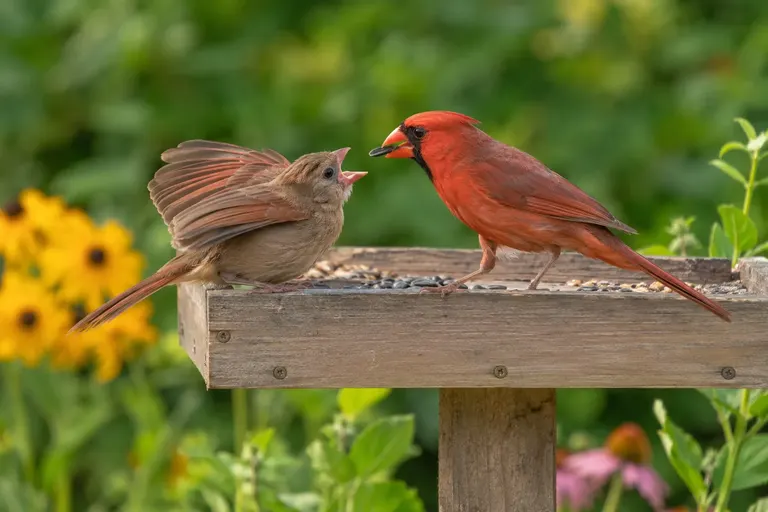
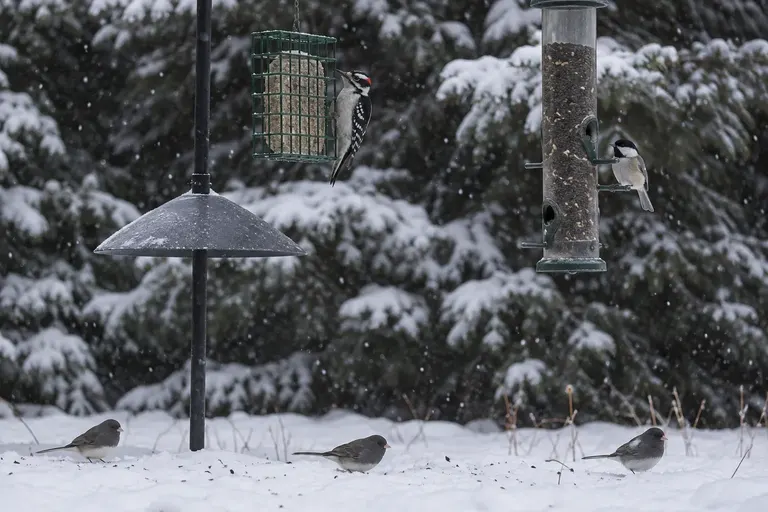
Northern Cardinals, sparrows, juncos, finches, robins and many other songbirds sleep in thick cover. They move deep into the plant, often close to the trunk, where needles or leaves form a roof overhead. On winter evenings you can sometimes watch cardinals slip into a hedge or a stand of junipers at dusk, one after another, and not come out until first light.
In Europe, Blackbirds, Robins, Dunnocks and Wrens use holly, ivy, yew and hedgerows in exactly the same way. Ivy growing on walls and old trees is a particularly valuable winter roost for small birds in the UK and across much of Europe.
How do they avoid falling off the branch?
Perching birds have a tendon arrangement in the legs that helps the toes close around a branch when the bird crouches, and a ridged surface inside the tendon sheath that helps hold the grip with little muscular effort. Researchers still debate how much this locking mechanism matters compared with ordinary balance and muscle control, but either way, songbirds sleep upright on a twig without toppling. We explain the anatomy in how birds perch without falling when asleep.
How do they sleep?
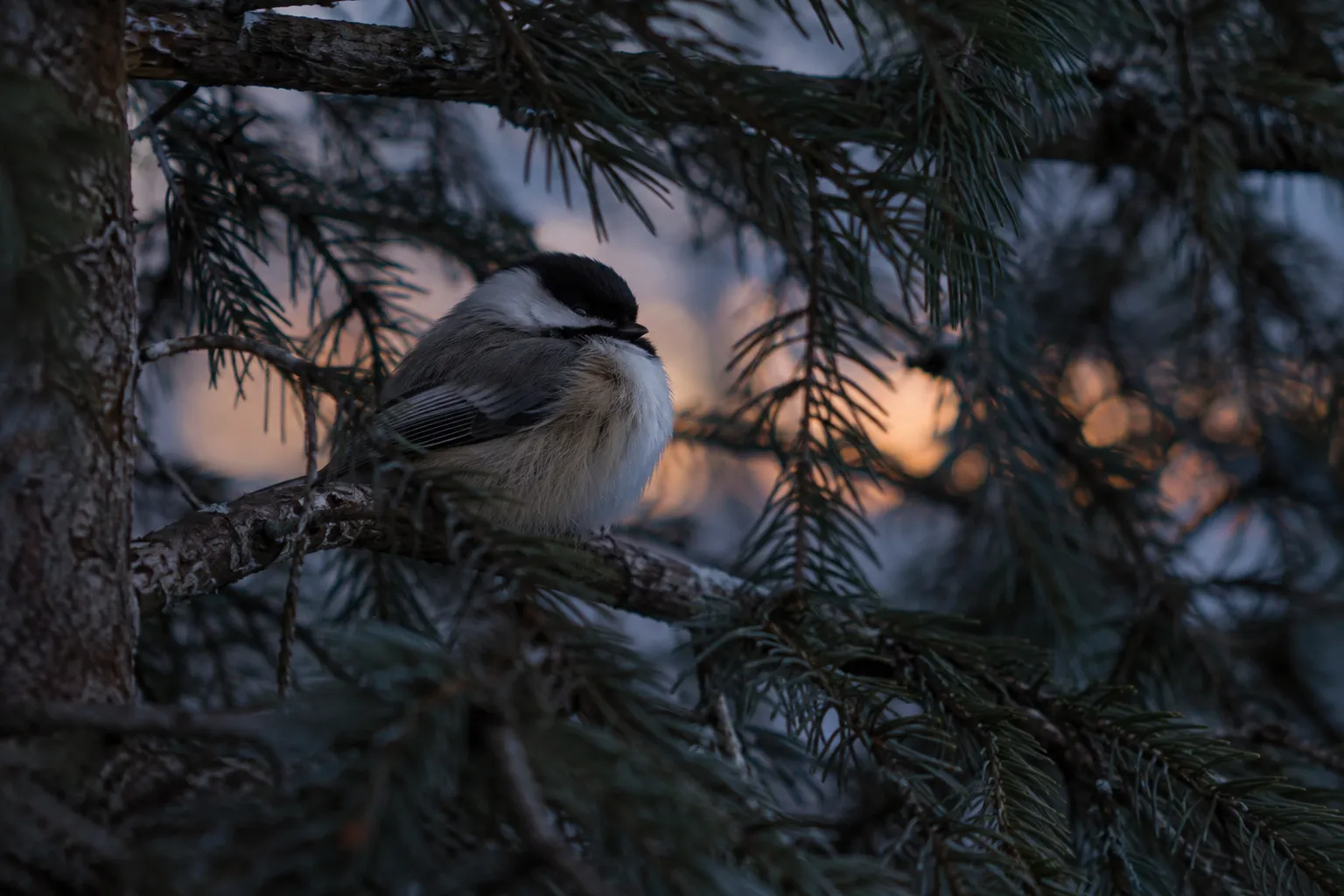
A roosting songbird fluffs its feathers into a round ball, which traps a layer of warm air, and usually turns its head to rest its bill on or among the back feathers. Contrary to the common picture, the bill goes into the back and shoulder feathers, not under the wing. Many birds also draw one leg up into the belly feathers to reduce heat loss from bare skin.
Which birds sleep in tree holes and nest boxes?
Cavity roosting is common among birds that also nest in holes. A cavity is far warmer than an open branch on a windy night, and it hides the bird from owls.
- Woodpeckers such as Downy, Hairy and Red-bellied Woodpeckers often excavate separate roost holes in autumn, one per bird.
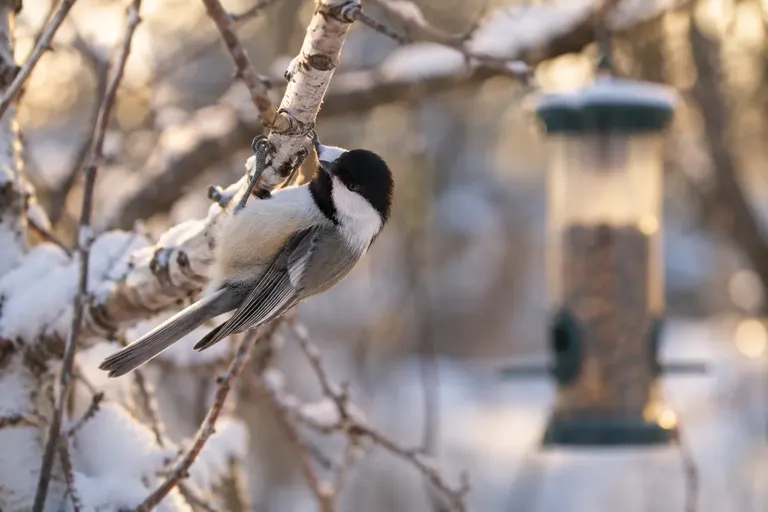
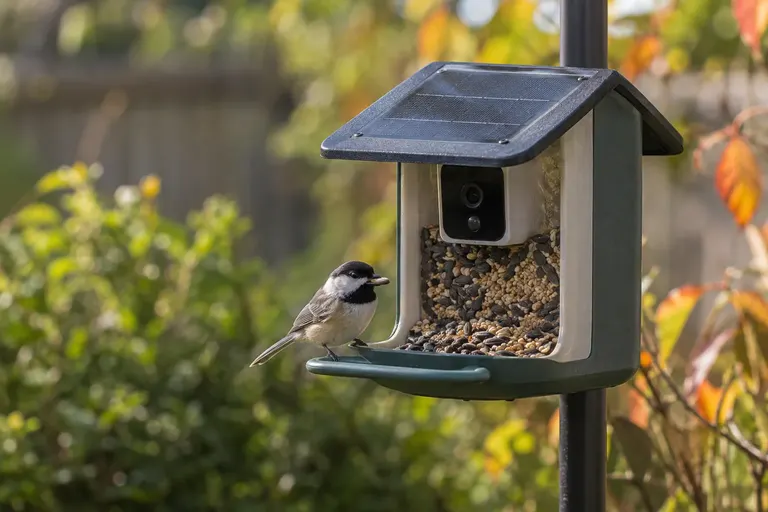
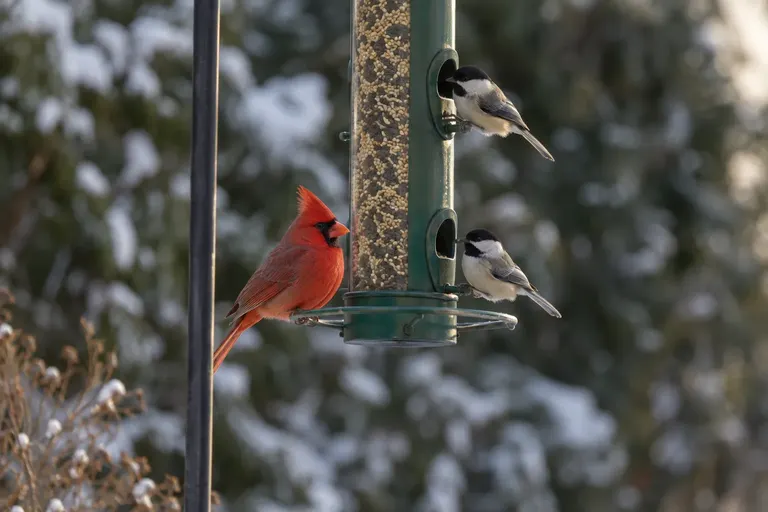
- Chickadees and tits. Black-capped Chickadees sleep in cavities or dense cover, and in Europe Great Tits and Blue Tits regularly roost in nest boxes through the winter.
- Nuthatches. White-breasted Nuthatches roost in cavities, and Pygmy Nuthatches in the western US are known for packing many birds into one hole on cold nights.
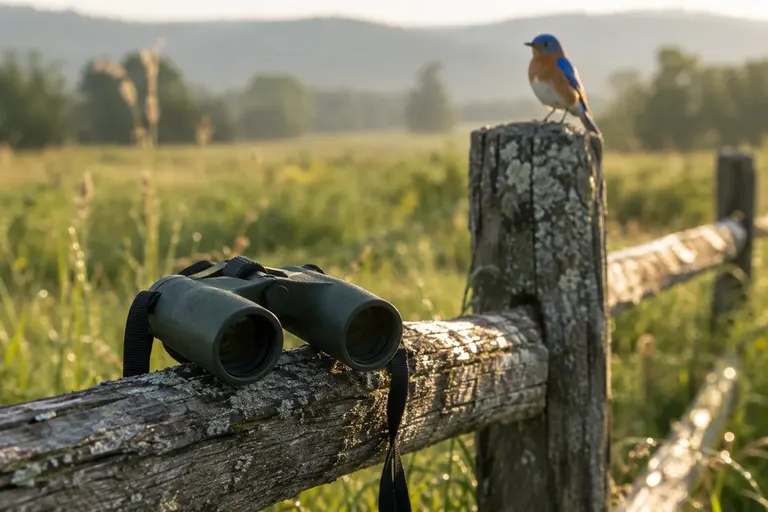
- Bluebirds. Eastern and Western Bluebirds sometimes crowd into a single nest box in severe cold, sharing body heat. Reports of a dozen or more birds in one box exist.
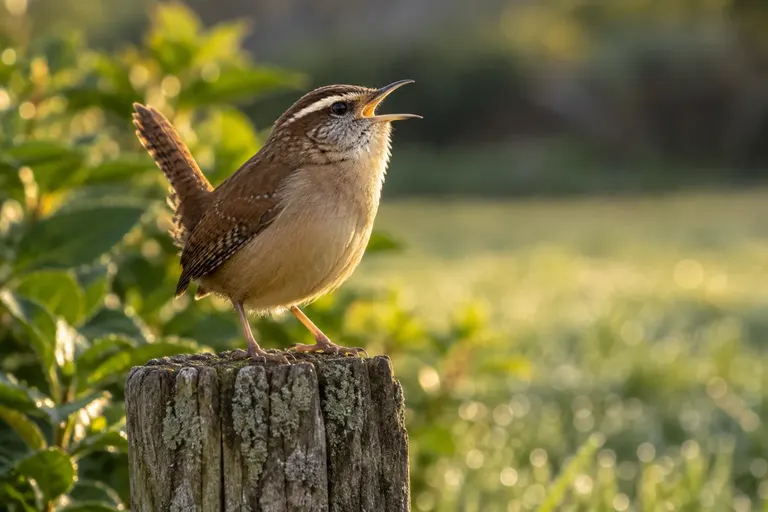
- Wrens. Carolina Wrens use cavities, nest boxes, garages, hanging baskets and even pockets of old coats in sheds.
- House Sparrows and starlings sleep in holes in buildings, under eaves and in signs.
This is one good reason to leave nest boxes up over winter rather than taking them down after the breeding season. Clean them out first, and some birds may use them as winter bedrooms.
Why do some birds sleep in huge communal roosts?
Some of the most spectacular sights in birding are communal roosts, where thousands or even millions of birds gather each evening.
Crows and rooks
American Crows form winter roosts that can hold tens of thousands of birds, often in towns and cities, near parking lots, hospitals and campuses, where lights and warmth may help them spot owls and stay comfortable. In Europe and Turkey, Rooks and Jackdaws gather into large winter roosts in woods and city parks. Crows fly in along the same routes each evening, often pausing at “staging” areas before the final move into the roost.
Starlings and murmurations
Common Starlings form famous pre-roost flocks that swirl in shifting shapes at dusk before settling into reed beds, woods, or structures such as piers and bridges. These displays, called murmurations, are thought to help confuse predators such as falcons. You can read more in what is a murmuration.
Swallows, swifts and martins
Tree Swallows gather in huge late-summer roosts in coastal reed beds and marshes in the eastern US, visible on weather radar as rings spreading out at dawn. Chimney Swifts in eastern North America roost inside chimneys, pouring in at dusk like smoke in reverse. In the Pacific Northwest, Vaux’s Swifts use large chimneys on migration, and Purple Martins form big late-summer roosts before heading to South America. In Europe, Barn Swallows and Sand Martins roost in reed beds in autumn.
Parrots and other tropical birds
Many parrots, parakeets and some pigeons roost communally. In Brazil and elsewhere in South America, parrots and macaws often fly long distances between feeding areas and traditional roost trees, calling loudly at dawn and dusk. Cattle Egrets and other herons form mixed roosts in trees over water in warm regions worldwide.
What is the benefit of sleeping in a crowd?
Scientists have proposed several reasons, and more than one probably applies:
- Safety in numbers. More eyes and ears mean a predator is noticed sooner, and any one bird is less likely to be caught.
- Warmth. Birds packed together lose less heat.
- Information. The “information center” hypothesis suggests birds that had a poor day may follow successful neighbors to good feeding sites the next morning.
The costs are real too: big roosts can spread disease and attract predators.
Where do ducks, geese and shorebirds sleep?
Many waterbirds sleep on open water, on islands, on sandbars or on mudflats. Water acts as a moat: a fox or coyote cannot approach without swimming or splashing, which gives warning. Ducks often sleep floating in groups, sometimes paddling gently with one foot to avoid drifting to shore.
Shorebirds such as sandpipers and plovers feed on tidal flats and roost at high tide on beaches, spits and salt marsh edges. These high-tide roosts are critical, and repeated disturbance by people and dogs can force birds to burn energy they cannot spare during migration.
Many waterbirds and waders also stand on one leg while resting, which reduces heat loss through bare legs.
Do birds sleep with one eye open?
Some do, and this is one of the more remarkable findings in bird science. Birds can engage in unihemispheric slow-wave sleep, where one half of the brain sleeps while the other stays more alert. The eye connected to the awake hemisphere stays open.
A well-known study of Mallards showed this clearly. Ducks sleeping at the edges of a row kept the outward-facing eye open more often than ducks in the protected middle, and the brain hemisphere connected to that open eye showed lighter sleep. In other words, the birds could adjust how deeply they slept based on how exposed they were.
Birds also have both slow-wave sleep and REM sleep, as mammals do, although their sleep episodes tend to be shorter and more fragmented. A bird that looks awake, with eyes blinking open now and then, may be dozing in short bouts.
Can birds sleep while flying?
Some can, and this is not a myth. Researchers attached small brain-activity recorders to Great Frigatebirds, seabirds that forage over the ocean for days without landing. The recordings showed the birds did sleep in flight, in short bursts lasting seconds, often with one hemisphere at a time and sometimes with both. In total they slept far less in the air than they did on land, well under an hour a day.
Common Swifts, which breed across Europe and Asia and winter in Africa, can stay in the air for about ten months outside the breeding season, based on data loggers carried by individual birds. They are thought to sleep during gliding descents from high altitude. Their North American relatives, including Chimney Swifts, roost at night rather than staying aloft.
Which birds are active at night?
Not every bird is sleeping when the sun goes down.
Owls and nightjars
Most owls hunt at night or at dusk and dawn, using hearing and low-light vision. Their soft-edged feathers dampen flight noise. Nightjars, including the Eastern Whip-poor-will and Common Nighthawk in North America and the European Nightjar, catch flying insects at dusk and at night. Night herons feed after dark along waterways worldwide.
Night singers
The Northern Mockingbird sometimes sings through the night in spring, especially unmated males. The Common Nightingale of Europe and Turkey is famous for night song. Some birds, such as European Robins, also sing at night near streetlights. If you are wondering what you are hearing, see why birds chirp at night.
Nocturnal migrants
Most small songbirds that migrate, including warblers, vireos, thrushes, flycatchers, orioles and many sparrows, travel at night. Night flight has several likely advantages: cooler, calmer air, fewer hawks, the chance to navigate by stars, and daylight hours free for feeding. On peak nights in spring and fall, hundreds of millions of birds may be aloft over the US, and radar-based forecasts such as BirdCast can predict the heaviest flights.
This is why artificial light at night matters. Bright lights can draw migrants off course into cities, where they collide with glass. Turning off unneeded outdoor lights during migration is one of the simplest ways to help. Our guide on how to stop birds hitting windows covers the problem in more detail.
How do tiny birds survive long, cold nights?
A winter night is a serious test for a bird weighing under half an ounce. Small birds have several strategies.
- Fattening up. Chickadees and many other small birds put on fat during the day and burn much of it overnight, then rebuild it the next day.
- Regulated hypothermia. Black-capped Chickadees can lower their body temperature by several degrees at night to save energy, a controlled drop rather than true hibernation.
- Torpor. Hummingbirds go further, dropping into deep torpor where body temperature and heart rate fall dramatically. See do hummingbirds sleep for how this works.
- Shivering. Birds generate heat by shivering their large flight muscles.
- Choosing a warm roost. Cavities and dense conifers can be noticeably warmer and less windy than open branches.
- Snow roosts. Ruffed Grouse, ptarmigan and some other northern birds plunge into soft snow and sleep in a burrow that insulates them from bitter air.
When do birds go to roost and wake up?
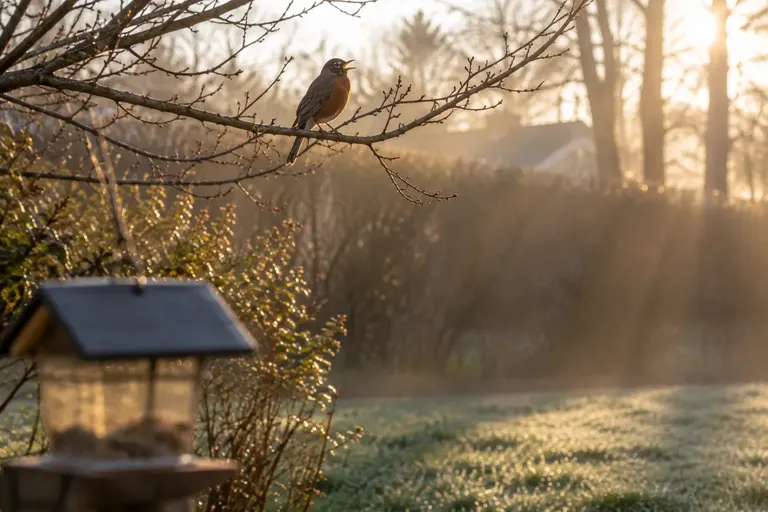
Most day-active birds head to roost around sunset and leave at or before sunrise, with timing shifting through the year as day length changes. Light level matters more than clock time, so birds go to roost earlier on dark, overcast evenings. Some species, such as robins and blackbirds, are active very early and very late, often singing or calling in near darkness.
Feeders often see a burst of activity in the last hour before dusk, as birds top up fat stores for the night, and again at first light, as they replace what they burned. If you keep feeders stocked in winter, those two windows matter most.
Myths vs facts about where birds sleep
| Myth | Fact |
|---|---|
| Birds sleep in their nests every night. | Nests are used at night only during incubation and brooding. |
| Birds tuck their heads under their wings. | They rest the bill on or among the back and shoulder feathers. |
| Birds sleep all night without waking. | Bird sleep is often fragmented, with short bouts and frequent checks for danger. |
| Birds cannot sleep in flight. | Frigatebirds sleep in flight, and swifts almost certainly do too. |
| Birds singing at night are confused. | Some species sing at night normally, though artificial light increases night singing in others. |
How can I help birds find a safe place to sleep?
You cannot build a crow roost, but you can make your yard a much better place for small birds to spend the night.
- Plant dense evergreens. Spruce, fir, pine, hemlock, holly, juniper and arborvitae give winter shelter. Native species suited to your region are best.
- Keep thickets and hedges. Dense, layered shrubs, especially thorny ones, are ideal night cover. Avoid shearing everything into thin, open shapes.
- Leave dead trees where safe. Standing dead wood, called snags, provides cavities for roosting and nesting. If a dead tree is not a safety hazard, consider leaving at least part of the trunk.
- Leave nest boxes up in winter. Clean them in late summer or fall and let birds roost in them. Dedicated roost boxes, which have an entrance near the bottom and internal perches, are another option.
- Build a brush pile. A loose pile of branches gives sparrows, wrens and juncos shelter from wind and predators. See how to build a brush pile for birds.
- Turn off unneeded outdoor lights. Especially during spring and fall migration, dark nights help migrants and may reduce night singing driven by light.
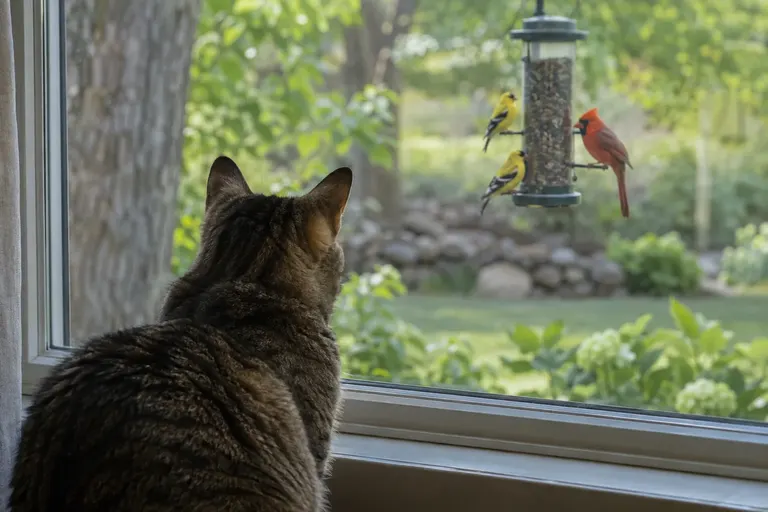
- Keep cats indoors at night. Roosting and fledgling birds are vulnerable to cats after dark. See our guide to cats and birds.
- Offer high-fat food late in the day in winter. Suet and sunflower seed help birds build the reserves they need to survive long nights.
Common mistakes
- Pruning dense shrubs hard in fall. It removes winter roost cover exactly when birds need it. Prune after the breeding season but leave some thick cover standing.
- Removing ivy and vines from every wall and fence. Where it is not damaging a structure or smothering trees, some vine cover is valuable roost habitat.
- Taking nest boxes down in autumn. Many birds use them for winter roosting.
- Disturbing roosts with flashlights or photography. Flushing birds on a cold night costs them energy they may not be able to replace.
Quick facts
- Nests are for eggs and young; adults sleep on perches, in cavities or in communal roosts.
- Songbirds rest the bill in their back feathers, not under the wing.
- Mallards can sleep with one eye open, adjusting for how exposed they are.
- Great Frigatebirds sleep in brief bursts while flying.
- Common Swifts can stay airborne for about ten months.
- Most migrating songbirds fly at night.
- Black-capped Chickadees lower their body temperature at night to save energy.
Sources
- Cornell Lab of Ornithology, All About Birds: Black-capped Chickadee
- Cornell Lab of Ornithology, All About Birds: American Crow
- Cornell Lab of Ornithology, All About Birds: Chimney Swift
- Rattenborg, N. C. et al. (2016). Evidence that birds sleep in mid-flight. Nature Communications
- Hedenstrom, A. et al. (2016). Annual 10-month aerial life phase in the Common Swift. Current Biology
Frequently asked questions
Do birds sleep in their nests at night?
Usually not. A nest is a nursery, not a bed. Adult birds use it while they are incubating eggs or brooding young chicks, and one parent often spends the night there during that stage. Once the young fledge, the family abandons the nest, which by then is often dirty and full of parasites. The rest of the year birds sleep on sheltered perches, in cavities or in communal roosts.
Where do birds go at night when it rains?
They go to the same kinds of roost sites they use on dry nights, choosing the most sheltered spots available: the inside of dense evergreens, thick vine tangles, tree cavities, nest boxes, and the undersides of eaves and bridges. Birds sit with feathers fluffed and bill turned toward the back, and their well-oiled outer feathers shed most water. Heavy storms still cost them energy and can kill weak birds.
Do birds come back to the same place every night?
Many do. Chickadees, woodpeckers and nuthatches often reuse a favorite cavity or nest box night after night in winter, and communal roosts of crows, starlings and swallows can be used for years or even decades. Some birds shift roosts as seasons, weather or disturbance change, but a good sheltered site tends to be used repeatedly.
Can birds sleep while flying?
Some can. Electrodes recording brain activity in Great Frigatebirds over the ocean showed they sleep in short bursts during flight, often with one brain hemisphere at a time, totaling well under an hour a day. Common Swifts can stay airborne for about ten months outside the breeding season, and researchers infer they must sleep on the wing, probably while gliding at altitude.
Why do I hear birds singing in the middle of the night?
A few species sing at night naturally, such as the Northern Mockingbird in North America and the Common Nightingale in Europe, especially unpaired males in spring. Others, including European Robins and American Robins, sing at night near bright streetlights and security lights, which appear to shift their daily timing. Night calls overhead in spring and fall usually come from migrating songbirds.