What to Wear Birding: Clothes, Shoes and Layers
What to wear birding: quiet, muted layers, waterproof shoes, a brimmed hat and tick protection. Here is how to dress for comfort and closer views in any season.
In this article
- Quick answer: the birding outfit that works almost anywhere
- Does the color of your clothes scare birds?
- What fabrics are best for birding?
- How should you layer for early morning birding?
- What are the best shoes for birdwatching?
- Do you need a hat for birding?
- How do you protect yourself from ticks and mosquitoes?
- What to wear birding in each season
- How should you dress for different habitats?
- Should you wear sunglasses while birding?
- What should you wear on a birding trip abroad?
- What about backyard birding?
- What should you carry, and where?
- Common mistakes when dressing for birding
- Birding clothing checklist
- Quick facts
- Sources
- Frequently asked questions
What to wear birding comes down to clothes that are quiet, muted in color, layered for temperatures that can rise 15 to 25 degrees Fahrenheit by late morning and practical for wet ground and insects. Think soft greens, browns and grays, fabrics that do not rustle, waterproof shoes with good grip, a brimmed hat, and long sleeves and trousers where ticks or mosquitoes are common. You do not need special “birding” clothes; ordinary outdoor clothing chosen with a few principles in mind works well.
Clothing matters for two reasons. First, comfort: birding often means standing still for long periods in cool dawn air, then walking in afternoon heat, and discomfort shortens outings. Second, birds notice you. Bright colors, flapping fabric and noisy movement can flush birds before you see them well. This guide explains what to wear and why, season by season, with a checklist at the end.
Quick answer: the birding outfit that works almost anywhere
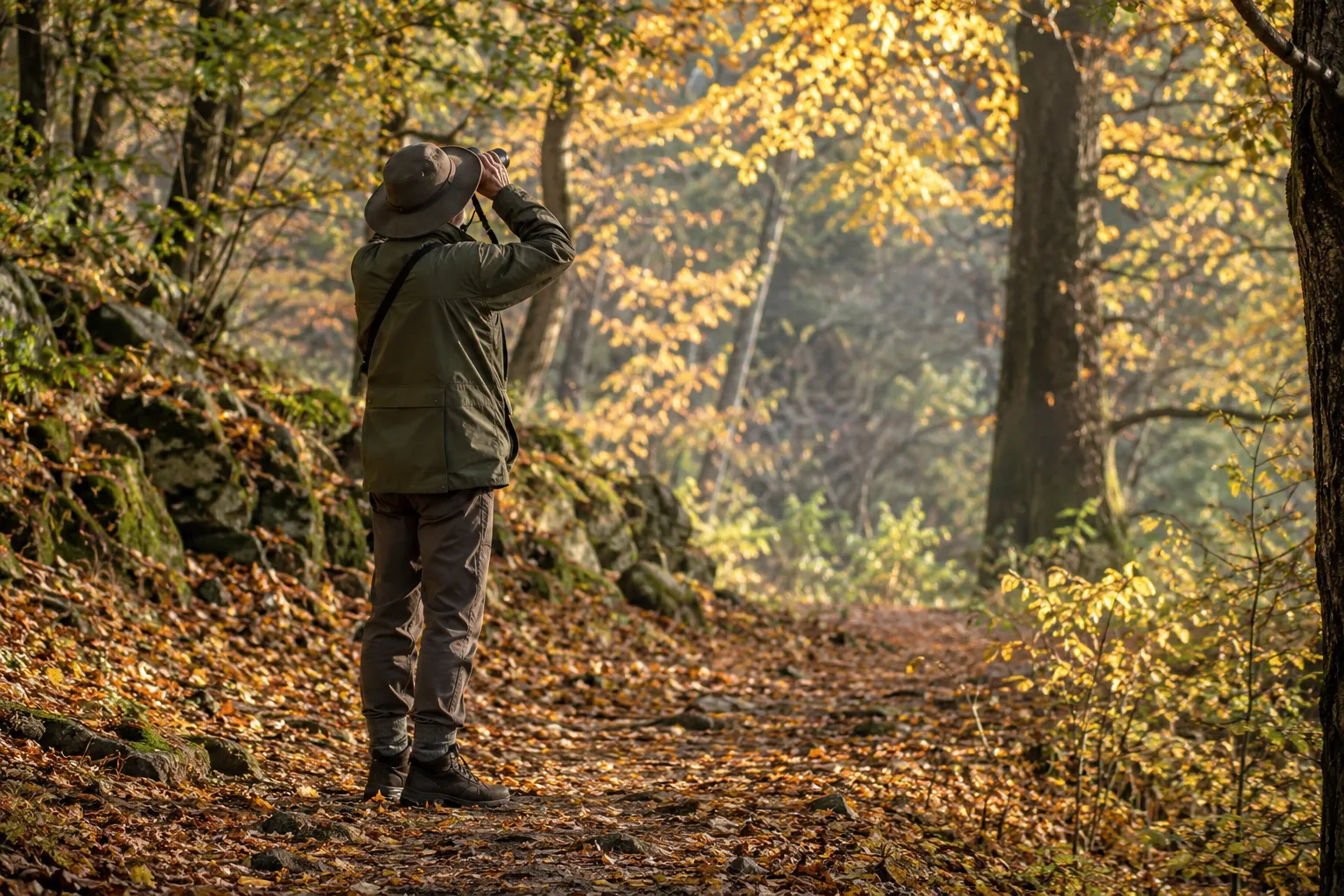
- Colors: olive, khaki, brown, tan, gray or muted blue.
- Top: a wicking base layer plus a light fleece or wool layer.
- Outer layer: a quiet, water-resistant jacket with pockets.
- Trousers: lightweight, quick-drying, long enough to tuck into socks.
- Feet: waterproof hiking shoes or boots with non-squeaky soles.
- Head: a brimmed hat for sun, rain and glare.
- Extras: insect and tick protection, thin gloves in cool weather, a small rain shell.
Does the color of your clothes scare birds?
Color does matter, but it is not the whole story. Birds have excellent color vision. Most songbirds have four types of color-sensitive cones in their eyes compared with our three, and many can see ultraviolet light. Our guides on whether birds can see color and whether they can see ultraviolet light explain the science.
What this means in practice:
- Contrast is what stands out. A bright red or white jacket against green leaves is easy for any animal to see. Muted tones reduce contrast, especially in the dappled light of woods and hedgerows.
- Movement matters more than color. A birder in camouflage who waves an arm is more alarming than one in a gray jacket who stands still. Birds are extremely sensitive to sudden motion, which is why slow, smooth movements get you closer.
- White can act as an alarm signal. Many animals flash white when they flee. Large expanses of white clothing may read as a warning. Many birding guides and tour leaders suggest avoiding white outer layers for this reason.
- Some fabrics reflect ultraviolet. Some detergents contain optical brighteners that make fabrics glow under UV light. Whether this measurably affects birds in the field is not well studied, so it is a minor consideration rather than a rule.
Do you need camouflage?
No. Full camouflage patterns are popular with bird photographers who sit in one place for hours, and they do no harm, but for most birding plain, muted colors do almost as well. Camouflage can also make you harder for hunters to see in some areas during hunting seasons, which is a safety concern. In those places and seasons, blaze orange on a hat or vest is the safer choice, even though birds can see it.
What fabrics are best for birding?
Noise is an overlooked problem. Many waterproof jackets and nylon trousers make a loud “swish” with every step or arm movement. In a quiet forest, that sound travels, and it also makes it harder for you to hear bird calls.
Quiet fabrics
- Fleece and brushed fabrics are very quiet.
- Wool and merino are quiet, warm when damp and resist odor on multi-day trips.
- Soft-shell fabrics are generally quieter than hard-shell rain jackets and handle wind and light rain.
- Cotton is quiet but absorbs water and dries slowly, which makes it cold when wet. It is fine for warm, dry days, less so in cold or wet conditions.
Noisy fabrics to avoid when possible
- Stiff, crinkly rain jackets and rain trousers.
- Velcro closures on pockets, which make a loud tearing sound just when a bird appears. Zips or magnetic closures are quieter.
- Jingling keys, zipper pulls and loose gear. A quick check before you set off saves frustration.
How should you layer for early morning birding?
Birds are most active in the first few hours after sunrise, which is also usually the coldest part of the day. Our guide to the best time of day to see birds explains why. By late morning, the temperature may have risen 15 to 25 degrees Fahrenheit or more. Layers let you adjust without heading home.
The three-layer system
- Base layer. A thin, moisture-wicking shirt, synthetic or merino wool. It moves sweat away from your skin so you do not get chilled when you stop walking.
- Middle layer. Insulation, such as a fleece or light wool sweater. Add a second insulating layer on cold days.
- Outer layer. A wind- and water-resistant jacket. For birding, pockets matter: you want space for a field guide or phone, a notebook, snacks and gloves.
Remember that birding is often slow. You may walk a few hundred yards, then stand still for ten minutes watching a warbler flock. You lose heat quickly when standing, so bring one more layer than you think you need.
What are the best shoes for birdwatching?
Footwear decides whether you enjoy a long walk or cut it short. Most birding happens on gentle trails, lawns, field edges and marsh boardwalks rather than steep terrain, so you rarely need heavy mountaineering boots.
What to look for
- Waterproofing. Dew-soaked grass at dawn will soak ordinary sneakers within minutes. Waterproof hiking shoes or boots keep your feet dry.
- Grip. Muddy trails, wet boardwalks and rocky shorelines demand good soles.
- Comfort for standing. Cushioning and support matter more than you might expect, because long periods of standing can be harder on feet than walking.
- Quiet soles. Some rubber soles squeak on boardwalks. It is a small thing, but noticeable in a quiet setting.
Special situations
- Marshes, wet meadows and coastal mudflats: rubber boots are the practical choice.
- Hot, dry climates: breathable trail shoes may be more comfortable than waterproof boots, which can trap heat.
- Snow: insulated waterproof boots, and traction devices on icy paths.
Do you need a hat for birding?
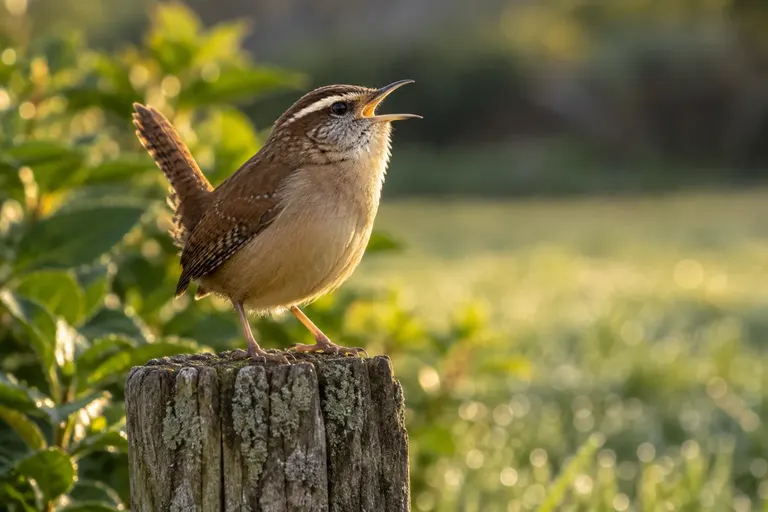
A hat is one of the most useful items you can wear. A brim does three jobs:
- Shades your eyes, which makes it easier to see color and detail when looking up into a bright sky.
- Reduces glare on binocular eyepieces, which improves the view.
- Protects your skin during long hours outdoors, when you often spend time looking up at a sunlit canopy.
A wide-brimmed hat is best in sun. A baseball cap works but leaves ears and neck exposed. In cold weather, a warm knit hat is the priority; some birders wear a cap under a hood to keep rain off their glasses.
If you wear glasses, a brim also helps keep rain off your lenses. For more on using optics with eyeglasses, see our guide to binoculars for glasses wearers.
How do you protect yourself from ticks and mosquitoes?
In many birding areas, the biggest health concern is not weather but insects. Ticks carry Lyme disease and other illnesses in much of North America and Europe, and mosquitoes can transmit West Nile virus and other diseases in many regions worldwide.
Clothing steps that help
- Wear long trousers and tuck them into your socks. It looks unfashionable, but it forces ticks to crawl up the outside of your clothes where you can see them.
- Choose lighter colors for trousers and socks in tick country, so ticks are easier to spot. This is a trade-off with the muted-color principle, and in tick-heavy areas most health agencies would say safety comes first.
- Use repellents as directed. Public health agencies such as the US Centers for Disease Control and Prevention recommend EPA-registered repellents on skin and permethrin-treated clothing, applied according to the label.
- Check yourself after every outing, including hairline, behind knees, waist and underarms. Prompt removal lowers the risk of infection.
- Consider a head net in places where mosquitoes or biting flies are intense, such as northern bogs in early summer.
What to wear birding in each season
Spring
Spring migration brings cold dawns, warm afternoons and frequent showers. Pack layers and a rain jacket. Ticks become active as temperatures rise, so tick precautions start in spring in many regions.
Summer
Heat and sun are the main challenges. Choose light, breathable, long-sleeved shirts in muted colors, which protect against both sun and insects. A wide-brimmed hat and plenty of water are essential. In the tropics, such as the Atlantic Forest of Brazil or the lowlands of Central America, lightweight quick-dry fabrics work better than cotton, which stays damp in high humidity.
Fall
Fall migration is often the most comfortable season for birding. Mornings can be frosty and afternoons warm, so layers matter. In areas with hunting seasons, wear blaze orange on a hat or vest when birding on or near hunting land.
Winter
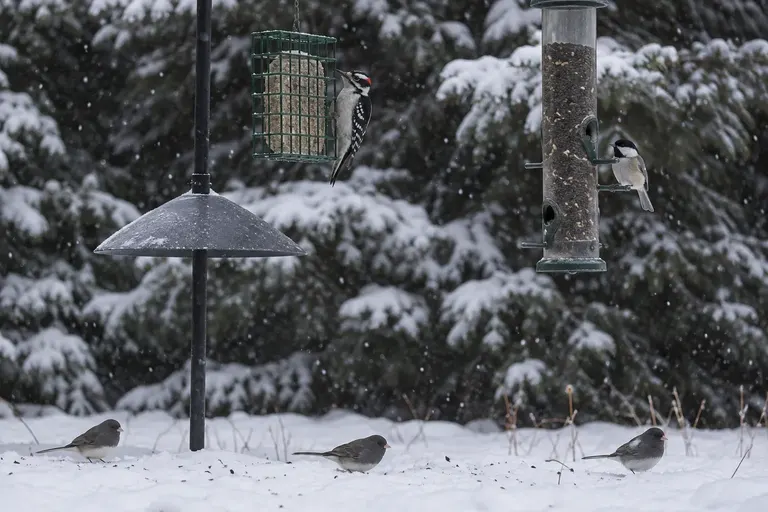
Winter birding, from Christmas Bird Counts in North America to watching wildfowl on European estuaries, demands warmth while standing still. Key items:
- A warm base layer and one or two insulating layers.
- A windproof outer shell, since wind chill near open water is punishing.
- Insulated, waterproof boots and warm socks.
- Thin liner gloves that let you work binocular focus wheels, with warmer mittens over them. Fingerless gloves or convertible mittens with a flip-top are popular with birders.
- A warm hat, and a neck gaiter or scarf.
Our guide on how birds stay warm in winter explains how birds solve the same problem with feathers, fat and shivering.
How should you dress for different habitats?
Season is only half the question. The place you bird changes what works.
Forests and woodlands
Woodland birding means shade, dappled light and close encounters, often with birds only a few yards away. This is where muted colors and quiet fabrics matter most. Long sleeves protect against brambles and insects, and a hat keeps falling debris and drips off your head and glasses.
Wetlands, estuaries and coasts
Open water offers no shelter from wind, and temperatures near the sea or a large lake are often several degrees lower than inland. A windproof layer is essential, and on mudflats or salt marsh edges, rubber boots are far more practical than hiking shoes. Glare off water is intense, so a brimmed hat helps. Birds in open habitats, such as shorebirds and ducks, tend to flush at longer distances than woodland songbirds, so a low profile and slow approach matter more than the exact shade of your jacket.
Grasslands and farmland
Tall grass holds dew and ticks. Waterproof footwear and tucked-in trousers are the priorities. Sun exposure can be high with little shade, so sun protection matters even on cool days.
Mountains and high ground
Weather changes fast at altitude. Carry an extra warm layer and a rain shell even on clear mornings, and remember that ultraviolet exposure increases with elevation. Mountain birding in places such as the Alps, the Rockies or the Andes can start below freezing and end in strong sun.
Deserts and dry scrub
Loose, light-colored, long-sleeved clothing reflects heat and protects skin. Early mornings in deserts can be surprisingly cold, so a warm layer is still useful. Sturdy shoes protect against spiny plants.
Should you wear sunglasses while birding?
Sunglasses reduce eye strain on bright days, especially near water or snow, but most birders take them off to look through binoculars, since tinted lenses change the colors you see and reduce the light reaching your eyes. Neutral gray lenses distort color least. If you want to wear them between sightings, a retainer strap lets you drop them around your neck quickly. A brimmed hat does much of the same job without affecting color.
What should you wear on a birding trip abroad?
Birding tours and trips add a few considerations:
- Check local customs. In some countries and at religious sites, covering shoulders and knees is expected.
- Plan for insect-borne disease. In tropical regions, long sleeves, repellent and permethrin-treated clothing are standard advice. Check health guidance for your destination.
- Pack quick-drying fabrics. They can be washed in a sink and dried overnight, which keeps luggage light.
- Bring broken-in footwear. New boots on a long trip are a common source of blisters.
What about backyard birding?
Most backyard birding happens through a window, so clothing hardly matters. When you step outside, though, a few principles still help:
- Wear muted clothing if you plan to sit near feeders for photos or close views.
- Move slowly, and sit in the same place regularly. Many backyard birds learn to tolerate a familiar person who behaves predictably. Our guide on whether birds recognize the people who feed them looks at the evidence.
- Keep a pair of waterproof garden shoes by the door for refilling feeders in wet grass.
What should you carry, and where?
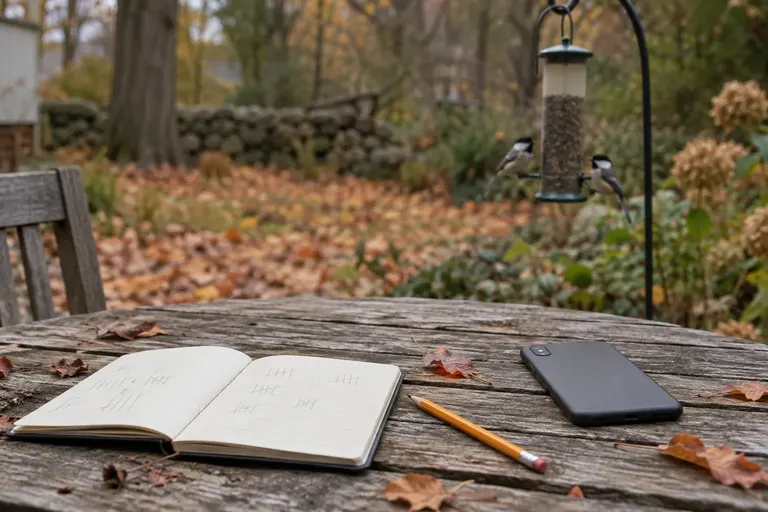
Clothing and carrying go together. Pockets on a jacket or a small vest reduce the need for a backpack, which can be hot and noisy. Common items to carry:
- Binoculars, ideally on a comfortable harness rather than a thin neck strap.
- Phone, with apps such as Merlin or eBird.
- A small notebook and pencil.
- Water and a snack.
- Sunscreen, repellent and a small first-aid kit.
- A light rain layer.
If you are just starting, our guide to birding for beginners covers the gear you actually need, and it is far less than many people assume.
Common mistakes when dressing for birding
- Dressing for the car park, not the trail. It is often 10 degrees colder at dawn near water or in a valley than in town.
- Wearing noisy rain gear on dry days. Save the crinkly shell for actual rain.
- Choosing fashion sneakers. Dew and mud will soak them within minutes.
- Forgetting a hat. Glare and sunburn end many outings early.
- Ignoring ticks. Tucking trousers into socks takes seconds and can prevent months of illness.
- Over-dressing for a long walk. You will sweat, then chill when you stop. Start slightly cool and add layers when standing.
- Bright, flapping clothing. A loose, brightly colored rain poncho is about the most bird-scaring garment there is.
Birding clothing checklist
| Item | Why it helps | Season |
|---|---|---|
| Muted base layer | Wicks sweat, blends in | All year |
| Fleece or wool mid layer | Warmth while standing still | Spring, fall, winter |
| Quiet soft-shell or jacket | Wind and light rain, pockets | All year |
| Packable rain shell | Heavy rain | All year |
| Quick-dry long trousers | Brush, ticks, sun | All year |
| Waterproof hiking shoes | Dew, mud, comfort | All year |
| Rubber boots | Marshes, mudflats | Wet sites |
| Brimmed hat | Sun, glare, rain | All year |
| Thin gloves and mittens | Focus binoculars in cold | Winter |
| Blaze orange hat or vest | Safety near hunting areas | Hunting seasons |
Quick facts
- Muted greens, browns and grays reduce your contrast against vegetation.
- Movement alarms birds more than color does. Move slowly and smoothly.
- Avoid large areas of white and noisy fabrics or Velcro.
- Dress warmer than for a hike, because birding involves a lot of standing.
- Waterproof shoes pay off on dew-soaked morning grass.
- Tuck trousers into socks and check for ticks after every outing.
- Wear blaze orange near hunting areas during hunting seasons.
Sources
Frequently asked questions
Does clothing color matter when birdwatching?
Yes, though less than movement does. Birds see color well, including ultraviolet, and bright or high-contrast clothing makes you stand out against vegetation. Muted greens, browns, grays and tans help you blend in, especially when you are standing still. Moving slowly and quietly matters more, but dull colors give you a small, real advantage when approaching shy birds.
Should I avoid wearing white when birding?
Many experienced birders avoid large areas of white, because it is highly visible and many birds use white patches as alarm signals, such as the white tail flash of a fleeing deer or the white rump of a flushing bird. A white shirt under a darker jacket is fine. A bright white jacket or hat is more likely to be noticed.
What shoes are best for birdwatching?
Comfortable, waterproof hiking shoes or light boots suit most birding, because early morning grass is often soaked with dew and trails can be muddy. Choose soles with good grip and uppers that do not squeak or crunch. For marshes and wet meadows, rubber boots are more practical. Break new footwear in before a long outing.
How do I protect myself from ticks while birding?
Wear long pants tucked into socks, choose light-colored socks or trousers so ticks are easier to spot, and use an EPA-registered repellent on skin or permethrin-treated clothing, following the label. Stay on trails when possible and check your body, clothing and gear carefully after every outing, since prompt removal lowers the risk of tick-borne disease.
What should I wear birding in winter?
Dress in layers: a moisture-wicking base, an insulating middle layer such as fleece or wool, and a windproof outer shell. Birding involves long periods of standing still, so dress warmer than you would for a hike. Thin gloves that let you focus binoculars, a warm hat and insulated waterproof boots make the biggest difference to comfort.