Winter Birding: Where the Birds Are and How to Find Them
Winter birding pays off at open water, sunny sheltered edges, weedy fields, conifers and feeders. Where birds go in the cold, when to look and what to bring.
In this article
- Is winter a good time for birding?
- Where do birds go in winter?
- What time of day is best for winter birding?
- How do you plan a winter birding trip?
- What is an irruption year?
- How do you join a Christmas Bird Count?
- What should you wear and bring?
- How do you use binoculars in the cold?
- What birds can you see in winter?
- How close is too close in winter?
- What are the most common winter birding mistakes?
- Sources
- Frequently asked questions
Winter is a good time to go birding. Bare trees make birds easier to see, many species gather in flocks, and some northern visitors only arrive in the cold months. The trick is knowing where birds go: open water, sunny sheltered edges, weedy fields, conifers and feeders. Find food, water and shelter, and you’ll find birds.
You’ll see fewer species than in May, but you’ll often see them better. A nuthatch on a bare oak is far easier to follow than one hidden in leaves.
Is winter a good time for birding?
Yes. With the leaves gone you can see birds that hide all summer, flocks are easier to follow, and some species visit only in winter. Massachusetts wildlife officials point out that winter also means fewer crowds at popular sites, which makes it a good season for learning common resident birds.
The trade-off is cold, short days and a smaller cast of species. Plan shorter trips and pick your spots with care.
Where do birds go in winter?
Birds in winter follow food, water and shelter. The best spots offer at least two of the three.
| Where to look | What you’re likely to find | Tip |
|---|---|---|
| Open water (rivers below dams, spring-fed ponds, harbors, small seeps and creeks) | Ducks, geese, gulls, herons, eagles | When lakes freeze, birds pack into whatever water is left. Check it after a cold snap. |
| Sunny, sheltered edges (south-facing woodland edges, hedgerows) | Chickadees, kinglets, woodpeckers, sparrows | Birds feed where it’s warmest and out of the wind, especially when the sun first hits. |
| Weedy fields and field margins | Sparrows, juncos, finches, and the hawks that hunt them | Unmown margins hold seed all winter. Farm fields can draw Snow Buntings and Horned Larks. |
| Conifers | Crossbills, siskins, nuthatches, roosting owls | Cones make conifers seed magnets for finches, and they give shelter in storms. |
| Birch and alder stands | Redpolls, siskins, goldfinches | These finches feed on the seeds in the catkins and cones. |
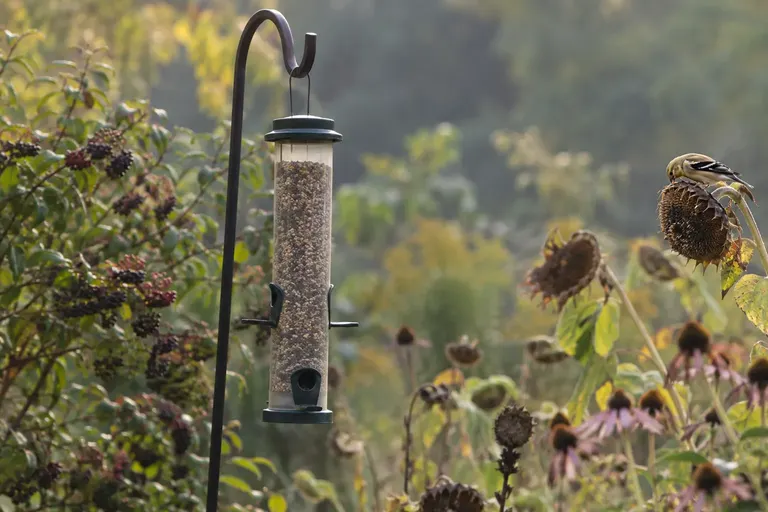
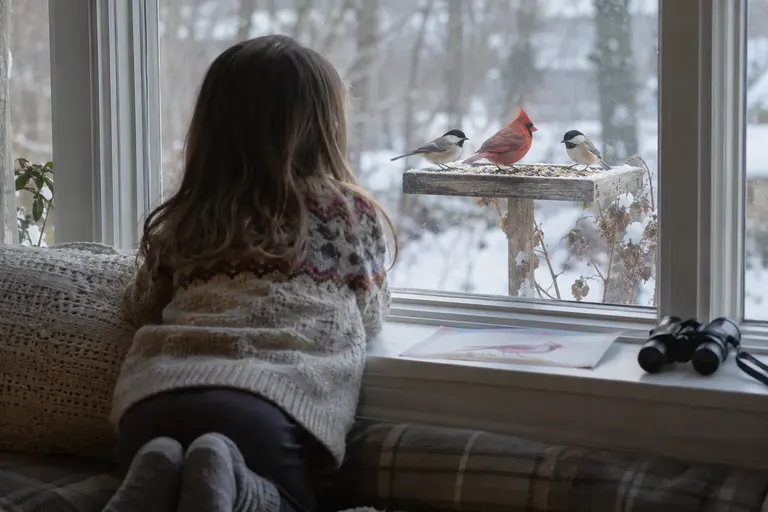
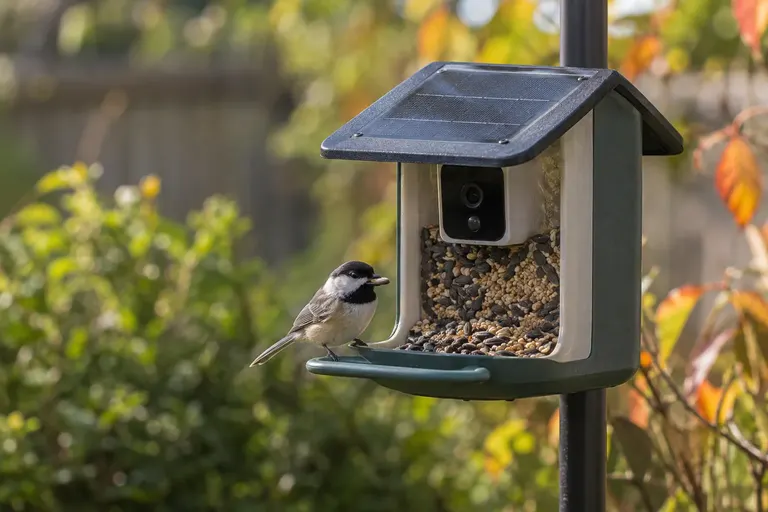
| Feeders (yours, parks, nature centers) | The widest mix of small birds | A busy nature-center feeder is a quick way to learn winter birds up close. |
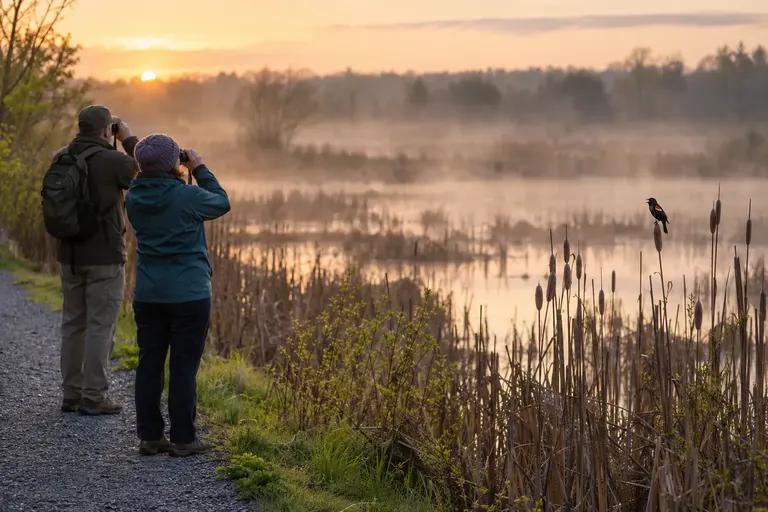
Open water is the one habitat that tends to get better as it gets colder, because birds concentrate on what’s left. The Ontario Field Ornithologists note that even small seeps and creeks can hold lingering birds when everything else is frozen.
Fields are easy to overlook. The same Ontario guide points out that farm fields where manure has recently been spread can concentrate ground-feeding birds like Snow Buntings and Horned Larks, while weedy fields hold sparrows and finches. Scan fence posts and treelines for the hawks that follow them.
What time of day is best for winter birding?
In winter, go when the sun reaches sheltered spots. There’s little point standing in a frozen, shady wood at first light. Instead, find a south-facing edge out of the wind and be there as the early sun warms it, or come back in the late afternoon.
The Ontario Field Ornithologists put it simply: combine a sunny, sheltered spot with early or late sun and you’ll find birds that are sunbathing and feeding. Small birds also need to feed hard before the long night, so the last couple of hours of daylight can be busy.
For ducks and gulls on open water, time of day matters less than light and wind. Audubon suggests cloudy days for watching waterfowl because they cut the glare off the water. Our guide to the best time of day for birding covers the rest of the year.
How do you plan a winter birding trip?
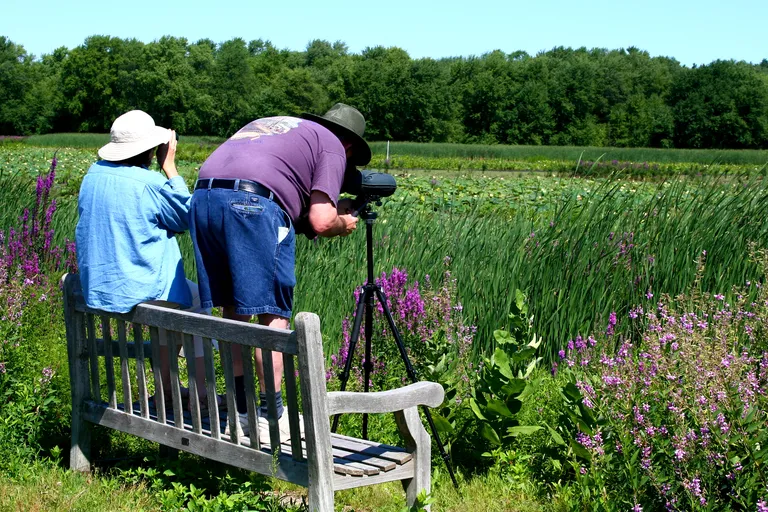
Start with recent sightings, then pick one or two good spots and keep the trip short. A focused two hours beats a long, cold wander.
- Check eBird. Recent sightings and hotspot lists show what’s around and where. Here’s how to use eBird.
- Read the Winter Finch Forecast. The Finch Research Network has published it every year since 1999. It uses cone, seed and fruit crops in Canada’s forests to predict which northern finches will move south.
- Watch the weather. A hard freeze pushes waterbirds onto the last open water, and snow sends more small birds to feeders.
- Keep it short. Stop at each good edge, wait a few minutes, then move on.
What is an irruption year?
An irruption is when northern birds move far south of their usual winter range in large numbers, usually because their food crop has failed up north. It’s one of the big draws of winter birding.
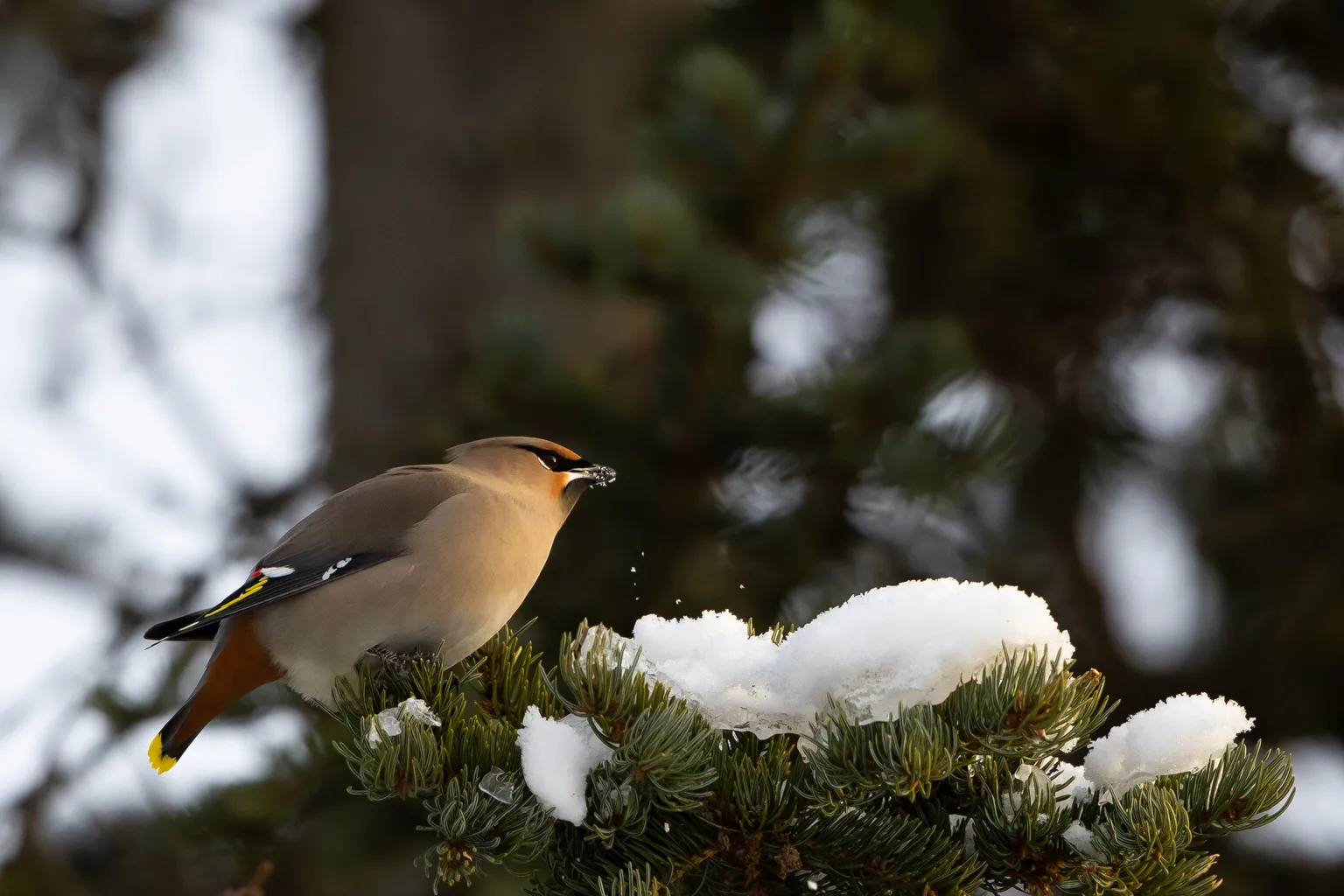
According to the Cornell Lab’s All About Birds, the Winter Finch Forecast looks at cone, seed and fruit production across the boreal forest, and poor crops there trigger bigger southward movements. Species it tracks include redpolls, Pine Siskins, Evening Grosbeaks, Pine Grosbeaks, crossbills, Purple Finches, Red-breasted Nuthatches, Bohemian Waxwings and Blue Jays. In a good irruption year, some of these can turn up at feeders far from their usual haunts.
How do you join a Christmas Bird Count?
The Christmas Bird Count is the easiest way into winter birding. Audubon started it on Christmas Day in 1900, and counts now run every year between December 14 and January 5.
Each count covers a circle 15 miles across on a single day. Audubon says you don’t need to be an expert: newcomers are paired with experienced counters who know the area and its birds, which is one of the fastest ways to learn winter birds. If you live inside a count circle, you may be able to count the birds at your own feeder instead of going out in the field.
What should you wear and bring?
Dress in layers you can open and close, with a wind-proof outer layer, warm boots and a hat. MassWildlife recommends fleece or wool layers, sturdy boots and snacks, water and a hot drink. You stand still a lot while birding, so your hands and feet get cold first. There’s more in our guide to what to wear birding.
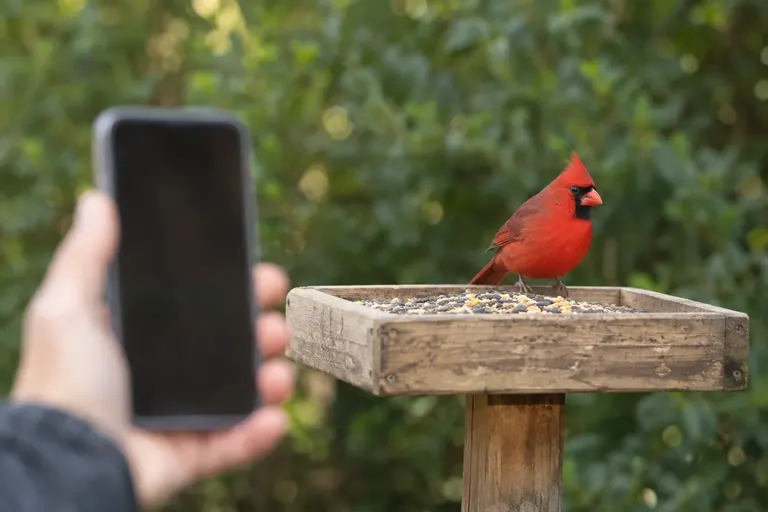
- Gloves: thin liner gloves inside mittens, so you can pull the mittens off to focus binoculars or use your phone.
- Quiet fabrics: the Ontario Field Ornithologists suggest clothing that doesn’t rustle, so you don’t flush birds.
- Thermos and snack: you’ll stay out longer and enjoy it more.
- Traction: paths near water ice over. Slip-on cleats help.
- A scope, if you have one: MassWildlife notes a spotting scope helps on the coast and in open areas, but it isn’t essential.
How do you use binoculars in the cold?
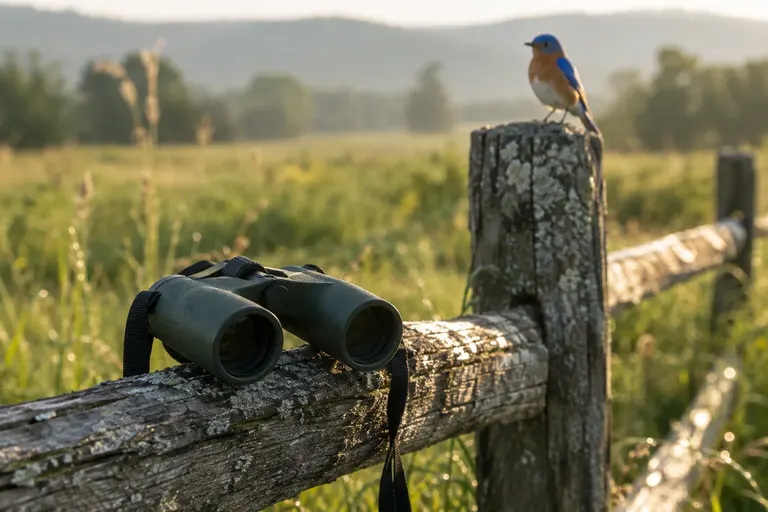
Your binoculars will work fine in winter, but a few habits help.
- Fogging: fog forms when the temperature and humidity inside and outside the binoculars differ. Let them adjust gradually when you go from a warm house into the cold and back, keep them in their case while they warm up indoors, and don’t breathe on the lenses.
- Sealed optics: binoculars purged with nitrogen or argon are sealed against moisture, so they won’t fog on the inside.
- Snow glare: bright snow can wash out the view. Keep the eyecups set properly and your back to the sun when you can.
- Gloves: a large central focus wheel is easier to turn with gloves on.
If you’re choosing a first pair, our guide to the best binoculars for beginners covers what matters. For tips on getting on a bird quickly, see how to find birds fast in binoculars.
What birds can you see in winter?
That depends on where you live, but a typical winter mix across much of the northern United States and southern Canada looks like this:
| Where | Birds to look for |
|---|---|
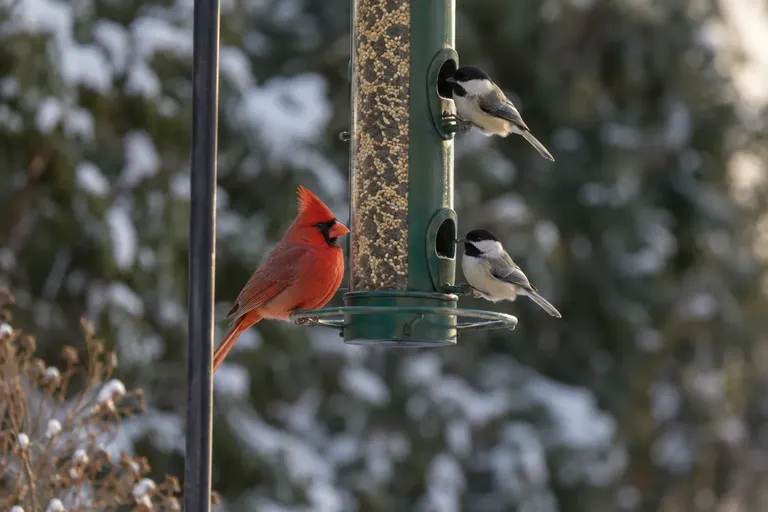
| Feeders and woodland edges | Chickadees, nuthatches, Downy and Hairy Woodpeckers, Dark-eyed Juncos, Northern Cardinals, American Tree Sparrows |
| Open water | Mallards, Buffleheads, Common Goldeneyes, mergansers, gulls, Bald Eagles |
| Irruption years | Redpolls, Pine Siskins, Evening Grosbeaks, crossbills, Bohemian Waxwings |
| Fields | Red-tailed Hawks, Northern Harriers, and in some areas Rough-legged Hawks and Snowy Owls |
Check eBird for your county to see which of these are regular where you live. If you wonder how these small birds survive the nights, read how birds stay warm in winter.
How close is too close in winter?
Keep your distance from owls and other roosting birds. Winter is hard on birds, and every flush costs them energy they can’t easily replace. MassWildlife’s advice is to watch for any change in a bird’s behavior and, if you see one, slowly back away. Use binoculars or a scope rather than walking closer, and don’t share the exact location of roosting owls publicly. Our birding etiquette guide covers the rest.
What are the most common winter birding mistakes?
Most winter mistakes come from treating it like a spring walk. Winter birds sit in pockets, and the rules change.
- Going out at dawn on the coldest day. Wait for the sun to reach the sheltered edges.
- Walking fast. Stop at each good edge and wait a few minutes.
- Skipping the water. In a freeze, open water is often the best spot in the area.
- Crowding owls. Keep back and keep roost locations to yourself.
Staying home? Our guide to winter bird feeding shows how to bring winter birds to you.
Sources
- Audubon: Christmas Bird Count
- Audubon: How to Join a Christmas Bird Count
- All About Birds (Cornell Lab): Redpolls, Grosbeaks, and Other Finches Are in the Forecast
- MassWildlife: 5 must-read tips for winter birdwatching
- Ontario Field Ornithologists: Winter birding tips
- Audubon: Ten Tips for Waterfowl Beginners

Frequently asked questions
Is winter a good time for birding?
Yes. With the leaves down, birds that hide all summer are much easier to see, many species travel in flocks, and some northern visitors only turn up in the cold months. You'll usually find fewer species than in spring migration, but popular spots are quieter and you'll often get longer, clearer looks at the birds that are there.
What time of day is best for winter birding?
Look for the times when the sun reaches sheltered spots. Early and late sun on a south-facing, wind-free edge draws small birds that are warming up and feeding, and the last couple of hours before dark can be busy too. For ducks on open water, time of day matters less than light, and cloudy days cut the glare.
How do I stop my binoculars fogging in the cold?
Fog forms when the temperature and humidity inside and outside the binoculars differ. Let them adjust gradually when you move between a warm house and the cold, keep them in the case while they warm up, and don't breathe on the lenses. Nitrogen or argon purged, sealed binoculars won't fog on the inside.
Where do birds go in winter?
Birds that stay for winter follow food, water and shelter. Look at open water such as rivers, spring-fed ponds and harbors, sunny and sheltered woodland edges, weedy fields and field margins, conifers, birch and alder stands, and feeders. When lakes freeze, whatever open water is left can hold a lot of birds.
Can beginners join a winter bird count?
Yes. Audubon's Christmas Bird Count runs every year from December 14 to January 5, and Audubon says you don't have to be an expert to take part. Newcomers are paired with experienced counters who know the area, and if you live inside a count circle you can often count the birds at your own feeder instead.