Bird Flu and Backyard Feeders: Current Guidance
Bird flu and backyard feeders: feeder songbirds are low risk, so most people can keep feeding, but poultry keepers should remove feeders. Updated Sept 2026.
In this article
- Quick answer: what backyard birders should do now
- What is bird flu, and why is this outbreak different?
- Which birds get bird flu?
- Should I take down my bird feeders?
- Can people catch bird flu from backyard birds?
- How do I clean feeders and bird baths during an outbreak?
- What should I do if I find a sick or dead bird?
- Can cats and dogs get bird flu?
- Are hummingbird feeders and bird baths a bird flu risk?
- How do I find current guidance where I live?
- Why feeding ducks and geese is a bad idea right now
- When is the risk highest?
- Myths vs facts about bird flu and feeders
- Common mistakes
- Quick facts
- Sources
- Frequently asked questions
For most households, you do not need to take down your bird feeders because of bird flu. As of September 2026, wildlife and bird organizations in the US and UK consider the risk of highly pathogenic avian influenza (HPAI) spreading among songbirds at backyard feeders to be low, because the current H5N1 strain mainly affects waterfowl, seabirds, shorebirds, raptors and scavengers. The clear exception: if you keep chickens, ducks or other poultry, remove feeders or move them well away from your flock.
Bird flu guidance can change quickly as the virus moves between regions and species. Treat this article as a clearly dated summary, and check your state wildlife agency, the USDA, or your national wildlife or agriculture authority for current local advice before making decisions.
Quick answer: what backyard birders should do now
- No poultry? You can generally keep feeding. Clean feeders and baths regularly.
- Keep poultry? Take feeders down, or place them far from coops and runs, and follow biosecurity advice from agriculture officials.
- Local order in place? Follow it. Some agencies have briefly asked residents to pause feeding during local outbreaks.
- Found a dead bird? Do not touch it bare-handed. Report clusters or dead waterfowl, gulls, raptors or vultures.
- Have cats? Keep them indoors and avoid raw milk and raw pet food.
- Stop feeding ducks and geese in parks and ponds, which gathers the birds most likely to spread the virus.
What is bird flu, and why is this outbreak different?
Avian influenza viruses circulate naturally in wild waterbirds, especially ducks, geese and gulls. Most strains are low pathogenic: they cause little or no illness in wild birds. Highly pathogenic strains cause severe disease and high death rates in poultry and, in some cases, in wild birds.
The strain driving the current global outbreak is H5N1 clade 2.3.4.4b. It spread across Europe, Asia and Africa and reached North America in late 2021, first appearing in Atlantic Canada and then the eastern US. It spread across the continent in 2022 and reached South America later that year, including Brazil, where it was detected in wild seabirds in 2023 and in commercial poultry for the first time in 2025.
What makes this strain unusual is its reach. It has persisted in wild birds year-round instead of fading in summer, infected an unusually wide range of wild bird species, and spilled into mammals, including foxes, skunks, seals and sea lions, domestic cats, and, from 2024, dairy cattle in the US.
Which birds get bird flu?
Birds most affected
Surveillance by the USDA, the US Geological Survey and wildlife agencies in many countries shows a consistent pattern. The birds most affected are:
- Waterfowl: ducks, geese and swans, including large die-offs of Snow Geese in some winters.
- Seabirds and gulls: gulls, terns, pelicans, gannets and skuas, with severe colony losses in parts of Europe, Africa and South America.
- Shorebirds in some regions.
- Raptors and scavengers: Bald Eagles, Red-tailed Hawks, owls, vultures, and corvids such as crows and ravens, which likely become infected by eating sick or dead birds.
What about feeder songbirds?
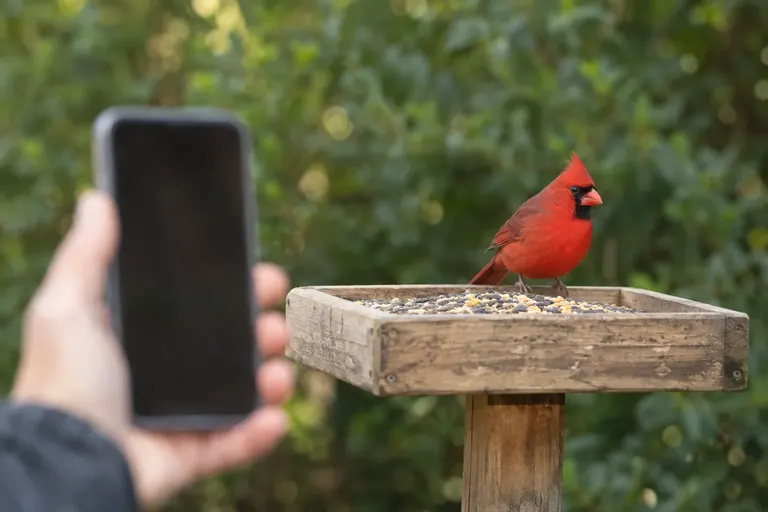
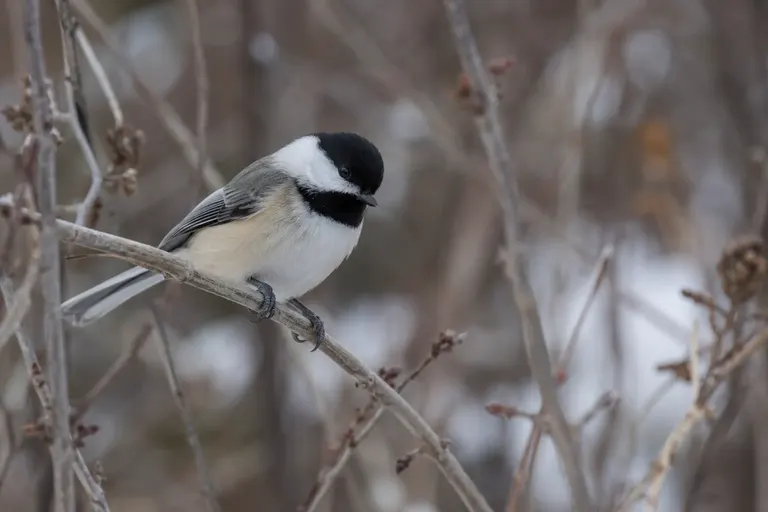
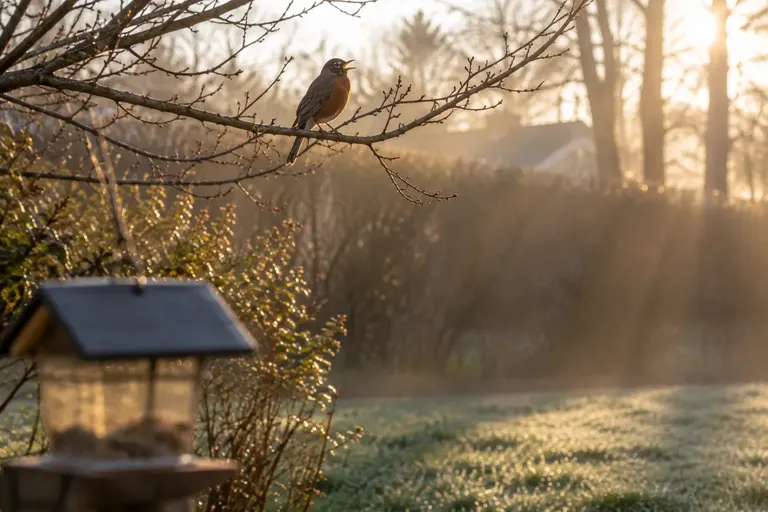
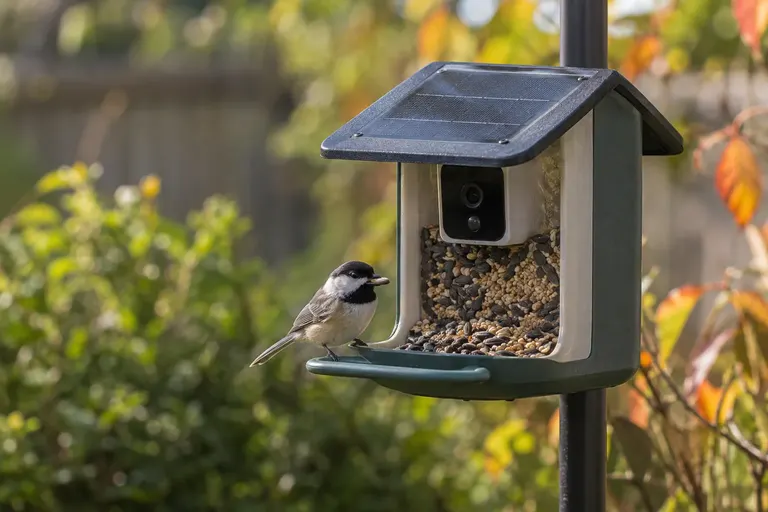
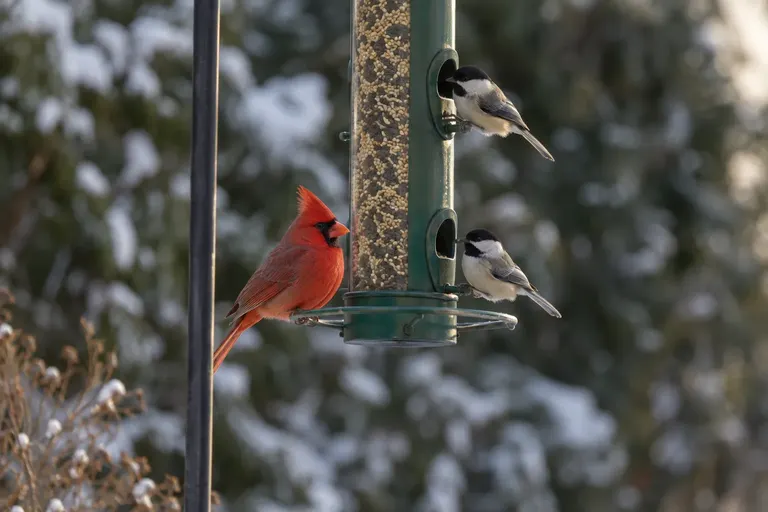
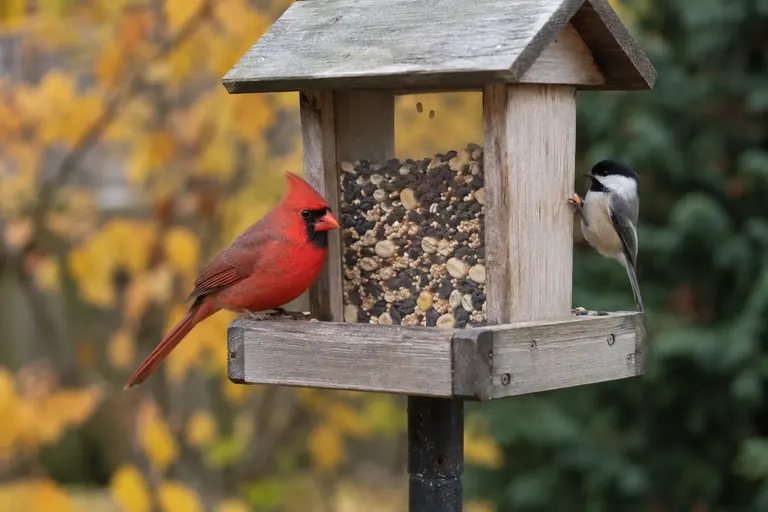
Songbirds that typically visit feeders, such as chickadees, titmice, cardinals, finches, sparrows and nuthatches, have rarely tested positive. They do not share the aquatic habitats where the virus circulates most, and they generally do not eat carcasses. This is the main reason organizations including the Cornell Lab of Ornithology have said most people do not need to remove feeders.
That does not mean zero risk. A small number of songbird detections have been reported, and species that scavenge or live near water, including crows, jays, grackles and blackbirds, sit in a middle category. If you see a cluster of dead birds of any kind in your yard, report it.
Should I take down my bird feeders?
If you do not keep poultry
For most households, the answer as of September 2026 is no. Feeders are considered a low-risk way for bird flu to spread, compared with the ponds, wetlands and coastal colonies where the virus moves among waterbirds.
There are three good reasons to pause feeding anyway:
- A local authority asks you to. Some state agencies briefly recommended pausing feeders during early outbreaks in 2022, while evidence was still coming in. If an order or request is issued where you live, follow it.
- You see sick or dead birds at your feeder. Take feeders and baths down for at least two weeks, clean everything, and report the birds. This also applies to more common feeder diseases like salmonellosis and conjunctivitis.
- Your feeder draws waterfowl or large numbers of mixed birds close to a pond or wetland. Corn or bread scattered for ducks and geese concentrates the species most likely to carry the virus.
If you keep chickens, ducks or other poultry
Remove wild bird feeders, or at least move them well away from coops, runs and feed storage, while HPAI is circulating. The USDA and many state agriculture departments advise backyard flock owners to keep wild birds away from poultry, their food and their water. Feeders attract wild birds and rodents, spill seed that draws more birds to the ground, and increase the chance of droppings reaching your flock.
Other key steps for poultry keepers:
- Keep poultry feed and water covered and indoors or under a roof.
- Use dedicated shoes or boot covers for the coop, and disinfect them.
- Avoid visiting other flocks, and do not share equipment.
- Do not let poultry access ponds used by wild ducks and geese.
- Report sick or dying poultry promptly. In the US, you can call your state veterinarian or the USDA’s toll-free line at 1-866-536-7593.
In the UK and parts of Europe, housing orders and bird gathering bans for poultry are issued during high-risk periods. Brazil, Turkey and other countries have their own reporting systems through national agriculture ministries.
Can people catch bird flu from backyard birds?
The risk to the general public is low, according to the CDC and other health agencies. Human infections with H5N1 have been rare worldwide, and in the US most confirmed cases since 2024 involved farm workers in close contact with infected dairy cattle or poultry. A small number of US cases had no clear source, and at least one US patient has died. Globally, some earlier H5N1 strains caused severe human illness, which is why health agencies monitor the virus closely.
Backyard feeders are not a recognized source of human infection. Sensible hygiene keeps the risk very small:
- Wear gloves when cleaning feeders and baths, and wash your hands afterward.
- Do not touch sick or dead birds with bare hands.
- Clean feeders outdoors, not in the kitchen sink.
- Keep children and pets away from dead birds and droppings.
- Avoid raw milk and undercooked poultry and eggs.
For more on general hygiene, see can you get sick from bird feeders.
How do I clean feeders and bird baths during an outbreak?
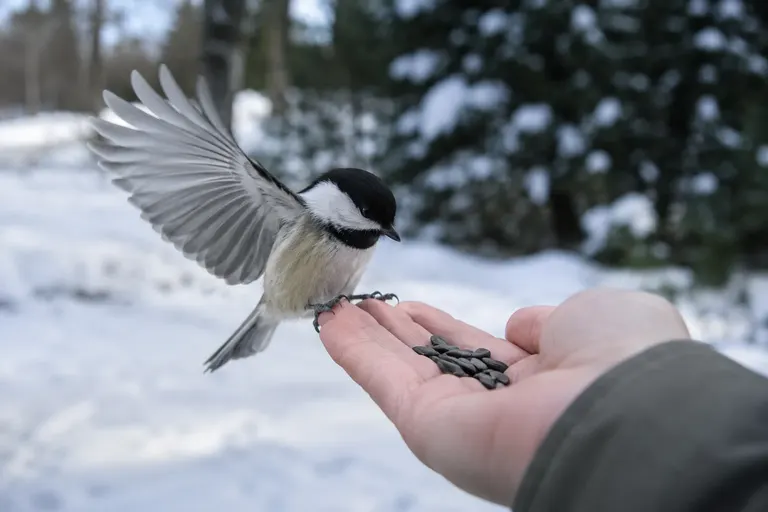
Good hygiene is worth doing whether or not bird flu is in your area, because salmonellosis, House Finch eye disease and trichomonosis are far more common at feeders.
- Empty the feeder and discard old or damp seed.
- Scrub with soapy water and a brush to remove debris.
- Soak in a dilute bleach solution of about one part household bleach to nine parts water for at least 10 minutes. Some guidance also accepts other veterinary disinfectants.
- Rinse thoroughly with clean water.
- Dry completely before refilling.
- Rake up spilled seed and hulls under the feeder.
Aim to clean feeders every two weeks, more often in wet or warm weather or during outbreaks. Scrub and refill bird baths every few days. Step-by-step details are in how to clean a bird feeder and how to clean a bird bath.
What should I do if I find a sick or dead bird?
Is it likely to be bird flu?
A single dead songbird in a yard is most often a window collision, a cat kill or a disease such as salmonellosis. Birds sick with HPAI may show neurological signs such as tremors, head tilting, circling, inability to stand or fly, or swimming in circles, but other conditions cause similar signs.
What to do
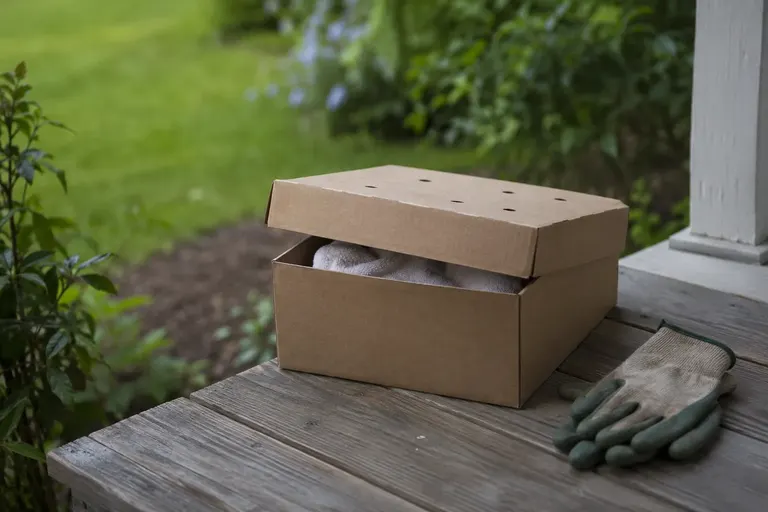
- Do not touch it bare-handed. Use disposable gloves, or turn a plastic bag inside out over your hand.
- Report clusters. Several dead birds in one place, or any dead waterfowl, gulls, raptors or vultures, should be reported to your state wildlife agency. In the UK, report dead wild birds to Defra’s helpline. Elsewhere, contact your national wildlife or agriculture authority.
- Dispose of single birds safely if officials do not want them: double-bag and place in the trash, then wash your hands.
- Take down feeders and baths for at least two weeks if sick birds appeared at them, and clean everything.
- Do not try to rehabilitate sick wild birds yourself. Contact a licensed wildlife rehabilitator, and tell them if you suspect bird flu, since many centers have special intake rules.
See sick birds at the feeder for how to tell common feeder diseases apart.
Can cats and dogs get bird flu?
Cats are particularly susceptible to H5N1. Domestic cats on farms, and indoor cats fed raw milk or certain raw pet foods, have become infected in the US, and many died. Several raw pet food products were recalled in 2024 and 2025 after links to cat infections. Infected wild cats and foxes have also been found.
To protect pets:
- Keep cats indoors, which also protects birds. See cats and birds.
- Avoid feeding raw milk or raw meat diets.
- Keep dogs from eating or rolling on dead birds.
- Call a veterinarian promptly if an exposed pet shows fever, lethargy, loss of appetite, breathing problems or neurological signs.
Dogs appear to be less susceptible, but cases have been reported, so keep them away from carcasses too.
Are hummingbird feeders and bird baths a bird flu risk?
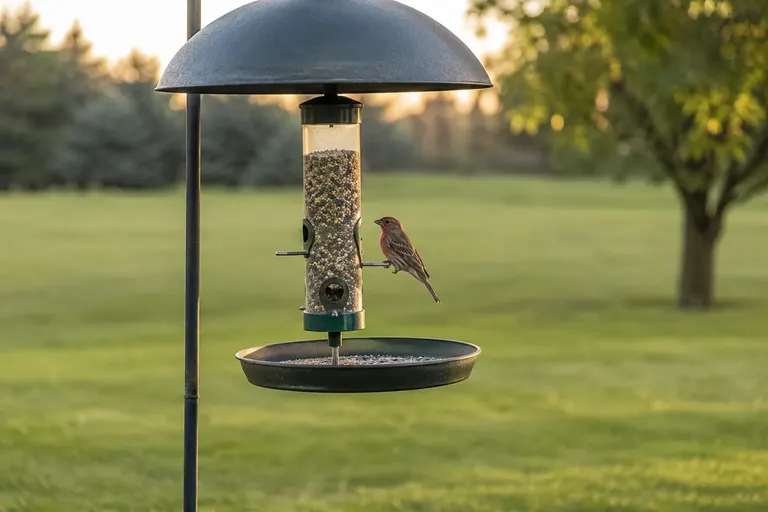
Hummingbird feeders are considered very low risk. Hummingbirds have not been a notable part of HPAI surveillance findings, and they feed alone rather than in dense mixed flocks. The bigger health concern at nectar feeders is mold and fermentation, so change nectar every few days in warm weather and scrub the ports.
Bird baths are a slightly different case. Water attracts a wider range of species than seed does, and shared water can carry pathogens. In most yards the birds using a bath are the same low-risk songbirds that use the feeders, so there is no need to remove it. But a bath or small pond that draws ducks, geese, gulls or crows deserves more caution, and it should be drained and scrubbed if any sick birds are seen using it. In areas with active outbreaks among local waterfowl, emptying a large garden pond feature that attracts wild ducks is a reasonable precaution.
How do I find current guidance where I live?
Because bird flu moves quickly, the most reliable advice is local and recent. Good places to check:
- United States: your state wildlife agency for wild bird advice, and your state agriculture department or state veterinarian, plus USDA APHIS, for poultry. The CDC covers human health.
- Canada: the Canadian Food Inspection Agency for poultry, and provincial wildlife agencies for wild birds.
- United Kingdom: Defra and the Animal and Plant Health Agency for poultry rules and dead bird reporting, with the RSPB and BTO providing garden bird advice.
- European Union: national veterinary and agriculture authorities, which issue housing orders and risk levels.
- Brazil: the Ministry of Agriculture and Livestock for poultry and official case reporting.
- Turkey: the Ministry of Agriculture and Forestry for poultry and wild bird reporting.
When you read advice online, check the date. Recommendations from early 2022, when the strain had just arrived in North America and less was known about which species it affected, were in some places more cautious than later advice. The reverse can also happen: a new local outbreak can prompt stricter guidance than the general picture suggests.
If you bring a sick bird to a rehabilitator, call first. During outbreaks many centers screen birds by phone and may ask you to keep suspected cases separate. See what to do with an injured bird for general handling advice.
Why feeding ducks and geese is a bad idea right now
Feeding waterfowl bread or corn at park ponds concentrates ducks, geese and gulls, the groups most likely to carry the virus, in close contact with each other and with people. It also causes nutrition problems and pollution. If you want to help birds, feed songbirds with appropriate seed at a clean feeder instead. Our guide on whether bread is bad for birds covers the nutrition side.
When is the risk highest?
In the Northern Hemisphere, outbreaks in wild birds and poultry have tended to rise during fall migration and through winter, then again in spring, as waterfowl move and gather in large numbers. Summer brings fewer cases in many regions, though the current strain has not disappeared in summer the way older strains did. In the Southern Hemisphere, including Brazil, the seasonal pattern is shifted.
This means fall and winter, when feeding is most popular, are also the seasons to watch official advisories most closely. Checking your wildlife agency’s website once a month or when you hear of local outbreaks is a reasonable habit.
Myths vs facts about bird flu and feeders
| Myth | Fact |
|---|---|
| Everyone should take down bird feeders. | Most people can keep feeding; poultry keepers should remove feeders. |
| Feeder songbirds are the main spreaders. | Waterfowl and seabirds are the main wild hosts; feeder songbirds rarely test positive. |
| You can easily catch bird flu from backyard birds. | Human cases are rare and linked mainly to close contact with infected farm animals. |
| A dead bird in the yard means bird flu. | Collisions, cats and other diseases are far more common causes. |
| Bird baths are safe to ignore. | Baths should be scrubbed and refilled every few days, outbreak or not. |
Common mistakes
- Removing feeders but still feeding ducks at the pond, which is the higher-risk activity.
- Handling dead birds bare-handed or letting pets reach them.
- Cleaning feeders in the kitchen sink.
- Keeping feeders near a backyard chicken coop during outbreaks.
- Relying on old advice. Guidance from 2022 may differ from current recommendations, so check the date on anything you read.
Quick facts
- Current strain: H5N1 clade 2.3.4.4b, in North America since late 2021.
- Most affected wild birds: waterfowl, seabirds, gulls, raptors and scavengers.
- Feeder songbirds rarely test positive.
- General public health risk: low, according to the CDC, as of this writing.
- Poultry keepers should remove or relocate feeders.
- Clean feeders every two weeks with soap and a 1:9 bleach solution.
- Report clusters of dead birds to wildlife officials.
- Guidance last reviewed for this article: September 2026.
Sources
Frequently asked questions
Should I take down my bird feeders because of bird flu?
For most people, no. As of September 2026, US and UK wildlife and bird organizations consider the risk of highly pathogenic avian influenza spreading among songbirds at backyard feeders to be low. The main exceptions: remove feeders if you keep chickens, ducks or other poultry, and follow any specific instruction from your state, provincial or national wildlife or agriculture authority.
Can I catch bird flu from my bird feeder?
The risk is very low. Human infections with H5N1 have been rare and have mostly involved close, unprotected contact with infected poultry, dairy cattle or other infected animals. Health agencies including the CDC have described the general public health risk as low. Still, wash your hands after handling feeders, wear gloves when cleaning, and never handle sick or dead birds with bare hands.
What should I do if I find a dead bird in my yard?
A single dead songbird, especially near a window, is usually a collision or predator kill rather than bird flu. Dispose of it with gloves or a plastic bag over your hand, double-bag it and put it in the trash. Report clusters of dead birds, or any dead waterfowl, gulls, raptors or vultures, to your state wildlife agency or national authority for testing.
Which wild birds are most affected by bird flu?
The current H5N1 strain has hit waterfowl, gulls, terns and other seabirds, shorebirds, and birds that scavenge or prey on them, such as eagles, hawks, owls, vultures, crows and ravens, hardest. Common feeder songbirds, including chickadees, finches, sparrows and cardinals, have rarely tested positive in surveillance, which is why feeders are considered low risk for most households.
Can my cat get bird flu?
Yes. Domestic cats have been infected with H5N1 after eating infected wild birds, raw milk or some raw pet foods, and many of those cats died. Keeping cats indoors, avoiding raw milk and raw meat diets, and keeping pets away from dead birds reduces the risk. Contact a veterinarian promptly if a cat that may have been exposed becomes sick.