How to Stop Birds Hitting Windows
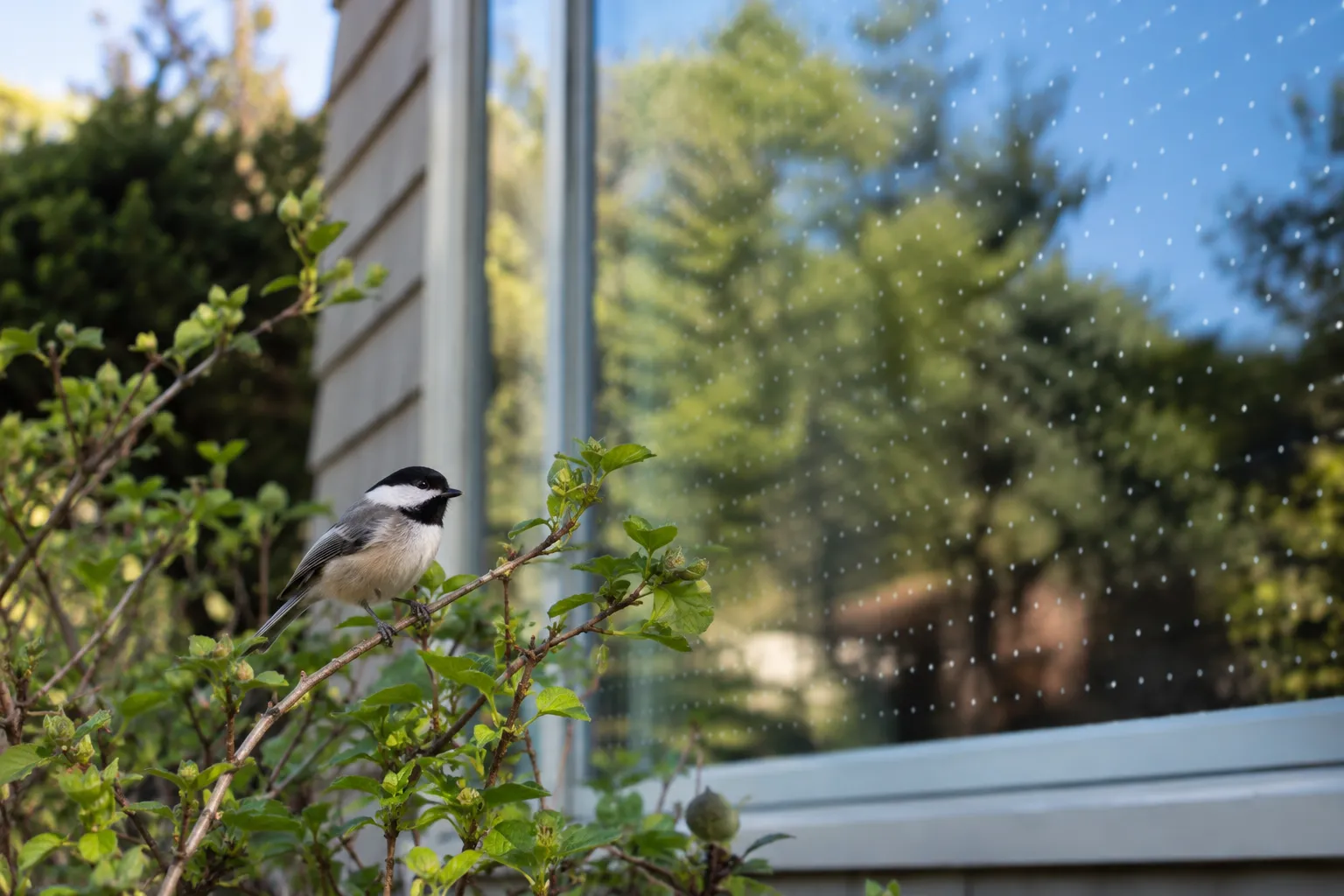
To stop birds hitting windows, mark the outside of the glass with dots or tape no more than 2 inches apart, or add exterior screens. Decals alone don't work.
In this article
- Quick answer: what works and what doesn’t
- Why do birds fly into windows?
- When do most window collisions happen?
- How to find your problem windows
- The 2x2 rule: how close markings must be
- Best ways to stop birds hitting windows, step by step
- What doesn’t work
- Replacing windows? Choose bird-friendly glass
- Bird feeders and windows: what’s changed
- Birds attacking their reflection: a different problem
- Night lights and migration
- What to do if a bird hits your window
- Common mistakes
- A simple plan for most homes
- Sources
- Frequently asked questions
Birds stop hitting windows when they can see the glass. The fix that works is to cover the outside of problem windows with markings spaced no more than 2 inches apart, hang cords about 4 inches apart, or fit exterior screens or netting. One or two decals, including hawk silhouettes, do not help. Treat every window near a feeder, and turn off unneeded lights at night during migration.
The scale of the problem is large. The Cornell Lab of Ornithology cites a 2014 study estimating that up to about 1 billion birds die from window collisions in the United States each year, and Audubon cites a range of 365 million to 1 billion. Tall glass towers get the headlines, but houses and other low buildings are everywhere, so the windows on ordinary homes add up to a large share of the problem. That means individual homeowners can make a real difference.
Quick answer: what works and what doesn’t
| Method | Works? | Notes |
|---|---|---|
| Exterior dots, tape or decals spaced 2 inches apart or closer | Yes | Must cover the whole pane, outside surface |
| Hanging cords (for example, paracord) about 4 inches apart | Yes | Cornell notes 4-inch spacing works for these |
| Exterior insect screens | Yes | Breaks reflection and cushions impacts |
| Netting 2 to 3 inches from the glass | Yes | Cornell ranks screening and netting at the top |
| One-way transparent film on the outside | Yes | Looks opaque from outside, see-through from inside |
| Tempera paint or soap patterns | Yes, temporary | Cheap, washes off, fine for peak seasons |
| External shutters or awnings | Partly | Helps when closed or when shade cuts reflections |
| One or two decals | No | Birds fly around them |
| Hawk or owl silhouettes | No | Birds don’t treat them as predators |
| UV-only liquids and markers | Rarely | Cornell notes most fade within days |
| Markings on the inside of the glass | Poorly | Reflections on the outside hide them |
Why do birds fly into windows?
Reflections of sky and plants
Most collisions happen because glass reflects the yard. To a bird, a window that mirrors trees and sky looks like more trees and sky. The Cornell Lab explains that birds see reflections of vegetation or sky, or they see straight through the glass to plants beyond, and fly toward what looks like open space or a place to land.
See-through glass
Glass corners, glass railings, walkways, and rooms with windows on opposite walls create clear flight paths. A bird sees open sky through the building and tries to fly through.
Houseplants and bright interiors
Plants set just inside a window can look like a landing spot. Audubon suggests moving interior plants away from windows for that reason.
Night lights during migration
Most songbirds migrate at night. Lights draw them in and disorient them, and many end up near buildings at dawn, when they hit reflective glass. Stopbirdcollisions.org recommends making glass visible and turning lights off during the main migration seasons, March through June and August through November.
Territorial attacks on reflections
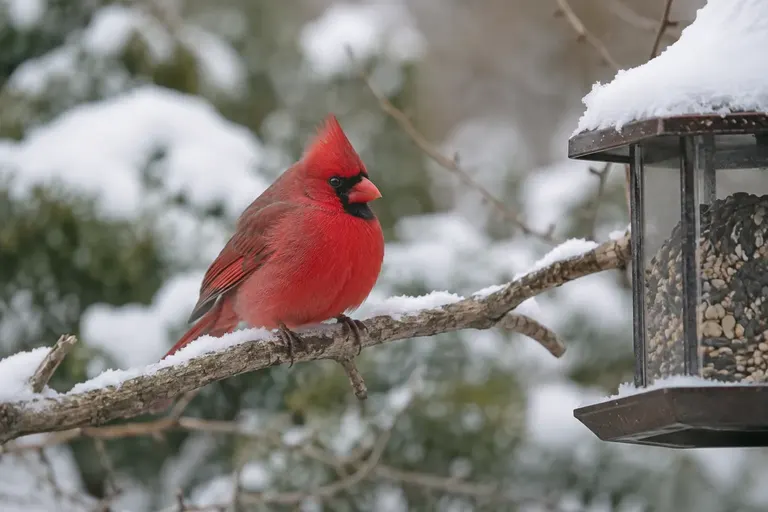
A robin or cardinal repeatedly pecking and fluttering at the same window is a separate problem. We cover it in its own section below.
When do most window collisions happen?
The Cornell Lab notes collisions peak during spring and fall migration, especially around dawn and dusk, when birds are resting or resuming travel. Audubon adds the breeding season as another high-risk period, when young birds are learning to fly and adults are busy.
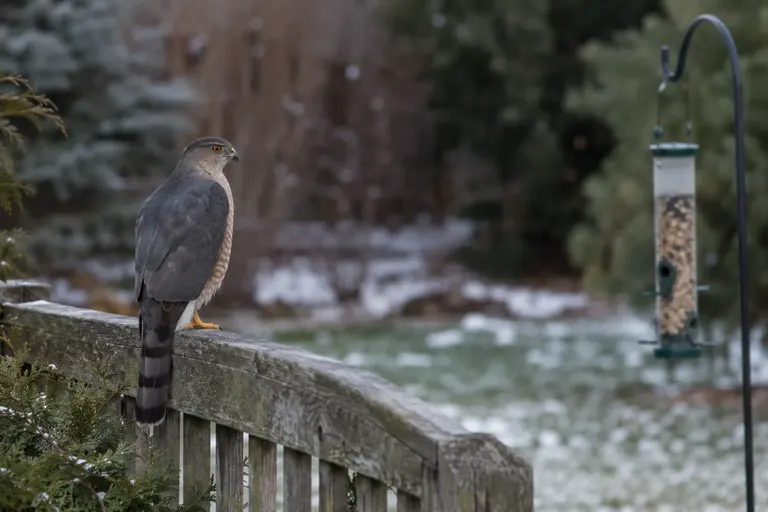
At feeders, collisions often follow panic. When a hawk swoops in, the whole flock bolts, and some birds fly straight toward a reflective window. If you hear thumps right after the yard empties, see our guide on how to stop hawks hunting at your feeder.
How to find your problem windows
Not every window is a hazard. Before you buy anything, find the ones that are.
- Look for evidence. Smudges, dust prints of wings or bodies, and small feathers stuck to the glass mark past strikes.
- Check from outside, at bird height. Stand in the yard in the morning and look at the house. Windows that clearly reflect trees, shrubs or sky are the risk.
- Look for see-through paths. Corners where two panes meet, sliding doors facing another window, and glass railings are high risk.
- Map your feeders and bird bath. Any window within the flight path between feeders, cover and water deserves treatment.
- Note which windows face vegetation. Large picture windows facing a wooded yard tend to be the worst.
Start with the worst window. Treating one high-risk window fully is better than scattering decals across every window in the house.
The 2x2 rule: how close markings must be
Birds treat gaps as places they can fly through, the same way they fly through gaps in a tree canopy. Stopbirdcollisions.org, run by the Bird Collision Prevention Alliance (a coalition that includes American Bird Conservancy, the Cornell Lab, Audubon and the U.S. Fish and Wildlife Service), states that markers must be placed no farther than 2 inches apart for adhered markers, or 3 to 4 inches apart for hung treatments such as cords. It also warns that if you use one or a few stickers, or space markers too far apart, birds will try to fly through the gaps and hit the glass.
In practice, the 2x2 rule means:
- Horizontal gaps no wider than 2 inches.
- Vertical gaps no taller than 2 inches.
- Coverage across the whole pane, not just the center.
- Markings on the outside surface. Stopbirdcollisions.org emphasizes always treating the external side of glass, because interior markings are washed out by reflections.
Project FeederWatch gives matching advice: mark the outside of windows with repeating patterns, such as dots, spaced no more than 2 inches apart. Older guidance sometimes cited 4 inches between vertical strips; current guidance for adhered markers is 2 inches.
Best ways to stop birds hitting windows, step by step
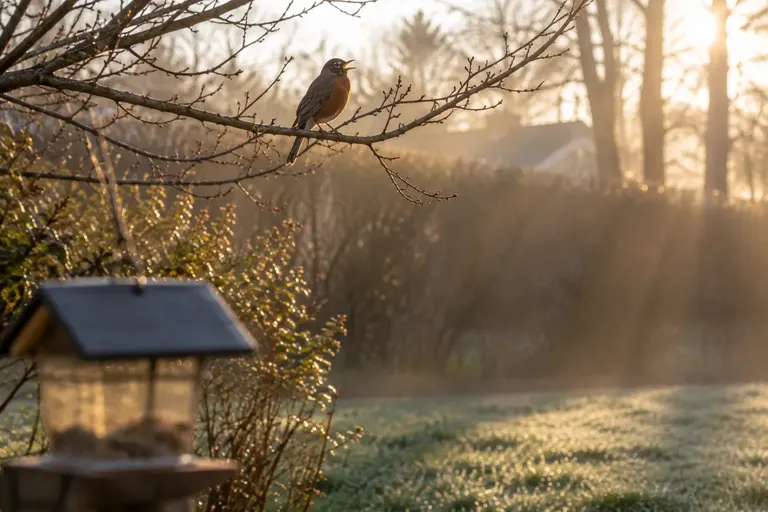
Option 1: Exterior screens or netting
The Cornell Lab ranks window screening and netting as the most effective approach for homes. Standard exterior insect screens break up reflections and cushion impacts. Garden netting mounted 2 to 3 inches from the glass and pulled taut lets birds bounce off before they reach the pane, according to the Cornell Lab.
How to do it:
- Measure the window frame on the outside.
- For screens, buy or order exterior screens that cover the full glass area.
- For netting, mount it on a simple frame or hooks so it sits 2 to 3 inches out from the glass.
- Keep it taut. Loose netting can sag onto the glass and lose its cushioning effect.
Pros: highly effective, cuts reflections almost completely, and can stay up year-round. Cons: changes the look of the window a little, and netting takes some fitting.
Option 2: Dot or tape patterns
Adhesive dots, tape strips and marker films applied to the outside of the glass are the most common retrofit. Several manufacturers sell rolls or sheets designed to lay dots in a 2x2 grid. Feather Friendly, for example, describes its visual markers in a 2 inch by 2 inch pattern. American Bird Conservancy maintains a database of products rated for collision prevention, which is the best place to compare options.
How to apply:
- Clean the outside of the glass and let it dry fully.
- Plan the grid so gaps are no more than 2 inches in either direction.
- Apply to the entire pane, edge to edge.
- Press markers firmly and check edges after a few weeks of weather.
Pros: nearly invisible from indoors once your eyes adjust, lasts for years with good products. Cons: installation takes time on large windows.
Option 3: Hanging cords
Vertical cords hung in front of a window, a design popularized by Acopian BirdSavers, work at wider spacing. The Cornell Lab notes these can be spaced 4 inches apart because they are so visible, and stopbirdcollisions.org lists 3 to 4 inches for hung treatments. Many people build their own with paracord and a strip of wood or a mounting bracket across the top of the frame.
Pros: inexpensive, easy to install, removable, and it barely affects the view. Cons: cords can tangle in wind unless weighted or anchored.
Option 4: One-way transparent film
The Cornell Lab describes one-way films applied to exterior glass that let people indoors see out while making the window look opaque from outside. This can be a good choice for a single large window facing a wooded yard. Fit and quality vary, so check product details and reviews carefully.
Option 5: Temporary DIY patterns
Tempera paint, a bar of soap or washable window markers can draw a grid or pattern on the outside of the glass. Stopbirdcollisions.org lists tempera paint and stencils among do-it-yourself methods, including a 2 by 2 inch stencil with paint pens. It washes off, so you can use it during peak migration and remove it later.
Keep the spacing rule. A few scribbles with big gaps will not work.
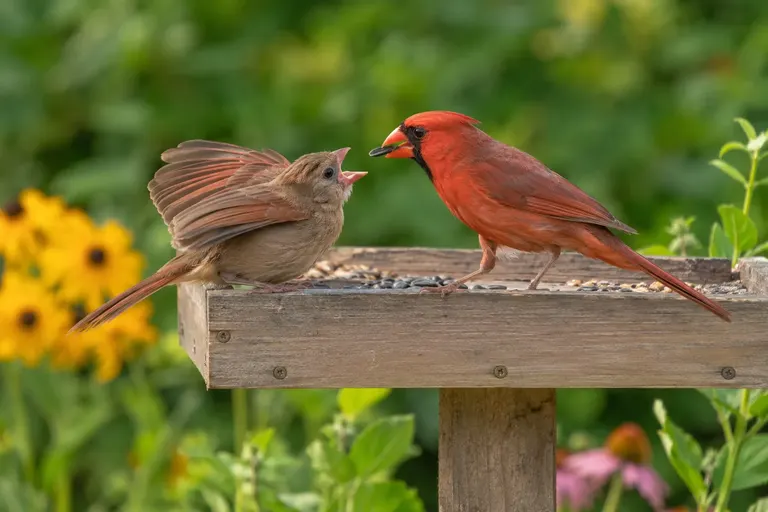
Option 6: Shutters, awnings and blinds
External shutters, closed when you are not using the room, eliminate the glass hazard entirely. Awnings and sun shades reduce reflections by shading the glass. The Cornell Lab also mentions interior blinds with slats half open, which can reduce the see-through effect, though interior options are less reliable than exterior ones.
What doesn’t work
A few decals or a hawk silhouette
This is the most common mistake. The Cornell Lab says plainly that sticking one or two decals on a window will not help, and birds do not respond to falcon or owl silhouettes the way people expect. Each decal protects only the space it covers, and birds simply fly around it.
UV-only products that fade
Birds can see ultraviolet light, so UV-reflective products sound promising. The Cornell Lab notes that UV paints and markers usually help for only a few days because most of these inks fade quickly. Some professionally manufactured bird-safe glass uses UV patterns built into the glass, which is different from a liquid you paint on.
Treating the inside of the glass
Markings on the inside are hidden by reflections on the outside surface. Always treat the exterior.
Replacing windows? Choose bird-friendly glass
If you are replacing windows, adding a sunroom or building new, you can solve the problem at the source instead of retrofitting later.
- Patterned or fritted glass. Some manufacturers build visible patterns into the glass itself, spaced to meet collision guidelines. Stopbirdcollisions.org lists patterned glass among permanent solutions.
- Built-in UV patterns. Factory-made glass with UV-reflective patterns is different from painted-on UV liquids. Performance varies by product, so check independent ratings.
- Frosted, etched or textured glass on panes where you do not need a clear view, such as bathrooms or stair landings.
- Divided lites and exterior grilles break up large reflective panes into smaller sections, though the spacing is usually far wider than 2 inches, so they reduce rather than eliminate risk.
- Avoid glass corners and glass railings facing vegetation, which create see-through flight paths.
American Bird Conservancy maintains a database of glass and retrofit products tested for collision risk, with a Threat Factor score that indicates how likely birds are to avoid the material. Check it before you order, and ask your window supplier for product test data.
Bird feeders and windows: what’s changed
For years, a common rule of thumb said feeders should sit either very close to a window or far from it. The Cornell Lab now describes those older safe-distance recommendations as obsolete. In its current guidance, Christine Sheppard of American Bird Conservancy advises that if you have windows near a bird feeder, you should make them bird-friendly, regardless of the exact distance.
What this means in practice:
- Treat any window near your feeders, whatever the distance.
- Window-mounted feeders are fine when the glass is treated. Audubon mentions placing feeders directly on windows as one approach. See our roundup of the best window bird feeders if you like watching birds up close.
- Place feeders with the flight path in mind. Avoid putting feeders where birds flushed from them will fly straight at a reflective window.
Our guide on where to put a bird feeder covers placement, height and cover in more detail.
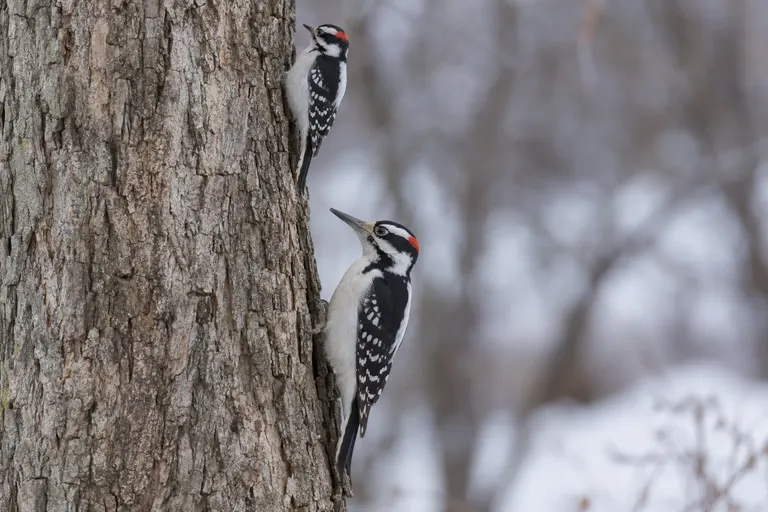
Birds attacking their reflection: a different problem
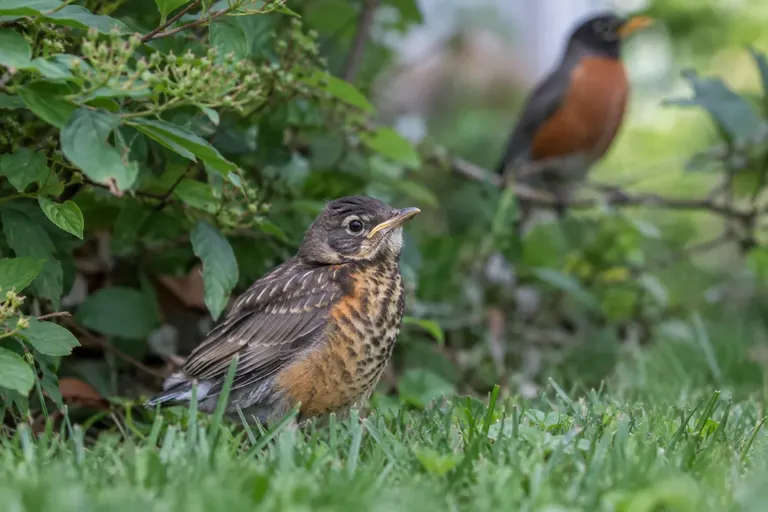
Some birds hit windows on purpose. The Cornell Lab explains that during breeding season, territorial birds see their reflection as a rival and attack it. American Robins, Northern Cardinals, bluebirds, towhees, Chipping Sparrows and Song Sparrows are among the species most often involved. Both males and females do it.
The behavior usually fades within a few days or, at most, a few weeks. Until then:
- Cover the outside of the glass with netting, fabric or newspaper to remove the reflection.
- Apply soap streaks to break up the mirror effect.
- Check car mirrors, which trigger the same response; a bag over the mirror solves it.
Cardinals are famously persistent. If one is attacking your window, our guide to attracting Northern Cardinals explains their territorial season in more detail.
Night lights and migration
Lights left on at night during migration pull birds toward buildings. The fix costs nothing:
- Turn off unneeded outdoor lights, especially decorative uplighting, during March through June and August through November.
- Close curtains or blinds in lit rooms at night.
- Use motion sensors and shielded fixtures that point light downward where you need it.
These steps also reduce the dawn collisions that follow nights of heavy migration.
What to do if a bird hits your window
If you find a bird on the ground after a strike, the Cornell Lab recommends:
- Gently pick it up from behind with both hands.
- Place it in an unwaxed paper bag or a lined cardboard box. Close it loosely so air gets in.
- Keep it dark, quiet and warm, away from children and pets.
- Do not handle it further, and do not give food or water.
- Contact a licensed wildlife rehabilitator right away. Birds that seem to recover can have head injuries or internal bleeding. The Animal Help Now website (ahnow.org) can help you find local wildlife help.
If a bird dies, it is a sign that window needs treatment. Our guide on sick birds at the feeder explains when a dead bird may be worth reporting to wildlife officials.
Common mistakes
- Using one or two decals. They do not protect the window.
- Spacing markings too far apart. Keep adhered markers within 2 inches in both directions.
- Applying on the inside. Treat the exterior surface.
- Relying on UV-only liquids. Most fade within days.
- Treating the wrong windows. Start with the worst reflectors and any window near feeders.
- Leaving outdoor lights on during migration. It draws birds in at night and sets up dawn collisions.
- Assuming a stunned bird is fine. Contact a rehabilitator even if it flies off.
A simple plan for most homes
- This week: Find your worst one or two windows by checking for smudges and reflections. Draw a temporary tempera grid or hang cords.
- This month: Replace temporary fixes with a durable option, such as exterior screens, dot tape or a cord system.
- Every migration season: Turn off unneeded outdoor lights and check that treatments are intact.
- Whenever you move a feeder: Check which windows sit in the new flight path.
For more on making your whole yard safer and more welcoming, see our guide to backyard birding.
Sources
- Why Birds Hit Windows, and How You Can Help Prevent It (Cornell Lab, All About Birds)
- How can I keep birds from hitting my windows? (Cornell Lab, All About Birds)
- Glass solutions (stopbirdcollisions.org)
- Glass Collisions (American Bird Conservancy)
- Reducing Collisions with Glass (Audubon)
- Feeding Birds FAQs (Project FeederWatch)
Frequently asked questions
Why do birds keep hitting my window?
Most birds hit windows because the glass reflects sky and vegetation, or because they see through it to plants or open space beyond. They do not recognize glass as a barrier. A second, different problem is territorial birds such as cardinals and robins attacking their own reflection in spring. That behavior usually fades within days or a few weeks.
What is the 2x2 rule for bird window collisions?
The 2x2 rule means spacing markings on glass no more than 2 inches apart both horizontally and vertically, so birds read the pattern as a barrier rather than a gap they can fly through. Stopbirdcollisions.org, run by the Bird Collision Prevention Alliance, states that adhered markers should be no farther than 2 inches apart, and hung treatments 3 to 4 inches apart.
Do hawk silhouette decals stop birds hitting windows?
Not on their own. The Cornell Lab says sticking one or two decals on a window will not help, and birds do not react to falcon or owl silhouettes as predators. A decal only protects the small area it covers. To work, markings must cover the whole glass surface in a tight, repeating pattern on the outside of the window.
How far should a bird feeder be from a window?
The Cornell Lab now describes older safe-distance recommendations as obsolete. Instead of relying on a set distance, its guidance is that any window near a bird feeder should be made bird-friendly with exterior markings, screens or netting. Feeders mounted directly on the glass are a reasonable option when the window itself is treated.
What should I do if a bird hits my window and is stunned?
The Cornell Lab advises gently placing the bird in an unwaxed paper bag or a lined box, keeping it dark, quiet and warm, away from children and pets, and not feeding or watering it. Contact a licensed wildlife rehabilitator right away, since birds that fly off can still have internal injuries.