How to Keep Starlings Off Bird Feeders (and Grackles Too)
To keep starlings off bird feeders, switch to safflower, nyjer or in-shell peanuts, use caged or upside-down suet feeders, and stop tray and ground feeding.
In this article
- Quick answer: what keeps starlings and grackles away
- Why starlings and grackles take over feeders
- How to tell starlings, grackles and blackbirds apart
- Step 1: Change the food
- Step 2: Change the feeder
- Step 3: Stop tray and ground feeding
- Step 4: Consider a short feeding pause
- Step 5: Protect your nest boxes from starlings
- Is it legal to remove starlings or grackles?
- What doesn’t work
- Seasonal patterns: when to expect flocks
- A starling-resistant setup, start to finish
- Common mistakes
- Sources
- Frequently asked questions
The fastest way to keep starlings off bird feeders, and grackles too, is to change what you serve and how you serve it. Switch to foods these birds find hard to use (safflower, nyjer, and peanuts in the shell), move seed into caged, weight-activated or short-perch tube feeders, offer suet only from upside-down feeders, and stop putting seed on trays and the ground. The Cornell Lab of Ornithology and Project FeederWatch recommend that combination, and a feeding pause of 1 to 2 weeks breaks a flock’s daily habit.
No single trick stops a flock. Starlings and grackles are smart, bold and hungry, and they give up only when a feeding station stops paying off. The steps below make your feeders unrewarding for them while keeping chickadees, finches, cardinals and woodpeckers fed.
Quick answer: what keeps starlings and grackles away
| Change | Effect on starlings | Effect on grackles | Birds you keep |
|---|---|---|---|
| Serve safflower instead of mixed seed | Moderate | Strong (hard shells) | Cardinals, chickadees, titmice, House Finches |
| Nyjer in a finch tube feeder | Strong | Strong | Goldfinches, Pine Siskins, House Finches |
| Whole peanuts in the shell | Strong (soft bills) | Moderate | Blue Jays, titmice, woodpeckers |
| Caged feeder | Strong | Strong | Chickadees, finches, titmice, nuthatches |
| Weight-activated feeder | Strong, if set correctly | Strong, if set correctly | Most small songbirds |
| Upside-down suet feeder | Strong | Strong | Woodpeckers, nuthatches, chickadees |
| Stop tray and ground feeding | Strong | Strong | You lose some doves, juncos and sparrows |
| Short or cut perches on tube feeders | Moderate | Moderate | Small perching birds |
Why starlings and grackles take over feeders
European Starlings
European Starlings are not native to North America. According to the Cornell Lab, the population now spread across the continent descends from birds released in New York City’s Central Park in 1877, 1890 and 1891. An estimated 93 million now range from Alaska to Mexico.
Starlings are stocky, short-tailed and long-billed. In winter they are covered in white spots; in spring they turn glossy black with purple and green sheen and a yellow bill. They travel in big, noisy flocks, mob lawns and feeders, and can empty a feeder in minutes. They especially favor suet, cracked corn, bread and soft foods.
Starlings also compete for tree cavities and nest boxes, which puts them in direct conflict with native cavity nesters such as Eastern Bluebirds and woodpeckers. That competition is one reason many bird lovers work to keep them away.
Grackles and other blackbirds
The Common Grackle is a large, long-tailed blackbird with a long, pointed bill, a pale yellow eye and a glossy purple, blue or bronze head. The Cornell Lab describes it as an opportunistic omnivore that eats crops, insects, small fish, garbage and even eggs and nestlings of other birds. Grackles gather in noisy groups and form enormous winter roosts, sometimes with millions of blackbirds of several species.
Grackles are native, and they are not doing well overall. The Cornell Lab lists the Common Grackle as a Common Bird in Steep Decline. That context matters: the goal is to share your feeders fairly, not to wage war on a declining native bird.
Depending on where you live, you may also see Great-tailed Grackles (mainly the Southwest and Texas and spreading), Boat-tailed Grackles along the Atlantic and Gulf coasts, Red-winged Blackbirds and Brown-headed Cowbirds. The same feeder strategies apply to all of them.
What these birds have in common
- Large bodies. Heavier birds trip weight-activated feeders and cannot fit through cage mesh sized for small birds.
- Ground and tray feeders. They prefer to feed standing on a flat surface, which is why tray feeders and scattered seed draw them in.
- Flocking. They arrive in groups, so a feeder that works for one bird is quickly overwhelmed.
- Food preferences. Starlings have softer bills than seed specialists, which the Cornell Lab notes makes in-shell peanuts difficult for them. Grackles and blackbirds struggle with thick, hard shells such as safflower.
How to tell starlings, grackles and blackbirds apart
Knowing which bird you have helps you choose the right fix, because starlings and grackles respond to slightly different changes.
- European Starling. Chunky, with a short, square tail and triangular wings in flight. The bill is long and pointed, yellow in spring and dark in winter. Winter birds are heavily spotted with white. On the ground they walk briskly and probe the lawn. Starlings are the ones most attracted to suet.
- Common Grackle. Noticeably bigger and longer than a starling, with a long tail that males often hold in a keel or V shape. Pale yellow eye, heavy pointed bill, glossy purple or bronze head. Grackles are the ones cracking sunflower and scattering seed.
- Red-winged Blackbird. Males are black with red and yellow shoulder patches; females are streaky brown and look like large sparrows. They usually come in spring flocks.
- Brown-headed Cowbird. Smaller, with a short, thick finch-like bill. Males are glossy black with a brown head; females are plain gray-brown.
If the birds are mostly starlings, focus on suet feeders and soft foods. If they are mostly grackles and blackbirds, focus on safflower and caged or weight-activated seed feeders. Our guide on how to identify birds explains the shape and behavior clues that separate look-alikes quickly.
Step 1: Change the food
Food is the most powerful lever you have, because it changes the payoff for every visit.
Foods starlings and grackles love (cut back on these)
- Cracked corn and millet, common fillers in cheap mixes.
- Bread, crackers and kitchen scraps, which are poor food for any bird anyway. See our guide on what not to feed birds.
- Suet in open cages, which starlings can empty quickly.
- Mixed seed on trays or on the ground.
- Hulled sunflower chips, which are easy for any bird to eat.
Foods they struggle with (use more of these)
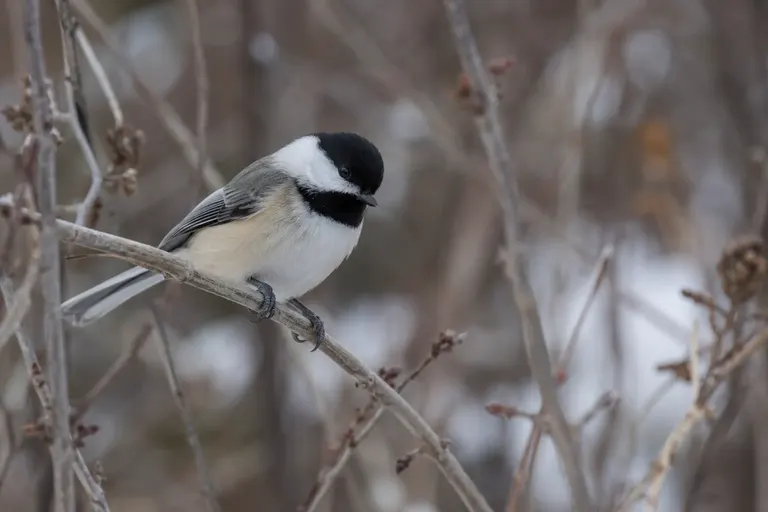
- Safflower. The Cornell Lab notes that safflower’s thick, hard shell is difficult for blackbirds and grackles to open. Cardinals, chickadees, titmice and House Finches eat it readily. Our guide to safflower seed covers which birds take it and how to switch.
- Striped sunflower. Also thick-shelled, and also harder for blackbirds to crack than black oil sunflower, according to the Cornell Lab.
- Nyjer (thistle). Starlings find it difficult to use at tube feeders, and they prefer sunflower. Goldfinches and siskins love it.
- Peanuts in the shell. Starlings’ softer bills make whole peanuts hard to open. Blue Jays and titmice handle them easily.
The black oil sunflower question
Black oil sunflower is the best all-round seed for attracting variety, which is why we call it the one seed to start with in our black oil sunflower guide. Grackles do eat it, though. During a heavy grackle wave, switching a feeder to straight safflower for a few weeks often makes more difference than any other change. You can go back afterward.
Step 2: Change the feeder
Caged feeders
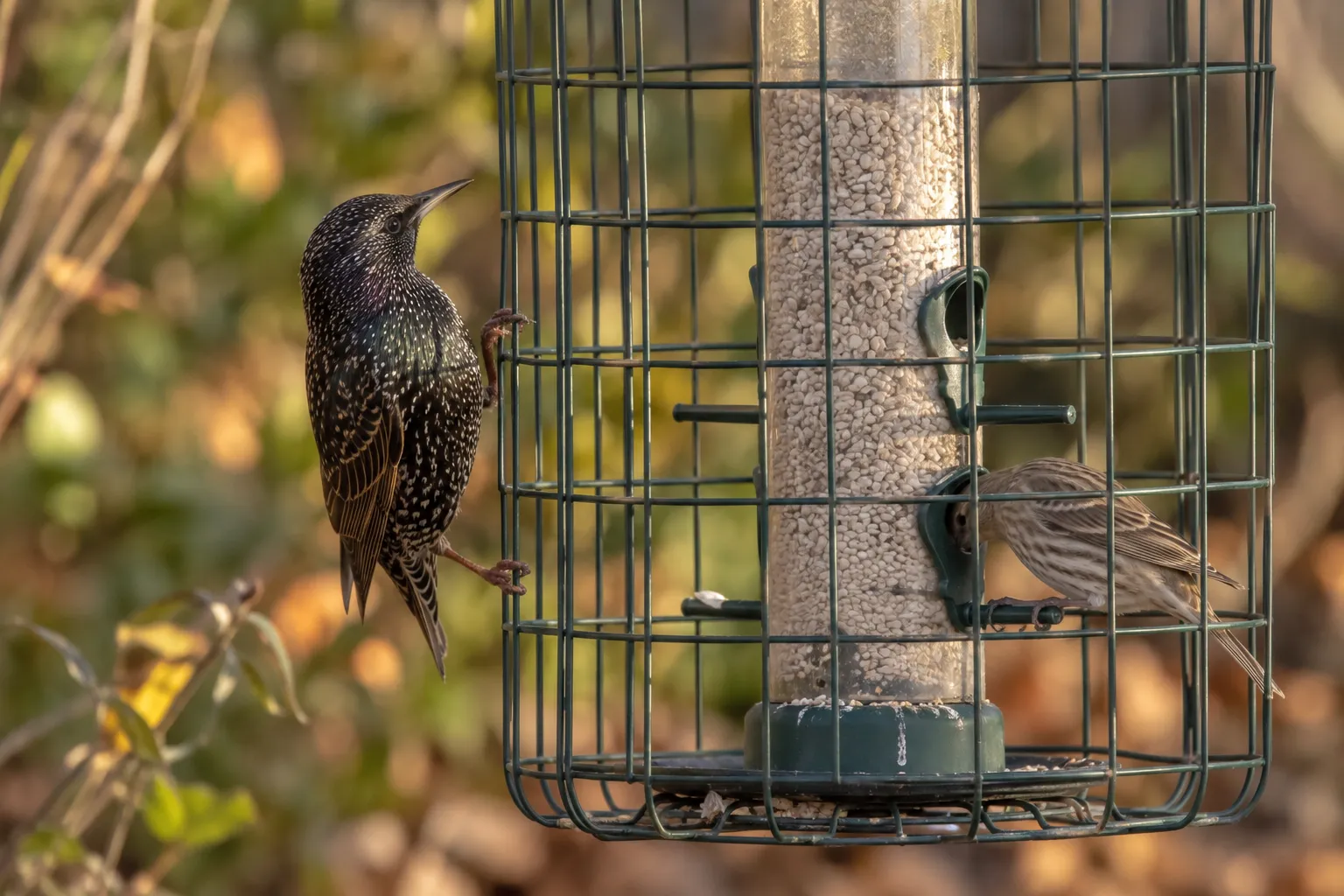
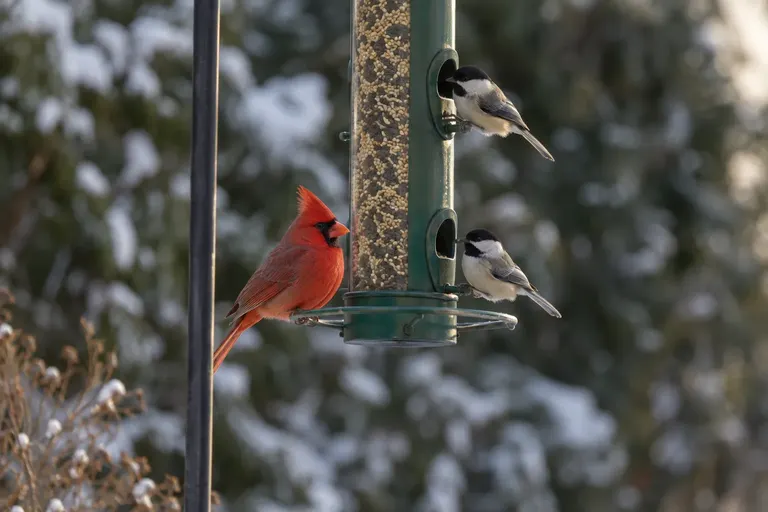
A caged feeder surrounds a tube or hopper with a wire mesh cage. Small birds such as chickadees, titmice, finches and nuthatches slip through the openings; starlings and grackles cannot. The Cornell Lab recommends caged feeders as one way to exclude larger birds.
Two things to check:
- Mesh size. It needs to let small birds through while stopping starlings. Look for manufacturer guidance on which birds the mesh admits.
- Distance from cage to seed. A large bird clinging to the cage should not be able to reach the ports with its bill.
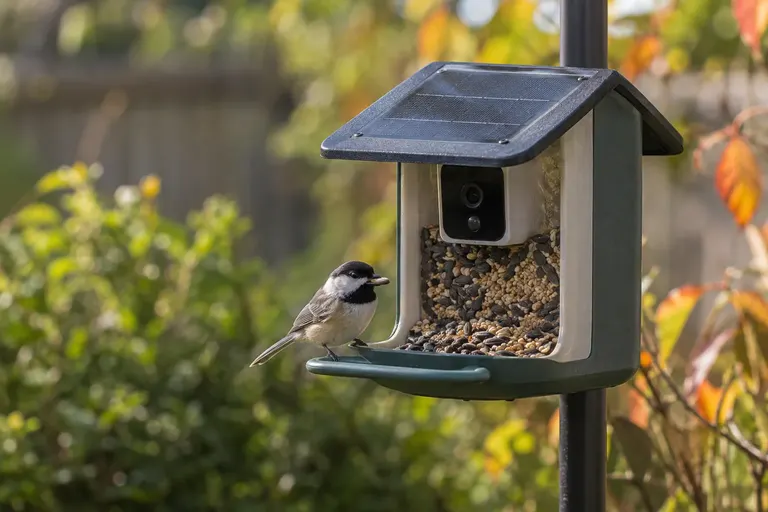
Cages also keep out squirrels and doves. That is a benefit or a drawback depending on who you want to feed. Our roundup of squirrel-proof bird feeders includes caged and weight-activated designs, many of which also frustrate large birds.
Weight-activated feeders
These feeders close the seed ports when something heavy lands on the perch. The Cornell Lab and Project FeederWatch both mention feeders that close off food when a heavy bird lands. Some models let you adjust the trigger weight, so you can set it to close for grackles and starlings while letting cardinals feed.
Limits worth knowing:
- Several small birds landing at once can add up to a heavy bird’s weight on some designs.
- Some starlings learn to feed while hovering or clinging to the tube. It is less efficient for them, but it happens.
- Settings vary by model, so read the manual before assuming it is set for birds rather than squirrels.
Tube feeders with short perches
Project FeederWatch recommends tube feeders with short perches for discouraging large birds. Starlings and grackles need a solid place to stand. Small songbirds cling happily to a short stub. Some owners shorten long perches or remove every other one. If you do this, make sure the feeder remains stable and that the remaining perches still align with ports.
Upside-down suet feeders
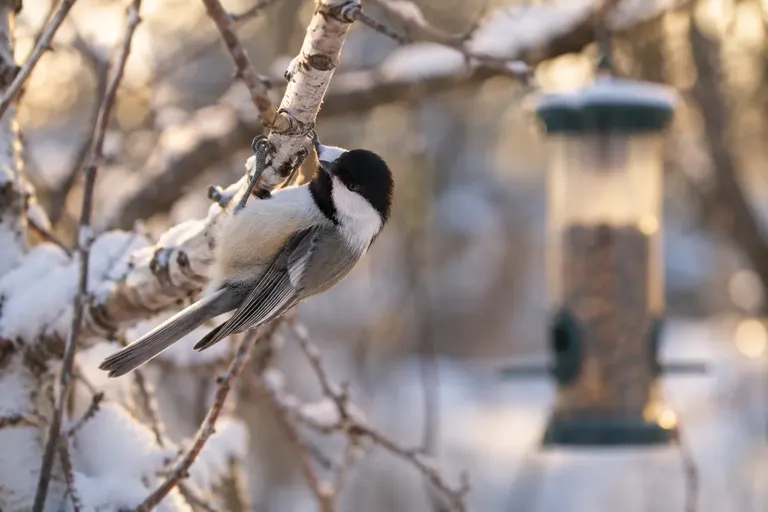
This is the single most effective change for suet. Project FeederWatch recommends starling-proof suet feeders that allow access only from the bottom. Woodpeckers, nuthatches and chickadees cling and feed upside down easily. Starlings and grackles can manage it only awkwardly and for short periods.
Some upside-down designs add a roof or a longer tail-prop board to help woodpeckers. For more on suet feeder styles, see our roundup of the best suet feeders.
Step 3: Stop tray and ground feeding
Project FeederWatch’s advice for discouraging large birds is direct: avoid platform trays and ground feeding. These setups are ideal for starlings and grackles, which like to stand while they eat.
What to do:
- Take tray and platform feeders down during a starling or grackle wave. Put them away for the season if flocks are persistent.
- Stop scattering seed on the ground.
- Clean up spilled seed under hanging feeders. Hulls and dropped seed keep flocks foraging below.
- Consider a seed catcher tray under hanging feeders, but only if large birds cannot perch on it.
- Use a no-mess blend of hulled seeds without millet or corn fillers, which leaves little debris for flocks to pick through.
You will lose some ground-feeding favorites, such as Mourning Doves, juncos and sparrows. If you want to keep feeding them, a ground feeder inside a low wire cage with small openings is one compromise, though it takes more upkeep.
Step 4: Consider a short feeding pause
When a big flock settles into a daily routine, a pause breaks the habit. Take the feeders down for one to two weeks. Flocks move on to other food, and your regular small birds usually return quickly once feeders go back up. It is the same principle the Cornell Lab recommends for hawks at feeders, and it is often faster than waiting a flock out.
A pause works best when you use it to change food and feeders at the same time. If you reopen with the same setup, the flock will return.
Step 5: Protect your nest boxes from starlings
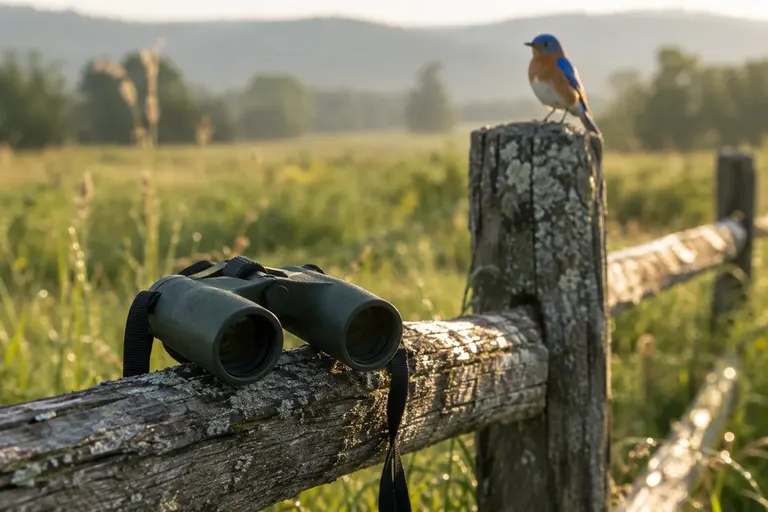
Starlings compete aggressively for cavities, and nest boxes are no exception. The simplest protection is the entrance hole size.
- Use the correct hole for the species you want. A 1 1/2-inch round entrance, the standard for Eastern Bluebirds, is too small for starlings.
- Avoid oversized holes. Boxes with larger openings, such as those built for flickers or kestrels, are vulnerable to starlings.
- Skip perches under the entrance. Native cavity nesters do not need them, and they help predators and competitors.
- Check boxes regularly during nesting season, and clean them out after each brood.
If starlings already occupy a box with a large hole, the fix for next season is a box with the right entrance, not a fight with the current tenants.
Is it legal to remove starlings or grackles?
This is a common question, and the answer differs by species.
European Starlings are not native. The Migratory Bird Treaty Reform Act of 2004 clarified that the Migratory Bird Treaty Act protects only native species, and the U.S. Fish and Wildlife Service maintains a list of non-native, human-introduced species to which the law does not apply. State and local laws can still apply, though, and humane treatment rules vary.
Grackles, Red-winged Blackbirds and cowbirds are native and protected under the Migratory Bird Treaty Act. Federal rules allow control of some blackbird species only in narrow circumstances, such as serious crop damage, and those do not cover competition at a backyard feeder.
For a backyard feeder, the right approach for every one of these birds is exclusion, not removal. Food and feeder changes solve the problem without traps, poison or permits.
What doesn’t work
Hot pepper seed and suet
Birds generally do not react to capsaicin, the compound that makes peppers hot, so hot pepper products do not deter starlings or grackles. Hot pepper seed is marketed mainly for squirrels, where it can work because mammals do feel the heat.
Noise makers, shiny objects and decoys
Reflective tape, pinwheels and predator decoys may cause a brief reaction, but flocking birds habituate fast when food is good. The Cornell Lab does mention floating mylar balloons as a deterrent for starlings at nesting sites, where the unpredictable movement and shine can drive them off. That is a nesting-site trick, not a feeder solution.
Poisons and sticky products
Never use poison, glue or sticky repellents at or near feeders. They kill or injure native birds and other wildlife, and many uses are illegal.
Seasonal patterns: when to expect flocks
| Season | What usually happens |
|---|---|
| Late winter to spring | Grackles and Red-winged Blackbirds arrive on migration; feeder raids can be intense for a few weeks |
| Late spring to summer | Starlings bring fledglings to feeders; family groups hit suet hard |
| Fall | Mixed blackbird and starling flocks form and wander; roosts build |
| Winter | Starlings stay year-round in much of the country; grackles are present year-round mainly in the southern and eastern states |
The Cornell Lab notes that grackles and blackbirds tend to visit feeders for a short window and then move on. Starlings are the more persistent problem because they live in many regions all year. If grackles appear for a few weeks in spring, a temporary food switch may be all you need.
A starling-resistant setup, start to finish
Here is a practical layout that keeps most starlings and grackles frustrated while feeding a wide range of songbirds:
- One caged tube or hopper feeder filled with black oil sunflower or a sunflower-safflower mix.
- One tube feeder with short perches filled with straight safflower.
- One finch tube with nyjer.
- One upside-down suet feeder for woodpeckers and nuthatches.
- A peanut feeder with whole in-shell peanuts, or a mesh feeder if jays and titmice are regulars.
- No tray or ground feeding until flocks have moved on.
- Clean ground under all feeders, raked weekly.
Keep feeders clean, too. Big flocks leave lots of droppings, which raises the risk of disease. Our guide to how to clean a bird feeder explains the routine.
Common mistakes
- Offering a cheap mix full of millet and corn. It is exactly what starlings and grackles want. The small birds you are hoping for pick out the sunflower and throw the rest on the ground, where the flock eats it.
- Leaving a tray feeder up “for the doves.” A flat tray is an open invitation to every large bird in the neighborhood.
- Using open suet cages in summer. Starling families can clear a suet cake quickly. Switch to an upside-down feeder.
- Not cleaning up spilled seed. Even with perfect feeders, dropped seed keeps flocks foraging underneath.
- Expecting overnight results. Flocks take days to give up on a food source. Give changes at least a week or two.
- Wrong nest box holes. A bluebird box with an oversized entrance invites starlings.
Sources
Frequently asked questions
What bird seed do starlings not like?
The Cornell Lab lists safflower and striped sunflower as harder for blackbirds and grackles to crack because of their thick shells. Starlings have softer bills, so whole peanuts in the shell are difficult for them. Nyjer in a tube feeder is also a poor match for starlings, which prefer easier food such as cracked corn, millet, suet and kitchen scraps.
Are starlings and grackles protected?
European Starlings are a non-native species, and the U.S. Fish and Wildlife Service's list of human-introduced species excludes them from Migratory Bird Treaty Act protection. Grackles and other blackbirds are native and are protected under that law. Either way, the practical backyard answer is to exclude them from feeders with food and feeder choices, not to harm them.
What is a starling-proof suet feeder?
It is a suet feeder that only allows access from underneath, often called an upside-down suet feeder. Project FeederWatch recommends this design. Woodpeckers, nuthatches and chickadees cling easily and feed upside down, while starlings and grackles struggle to hang in that position, so they get far less suet.
Will grackles eventually leave my feeder?
Often, yes. The Cornell Lab notes that grackles and blackbirds tend to visit feeders for a short window and then move on, especially around migration. Starlings are more persistent because they live in many areas year-round. Making your feeders unrewarding during a grackle wave shortens the visit.
Do weight-activated feeders stop starlings?
Many can. Weight-activated feeders close their ports when a heavy animal lands on the perch, and some models let you set the trigger weight. Project FeederWatch mentions feeders that close under weight as one way to exclude large birds. How well it works depends on the model's settings and whether several small birds perch together.