How Long Does It Take Bird Eggs to Hatch?
How long does it take bird eggs to hatch? Most backyard songbirds hatch after about 11 to 14 days of incubation; eagles take about 5 weeks, albatrosses longer.
In this article
- Quick answer: incubation times for common birds
- When does incubation actually start?
- What happens inside the egg during incubation?
- Why do some birds take much longer to hatch than others?
- How long is the whole nesting cycle?
- Does weather change how long eggs take to hatch?
- Who does the incubating?
- How does a chick hatch?
- What about eggs laid in other birds’ nests?
- Myths vs facts about bird eggs
- What does this mean for backyard birders?
- Quick facts
- Sources
- Frequently asked questions
How long does it take bird eggs to hatch? For most backyard songbirds, about 11 to 14 days of incubation. Robins, cardinals, chickadees and goldfinches all fall roughly in that range. Larger birds take longer: Mourning Doves take about two weeks, ducks and geese about four weeks, Bald Eagles about five weeks, and albatrosses and kiwis more than ten weeks.
The clock starts when a parent begins steady incubation, not when the first egg is laid. That detail explains many puzzling things backyard birders notice, like a clutch that sits “unattended” for days and then hatches all at once.
Quick answer: incubation times for common birds
These are typical ranges drawn from published life history data, such as the Cornell Lab of Ornithology’s All About Birds. Individual nests can fall outside them, especially in cold weather.
| Bird | Typical incubation period |
|---|---|
| Brown-headed Cowbird | About 10 to 12 days |
| House Sparrow | About 10 to 14 days |
| Northern Cardinal | About 11 to 13 days |
| Black-capped Chickadee | About 12 to 13 days |
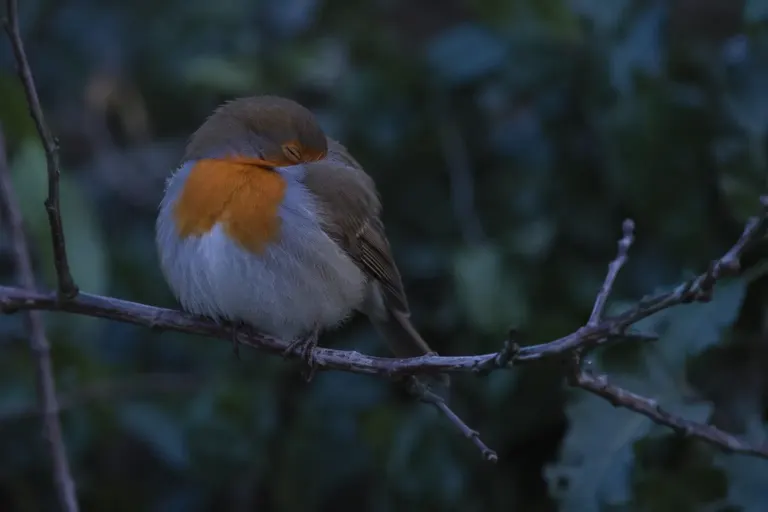
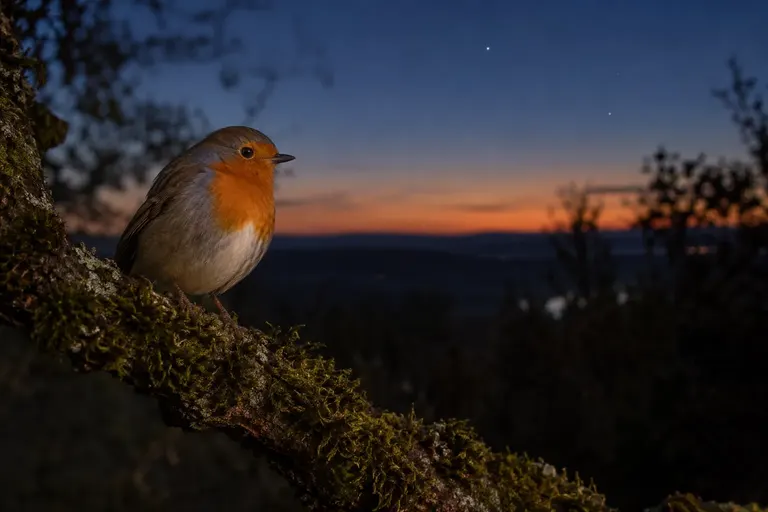
| American Robin | About 12 to 14 days |
| American Goldfinch | About 12 to 14 days |
| House Finch | About 12 to 14 days |
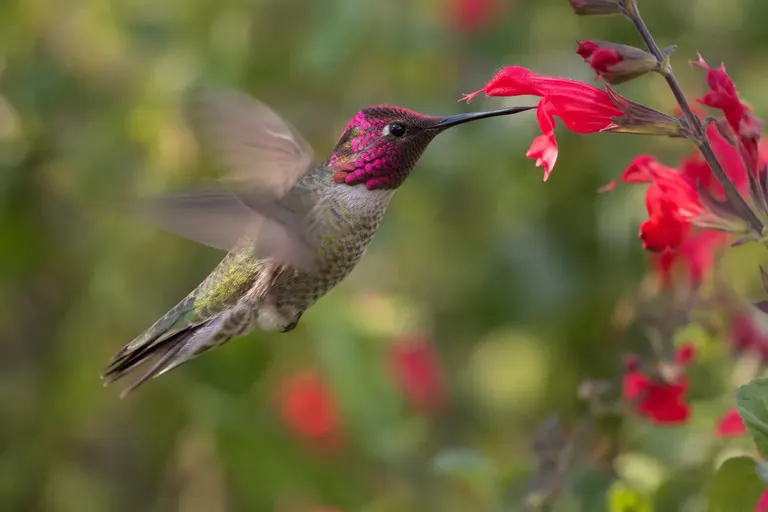
| Ruby-throated Hummingbird | About 12 to 14 days |
| Eastern Bluebird | About 12 to 14 days, sometimes longer |
| Mourning Dove | About 14 days |
| Blue Jay | About 16 to 18 days |
| Chicken | About 21 days |
| Mallard | About 4 weeks |
| Canada Goose | About 4 weeks |
| Great Horned Owl | About 4 to 5 weeks |
| Bald Eagle | About 5 weeks |
| Ostrich | About 6 weeks |
| Emperor Penguin | About 9 weeks |
| Wandering Albatross | About 11 weeks |
| Kiwi | Roughly 10 to 12 weeks |
When does incubation actually start?
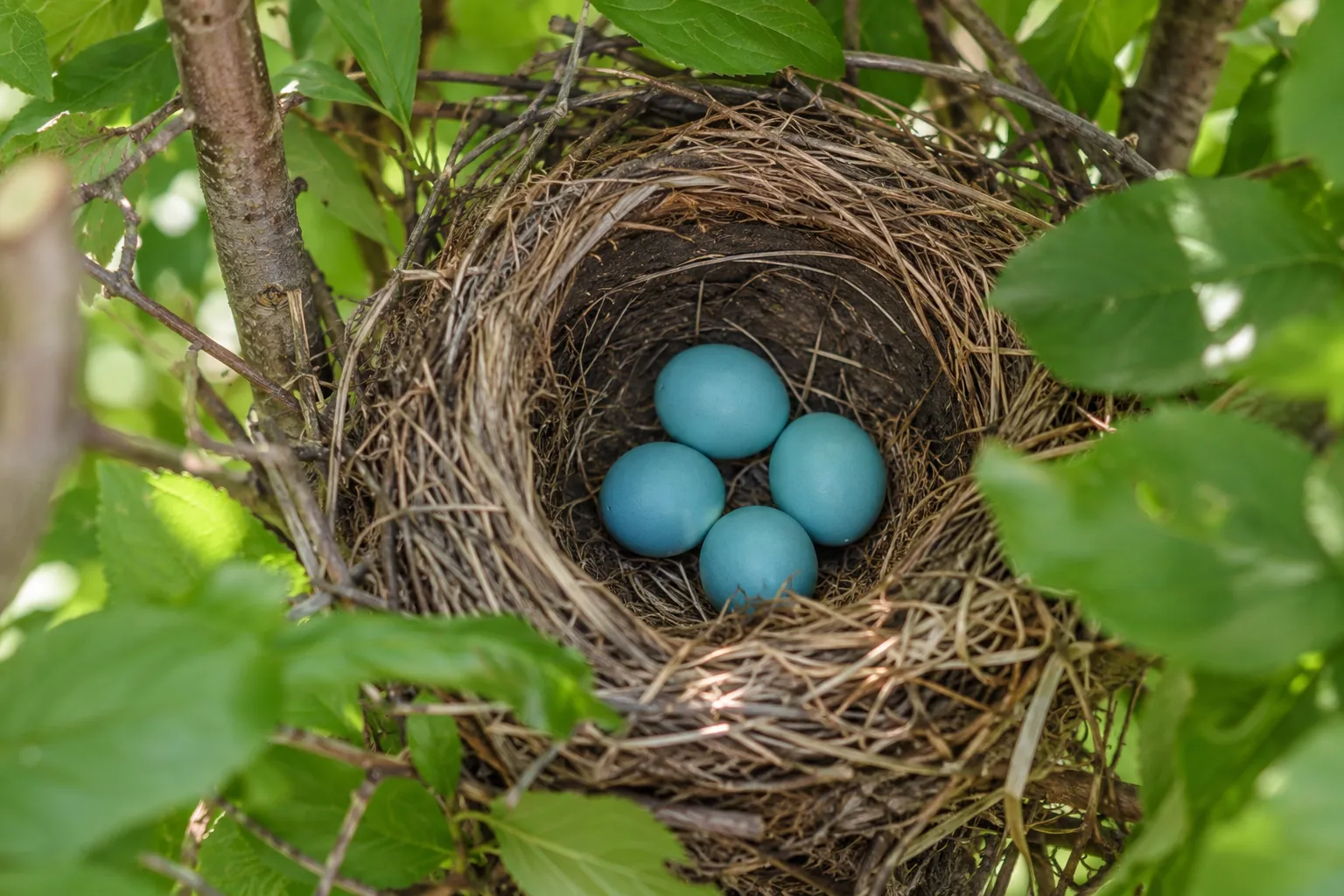
Most songbirds lay one egg per day, usually early in the morning. A robin laying four eggs needs four days to complete her clutch. If she incubated from the first egg, the first chick would hatch days before the last and would have a big head start.
To avoid that, many songbirds, ducks and game birds delay full incubation until the last or next-to-last egg is laid. Before that point the eggs are kept at a cooler temperature, and embryo development is essentially paused. This is normal and does not harm the eggs. Once the parent settles in and warms them steadily, all the embryos begin developing together, so they hatch within a day or so of each other. Biologists call this synchronous hatching.
Ducks show this dramatically. A Mallard may lay about a dozen eggs over roughly two weeks, yet the ducklings typically hatch within about a day and leave the nest together soon after.
Why do owl and eagle chicks hatch days apart?
Owls, hawks, eagles, herons, pelicans and some other birds begin incubating with the first egg. Their chicks hatch in the order the eggs were laid, sometimes days apart, producing a brood of noticeably different sizes. This is called asynchronous hatching.
A leading explanation is brood reduction. When food is plentiful, all chicks survive. When food is scarce, the youngest and smallest chick loses out, and the parents can raise at least some young rather than losing the whole brood. Early incubation may also protect eggs from predators or cold. Several hypotheses may be true at once, and the balance likely differs among species.
What happens inside the egg during incubation?
A fertile egg contains a tiny cluster of cells on the yolk. With steady warmth, that cluster develops into an embryo. Blood vessels spread across the yolk to draw nutrients, and a membrane network called the chorioallantois lines the shell and handles gas exchange. Oxygen passes in and carbon dioxide passes out through thousands of microscopic pores in the shell.
As the embryo grows, the egg loses water through those pores, and an air cell at the blunt end enlarges. That air cell becomes important at hatching.
How warm do parents keep their eggs?
Parent birds keep eggs close to, but usually a little below, their own body temperature. Egg temperatures in many species are commonly reported in the mid-to-upper 90s Fahrenheit (roughly 35 to 38 C), varying with species, weather and how often the parent leaves.
To transfer heat efficiently, most incubating birds develop a brood patch: an area on the belly where feathers drop out and the skin becomes thicker, softer and richly supplied with blood vessels. The bird settles so that this bare skin presses against the eggs. In species where only the female incubates, typically only she develops a brood patch.
Why do birds turn their eggs?
Incubating birds regularly shift and roll their eggs with their bill or feet. Turning helps prevent the embryo and membranes from sticking to the shell and helps even out temperatures across the clutch. Commercial incubators imitate this with automatic turning.
Why do some birds take much longer to hatch than others?
Several factors shape incubation length.
Body and egg size
Bigger birds generally lay bigger eggs, and bigger eggs generally take longer to develop. This explains a lot of the variation: tiny songbirds hatch in under two weeks, while ostriches and large albatrosses take many weeks. Size is not the whole story, though. Many species hatch faster or slower than their size alone would predict.
Altricial vs precocial chicks
Songbirds hatch altricial: naked or nearly so, eyes closed and helpless. They finish much of their development in the nest, so incubation can be short.
Ducks, geese, shorebirds, chickens and quail hatch precocial: covered in down, eyes open and able to walk within hours. Much more development happens inside the egg, so precocial species tend to have larger eggs relative to body size and longer incubation. A Mallard duckling is ready to follow its mother to water within a day; a robin chick is completely dependent for about two weeks. See how long do baby birds stay in the nest for the nestling stage.
Nest safety
Birds that nest in open cups, where predators find many nests, tend to have short incubation and nestling periods, which reduces the time eggs are exposed. Birds nesting in safer cavities or on remote islands often have longer periods. This pattern is broadly supported in comparative studies, though ornithologists continue to debate how much it drives incubation length directly.
How much time parents spend on the eggs
Incubation attentiveness matters. A female that must leave often to feed lets the eggs cool, which slows development. In cold or rainy weather, incubation can stretch by a day or more. In species where the male feeds the incubating female, she can stay on the eggs more.
Long foraging trips
Many seabirds, including albatrosses and petrels, lay a single egg and incubate for a long time. Parents take shifts that can last days or even weeks while the partner forages far out at sea. Development in these species appears to be relatively slow, and the embryos tolerate periods of cooling better than songbird embryos do.
How long is the whole nesting cycle?
Incubation is only one piece of a longer timeline. For a typical backyard songbird such as the American Robin, the full cycle from first stick to independent young runs roughly as follows. Exact numbers vary with species, weather and food.
| Stage | Approximate length for a robin |
|---|---|
| Nest building | A few days to about a week |
| Egg laying (one egg per day) | About 3 to 5 days |
| Incubation | About 12 to 14 days |
| Nestling period | About 2 weeks |
| Fledgling care by parents | About 2 more weeks |
That adds up to roughly six to eight weeks per brood, which is why robins in many regions can raise two or even three broods in a summer. Larger birds need far longer. A Bald Eagle pair spends about five weeks incubating and then roughly two to three months raising the young before they leave the nest.
Does weather change how long eggs take to hatch?
It can. In a long cold or wet spell, an incubating female must leave the nest more often to find enough food, and the eggs cool more during each absence. Development slows, and hatching can be delayed by a day or more. Extreme heat creates a different problem: some parents shade their eggs rather than warm them, and a few species, such as some shorebirds in hot climates, wet their belly feathers to cool the eggs.
Researchers are also studying how a warming climate shifts the timing of nesting. In many regions, some species now lay earlier in spring than they did decades ago, although the pattern differs among species and places. A key concern is timing mismatch: if chicks hatch before or after the peak in caterpillars and other insect food, fewer may survive. Long-running nest monitoring programs, such as NestWatch in North America and the British Trust for Ornithology’s Nest Record Scheme in the UK, supply much of the data behind this work, and volunteers contribute many of those records.
Who does the incubating?
It depends on the species.
- Female only: most North American songbirds, including robins, cardinals, goldfinches, orioles and hummingbirds, plus most ducks. In many of these species the male brings food to the female or guards the territory.
- Both parents: woodpeckers, doves and pigeons, many seabirds, eagles, herons and most penguins. Mourning Dove pairs typically split the day, with the male often sitting during the day and the female overnight.
- Male only: Emperor Penguins (the male holds the egg on his feet through the Antarctic winter), kiwis, emus, rheas and phalaropes.
How does a chick hatch?
Hatching is hard physical work, and it happens in stages.
- Positioning. Near the end of incubation, the chick turns so its head lies near the blunt end of the egg, with its bill tucked under the right wing in many species.
- Internal pip. The chick pokes its bill into the air cell and begins breathing air with its lungs for the first time.
- External pip. Using a small hard point on the tip of the upper bill, called the egg tooth, the chick cracks a small hole in the shell. A special muscle on the back of the neck, sometimes called the hatching muscle, powers these movements.
- Rotating and cutting. The chick turns inside the egg, chipping a line around the shell.
- Emerging. It pushes the cap off and struggles free.
The whole process can take several hours in small birds and a day or more in larger ones. The egg tooth falls off or is absorbed within days, and the hatching muscle shrinks.
Parents of many species remove eggshells from the nest after hatching, often carrying them some distance away. A common explanation is that bright shell interiors could attract predators.
Can chicks communicate before they hatch?
Yes, in some species. Quail and some other precocial birds make clicking sounds from inside the egg in the final days, and these sounds appear to help synchronize hatching across the clutch. In Australia, research on Superb Fairy-wrens found that mothers call to their eggs and embryos appear to learn elements of the call, which they later include in their begging. Embryos of several species also respond to parental calls, and these vocal exchanges are an active area of research.
What about eggs laid in other birds’ nests?
Some birds exploit other species’ incubation. Brood parasites such as the Brown-headed Cowbird and the Common Cuckoo tend to have short incubation periods, which lets their chicks hatch before or alongside the host’s own young and gain an advantage. Female Common Cuckoos are also thought to hold the egg internally for about a day before laying, giving the embryo a head start. Read why some birds lay eggs in other birds’ nests for how this works.
Myths vs facts about bird eggs
Myth: An egg left alone for a day is dead. Fact: Before incubation starts, eggs routinely sit unattended. Even after incubation begins, parents leave for short feeding trips. Many eggs survive brief cooling. Longer abandonment can kill embryos, but a quiet nest is not necessarily a failed one.
Myth: Eggs hatch the same number of days after they are laid. Fact: The count runs from the start of steady incubation. In songbirds, the first egg laid may take several days longer from laying to hatching than the last egg.
Myth: You can hatch a wild bird egg you find. Fact: Wild bird eggs need precise conditions, and chicks need specialized care after hatching. In the US, possessing the eggs of native birds is illegal under the Migratory Bird Treaty Act, and similar laws apply in the UK, EU, Brazil and Turkey.
Myth: Touching an egg makes the parents abandon it. Fact: Most birds do not recognize eggs by human scent. Disturbance can cause abandonment, especially early in nesting, but not a scent trail. See do mother birds reject babies touched by humans.
What does this mean for backyard birders?
Knowing incubation times helps you plan and avoid disturbing nests.
Estimate hatching dates
If you watch a nest box or a robin nest from a window, note the day the clutch seems complete and the female starts sitting steadily. Add the typical incubation period for the species, and you have a reasonable window for hatching. For a robin, expect chicks roughly two weeks later, then another two weeks or so before they leave the nest.
Keep your distance at key moments
The start of incubation and the days just before fledging are sensitive times. Watch from indoors or a distance, keep pets away, and avoid lingering near the nest. Our guide to cats and birds covers one of the biggest threats to nesting birds in yards.
Know when to worry, and when not to
A female off the nest for 20 or 30 minutes is usually feeding. If eggs remain unhatched well past the expected date and the parents have clearly left, the nest has probably failed. In a nest box, wait until you are certain the nest is inactive before cleaning it.
Be ready for what comes next
Once eggs hatch, parents shift to nonstop feeding. Our guides to what baby birds eat and when baby birds learn to fly cover the next stages. If you find a chick on the ground, read found a baby bird before doing anything.
Quick facts
- Most small songbirds hatch after about 11 to 14 days of incubation.
- Incubation usually begins when the clutch is nearly complete, so songbird chicks hatch close together.
- Owls, hawks and eagles start incubating with the first egg, so their chicks hatch days apart.
- Parents keep eggs warm with a bare, blood-rich brood patch on the belly.
- Chicks break out using an egg tooth on the bill and a temporary hatching muscle in the neck.
- Precocial species like ducks and chickens generally incubate longer than altricial songbirds.
- Kiwis and large albatrosses have some of the longest incubation periods of any birds, around 10 weeks or more.
Sources
- Cornell Lab of Ornithology, All About Birds: American Robin life history
- Cornell Lab of Ornithology, All About Birds: Mourning Dove life history
- Cornell Lab of Ornithology, All About Birds: Bald Eagle life history
- Cornell Lab of Ornithology, All About Birds: Mallard life history
- Cornell Lab of Ornithology, All About Birds: Eastern Bluebird life history
- NestWatch, Cornell Lab of Ornithology
Frequently asked questions
How long do robin eggs take to hatch?
American Robin eggs typically hatch after about 12 to 14 days of incubation, according to Cornell Lab of Ornithology life history data. The female does the incubating and usually starts once the clutch of three to five eggs is nearly complete, so the chicks tend to hatch within a day or two of each other.
Do bird eggs need to be warm the whole time?
Only after incubation starts. Songbirds usually lay one egg a day and hold off full incubation until the clutch is nearly complete. Until then, the eggs sit cool and development is paused, which is normal. Once incubation begins, the parent keeps the eggs warm most of the time but leaves briefly to feed, and short cool spells are tolerated.
What happens if a bird egg does not hatch?
Some eggs are infertile, and some embryos die during development. Parents usually keep incubating for a while past the normal hatching date, then abandon the unhatched egg or the whole clutch. In the US it is illegal to remove eggs from an active native bird's nest, so wait until the nest is clearly finished before cleaning a nest box.
How long does the actual hatching take?
From the first crack to a chick fully out of the shell, hatching commonly takes several hours and can take a day or more in larger birds. The chick uses a small point on its bill called the egg tooth and a special neck muscle to break through, resting often between bouts of effort. People should not help a chick hatch.
Which bird has the longest incubation period?
Albatrosses and kiwis are among the record holders. Large albatrosses such as the Wandering Albatross incubate for roughly 11 weeks, and kiwi eggs typically take around 70 to 85 days. Both lay a single large egg, and in albatrosses the parents take long turns on the nest while the partner forages at sea.