Do Mother Birds Reject Babies Touched by Humans?
Do mother birds reject babies touched by humans? No. Parents do not abandon young over human scent, so a fallen nestling can be gently put back in its nest.
In this article
- Quick answer: myth vs reality
- Why don’t bird parents reject babies humans have touched?
- Where did the myth come from?
- When do birds actually abandon nests or young?
- Why do parents seem to vanish when a fledgling is on the ground?
- How do parent birds find their fledglings after they leave the nest?
- Is it safe for you to touch a baby bird?
- Nestling or fledgling: which one did you find?
- How do you put a baby bird back in its nest?
- What about touching eggs?
- Is the myth true for other animals?
- What does this mean for backyard birders?
- Quick facts
- Sources
- Frequently asked questions
No. Mother birds do not reject babies because a human touched them. Songbird parents do not identify their young by scent, and the Cornell Lab of Ornithology and other wildlife authorities agree that a nestling returned to its nest will be cared for as normal, and a 2012 meta-analysis of nest-monitoring studies found no general increase in nest predation from researchers’ visits. If you find a nestling that has fallen out, it is safe and often best to gently put it back.
What can make birds leave a nest is prolonged disturbance, not scent. A person or pet lingering nearby can look like a predator, and some birds will abandon a nest if they feel the site is unsafe, especially early in nesting.
Quick answer: myth vs reality
| Claim | Reality |
|---|---|
| Parents smell humans on a chick and abandon it | False. There is no good evidence songbirds reject young because of human scent |
| Touching eggs makes parents abandon them | False for scent; heavy disturbance can still cause abandonment |
| It is fine to put a fallen nestling back | True. This is standard advice from wildlife authorities |
| Every baby bird on the ground needs rescuing | False. Most are fledglings that left the nest on purpose |
| Birds never abandon nests | False. They can, after disturbance, predation, bad weather or food shortage |
Why don’t bird parents reject babies humans have touched?
Three lines of reasoning, all well supported, explain why the myth is wrong.
Birds recognize young by sight, sound and place
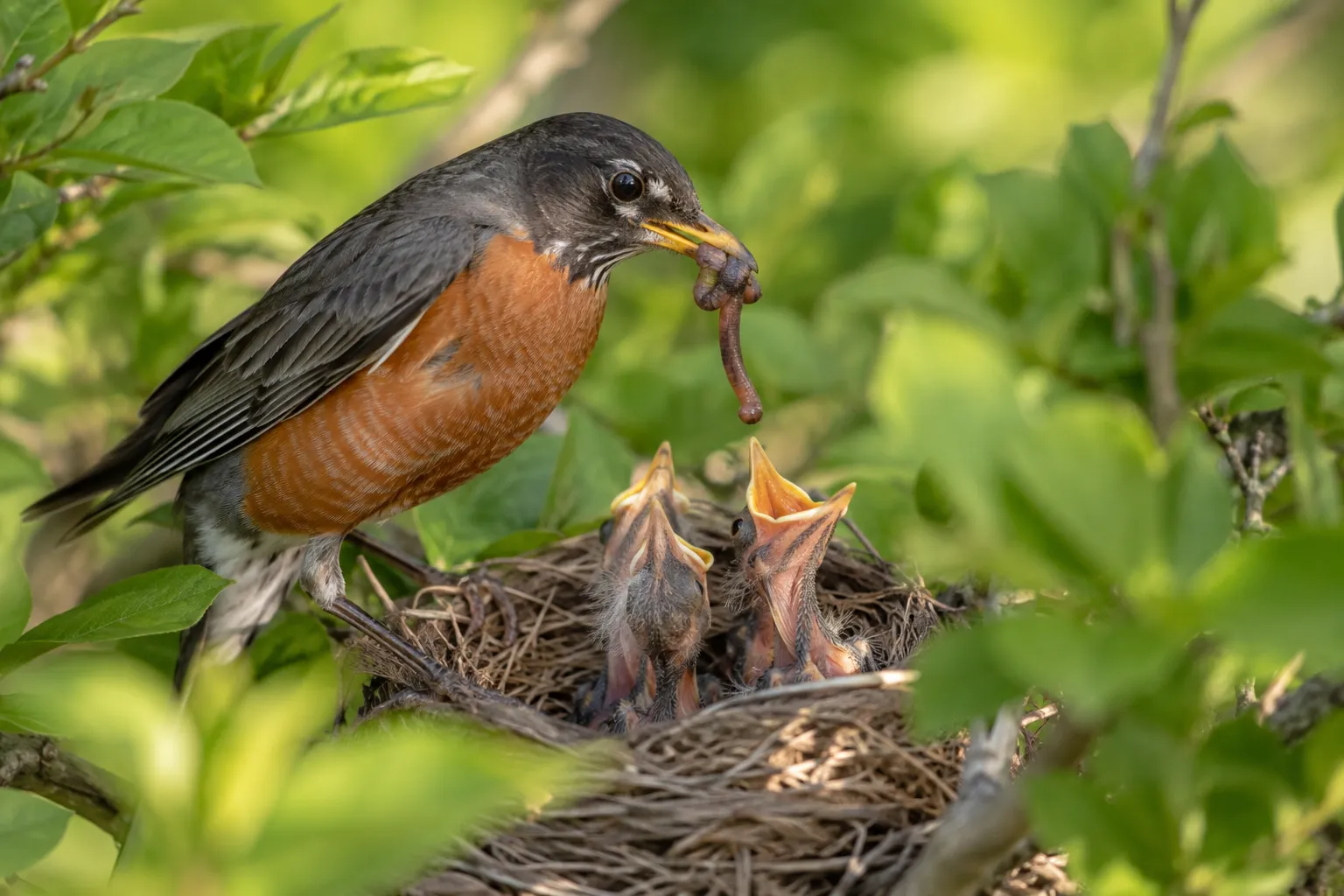
Most songbirds find their chicks by where they are: the nest. Parents return to the nest site and feed the gaping mouths inside. Begging calls and the bright gape colors of nestlings, often yellow, orange or red, trigger the feeding response. Later, when fledglings are scattered in shrubs, parents track them largely by their calls. Smell plays little role in this process for songbirds, so a human scent on a chick does not change what the parent sees and hears.
Parents have invested too much to walk away easily
By the time chicks hatch, a songbird pair has spent days building a nest, about two weeks incubating, and often many days feeding nestlings. Abandoning healthy young over a minor event would waste that investment. Parents do give up in the face of serious threats, but a brief touch is not one.
Birds do smell, but not in a way that supports the myth
Scientists once believed most birds had little sense of smell. That view has changed. Turkey Vultures find carrion by odor, kiwis have nostrils at the tip of the bill for sniffing out soil invertebrates, and many seabirds, including albatrosses and petrels, track food at sea by smell. Some research even suggests certain seabirds can recognize individuals by odor. Our article can birds smell covers this in depth.
Songbirds also have a functioning sense of smell. European Starlings and Blue Tits, for example, appear to select aromatic plants for their nests by odor. But having a sense of smell is very different from using human scent as a reason to reject offspring, and there is no evidence of that behavior in backyard birds.
Where did the myth come from?
No one has traced its origin with certainty. Several explanations are often suggested.
- A protective story for children. Telling children that touching a baby bird will make its mother abandon it keeps them from handling wildlife. That goal is sensible, even if the reason given is not true.
- Real cases of nest abandonment. People who repeatedly checked a nest, or stayed close for long periods, may have seen the parents leave and blamed the touch rather than the disturbance.
- Confusion with other animals. Similar stories are told about fawns and baby rabbits. Those stories are also largely inaccurate, but they may reinforce each other.
- Misreading normal behavior. Parents of fledglings often stay out of sight and visit only briefly. A person watching may conclude the young bird has been abandoned when it has not.
When do birds actually abandon nests or young?
Parent birds are not infinitely patient. Understanding what really makes them leave is more useful than worrying about scent.
Disturbance and perceived danger
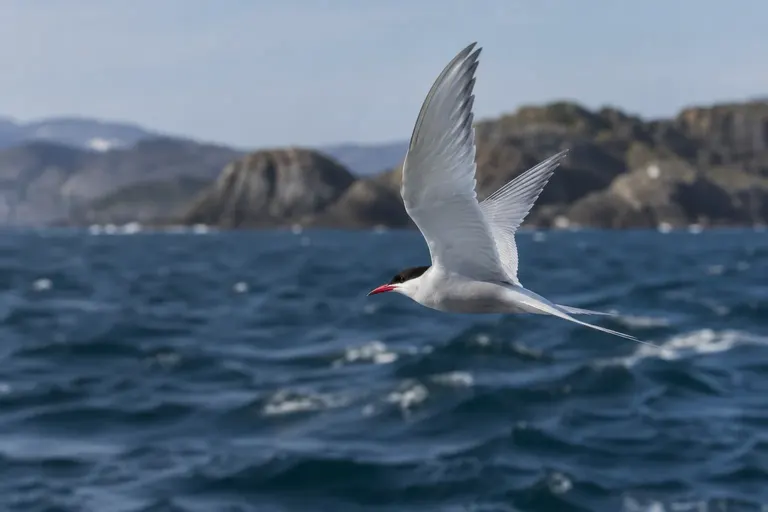
Birds weigh the risk of staying at a nest against the value of the brood. Repeated visits by people, pets or predators can tip that balance, particularly during nest building and egg laying, when the parents have invested less. Some groups are especially sensitive, including many raptors, colonial waterbirds such as herons and terns, and some ground nesters. Most backyard songbirds are fairly tolerant of short, quiet checks once they have eggs or chicks.
A meta-analysis of studies on nest monitoring, published in 2012 by Juan Diego Ibáñez-Álamo and colleagues, found no general increase in nest predation caused by researchers’ visits, although effects varied among studies. That is reassuring, but it is not permission to visit nests often. Researchers follow careful protocols to minimize their effects.
Predation and weather
If a predator raids a nest and takes part of a brood, parents may abandon the rest, especially if the nest is damaged or the site now seems dangerous. Cold snaps, storms and flooding can also force abandonment when parents cannot find enough food.
Brood reduction and sick chicks
Parents sometimes let the weakest chick die when food is scarce. In some species, especially raptors where chicks hatch days apart, the youngest often starves in lean years. Parents also remove dead chicks and eggshells from the nest. This behavior reflects food supply and chick condition, not human contact. See how long bird eggs take to hatch for why some broods hatch unevenly.
Brood parasitism
Some hosts desert nests after a brood parasite such as the Brown-headed Cowbird lays an egg in them. You can read more in why some birds lay eggs in other birds’ nests.
Why do parents seem to vanish when a fledgling is on the ground?
This is the situation that most often convinces people a baby bird has been rejected. A fledgling sits alone on a lawn for an hour and no adult appears. It looks abandoned, but in almost every case it is not.
Parents of fledglings deliberately keep their visits short. A parent flying back and forth to a young bird sitting in the open would draw attention from hawks, crows, cats and squirrels. Instead, the adults often wait nearby in cover, watch for danger and come in quickly with food, sometimes only a few times an hour. If a person is standing close by, they may stay away longer, giving the impression that no one is caring for the chick.
Broods also split up after fledging. In many songbirds, each parent takes charge of part of the brood, and the young spread out through shrubs and low branches. You may see one fledgling and never notice its siblings a few yards away. Adult robins, cardinals and sparrows often give sharp alarm calls when a person approaches a fledgling, which is a strong sign that a parent is watching.
The clearest test is patience from a distance. Go indoors, watch through a window for an hour or two, and you will usually see a parent swoop in to feed the youngster.
How do parent birds find their fledglings after they leave the nest?
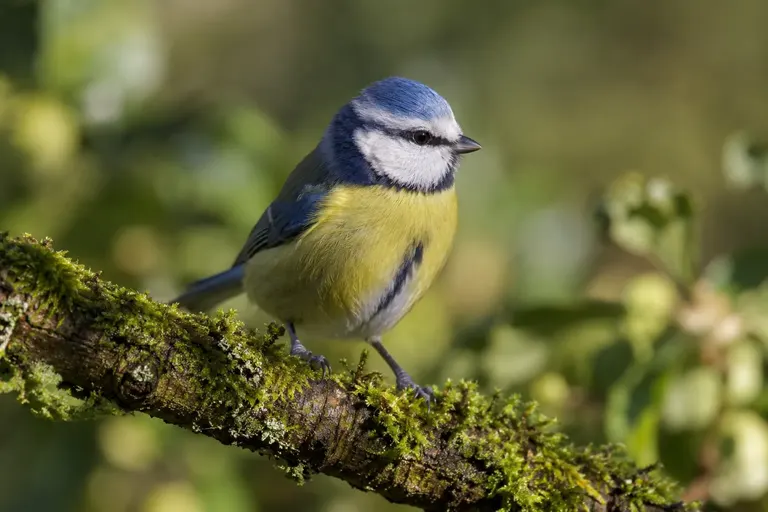
Once young birds leave the nest, location no longer identifies them, so parents rely more on sound. Fledglings give frequent begging or contact calls, and in several species studied, parents appear to respond more strongly to the calls of their own young than to those of unrelated fledglings. Colonial birds, such as swallows and many seabirds, face the hardest version of this problem, because many chicks gather close together. Research on colonial species has shown that parent and chick can recognize each other’s voices, which lets a returning adult find its own chick in a crowded colony.
None of this recognition depends on the chick smelling “right,” which is another reason a brief human touch does not break the bond.
Is it safe for you to touch a baby bird?
Brief, careful handling is generally low risk, but it is not risk free. Wild birds can carry bacteria such as Salmonella and parasites such as mites. Wash your hands with soap and water afterward, or wear disposable gloves, and keep young children from handling birds without supervision.
Public health agencies have also advised extra care with wild birds during outbreaks of highly pathogenic avian influenza. Backyard songbirds are considered at relatively low risk compared with waterfowl, poultry and scavenging birds, but it is still sensible to avoid touching sick or dead birds with bare hands. Our guide to bird flu and backyard feeders summarizes current guidance.
Nestling or fledgling: which one did you find?
Before touching any baby bird, work out its stage. This decides what, if anything, you should do.
Nestlings
- Bare skin or only partly feathered, with patches of down or pin feathers still in sheaths
- Cannot hop, walk or perch well
- Eyes may be closed in very young nestlings
- Belong in the nest
Fledglings
- Mostly feathered, often with a short tail and some fluffy down
- Can hop, flutter and grip a finger or twig firmly
- Often sit quietly on the ground or low branches
- Have left the nest on purpose and are usually still fed by their parents
The Cornell Lab points out that most baby birds people find are fledglings, which need no help. They spend several days to a couple of weeks learning to fly while parents feed them. See how long do baby birds stay in the nest for the timeline.
How do you put a baby bird back in its nest?
If you have found a healthy nestling and can see or reach its nest, follow these steps.
- Check for injuries. If the bird is bleeding, has a drooping wing, was caught by a cat or dog, or seems cold and unresponsive, skip to calling a licensed wildlife rehabilitator. Cat saliva carries bacteria that can kill a bird even from small punctures.
- Wash or glove your hands. This is to protect you and the bird from germs, not to hide your scent. Birds can carry bacteria such as Salmonella.
- Cup the chick gently. Warm it in your hands for a moment if it feels cool.
- Place it back in the nest. Set it in the cup with its siblings. Move quickly and calmly.
- Leave the area. Go indoors or well away, and watch from a distance. Parents are cautious when people are nearby.
- Watch for an hour or two. Parents may visit only briefly, every so often. Do not expect constant activity.
What if the nest is destroyed or out of reach?
You can make a substitute nest. Wildlife organizations commonly suggest a small container such as a plastic berry basket or a small wicker basket, with drainage holes, lined with dry grass or a paper towel. Fasten it securely in the same tree or shrub, as close as possible to the original spot and in shade. Place the nestling inside and watch from a distance. Parents often respond to their chick’s begging calls and resume feeding in the new nest.
What not to do
- Do not feed or give water. Nestlings can inhale water into their lungs, and the wrong food can harm them.
- Do not take a healthy fledgling indoors. Its best chance is with its parents.
- Do not keep checking every few minutes. Your presence can keep the parents away.
- Do not try to raise it yourself. In the United States, native birds are protected under the Migratory Bird Treaty Act, and keeping one without a permit is illegal. The UK, EU countries, Brazil and Turkey also protect wild birds by law.
Our step-by-step guide found a baby bird covers each scenario, and what to do with an injured bird explains how to contain and transport a hurt bird safely.
What about touching eggs?
The same logic applies. Touching an egg does not mark it with a scent that makes the parents reject it. Still, you should not handle eggs without good reason. Eggs are fragile, and moving them can crack the shell or damage the developing embryo. Early in nesting, before the clutch is complete, some birds are more likely to desert a site after a disturbance. If you monitor a nest box, open it only briefly, and never during the last few days before the young are due to fledge, when a disturbance can cause them to leave the nest too early.
Is the myth true for other animals?
The same story is told about fawns, baby rabbits and other young mammals, and it is largely a myth there too. Mammals generally rely on smell far more than songbirds do, so the idea seems more plausible, but wildlife agencies in the US and Europe consistently say the bigger danger is people “rescuing” young animals that were never abandoned. A fawn curled up alone in tall grass is usually hidden there on purpose while the doe feeds nearby, much like a fledgling sitting quietly under a shrub. The shared lesson across species is simple: observe from a distance first, and touch or move a young animal only when it is clearly injured, in immediate danger or, for nestling birds, out of its nest. When in doubt, call a licensed wildlife rehabilitator before acting.
What does this mean for backyard birders?
The myth has had one unfortunate effect: people sometimes leave a fallen nestling to die because they believe touching it will doom it anyway. The truth is more hopeful. Quick, gentle action to return a healthy nestling to its nest is the right call.
At the same time, remember that most young birds on the ground are fledglings in the middle of a normal, risky stage of life. The most helpful things you can do are usually indirect:
- Keep cats indoors, especially during nesting season. See our guide to cats and birds.
- Keep dogs on a leash in areas where fledglings are hopping around.
- Delay mowing or pruning near areas where young birds are sheltering.
- Watch from a distance. If you photograph nests or young birds, use a long lens and keep your distance so the parents keep feeding normally.
- Know your local rehabilitator before you need one.
Quick facts
- Parent birds do not reject young because a human touched them.
- Songbirds recognize their chicks mainly by nest location, begging calls and appearance.
- Many birds have a working sense of smell, but there is no evidence they reject young over human scent.
- Birds can abandon nests after prolonged disturbance, predation or bad weather.
- A healthy nestling can be put back in its nest; a healthy fledgling should be left alone.
- In the US, native birds are protected, so injured or orphaned birds should go to a licensed rehabilitator.
- Wash your hands after touching any wild bird, to protect your own health.
Sources
Frequently asked questions
Can I put a baby bird back in its nest if I touched it?
Yes. The Cornell Lab of Ornithology and other wildlife authorities say parents will not abandon a nestling because a person handled it. If you find a nestling that is bare or only partly feathered and you can see or reach its nest, gently place it back and leave the area so the parents feel safe returning.
Can birds smell humans?
Birds do have a sense of smell, and some species, such as Turkey Vultures, kiwis and many seabirds, rely on it heavily. But there is no good evidence that songbird parents identify or reject their young by human odor. Parents recognize nest location, begging calls and appearance. Handling a chick briefly does not turn the parents against it.
Why do people believe birds reject babies touched by humans?
No one knows the exact origin. A common suggestion is that the story discouraged children from handling wild animals, which is good advice for other reasons. It may also come from real cases where birds abandoned nests after heavy disturbance. That abandonment is a response to perceived danger, not to scent.
Will birds abandon a nest if I get too close?
They can. Some birds desert a nest after repeated or prolonged disturbance, especially during nest building or egg laying, and some ground nesters, colonial waterbirds and raptors are sensitive. Most backyard songbirds tolerate a brief, quiet check. Keep visits short and infrequent, avoid touching eggs or nestlings unnecessarily and never linger near the nest.
What if the parents do not come back after I return a chick?
Watch from a distance, ideally indoors. Parents often visit briefly and may come less often when people are nearby. If you see no adult visit for about an hour or two, or the chick is cold, injured or weak, contact a licensed wildlife rehabilitator. Do not try to feed it or give it water yourself.