Why Do Birds Hoard Food?
Why do birds hoard food? To survive lean times. Jays, chickadees, nuthatches and nutcrackers store thousands of seeds and remember where. Here is how it works.
In this article
- Quick answer: why birds cache food
- What does it mean when a bird hoards food?
- What are the two main ways birds store food?
- Which birds hoard the most food?
- How do birds remember where they hid their food?
- Do birds steal each other’s hidden food?
- Why do birds hoard at feeders?
- Do forgotten caches really plant forests?
- When do birds hoard the most?
- How can you watch birds caching in your yard?
- Myths and facts about birds hoarding food
- A worldwide view of food storage
- Quick facts
- Sources
- Frequently asked questions
Birds hoard food to survive times when food is scarce or hard to reach. By hiding seeds, nuts, insects or prey when food is abundant, species such as jays, chickadees, nuthatches and nutcrackers build a private pantry they can draw on during cold snaps, snow cover and long winter nights. Many of them remember thousands of hiding places with remarkable accuracy, and a 1998 study in Nature showed scrub-jays even recall what they stored and how long ago.
Hoarding, which scientists call caching, is one of the most studied behaviors in bird science because it links ecology, memory and even the planting of forests. This guide explains why birds do it, the different ways they store food, how they remember it all and what you can see at your own feeder.
Quick answer: why birds cache food
| Reason | How it helps | Typical examples |
|---|---|---|
| Surviving winter | Food stored in fall is eaten when supplies run low | Chickadees, tits, nuthatches, jays |
| Coping with bad weather | Stores bridge storms, snow and short days | Black-capped Chickadee, Coal Tit |
| Feeding young early | Cached food supports nesting in late winter | Clark’s Nutcracker, Canada Jay |
| Eating quickly and safely | Grab food fast, eat it later somewhere safer | Many tits and jays at busy feeders |
| Using a short glut | Acorns, pine seeds or prey stored before they vanish | Eurasian Jay, Acorn Woodpecker, shrikes |
What does it mean when a bird hoards food?
It means the bird is storing food for later rather than eating it now. The behavior ranges from a chickadee pushing one seed into bark and eating it an hour later, to a Clark’s Nutcracker burying tens of thousands of pine seeds across a mountainside and retrieving them months afterward.
Hoarding pays off wherever food is patchy in time. A fall crop of acorns or pine seeds lasts only a few weeks before it is eaten, rots or germinates. A cold winter day may leave only eight or nine hours of light to feed. Snow can bury food overnight. A bird that has stored food ahead of time has insurance against all of these.
What are the two main ways birds store food?
Biologists divide caching into two broad strategies.
Scatter hoarding
Scatter hoarders spread food across many small caches, often one item per spot. Chickadees, tits, nuthatches, jays and nutcrackers do this. Scattering reduces the risk of losing everything to one thief, whether a squirrel, a mouse or another bird. The cost is memory: the bird must remember many separate places.
Larder hoarding
Larder hoarders store large amounts in one or a few places and often defend them. The Acorn Woodpecker of western North America is the classic bird example. Family groups drill hundreds or even thousands of small holes in a “granary” tree, dead snag or wooden utility pole, then wedge an acorn into each one. The group guards the granary against jays and squirrels and moves acorns to snugger holes as they dry and shrink.
Shrikes use a different kind of larder. Loggerhead Shrikes in North America, and Red-backed Shrikes and Great Grey Shrikes in Europe and western Asia, impale insects, lizards, mice and small birds on thorns or barbed wire. This lets a songbird without a raptor’s talons tear up its prey, and it stores food for later. Some studies suggest males’ larders may also signal quality to females.
Which birds hoard the most food?
Nutcrackers: the champions
Clark’s Nutcracker of western North American mountains is the most famous hoarder. In late summer and fall, a single bird may store tens of thousands of pine seeds, carrying them in a pouch under its tongue and burying small batches in the soil across its range. Research suggests nutcrackers recover a large share of these caches months later, sometimes from under snow, and use them to feed themselves through winter and their chicks in spring. The Spotted Nutcracker of Eurasia does much the same with Swiss stone pine and other conifers.
Jays and the crow family
Blue Jays in eastern North America carry acorns, beechnuts and seeds, often several at once in an expandable throat pouch, and bury them in leaf litter or soil. One widely cited study in Virginia found individual jays caching several thousand acorns in a single fall. The Eurasian Jay does the same across Europe, Turkey and much of Asia, and is considered one of the main natural planters of oak woodland there.
Magpies, ravens, crows and rooks also cache, especially surplus meat or bread. For more on how clever these birds are, see our guide to whether crows are really that smart and our page on how to attract Blue Jays.
The Canada Jay: sticky storage
The Canada Jay (formerly Gray Jay) of boreal and mountain forests coats food items in thick, sticky saliva and glues them into bark crevices and conifer foliage above the snow line. These stores help it survive winters far below freezing and even allow it to begin nesting in late winter, when snow still covers the ground.
Chickadees, tits and nuthatches
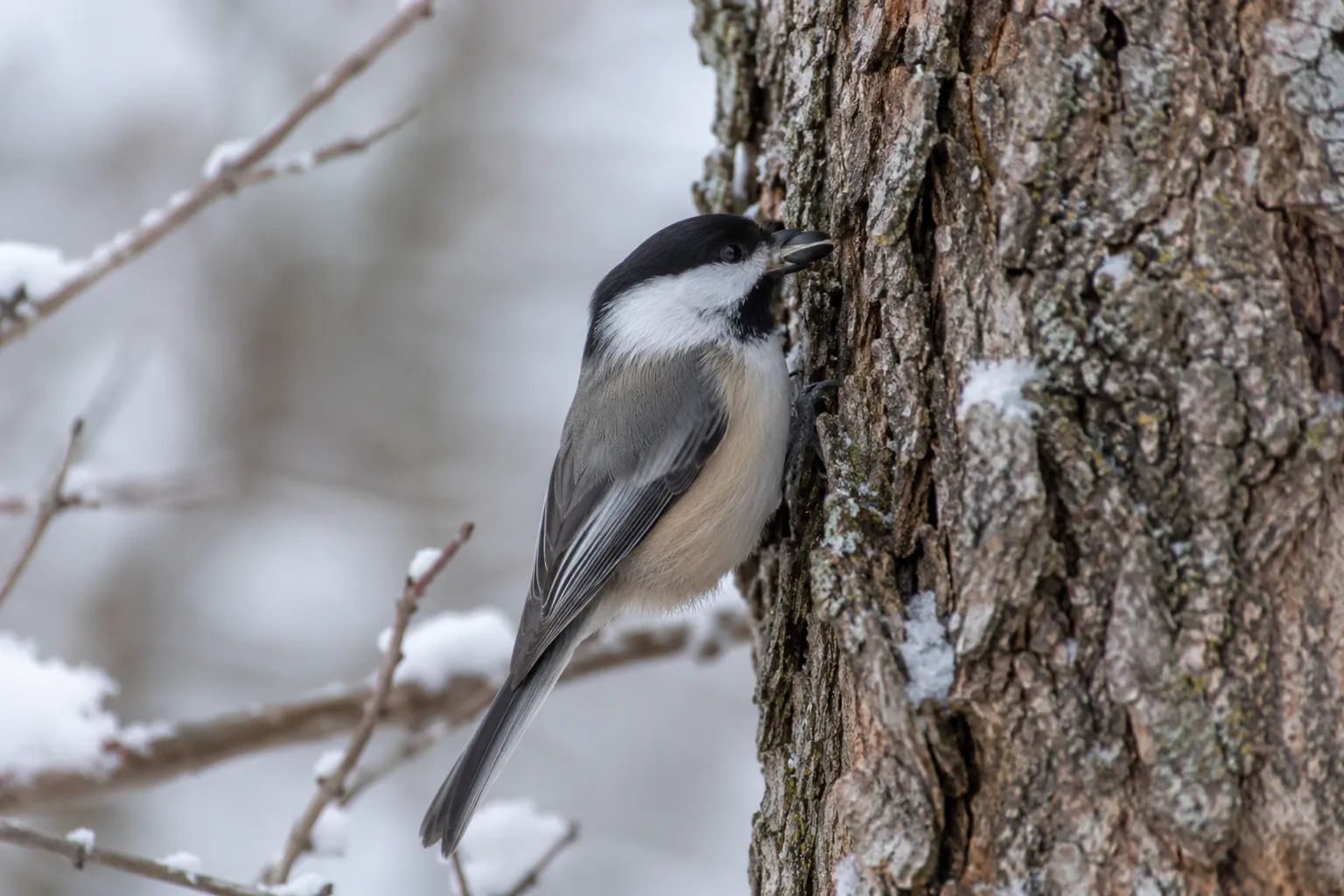
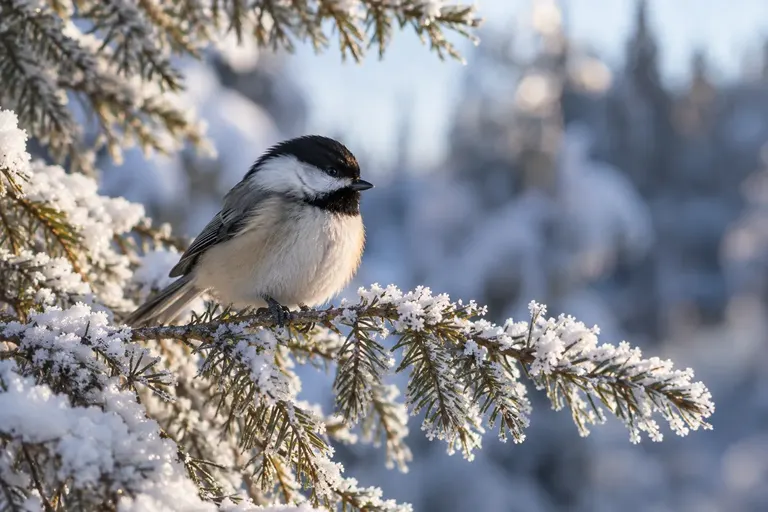
Small woodland birds are dedicated scatter hoarders. Black-capped and Carolina Chickadees, Tufted Titmice, Marsh Tits, Willow Tits and Coal Tits all cache seeds and insects in fall and winter. White-breasted and Red-breasted Nuthatches wedge seeds into bark and hammer them in, sometimes covering them with a flake of bark or lichen. Studies suggest chickadees can store hundreds to thousands of items in a season, most retrieved within days to weeks.
Not every tit hoards. Great Tits and Blue Tits in Europe cache little compared with Marsh Tits and Coal Tits, which makes these species useful for comparing brains and behavior.
Owls and other predators
Several owls cache prey. Northern Saw-whet Owls and Boreal Owls (called Tengmalm’s Owls in Europe) store mice and voles in tree cavities or on branches during cold spells. Frozen prey may be thawed by the owl sitting on it, a behavior researchers have described as warming food much as a bird incubates eggs. Some falcons, including American Kestrels and Eurasian Kestrels, stash prey in grass tufts, crevices or on branches.
Woodpeckers
Besides the Acorn Woodpecker, Red-headed Woodpeckers and Red-bellied Woodpeckers store nuts and seeds in bark crevices and holes, and some cover the cache with wood chips.
How do birds remember where they hid their food?
This is where hoarding becomes a story about the brain.
Spatial memory and landmarks
Experiments with chickadees, tits, jays and nutcrackers show that these birds rely on memory, not smell or random search, to find their stores. When researchers move landmarks near cache sites, birds search in the wrong place in a predictable way, which shows they are using the landmarks to navigate. Nutcrackers appear to use large landmarks such as rocks and trees, and to triangulate from several at once.
A bigger hippocampus
The hippocampus is the part of the bird brain most linked to spatial memory. Comparative studies across dozens of species have found that food-storing birds tend to have a relatively larger hippocampus than related species that do not store. In chickadees, research suggests the hippocampus even changes with the seasons, with new neurons added in fall when caching peaks. Chickadees from harsh, snowy environments, such as northern or high-elevation populations, tend to have larger hippocampi and better spatial memory than those from milder areas.
Remembering what and when
Perhaps the most striking results come from California Scrub-Jays (formerly grouped as Western Scrub-Jays). In laboratory experiments published in Nature in 1998, Nicola Clayton and Anthony Dickinson showed that scrub-jays remembered not just where they had cached food, but what type of food it was and how long ago they had stored it. The birds preferred to recover perishable wax worms if little time had passed, but switched to nonperishable peanuts after enough time had passed for the worms to spoil. This was taken as evidence of “episodic-like” memory, once thought to be uniquely human.
Do birds steal each other’s hidden food?
Constantly, and that has shaped hoarding strategy. Cache theft, or pilferage, is common among jays, crows, ravens and tits, as well as rodents.
Hoarding birds use several counter-tactics:
- Caching out of sight. Many jays and ravens prefer to hide food behind barriers or in shade when others are watching.
- Re-caching. Scrub-jays that were watched while caching often return later, alone, and move the food. In a well-known 2001 study, Nathan Emery and Nicola Clayton found that jays with experience of stealing were the ones most likely to re-cache, as if they understood the risk from their own behavior.
- Spreading caches out. Scatter hoarding makes it harder for a thief to clean out a bird’s supply.
- Deception. Common Ravens have been observed pretending to cache or leading watchers away from real caches.
Why do birds hoard at feeders?
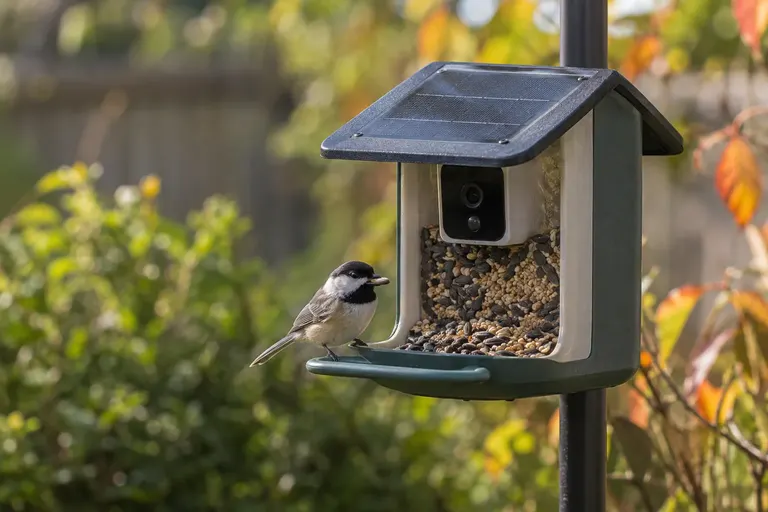
A feeder full of seed is like an endless fall crop. Birds that evolved to cache take advantage of it. That is why you see:
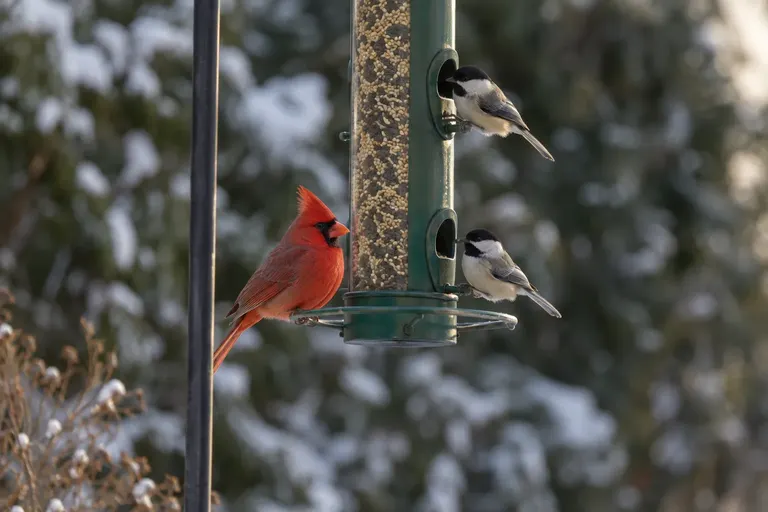
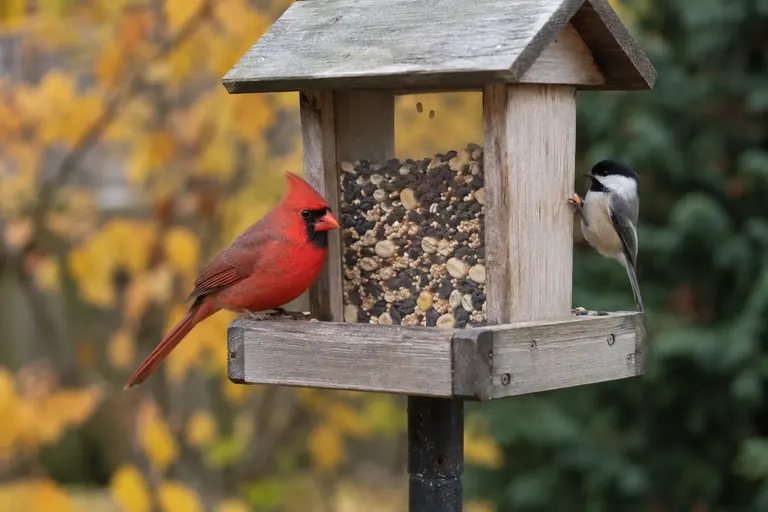
- Chickadees and titmice taking a seed, flying off and coming right back. Many of those seeds are being hidden. See our page on Black-capped Chickadees.
- Nuthatches wedging seeds into bark on nearby trees and fence posts. Our White-breasted Nuthatch guide describes this in detail.
- Blue Jays swallowing several peanuts or sunflower seeds, then flying off to bury them.
- In Europe and Turkey, Coal Tits taking sunflower hearts one by one and stuffing them into conifer needles or moss, and Eurasian Jays carrying off whole peanuts.
Hoarding explains why a feeder can empty faster than the number of birds suggests. It also means some of your seed ends up in the wider landscape, where birds may eat it days later.
Does hoarding mean birds depend on feeders?
Research suggests not. Birds with access to feeders still find most of their food naturally, and cached seed from feeders is one part of a mixed diet. Our article on whether birds become dependent on feeders explains the evidence, and our winter bird feeding guide covers what helps most in cold months.
Do forgotten caches really plant forests?
Yes. Not every cache is recovered. A bird may die, find enough food elsewhere, lose a site to snow or simply fail to return. The survivors germinate.
- Oaks and jays. Blue Jays in North America and Eurasian Jays in Europe move acorns hundreds of yards to more than a mile from the parent tree, often to open ground where seedlings grow well. Researchers believe jays helped oaks spread north after the last ice age.
- Whitebark pine and nutcrackers. Whitebark pine, a high-elevation tree of the American West, depends heavily on Clark’s Nutcrackers, because its cones do not open on their own to release seed. Forgotten nutcracker caches are a main source of new trees.
- Other trees. Nuthatches, tits and other hoarders likely disperse beech, hazel, pine and other seeds on a smaller scale.
This makes hoarding birds some of the most important seed planters in temperate forests.
When do birds hoard the most?
Caching follows the calendar and the clock.
Seasonal timing
For most temperate hoarders, caching rises sharply in late summer and fall, when seed crops ripen and before winter sets in. Chickadees and nuthatches begin storing heavily from about September in much of North America, and Coal Tits and Marsh Tits do the same across Europe. Jays follow the acorn crop, which usually peaks from September to November. Nutcrackers start even earlier, harvesting pine seeds from late summer. In winter, caching continues at a lower rate, with birds both storing and recovering food day to day.
Daily timing
Short-term hoarders such as chickadees and tits often store food during the day and eat it later the same day or the next. Some studies suggest birds retrieve more of their caches late in the afternoon, topping up fat reserves before a long night. On a cold evening, a small bird may lose a significant share of its body weight overnight simply staying warm, so having food close at hand before dusk can matter a great deal. Our guide on how birds stay warm in winter explains that energy budget.
Mast years
Many trees, including oaks, beeches and pines, produce huge seed crops in some years and very little in others. These boom years are called mast years. In a mast year, jays and nutcrackers cache enormous amounts, and more seeds go unrecovered, which is one reason big crops can lead to bursts of new seedlings.
How can you watch birds caching in your yard?
Hoarding is easy to see once you know what to look for.
- Pick a feeder near trees. Sunflower seeds or peanuts in a feeder a few yards from mature trees give hoarders a short commute.
- Follow one bird. Instead of watching the feeder, watch where a chickadee, tit or nuthatch goes after it leaves.
- Look for the tuck. A caching bird pushes the seed into a crack, a curled leaf, lichen, a clump of needles or loose bark, often hammering it in, then may cover it.
- Notice the pause. Hoarders sometimes glance around before caching. That caution may be about thieves.
- Check fence posts and siding. Nuthatches and jays sometimes use cracks in wooden fences and even gaps in house trim.
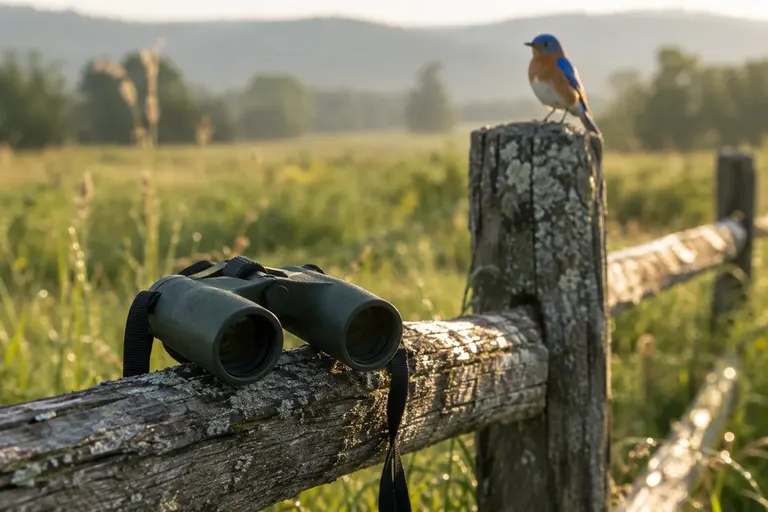
- Keep a note. Recording what you see is a satisfying way to track the season.
Myths and facts about birds hoarding food
Myth: Birds hoard because they are greedy. Fact: Caching is a survival strategy tuned by evolution to unpredictable food supplies.
Myth: Birds find their caches by smell. Fact: Experiments point to memory and visual landmarks. For more on what birds can detect by scent, see our guide on whether birds can smell.
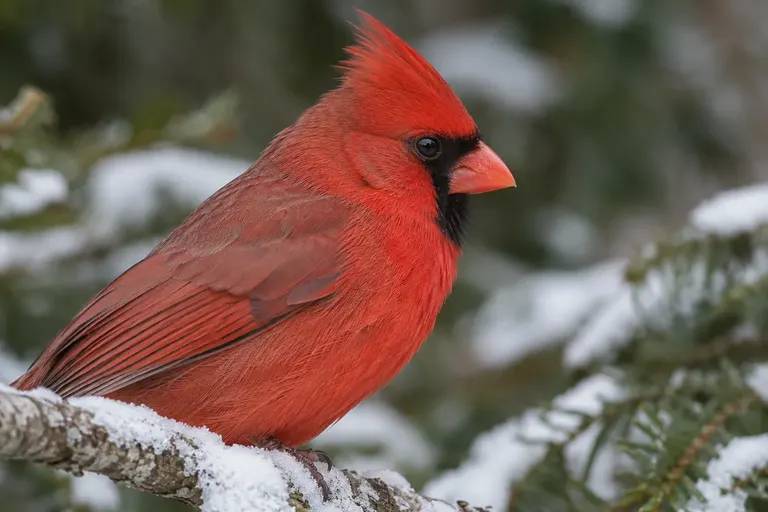
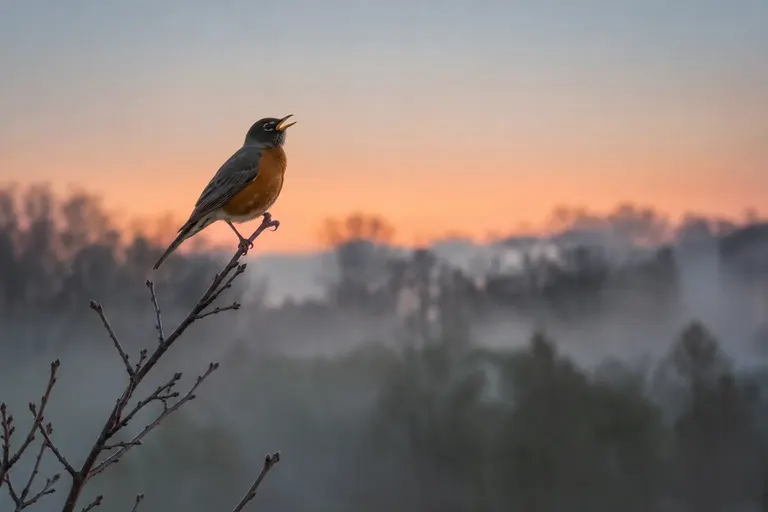
Myth: All birds hoard. Fact: Many do not. Robins, cardinals and most finches rarely cache. It is concentrated in certain families.
Myth: Birds that hoard forget most of their food. Fact: Studies suggest they recover a large share. What they miss still matters, because it grows into trees.
Myth: Hoarding is only a winter behavior. Fact: Caching peaks in fall and winter, but many birds cache year-round, especially surplus food at a rich source.
A worldwide view of food storage
Hoarding appears across the world wherever food supplies swing between plenty and scarcity. In the boreal forests of Scandinavia and Russia, Siberian Tits and Willow Tits cache thousands of items to survive long, dark winters. In the Mediterranean and in Turkey’s oak woodlands, Eurasian Jays gather acorns each autumn. In the mountains of Central Asia, nutcrackers store pine seeds much as their North American relatives do. In warmer regions, including much of Brazil, where food is available more evenly through the year, scatter hoarding by small songbirds is less prominent, although some jays, including the Plush-crested Jay, and other members of the crow family store surplus food. The broad pattern, observed by many researchers, is that the harsher and more seasonal the environment, the more birds rely on hoarding.
Quick facts
- Caching lets birds survive cold, snow and seasonal food shortages.
- Scatter hoarders use many small caches; larder hoarders use a few large stores.
- Clark’s Nutcrackers can store tens of thousands of seeds in one season.
- Food-storing birds tend to have a relatively larger hippocampus.
- Scrub-jays remember what, where and when they cached.
- Jays and nutcrackers plant oaks and pines by forgetting some caches.
- At feeders, chickadees, nuthatches, titmice and jays are the main hoarders.
Sources
- Clark’s Nutcracker overview, Cornell Lab of Ornithology, All About Birds
- Blue Jay overview, Cornell Lab of Ornithology, All About Birds
- Black-capped Chickadee overview, Cornell Lab of Ornithology, All About Birds
- Acorn Woodpecker overview, Cornell Lab of Ornithology, All About Birds
- Clayton and Dickinson (1998), Episodic-like memory during cache recovery by scrub jays, Nature
- Emery and Clayton (2001), Effects of experience and social context on prospective caching strategies by scrub jays, Nature
Frequently asked questions
Why do birds hoard food?
Birds hoard food to even out an unreliable supply. By storing seeds, nuts or prey when food is plentiful, they can survive cold nights, snow cover, bad weather and winter shortages. Some species also cache to feed chicks early in the season, or simply to eat faster at a busy food source and finish the meal somewhere safer.
Which birds hoard food?
Hoarding is most developed in the crow family, including jays, nutcrackers, magpies and ravens, and in chickadees, tits and nuthatches. Acorn Woodpeckers store acorns in granary trees, shrikes impale prey on thorns, and several small owls cache mice and voles. Many other birds hoard only occasionally, or not at all.
How do birds remember where they hid food?
Mainly with spatial memory. Hoarding birds use landmarks and the layout of their surroundings to recall cache sites. Food-storing species tend to have a relatively larger hippocampus, the brain region linked to spatial memory, than related non-storers. Experiments suggest some jays and nutcrackers can recall thousands of sites for months.
Why do chickadees take one seed and fly away?
Chickadees usually take a single seed to a nearby branch to open it or to hide it. In fall and winter, a large share of the seeds they carry off are cached in bark crevices, lichen, dead leaves or under snow, then retrieved later, often within days. Taking one seed at a time also limits time spent exposed at the feeder.
Do birds forget where they hid food?
They forget or abandon some caches, and others are stolen or eaten by rodents. Birds recover a large share of their stores, but the uncollected seeds matter. Forgotten acorns cached by jays and whitebark pine seeds cached by nutcrackers can sprout, which makes these birds important planters of oaks and pines.