Do Birds Mate for Life?
Do birds mate for life? A few do, such as swans, albatrosses and eagles, but most songbirds pair for one season, and many pairs are not strictly faithful.

In this article
- Quick answer: which birds mate for life?
- What does “mate for life” actually mean?
- Why are most birds monogamous?
- How do birds choose a partner?
- Which birds really do mate for life?
- Do songbirds mate for life?
- Do birds cheat on their partners?
- Do birds get divorced?
- Why do long pair bonds pay off?
- Which birds don’t pair up at all?
- What happens when a bird loses its mate?
- Myths vs facts about birds and lifelong love
- What does this mean for backyard birders?
- Quick facts
- Sources
- Frequently asked questions
Some birds do mate for life, but most do not. About 90 percent of bird species form monogamous pairs, yet in most songbirds those pairs last only one breeding season. True long-term partnerships are typical of long-lived birds such as albatrosses, swans, geese, cranes, eagles, parrots and ravens. And even “faithful” pairs are not always sexually exclusive: genetic studies show that many socially monogamous birds raise chicks fathered by a neighbor.
So the honest answer is layered. This guide explains the difference between social and genetic monogamy, which birds really do stay together, why pair bonds last, how often birds “divorce”, and what all of this means for the pairs you see in your yard.
Quick answer: which birds mate for life?
| Pair-bond pattern | What it means | Examples |
|---|---|---|
| Long-term, often lifelong | Same partner for many years; separation uncommon | Albatrosses, swans, many geese, cranes, Bald Eagles, ravens, many parrots |
| Seasonal monogamy | New or re-formed pair each breeding season | Most songbirds, including many warblers, sparrows and wrens |
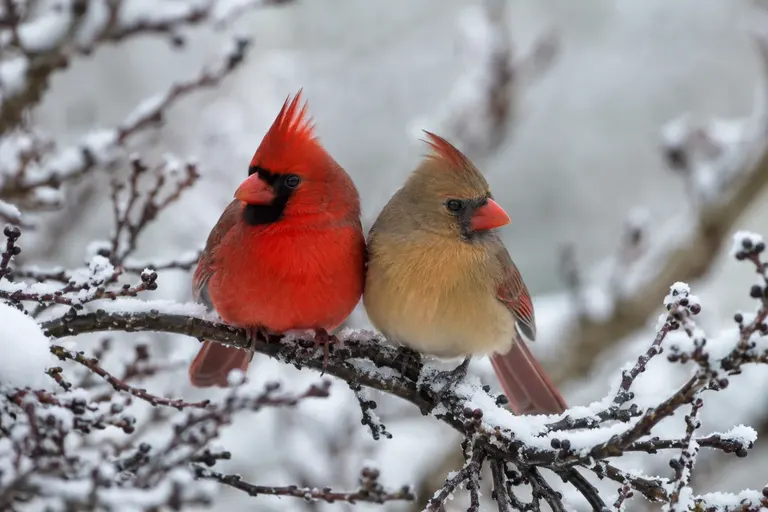
| Year-round pairs, sometimes multi-year | Pair stays together through winter and may breed together again | Northern Cardinals, Carolina Wrens, some chickadees and jays |
| Polygyny | One male, several females | Red-winged Blackbirds, some House Wrens |
| Polyandry | One female, several males | Spotted Sandpipers, phalaropes, jacanas |
| No pair bond | Brief mating; one sex raises young alone | Hummingbirds, grouse, peafowl, manakins, many ducks |
| Cooperative groups | Several adults breed and raise young together | Acorn Woodpeckers, many Australian birds |
What does “mate for life” actually mean?
The phrase hides two quite different ideas, and scientists separate them.
Social monogamy means a male and a female form a partnership: they share a territory, build or defend a nest, and raise young together. This is the pattern in roughly 90 percent of bird species, a figure associated with the British ornithologist David Lack’s work in the 1960s. It is far higher than in mammals, where most species are not monogamous.
Genetic (or sexual) monogamy means that all the offspring in a nest are the biological young of the pair. This is much rarer. Once DNA fingerprinting became available in the late 1980s and 1990s, researchers found that chicks fathered by males outside the pair, called extra-pair young, are widespread. A widely cited 2002 review by Simon Griffith and colleagues found extra-pair offspring in the large majority of socially monogamous species studied, averaging roughly one chick in ten.
Lifelong monogamy adds a third layer: the same partners staying together across many breeding seasons until one of them dies. Only a subset of socially monogamous birds do this.
So when people ask whether birds mate for life, the most accurate answer is: most birds pair up, few pair up for life, and very few are strictly faithful.
Why are most birds monogamous?
Birds are unusual among animals in how much care their young need and how evenly the work can be shared.
- Both sexes can feed the young. Unlike mammals, where only females produce milk, male birds can bring food just as effectively as females.
- Eggs and chicks need constant attention. Eggs must be incubated, and many chicks hatch naked and helpless. A single parent often cannot keep them warm and fed while also finding food.
- Nests need defending. Two adults can guard against predators and rivals better than one.
In most species, a male who helps raise one brood successfully leaves more surviving offspring than a male who abandons the nest to seek more mates. That calculation favors social monogamy. Where it changes, for instance where food is so abundant that one parent can cope, other mating systems appear.
How do birds choose a partner?
In most birds, females do most of the choosing, and males compete to be chosen. The signals females pay attention to vary by species, but a few themes appear again and again.
- Song. In many songbirds, males with larger song repertoires or more consistent performance tend to attract mates sooner. Song also advertises that a male holds a territory. Our guide to why birds sing in the morning explains the dawn chorus.
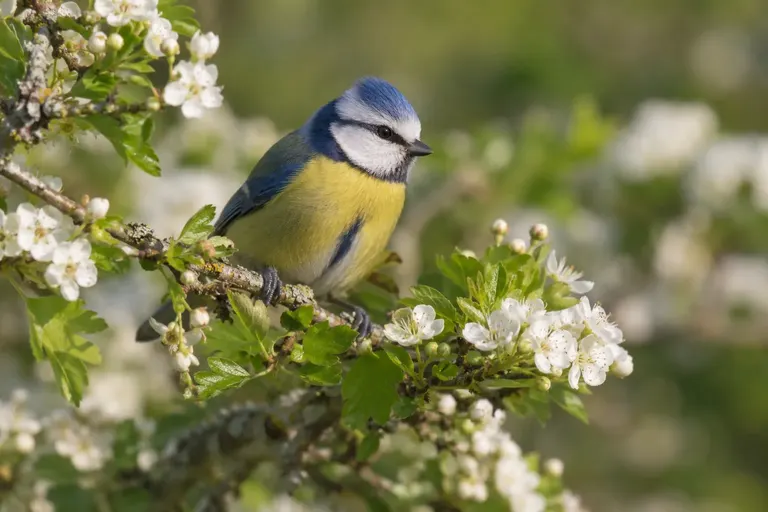
- Plumage. Bright colors, such as the red of a male cardinal or the blue of a male bluebird, can signal health and diet quality, because pigments and feather structure are costly to produce.
- Territory and nest sites. A male that controls good habitat or a suitable cavity may be more attractive than a showier rival with a poor territory. Male House Wrens, for example, stuff several cavities with twigs and let the female choose.
- Courtship feeding. In cardinals, many finches and gulls, males feed females before and during nesting. This may help the female build up reserves for egg laying and may show she has chosen a capable provider.
- Displays and dances. Grebes, cranes and albatrosses perform elaborate paired displays that seem to help partners coordinate and confirm the bond.
In long-lived species, the choice matters more because the partnership may last for years, and courtship can stretch over more than one season before the pair breeds.
Which birds really do mate for life?
Albatrosses
Albatrosses are the textbook example. They are extremely long-lived, often taking several years to begin breeding, and pairs perform elaborate courtship dances when forming a bond. Once paired, many stay together for years. The most famous individual is Wisdom, a Laysan Albatross first banded on Midway Atoll in 1956 and still breeding decades later, making her the oldest known wild bird. Wisdom has outlived more than one partner, which illustrates that even “lifelong” birds re-pair when a mate dies.
Research on Black-browed Albatrosses in the Falkland Islands, published in 2021, found that divorce rates rose in years with unusually warm ocean conditions. The authors suggested that environmental stress, possibly through poorer feeding conditions, can disrupt even very stable pair bonds.
Swans and geese
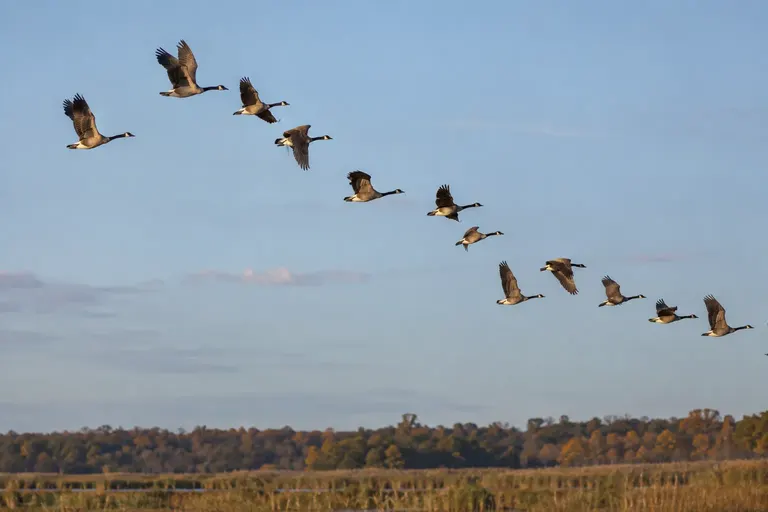
Mute, Trumpeter, Tundra and Whooper Swans and most geese, including Canada Geese, typically form long-term pairs. Families often migrate together, and young geese may stay with their parents through their first winter. Divorce does occur, but it is relatively uncommon.
Cranes
Cranes, including Sandhill Cranes in North America and Common Cranes in Europe and Asia, form long-term pairs known for their unison calls and dancing displays. Pairs often reinforce their bond with these displays well outside the breeding season.
Eagles and other raptors
Bald Eagles generally stay with the same mate for years and often return to the same large nest, adding to it each season. Many other large raptors, such as Golden Eagles and Ospreys, show similar long-term partnerships, often tied to a traditional nest site.
Crows, ravens and jays
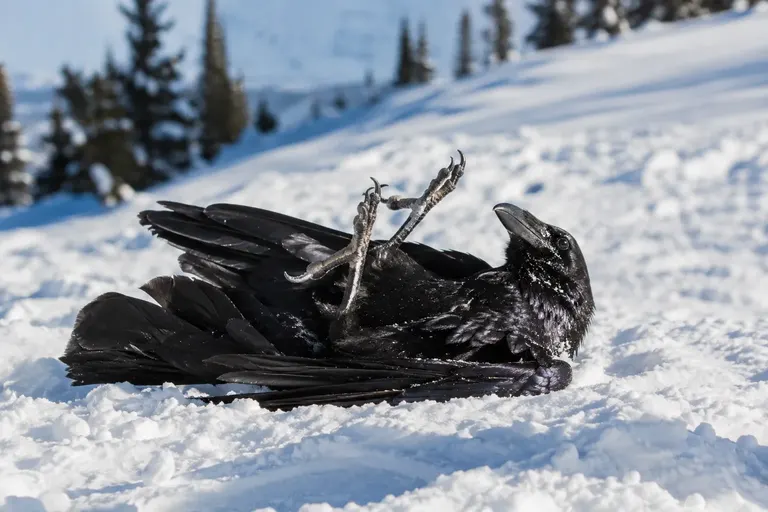
Common Ravens and American Crows form long-term pairs. Ravens often stay together year-round on a territory, and crows may breed within family groups that include young from previous years. Many jays also pair for multiple years.
Parrots
Many parrots, from macaws in South America to cockatoos in Australia, form strong, long-lasting bonds. Pairs often preen each other and fly close together. Lovebirds get their common name from the close contact between partners.
Seabirds
Many seabirds, including Atlantic Puffins, gannets and some penguins, reunite with the same partner at the same nest site year after year. For species that spend the winter apart at sea, the shared burrow or nest site is often the meeting point.
Do songbirds mate for life?
Mostly no. In the majority of small songbirds, pairs form in spring and dissolve after breeding. Many songbirds live only a few years, so there are fewer seasons over which a bond could last, and many are migrants that winter apart. Our guide on how long backyard birds live explains why lifespans are short.
That said, some backyard birds stay together longer:
- Northern Cardinals often remain paired through the year, and some pairs stay together over several seasons. Our Northern Cardinal guide covers their breeding behavior.
- Carolina Wrens often stay paired year-round on a shared territory and sing duets.
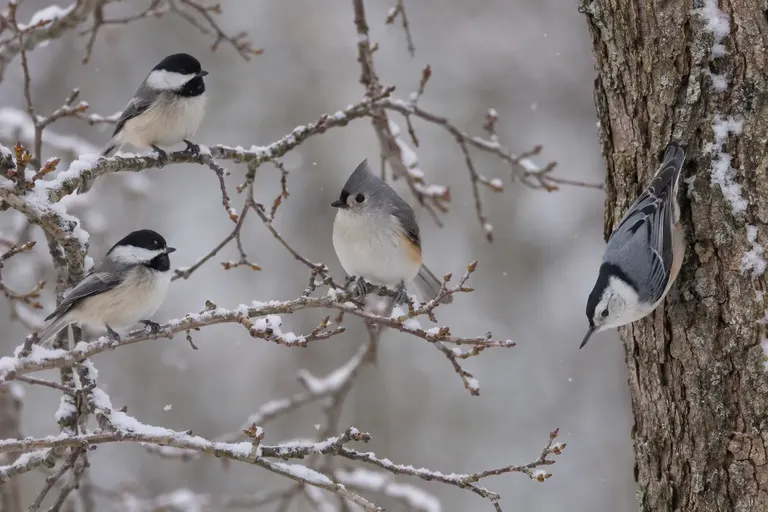
- Chickadees form pairs within winter flocks, and many pairs breed together the following spring.
- Eastern Bluebirds frequently raise two or more broods in a season with the same partner, but pairs do not always last from year to year.
Many cases of apparent loyalty are actually loyalty to a place. Birds that return to the same territory each spring often end up with the same partner simply because the partner also returned. Biologists call this site fidelity, and it can look a lot like romance from the outside.
Do birds cheat on their partners?
Yes, often. In many socially monogamous songbirds, females seek copulations with neighboring males, and males pursue females outside the pair. The proportion of extra-pair chicks varies enormously: some species show almost none, while in others a large share of broods contain at least one chick sired by another male.
Why would a female do this? Researchers have proposed several explanations, and the evidence varies between species:
- Better genes. A female may gain genetically higher quality or more diverse offspring from an attractive neighbor.
- Insurance. Mating with more than one male may guard against a partner being infertile.
- Future options. Extra-pair contacts may help a female find a new partner if her current one dies or leaves.
For males, the benefit is more straightforward: extra-pair matings can increase the number of chicks they father without extra parenting work. The cost is that time spent away from home can leave his own nest less guarded.
Long-lived species with lifelong bonds, such as albatrosses and swans, tend to show relatively low rates of extra-pair paternity, although it is not zero in every population.
Do birds get divorced?
They do, and ornithologists use exactly that word. Divorce means both members of a pair are alive, but they breed with different partners in a later season.
Rates vary widely. Albatrosses, swans and geese have low divorce rates, while many small songbirds divorce frequently. In long-term studies, the most consistent predictor of divorce is breeding failure: pairs that lose their nests or raise few young are more likely to split. Research on Great Tits in Wytham Woods near Oxford, one of the longest-running bird studies in the world, has linked divorce with pair history and breeding outcomes, and similar patterns have been reported in other species.
From the bird’s point of view, divorce can be a sensible move. If a partnership is not producing young, trying a new partner or a better territory may improve the odds next time.
Why do long pair bonds pay off?
In long-lived birds, pairs that stay together often breed more successfully over time. Several reasons are thought to contribute:
- No time wasted on courtship. Established pairs can start nesting sooner in the season.
- Better coordination. Partners who know each other can take turns incubating and feeding more smoothly. In seabirds, well-coordinated foraging trips mean chicks are rarely left unfed.
- Shared territory knowledge. A pair that knows the best feeding spots and nest sites avoids costly mistakes.
Studies of species such as Black-legged Kittiwakes and oystercatchers have reported that breeding success can improve with the length of the pair bond, though the effect is not universal.
Which birds don’t pair up at all?
Plenty of birds skip pair bonds entirely.
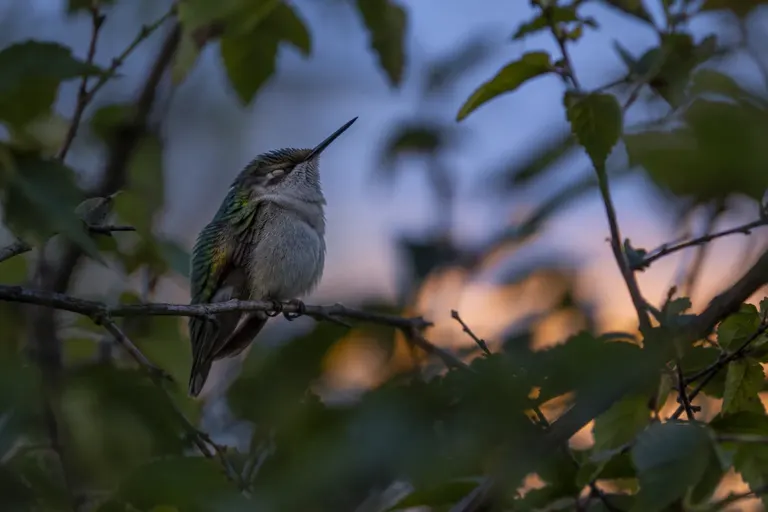
- Hummingbirds. In Ruby-throated Hummingbirds and most other hummingbirds, the male mates and leaves. The female builds the nest and raises the chicks alone.
- Lekking birds. In Greater Sage-Grouse, prairie-chickens, many manakins in Central and South America, and Indian Peafowl, males gather at display grounds called leks, and females choose a mate, then nest alone.
- Most ducks. Many ducks form pairs in winter, but the male usually leaves once the female begins incubating.
- Polyandrous birds. In Spotted Sandpipers and phalaropes, roles are reversed: females compete for males, and males do much or all of the incubating.
- Brood parasites. Brown-headed Cowbirds and Common Cuckoos leave the parenting to other species altogether. See why some birds lay eggs in other birds’ nests.
Some birds mix strategies. Dunnocks, small brown birds common in European gardens, became famous through research in Cambridge showing that the same population can include monogamous pairs, one male with two females, one female with two males, and groups of several of each.
What happens when a bird loses its mate?
Most birds re-pair. For short-lived songbirds, a widowed bird in spring may find a new partner within days, because unpaired birds are often waiting for a vacancy. Long-lived birds may take longer, sometimes missing a breeding season before finding a new partner.
Some species, particularly geese, crows, ravens and parrots, show behavioral changes after losing a partner, such as calling, searching or staying near the place the mate was lost. Scientists are cautious about labeling this as grief, but the observations are real. Our article do birds grieve looks at the evidence.
Myths vs facts about birds and lifelong love
Myth: All birds mate for life. Only a minority of species keep partners across many years.
Myth: Mated pairs are always faithful. Genetic studies show extra-pair chicks are common in many socially monogamous species.
Myth: A widowed swan or eagle will never mate again. Most do re-pair, though it can take time.
Fact: Returning to the same nest does not always mean the same partner. Some birds are loyal to a site, and the same nest may host different pairs over the years. See do birds reuse nests.
What does this mean for backyard birders?
The pairs at your feeder are a window into these different strategies.
- Watch for courtship feeding. Male cardinals feeding seeds to females in late winter and spring is a sign of a bonded pair.
- Notice year-round pairs. Cardinals, Carolina Wrens and many chickadees stay paired through winter, so you may see the same two birds together month after month.
- Nest boxes host changing pairs. A bluebird box used each year may have different occupants, even when it looks like the same couple.
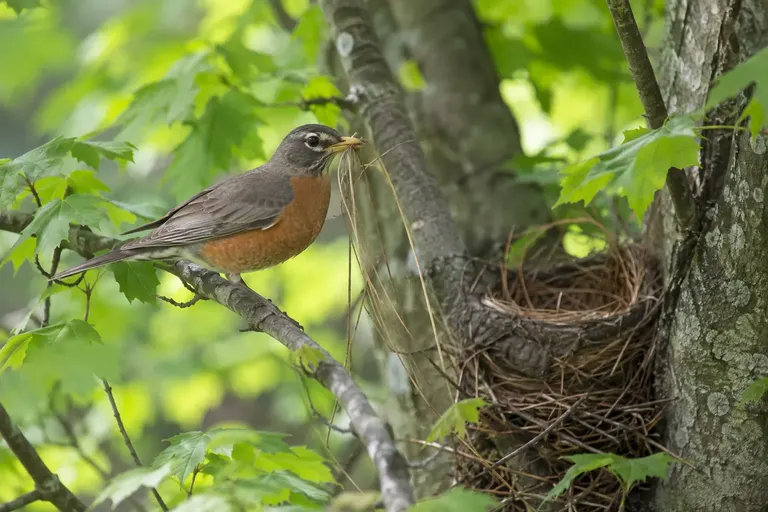
- Provide nesting resources. Native shrubs, nest boxes and nesting material help pairs settle in. Our guide to how birds build nests explains what birds look for.
- Keep records. Noting pairs, nests and dates in a journal or on eBird turns backyard watching into real observation.
Quick facts
- About 90 percent of bird species are socially monogamous.
- Most songbird pairs last a single breeding season.
- Extra-pair chicks are found in most socially monogamous species studied.
- Albatrosses, swans, geese, cranes, eagles, ravens and many parrots form long-term pairs.
- Wisdom, a Laysan Albatross banded in 1956, is the oldest known wild bird and has had more than one mate.
- Breeding failure is a leading predictor of “divorce”.
- Hummingbird males take no part in nesting.
- In phalaropes and Spotted Sandpipers, males do most of the incubating.
Sources
- Laysan Albatross overview, Cornell Lab of Ornithology, All About Birds
- Northern Cardinal life history, Cornell Lab of Ornithology, All About Birds
- Bald Eagle overview, Cornell Lab of Ornithology, All About Birds
- Spotted Sandpiper overview, Cornell Lab of Ornithology, All About Birds
- Common Raven overview, Cornell Lab of Ornithology, All About Birds
- National Audubon Society
- British Trust for Ornithology
Frequently asked questions
What birds mate for life?
Birds known for long-term pair bonds include albatrosses, swans, many geese, cranes, Bald Eagles and other large eagles, many parrots, ravens and other crows, and some seabirds such as puffins. Even in these species, partners may separate after repeated breeding failure, and a bird that loses its mate usually finds a new one.
Do cardinals mate for life?
Northern Cardinals are socially monogamous, and pairs often stay together through the year and sometimes over several breeding seasons. They are not strictly lifelong partners in every case, and genetic studies of cardinals and many other songbirds show that some chicks in a nest can be fathered by a male other than the social mate.
What percentage of birds are monogamous?
Roughly 90 percent of bird species are socially monogamous, meaning a male and female pair up to raise young together. That figure, which dates back to the work of ornithologist David Lack, describes social partnerships, not sexual fidelity or lifelong bonds. Most songbird pairs last only one breeding season.
Do birds get divorced?
Yes. Ornithologists use the word divorce when both members of a pair survive but breed with different partners the next season. Divorce rates vary widely, from very low in albatrosses and swans to common in many small songbirds. Breeding failure is one of the most frequently linked causes.
What happens when a bird's mate dies?
Most birds re-pair, often quickly in the breeding season, because raising young usually needs two parents. Long-lived species may take longer to find a new partner. Some birds, especially geese, crows and parrots, show changes in behavior after losing a mate, although scientists are careful about describing this as grief.