Why Are Bird Populations Declining?
Why are bird populations declining? Habitat loss and intensive farming lead, followed by cats, windows, pesticides, climate change and disease. The evidence.
In this article
- Quick answer: the main causes of bird decline
- How much have bird populations declined?
- Why is habitat loss the biggest driver?
- How does modern farming affect birds?
- Are insect declines hurting birds?
- How many birds do cats kill?
- How many birds die hitting windows?
- Is climate change driving bird declines?
- What other threats matter?
- Why does the loss of common birds matter?
- Which birds are declining fastest?
- Are any birds increasing?
- Myths vs facts about bird declines
- What can backyard birders do to help?
- Quick facts
- Sources
- Frequently asked questions
Why are bird populations declining? Mainly because of habitat loss and degradation, above all from intensive agriculture, along with a set of other pressures that add up: predation by cats, collisions with buildings, pesticides and falling insect numbers, climate change, invasive species, disease and illegal killing. In North America, researchers estimate about 2.9 billion fewer breeding birds than in 1970, and Europe has lost hundreds of millions since 1980.
The picture is not uniform. Some birds are thriving, and several conservation successes show that declines can be reversed. Understanding what is driving the losses is the first step toward knowing what helps.
Quick answer: the main causes of bird decline
- Habitat loss and degradation: the conversion of grasslands, forests and wetlands, and the intensification of farming.
- Agricultural intensification: pesticides, fertilizers, loss of hedgerows and fallow land, and earlier or more frequent mowing.
- Insect declines: fewer insects mean less food, especially for chicks.
- Outdoor cats: a leading direct human-linked cause of bird deaths in the US and many other countries.
- Building collisions: hundreds of millions of birds are estimated to die from window strikes in the US each year.
- Climate change: shifting ranges, mismatched timing with food supplies and more extreme weather.
- Invasive species, disease and illegal killing: especially on islands and along migration routes.
How much have bird populations declined?
The most widely cited figure comes from a 2019 study published in the journal Science. Researchers combined data from long-term monitoring programs, including the North American Breeding Bird Survey, with weather radar measurements of nighttime migration. They estimated that breeding bird numbers in the United States and Canada had fallen by about 2.9 billion since 1970, a net loss of about 29%.
Some key patterns from that research:
- Losses were widespread across habitats, but grassland birds were hit hardest, with populations down by more than half on average.
- Many of the biggest numerical losses were in common, widespread species such as sparrows, blackbirds, warblers and finches.
- Weather radar data independently showed a decline in the volume of spring migration over the previous decade.
- Some groups, such as waterfowl and raptors, increased, showing that conservation can work.
In Europe, a 2021 study estimated that the European Union and United Kingdom together had lost somewhere around 560 to 620 million breeding birds between 1980 and 2017, roughly one in six. Common farmland species such as the House Sparrow, Starling and Skylark accounted for a large share of the losses.
Globally, BirdLife International’s State of the World’s Birds reports indicate that nearly half of all bird species with known trends are declining, while a much smaller share are increasing. For context on how many birds exist overall, see how many birds are there in the world.
Why is habitat loss the biggest driver?
Birds need suitable places to feed, breed, rest during migration and survive the winter. When those places disappear or degrade, populations fall, even if individual birds are not directly killed.
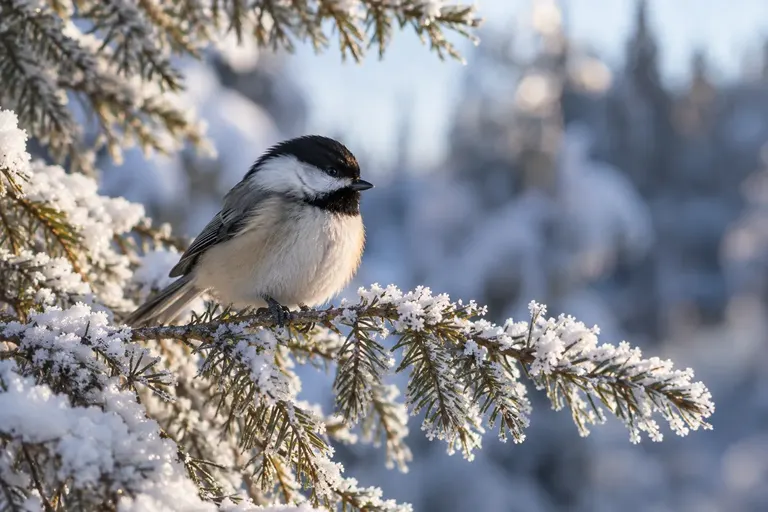
Grasslands
Native grasslands are among the most threatened ecosystems. In North America, most tallgrass prairie has been converted to crops. Grassland birds such as the Eastern Meadowlark, Bobolink and Grasshopper Sparrow have declined steeply. In South America, the Pampas of Argentina, Uruguay and southern Brazil, and the Cerrado savanna in central Brazil, have seen large-scale conversion to soy, cattle pasture and other crops, affecting species such as the Strange-tailed Tyrant and many seedeaters.
Forests
Tropical deforestation affects both resident birds and migrants that spend the winter there. Brazil’s Atlantic Forest, once vast, has been reduced to a fraction of its original extent, and it holds many threatened endemic species. Southeast Asian lowland forests have also been heavily cleared for plantations. In temperate regions, the loss of old-growth forest, dead trees and understory reduces nesting and feeding sites.
Wetlands
Wetlands have been drained worldwide for farming and development. Shorebirds that migrate along the East Asian-Australasian Flyway have declined sharply, partly because tidal mudflats in the Yellow Sea, a crucial refueling stop, have been reclaimed for development. In Turkey and the wider Mediterranean, drained marshes and reduced river flows affect wintering waterbirds and migrants.
How does modern farming affect birds?
A 2023 study of long-term data from more than 20,000 monitoring sites across 28 European countries concluded that agricultural intensification was the main pressure driving bird declines, ahead of urbanization, forest cover change and rising temperatures. Farmland is a large share of land in many countries, so changes in how it is managed ripple through bird populations.
Key changes include:
- Pesticides: insecticides reduce the insects that many birds, especially chicks, depend on. Herbicides remove the weeds and seeds that finches, buntings and sparrows eat. Some insecticides, notably neonicotinoids, have been linked in studies to reduced bird populations and to harmful effects on birds that eat treated seeds.
- Loss of field margins and hedgerows: these provide nesting sites, cover and food. Larger fields with fewer edges support fewer birds.
- Autumn sowing and fewer winter stubbles: changes in crop timing mean fewer spilled seeds and weedy fields in winter, when seed-eating birds need them most.
- Earlier, more frequent mowing: cutting grass for silage can destroy nests of ground-nesting birds such as the Corn Crake in Europe and the Bobolink in North America.
- Fertilizers: heavy fertilizer use produces dense, uniform vegetation that is harder for ground birds to nest and forage in.
Farmland birds in Europe have declined more steeply than most other groups. The Grey Partridge, Turtle Dove, Corn Bunting and Lapwing are among the species that have fallen dramatically in many countries.
Are insect declines hurting birds?
Very likely. Most songbirds feed insects to their young, even species such as sparrows and finches that eat mostly seeds as adults. A single brood of chickadees or tits can need thousands of caterpillars.
Studies from several countries report long-term declines in insect abundance, although the size of those declines varies by region and method. Aerial insectivores, birds that catch insects in flight, such as swallows, swifts, martins and nightjars, have declined more than many other groups in both North America and Europe. Researchers see falling insect numbers as a likely contributor, alongside other factors.
For gardeners, this is one of the most actionable causes. Native plants support far more insect species than most non-native ornamentals. Leaving leaf litter also shelters overwintering insects, as explained in leave the leaves.
How many birds do cats kill?
A lot. A 2013 study estimated that free-ranging domestic cats in the contiguous United States kill roughly 1.3 to 4 billion birds each year, with unowned and feral cats responsible for most of that total. Studies in other countries, including the UK, Australia and Canada, also find cats among the largest direct human-linked causes of bird deaths.
Cats are especially damaging on islands, where birds evolved without mammal predators. Globally, cats have been linked to the extinction of dozens of bird species on islands.
Keeping pet cats indoors or in enclosed outdoor spaces protects birds and has benefits for the cats too. Our guide to cats and birds covers practical options.
How many birds die hitting windows?
A 2014 study estimated that between roughly 365 million and 988 million birds die each year in the United States from building collisions. Most deaths happen at homes and low-rise buildings rather than skyscrapers, simply because there are so many more of them.
Birds do not perceive clear or reflective glass as a barrier. They see reflected sky and trees, or a clear path through to plants on the other side. Night-migrating birds are also drawn toward lit buildings in cities, especially in fog or low cloud, which increases collisions.
Solutions exist and are relatively simple: patterned glass, window films or markers spaced closely, external screens and turning off unnecessary lights during migration. Our guide to stopping birds hitting windows explains which methods work.
Is climate change driving bird declines?
It is a growing factor, though for many species it is currently less important than habitat loss and farming. Climate change affects birds in several ways:
- Range shifts: many species are moving toward the poles or higher elevations. Those already at the edge, such as mountaintop or Arctic species, have less room to move.
- Timing mismatches: some birds breed or migrate based on day length, while their food, such as caterpillars, now peaks earlier in warmer springs. Studies of Pied Flycatchers in the Netherlands linked such mismatches to population declines in some areas.
- Extreme weather: heat waves, droughts, wildfires and storms can kill birds directly or ruin breeding seasons. Seabirds are particularly vulnerable to changes in ocean temperatures that affect fish supplies.
- Sea-level rise: threatens coastal nesting and feeding habitats for saltmarsh birds and shorebirds.
Audubon’s climate modeling suggests that a large share of North American bird species could lose significant parts of their current ranges under higher warming scenarios.
What other threats matter?
Invasive species
Rats, mongooses, snakes and other introduced predators have caused many island bird extinctions. The accidental introduction of the Brown Tree Snake to Guam wiped out most of the island’s native forest birds. Invasive plants can also degrade habitats.
Disease
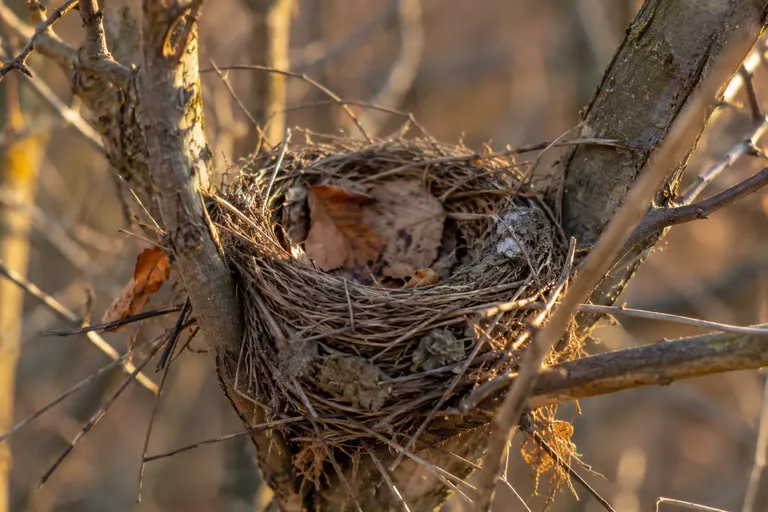
Diseases can cause sudden, dramatic declines. In the UK, the parasite-caused disease trichomonosis spread through garden birds in the mid-2000s and contributed to a steep decline in Greenfinches, with feeders and baths implicated in transmission. Highly pathogenic avian influenza has killed large numbers of seabirds, waterbirds and raptors across several continents in recent years. In Hawaii, mosquito-borne avian malaria continues to drive native honeycreepers toward extinction.
Clean feeders and water sources help reduce disease spread in gardens. See our guide on how to clean bird feeders.
Illegal killing and trapping
Around the Mediterranean, illegal shooting, trapping and liming of migrating birds is estimated to kill millions of birds each year. In East Asia, trapping for food contributed to the collapse of the Yellow-breasted Bunting, once one of the most abundant birds in Eurasia and now classed as critically endangered. In Brazil and parts of Southeast Asia, trapping songbirds for the cage-bird trade has depleted populations of species prized for their songs.
Light pollution and energy infrastructure
Artificial light at night disorients migrants. Power lines, poorly sited wind turbines and communication towers also cause collisions, though good siting and design can reduce these impacts considerably.
Why does the loss of common birds matter?
It is easy to assume that a species with millions of individuals is safe. But common birds do much of the ecological work in a landscape. Flocks of warblers, tits and sparrows eat enormous numbers of insects, including crop and forest pests. Thrushes, waxwings and pigeons spread seeds of fruiting trees and shrubs. Jays and nutcrackers bury acorns and pine seeds, planting future forests. Scavengers such as vultures clean up carcasses, and their collapse in South Asia in the 1990s and 2000s, caused by a veterinary painkiller in livestock carcasses, was followed by rises in feral dogs and concerns about disease.
When abundant species lose a quarter or more of their numbers, these services shrink even if no species disappears. Declines in common birds are also an early warning. Birds are well studied and easy to count, so their trends often reveal wider problems in soil, water, insects and plant life before those problems are measured directly.
Finally, common birds are the ones most people meet every day. As the research on birds and wellbeing suggests, fewer everyday encounters may also mean a quieter, poorer daily experience of nature for people in towns and cities.
Which birds are declining fastest?
| Group | Examples | Main drivers |
|---|---|---|
| Grassland birds | Eastern Meadowlark, Bobolink, Skylark | Conversion of grasslands, intensive farming |
| Farmland birds | Grey Partridge, Turtle Dove, Corn Bunting | Pesticides, loss of hedgerows and stubbles, hunting pressure on migration |
| Aerial insectivores | Chimney Swift, Barn Swallow, Common Swift | Insect declines, loss of nest sites |
| Long-distance migrants | Wood Thrush, Cuckoo, many warblers | Pressures on breeding, stopover and wintering grounds |
| Shorebirds | Red Knot, Curlew Sandpiper, Spoon-billed Sandpiper | Loss of coastal stopovers, disturbance, climate change |
| Seabirds | Atlantic Puffin, Black-legged Kittiwake | Changing fish supplies, bycatch, avian influenza |
| Island birds | Hawaiian honeycreepers | Invasive predators, disease |
Are any birds increasing?
Yes, and these successes offer hope.
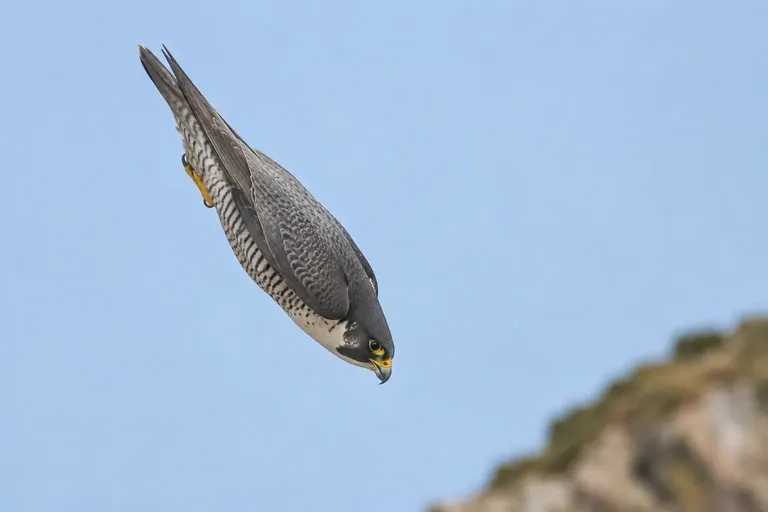
- Birds of prey: after DDT and similar pesticides were restricted from the 1970s, Bald Eagles, Peregrine Falcons, Ospreys and Brown Pelicans rebounded in North America. Similar recoveries occurred in Europe.
- Waterfowl: North American duck and goose populations increased substantially, supported by decades of wetland conservation funded partly through hunting licenses and duck stamps.
- European successes: White Storks, Common Cranes, Red Kites and Eurasian Spoonbills have returned to many areas thanks to legal protection, reintroductions and habitat restoration.
- Island recoveries: removing invasive predators from islands has allowed seabirds and landbirds to return in places such as New Zealand’s offshore islands.
Adaptable species that thrive around people, such as some doves, crows and parakeets, have also increased in many regions.
Myths vs facts about bird declines
Myth: Only rare birds are in trouble. Fact: Much of the numerical loss in North America and Europe comes from common species such as sparrows, starlings and swallows.
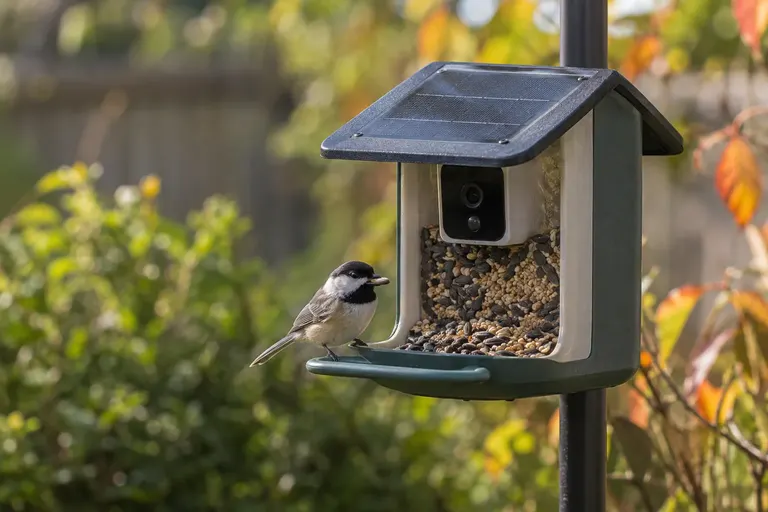
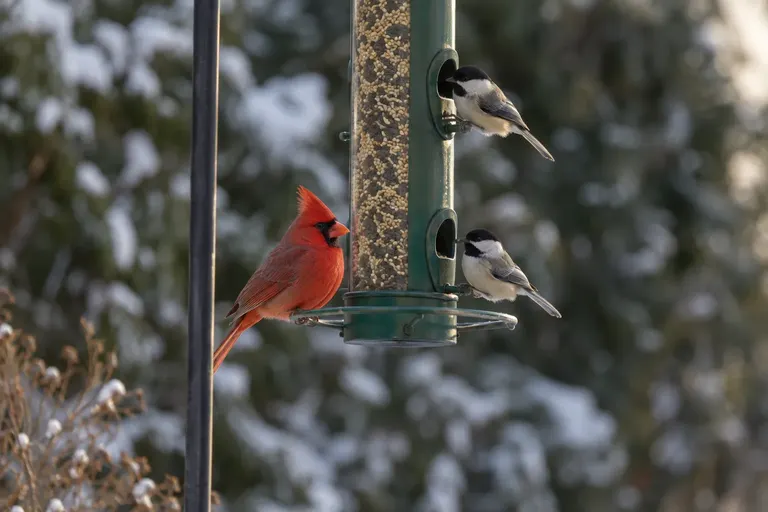
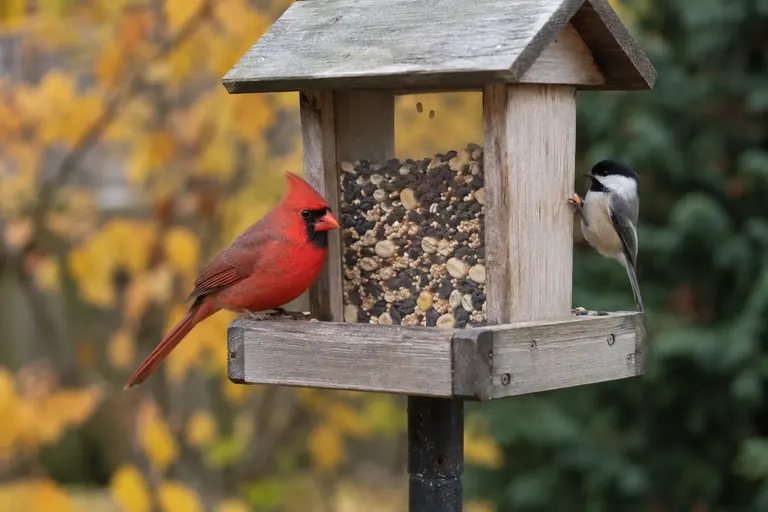
Myth: Feeders are keeping bird populations healthy. Fact: Feeding can help some species, especially in winter, but it cannot replace habitat and insects. Dirty feeders can also spread disease.
Myth: Wind turbines are the main cause of bird deaths. Fact: Turbines do kill birds, and siting matters, but estimates suggest far more birds die from cats and window collisions.
Myth: Nothing can be done. Fact: Wetland conservation, pesticide bans, predator removal and habitat restoration have reversed declines for many species.
What can backyard birders do to help?
Individual yards add up, especially in suburbs and towns where gardens cover large areas.
- Plant native species. Native trees, shrubs and flowers support local insects and provide seeds and fruit. Our guide to berry shrubs that feed birds all winter is a good starting point.
- Cut or stop pesticide use. Tolerate some leaf damage. It means insects, and insects mean food for chicks.
- Keep cats indoors. This is one of the most direct ways to reduce bird deaths.
- Fix problem windows. Treat the windows where strikes happen.
- Turn off unnecessary outdoor lights, especially during spring and fall migration.
- Keep feeders and baths clean to limit disease.
- Leave some mess. Leaves, seed heads and dead wood provide food and shelter.
- Count birds. Community science projects give researchers the data to detect declines. See how to use eBird.
Quick facts
- The US and Canada have an estimated 2.9 billion fewer breeding birds than in 1970, about 29% fewer.
- Grassland birds in North America have declined by more than half on average.
- The EU and UK are estimated to have lost roughly 560 to 620 million breeding birds since 1980.
- A European analysis identified agricultural intensification as the main driver of declines there.
- Outdoor cats are estimated to kill roughly 1.3 to 4 billion birds a year in the contiguous US.
- Window collisions kill an estimated 365 to 988 million birds a year in the US.
- Nearly half of the world’s bird species with known trends are declining.
- Waterfowl and many birds of prey have increased thanks to conservation.
Sources
- Rosenberg, K. V., et al. (2019). Decline of the North American avifauna. Science
- Rigal, S., et al. (2023). Farmland practices are driving bird population decline across Europe. PNAS
- Loss, S. R., Will, T. and Marra, P. P. (2013). The impact of free-ranging domestic cats on wildlife of the United States. Nature Communications
- 3 Billion Birds - Cornell Lab of Ornithology and partners
- Eastern Meadowlark overview - Cornell Lab of Ornithology, All About Birds
Frequently asked questions
How many birds has North America lost?
A widely cited 2019 study estimated that the United States and Canada had about 2.9 billion fewer breeding birds than in 1970, a net loss of roughly 29%, or more than one in four birds. The losses were spread across many habitats and included many common species such as sparrows, blackbirds, warblers and finches, not only rare ones.
What is the biggest cause of bird decline?
Habitat loss and degradation, especially through agricultural intensification, is generally considered the largest driver worldwide. A major European analysis identified farming intensification, including pesticide and fertilizer use, as the leading pressure on bird populations there. Other important causes include cats, collisions with buildings, climate change, invasive species, disease and illegal killing.
Are bird populations declining in Europe too?
Yes. Studies estimate that the European Union and United Kingdom have lost several hundred million breeding birds since 1980, with farmland birds such as the Grey Partridge, Skylark and Turtle Dove among the hardest hit. Some species, including many birds of prey and wetland birds, have recovered thanks to legal protection and habitat work.
Are any bird populations increasing?
Yes. In North America, many waterfowl have increased thanks to wetland conservation funded partly by hunters, and birds of prey such as the Bald Eagle and Peregrine Falcon recovered after DDT was banned. In Europe, species like the White Stork and Common Crane have rebounded in many areas. These successes show that targeted conservation works.
What can I do in my yard to help declining birds?
Several practical steps help: plant native trees, shrubs and flowers that support insects; reduce or avoid pesticides; keep cats indoors; treat windows to prevent collisions; keep feeders and baths clean to limit disease; and leave leaves and seed heads for shelter and food. Recording sightings in community science projects also helps researchers track populations.