Best Suet for Birds: Suet Cakes and Blends Compared
The best suet for birds is rendered suet packed with nuts, not cheap corn filler. Lyric Delite leads our research picks, with no-melt Cole's cakes for summer.
If you buy through links on this page we may earn a commission, at no cost to you. It never decides what we recommend. How we earn
In this article
- Quick picks
- How we chose
- What is suet, and why do birds want it?
- Lyric Delite High Protein Suet: best overall
- Cole’s Natural Peanut Suet Cake: best no-melt for year-round
- Cole’s Hot Meats Suet Cake: best to deter squirrels
- Lyric Peanut Pieces High Energy Suet: simplest ingredient list
- Cole’s Special Feeder Suet Cake: best for woodpeckers in winter
- Lyric Fruit and Nut Suet: best for fruit-eating birds
- Wildlife Sciences Suet Plus Insect Suet Dough: best suet dough
- Suet cakes compared
- Which birds eat suet?
- How to choose suet for your climate
- Suet cakes vs seed cakes: what is the difference?
- How long does a suet cake last?
- How to make simple homemade suet
- Which suet feeder works best?
- Common mistakes with suet
- Sources
- Frequently asked questions
The best suet for birds is rendered beef suet loaded with nuts and seeds, not a cheap cake bulked out with corn and grain. Our top pick is Lyric Delite High Protein Suet, a 12 oz cake of shelled peanuts, sunflower kernels, pecans, pistachios and pumpkin seed with no corn or grain filler listed. In warm months, switch to a no-melt cake such as Cole’s Natural Peanut Suet Cake, and if squirrels or raccoons raid your cage, Cole’s Hot Meats Suet Cake adds red pepper that birds ignore.
Suet is the single best food for bringing woodpeckers to a backyard. Picking a good cake comes down to three questions: what fat, what add-ins, and will it hold up in your weather?
Quick picks
- Best overall: Lyric Delite High Protein Suet
- Best no-melt for year-round: Cole’s Natural Peanut Suet Cake
- Best to deter squirrels: Cole’s Hot Meats Suet Cake
- Simplest ingredient list: Lyric Peanut Pieces High Energy Suet
- Best for woodpeckers in winter: Cole’s Special Feeder Suet Cake
- Best for fruit-eating birds: Lyric Fruit and Nut Suet
- Best suet dough: Wildlife Sciences Suet Plus Insect Suet Dough
Lyric Delite High Protein Suet
Shelled peanuts, sunflower kernels, pecans, pistachios and pumpkin seed in rendered beef suet, with no corn or grain filler.
- Best for
- Cool-season feeding for the widest range of suet birds.
- Skip it if
- You need a no-melt cake for hot summers.
- Ingredients
- Peanuts, sunflower kernels, pecans, pistachios, pumpkin seed, rendered beef suet
- Cake size
- 12 oz
Cole's Natural Peanut Suet Cake
A roasted-peanut suet cake with a no-melt formula Cole's markets for year-round feeding.
- Best for
- Warm climates and summer feeding.
- Skip it if
- You want a no-grain, all-nut cake.
- Ingredients
- Corn, roasted peanuts, rendered beef suet, oats, soy oil
- Cake size
- 11.75 oz
Cole's Hot Meats Suet Cake
A no-melt suet cake with sunflower meats and red pepper, which birds ignore and most mammals avoid.
- Best for
- Yards where squirrels or raccoons strip suet cages.
- Skip it if
- You handle cakes bare-handed; the pepper stings.
- Ingredients
- Corn, roasted peanuts, rendered beef suet, oats, sunflower meats, red pepper, soy oil
- Cake size
- 11.75 oz
Lyric Peanut Pieces High Energy Suet
Two ingredients: peanuts in rendered beef suet. Nothing else.
- Best for
- Woodpeckers, nuthatches and chickadees in cold weather.
- Skip it if
- You feed in summer heat.
- Ingredients
- Peanuts, rendered beef suet
- Cake size
- 12 oz
Cole's Special Feeder Suet Cake
A nut-heavy cake with peanuts, almonds, Brazil nuts, cashews, pecans and walnuts, meant for fall and winter.
- Best for
- Cold-season woodpecker feeding.
- Skip it if
- You want a cake for warm months; Cole's recommends it for fall and winter.
- Main ingredients
- Rendered beef suet, roasted peanuts, oats, corn, mixed tree nuts
- Cake size
- 11 oz
Lyric Fruit and Nut Suet
Nuts, sunflower, cranberries, pumpkin seed and raisins in beef tallow suet.
- Best for
- Adding bluebirds and other fruit eaters to the suet crowd.
- Skip it if
- You want a corn-free cake; corn is in the list.
- Main ingredients
- Peanuts, almonds, cashews, pecans, sunflower, cranberries, raisins, rendered beef suet
- Cake size
- 12 oz
Wildlife Sciences Suet Plus Insect Suet Dough
A no-melt suet dough in an easy-open wrapper, built for insect-eating songbirds.
- Best for
- Warm-weather feeding and tidy handling.
- Skip it if
- You want a full published ingredient list before buying; check the pack.
- Cake size
- 12 oz
- Formula
- No-melt (per maker)
How we chose
We have not yet run feeder trials of these cakes ourselves. This roundup is research-led. We compared the ingredient lists and cake sizes published on each manufacturer’s product page, and checked guidance on suet and feeding from Cornell Lab of Ornithology’s Project FeederWatch and All About Birds. We looked for patterns in verified owner feedback on melting, crumbling, starling pressure and squirrels.
Our criteria:
- Rendered suet as the fat, named on the label.
- High-value add-ins such as peanuts, sunflower and tree nuts, listed early.
- Little or no filler. Corn and oats are not harmful, but cakes heavy in them offer less of what insect-eating birds want.
- Clear seasonal use: a no-melt claim for warm-weather picks.
What is suet, and why do birds want it?
Suet is the hard fat from around beef kidneys and loins. It is almost pure energy, which is why it matters most in winter, when birds burn fat reserves to survive long, cold nights. Cornell’s Project FeederWatch describes suet as a food that draws insect-eating birds, species that may ignore a seed feeder entirely.
Raw vs rendered suet
Raw suet from a butcher works in freezing weather but spoils quickly as temperatures rise. Rendered suet has been melted and strained, which removes impurities and leaves a harder, longer-lasting fat. Nearly all commercial cakes, including every pick here, use rendered suet.
What “no-melt” really means
“No-melt” cakes and suet doughs mix fat with flour, cornmeal or oats so the cake holds its shape in warmer weather. They are more heat-tolerant, not heatproof. In direct summer sun, even a no-melt cake softens. Shade matters.
Lyric Delite High Protein Suet: best overall
What it is. Lyric’s premium suet cake, the suet version of its Delite no-waste seed mix.
Ingredients (from Lyric): shelled peanuts, sunflower kernels, pecans, pistachios, shelled pumpkin seeds and rendered beef suet. 12 oz cakes, sold in cases of 12.
Who it suits. Anyone who wants the richest cake for fall through spring. Lyric’s species list runs from Downy, Hairy, Red-bellied and Red-headed Woodpeckers to nuthatches, chickadees, titmice, Brown Creepers, Pine Warblers and Eastern Bluebirds.
Strengths. No corn, oats or grain in the ingredient list, so every bite is fat, nut or seed. Shelled add-ins leave no hulls below the feeder.
Drawbacks. Lyric does not make a no-melt claim for this cake. Nut-heavy cakes are also very appealing to squirrels.
Skip it if you feed through hot summers; use a no-melt cake then.

Cole’s Natural Peanut Suet Cake: best no-melt for year-round
What it is. A roasted-peanut suet cake Cole’s describes as having a “special no-melt formula” for year-round feeding.
Ingredients (from Cole’s): corn, roasted peanuts, rendered beef suet, oats and soy oil. 11.75 oz.
Who it suits. Warm-climate feeders and anyone who keeps suet out in summer. Cole’s lists nuthatches, bluebirds, chickadees, woodpeckers, towhees, warblers, wrens, catbirds, titmice, robins, finches and cardinals.
Strengths. Designed to hold together in heat. Peanuts are a favorite of woodpeckers and nuthatches.
Drawbacks. Corn leads the ingredient list, so this cake carries more grain than the Lyric picks. That is typical of no-melt formulas, which need a binder.
Skip it if you only feed in winter; a richer all-nut cake gives more energy per ounce.
Cole’s Hot Meats Suet Cake: best to deter squirrels
What it is. Cole’s no-melt suet cake with sunflower meats and red pepper.
Ingredients (from Cole’s): corn, roasted peanuts, rendered beef suet, oats, sunflower meats, red pepper and soy oil. 11.75 oz.
Why the pepper works. Birds do not respond to capsaicin, the compound that makes chili hot, while mammals do. That makes pepper suet one of the few foods that squirrels and raccoons tend to leave alone after a taste.
Strengths. No-melt, per Cole’s, so it works year-round. Cole’s names bluebirds, woodpeckers, robins, buntings, nuthatches, catbirds, finches, cardinals and warblers as visitors.
Drawbacks. Wear gloves; pepper residue stings eyes. Some mammals take a few tries before they give up.
Skip it if your suet already survives the squirrels; the plain peanut cake costs you nothing in bird appeal.
Lyric Peanut Pieces High Energy Suet: simplest ingredient list
What it is. The shortest label here. Lyric lists just “peanuts in rendered beef suet.” 12 oz cakes.
Who it suits. People who want nothing but fat and protein for cold-weather woodpeckers, nuthatches and chickadees. Lyric’s species list includes Downy, Hairy, Red-bellied, Red-headed and Acorn Woodpeckers.
Strengths. No corn, no oats, no fillers. Easy to compare against anything else on the shelf.
Drawbacks. No no-melt claim, so it is a cool-season cake. A peanut-only cake is a strong squirrel magnet.
Skip it if you feed in summer heat or cannot baffle your feeder.
Cole’s Special Feeder Suet Cake: best for woodpeckers in winter
What it is. A nut-heavy suet cake Cole’s describes as “chock full of pecans and peanuts” and marketed for woodpeckers.
Ingredients (from Cole’s): rendered beef suet, roasted peanuts, oats, corn, milk, almonds, Brazil nuts, cashews, pecans and walnuts. 11 oz.
Who it suits. Cold-season feeders chasing woodpeckers, nuthatches and chickadees. Cole’s says it is “best served during the cooler months of fall and winter.”
Strengths. One of the widest nut mixes in a single cake. Rendered suet listed first.
Drawbacks. Contains milk, which is unusual in a suet cake; if you prefer the simplest possible label, choose Lyric Peanut Pieces instead. Not a warm-weather cake.
Skip it if you want a simple, dairy-free label.
Lyric Fruit and Nut Suet: best for fruit-eating birds
What it is. The suet version of Lyric’s Fruit and Nut seed blend, described by Lyric as a “100% edible, no-waste beef tallow suet.”
Ingredients (from Lyric): shelled peanuts, almonds, cashews, pecans, corn, black oil sunflower, sunflower kernels, pistachios, dried cranberries, shelled pumpkin seeds, raisins and rendered beef suet. 12 oz cakes.
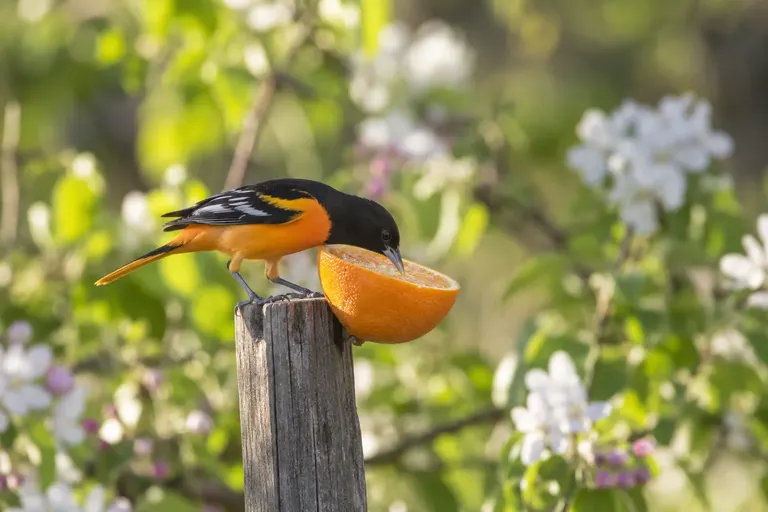
Who it suits. Yards where you hope to add Eastern Bluebirds and other fruit eaters to the woodpecker and nuthatch regulars.
Strengths. The broadest menu in a single cake. Fruit is a useful draw in winter, when insects are scarce.
Drawbacks. Contains corn and whole black oil sunflower, so it is not fully shell-free despite the no-waste description. No no-melt claim.
Skip it if you want the cleanest, all-nut cake; choose Lyric Delite.
Wildlife Sciences Suet Plus Insect Suet Dough: best suet dough
What it is. A 12 oz suet dough cake from Wildlife Sciences’ Suet Plus line, sold in an easy-open, no-mess wrapper. The maker lists it with a “No-Melt Formula.”
Who it suits. Warm-weather feeding and people who dislike peeling plastic trays with greasy fingers.
Strengths. Dough cakes are firmer and less greasy to handle. The wrapper design is recyclable, per the maker.
Drawbacks. We could not find a full ingredient list on the maker’s product page, so check the pack. Doughs generally contain more flour or grain than pure suet cakes.
Skip it if you want to verify every ingredient online before buying.
Suet cakes compared
| Pick | Fat | Leading add-ins | Corn or grain | No-melt claim | Size |
|---|---|---|---|---|---|
| Lyric Delite High Protein | Rendered beef suet | Peanuts, sunflower kernels, pecans, pistachios | None listed | No | 12 oz |
| Cole’s Natural Peanut | Rendered beef suet | Roasted peanuts | Corn, oats | Yes | 11.75 oz |
| Cole’s Hot Meats | Rendered beef suet | Peanuts, sunflower meats, red pepper | Corn, oats | Yes | 11.75 oz |
| Lyric Peanut Pieces | Rendered beef suet | Peanuts | None listed | No | 12 oz |
| Cole’s Special Feeder | Rendered beef suet | Peanuts, mixed tree nuts | Oats, corn | No (fall/winter) | 11 oz |
| Lyric Fruit and Nut | Rendered beef suet | Nuts, sunflower, fruit | Corn | No | 12 oz |
| Suet Plus Insect Suet Dough | Suet dough | Not published online | Not published | Yes | 12 oz |
Which birds eat suet?
Suet feeders pull in a different crowd from seed feeders. The most common visitors across the US:
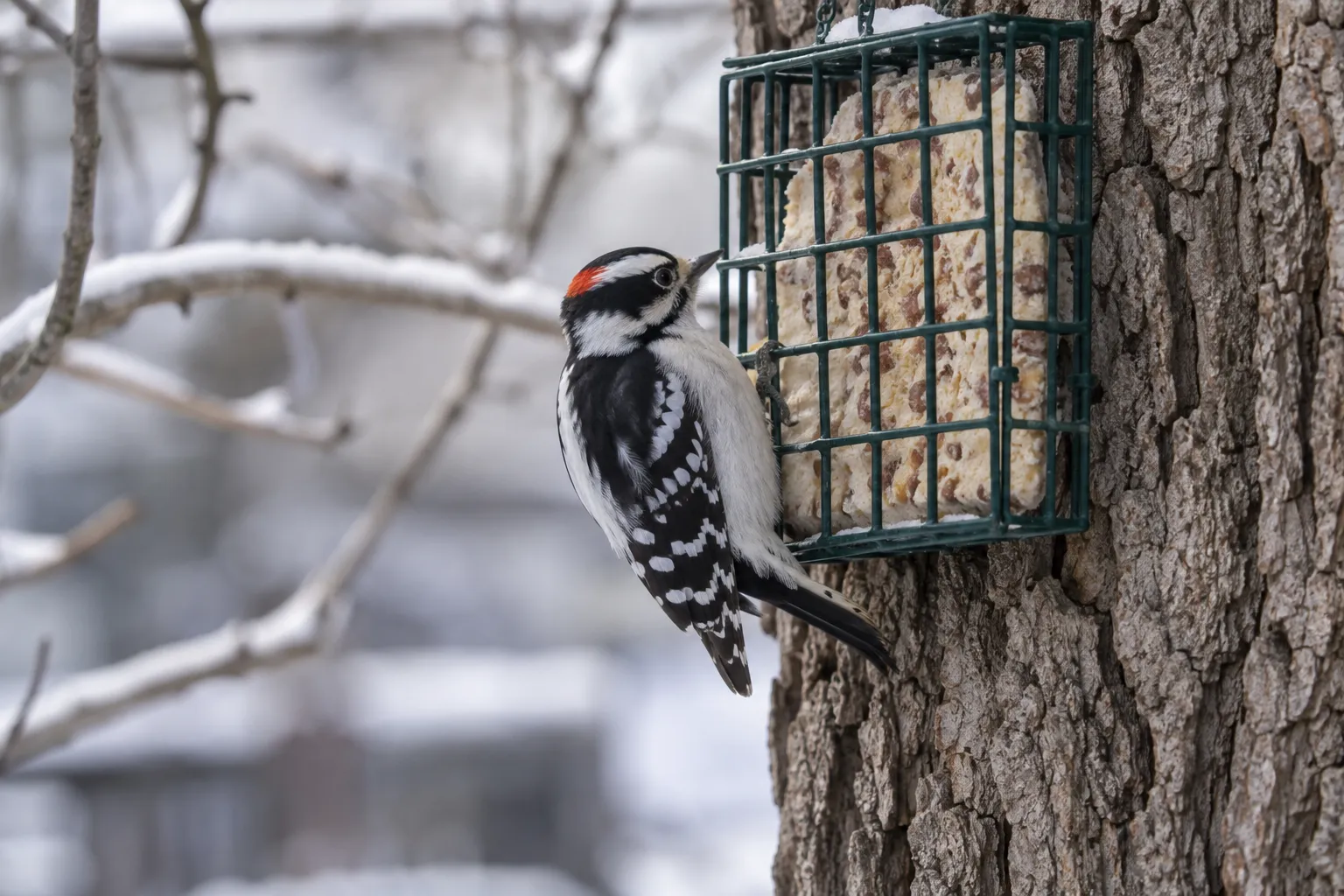
- Woodpeckers: Downy, Hairy and Red-bellied Woodpeckers are regulars; Northern Flickers and, near mature woods, Pileated Woodpeckers visit too. See how to attract Downy Woodpeckers and Pileated Woodpeckers.
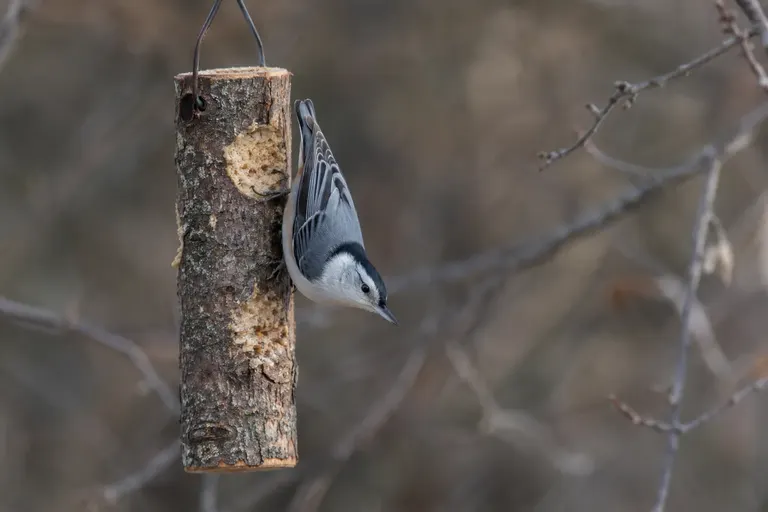
- Nuthatches: White-breasted and Red-breasted Nuthatches.
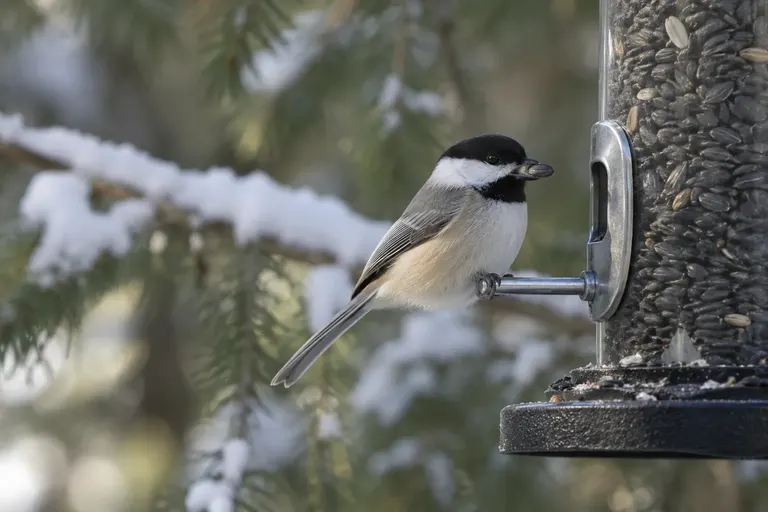
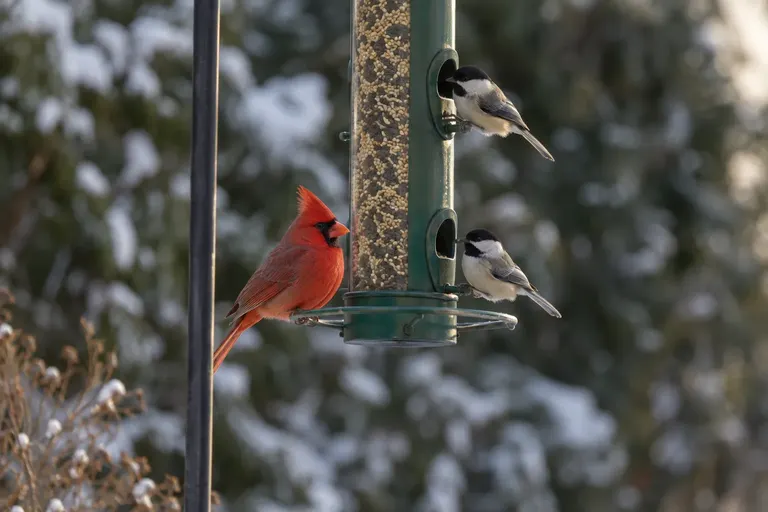
- Chickadees and titmice: all regional chickadees and the Tufted Titmouse.
- Wrens: the Carolina Wren is a winter suet regular in the East. See how to attract Carolina Wrens.
- Others: Brown Creepers, some warblers in winter, jays and, with fruit cakes, bluebirds.
- The problem guest: European Starlings love suet and can empty a cake in a day.
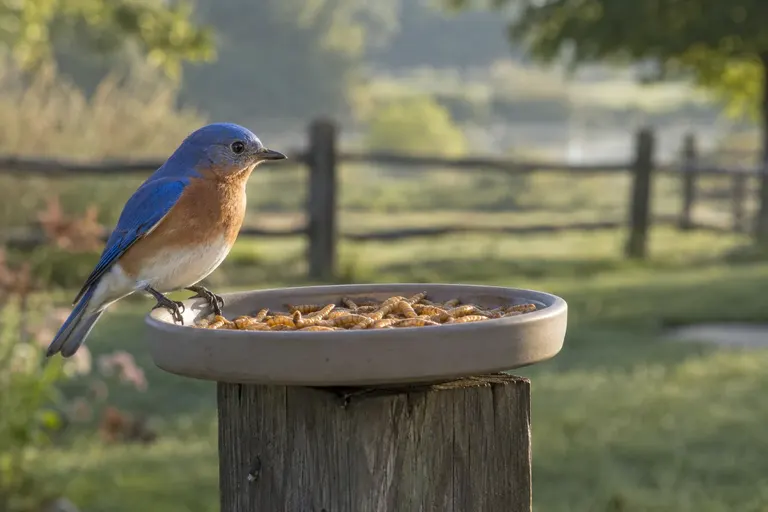
Add dried mealworms beside suet for wrens and bluebirds; our mealworm picks cover the best options.
How to choose suet for your climate
Cold winters
Energy density matters most. Choose all-nut, grain-free cakes like Lyric Delite or Lyric Peanut Pieces. Raw or rendered suet both hold up well below freezing. Keep a second cake ready so the feeder is never empty during a cold snap; our winter feeding guide has more.
Mild winters and warm springs
Mix it up: rendered nut cakes on cool days, no-melt cakes as temperatures climb. Check cakes every few days for softening or off smells.
Hot summers
Cornell’s FeederWatch advises avoiding suet in hot weather unless it is specially processed. If you do feed suet in summer, use no-melt cakes or doughs, hang them in full shade, buy small amounts and replace cakes that soften, smell rancid or show mold. Many experienced feeders simply stop suet from late spring to early fall.
Suet cakes vs seed cakes: what is the difference?
They look alike on the shelf, but they feed different birds. A suet cake is mostly fat, with nuts, seeds or fruit mixed in. A seed cake is mostly seed held together with a binder such as gelatin, with little or no fat. Seed cakes suit finches, cardinals and sparrows; suet cakes suit woodpeckers, nuthatches, chickadees and wrens. If the first ingredient on the label is millet or milo, it is a seed cake, whatever the front of the pack says.
How long does a suet cake last?
That depends almost entirely on traffic and weather. A single cake can last a week or more at a quiet feeder in winter, and less than a day when a flock of starlings finds it. Two practical rules:
- Outdoors: replace a cake that softens, darkens, smells sour or shows mold, even if birds have not finished it.
- In storage: keep unopened cakes cool and dry, and check the pack for a best-by date. Freezing extends shelf life for rendered cakes.
If a cake disappears overnight, suspect mammals. Raccoons, opossums and squirrels all take suet. A hot pepper cake, a baffle, or bringing the feeder in at night solves most cases.
How to make simple homemade suet
Many backyard birders make their own, and it is easy with plain beef fat.
- Get suet. Ask a butcher for beef kidney suet.
- Render it. Chop it, melt it slowly over low heat, then strain out the solids.
- Let it cool slightly, then stir in add-ins: unsalted peanuts or peanut pieces, sunflower kernels, chopped unsalted nuts, a little cornmeal or rolled oats to firm it up, and dried fruit if you like.
- Pour into molds, such as old suet trays or a square pan lined with paper.
- Chill until firm, then store in the freezer and thaw one cake at a time.
Rendering twice makes a harder cake. Keep homemade suet for cold weather; without the binders commercial no-melt cakes use, it softens quickly as temperatures rise. Never use salted or seasoned ingredients.
Which suet feeder works best?
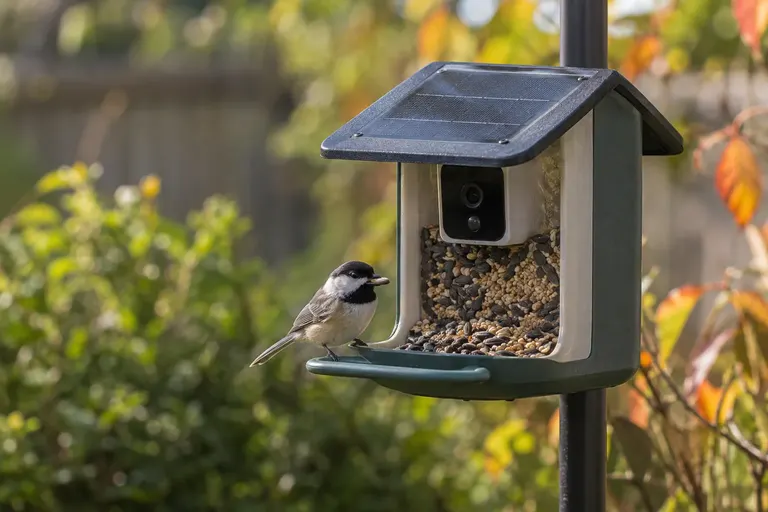
The feeder matters almost as much as the cake. Our suet feeder picks go deeper, but the basics:
- Standard wire cage: holds one or two cakes; fine for most yards.
- Tail-prop feeder: a cage with a long board below, which lets larger woodpeckers like flickers and Pileateds brace with their tails.
- Upside-down feeder: open only on the bottom. Woodpeckers, nuthatches and chickadees feed upside down easily; starlings struggle. The single best fix for starling pressure; also see how to keep starlings and grackles off feeders.
- Caged guard feeder: an outer cage keeps out larger birds and some squirrels.
Place suet near trunks or large branches, where clinging birds feel at home, and within reach of cover.
Common mistakes with suet
- Leaving soft suet out in heat. It turns rancid and messy. Swap to no-melt or stop for summer.
- Buying by the case in spring. Cakes you will not use for months can go stale. Store cakes cool and dry, or in the freezer.
- Using bacon grease or salty drippings. Salt and preservatives are bad for birds; see what not to feed birds.
- Ignoring starlings. A regular cage feeds starlings first. Switch to an upside-down feeder.
- Skipping cleaning. Grease builds up on cages. Scrub with hot, soapy water between cakes, and replace any cake that molds.
Sources
- Feeding Birds: seed and suet types (Cornell Lab Project FeederWatch)
- Types of bird seed: a quick guide (Cornell Lab, All About Birds)
- Lyric Delite High Protein Suet (Lyric)
- Lyric Peanut Pieces High Energy Suet (Lyric)
- Lyric Fruit and Nut Suet (Lyric)
- Cole’s Natural Peanut Suet Cake (Cole’s Wild Bird Products)
- Cole’s Hot Meats Suet Cake (Cole’s Wild Bird Products)
- Suet Plus Insect Suet Dough (Wildlife Sciences)

Frequently asked questions
What is the best suet for birds?
The best suet is rendered beef suet with high-value add-ins like peanuts, sunflower kernels and tree nuts, and little or no corn and grain filler. Rendered suet keeps longer than raw fat. In warm weather, use a no-melt or suet dough cake, which mixes fat with flour, oats or cornmeal so it holds its shape.
Which birds eat suet?
Suet mainly draws insect-eating birds, as Cornell's Project FeederWatch notes. Common visitors include Downy, Hairy and Red-bellied Woodpeckers, Northern Flickers, Pileated Woodpeckers in wooded areas, White-breasted and Red-breasted Nuthatches, chickadees, titmice and Carolina Wrens. European Starlings also love suet, which is why upside-down feeders are popular.
Can I feed suet in summer?
Only with care. Cornell's FeederWatch advises avoiding suet in hot weather unless it is specially processed. Raw and soft suet can turn rancid and soften in heat. If you feed in summer, use no-melt or suet dough cakes, hang them in shade, buy small quantities and replace any cake that softens, smells off or molds.
Is homemade suet or bacon grease safe for birds?
Plain rendered beef suet is fine, and many people make their own. Bacon grease is a poor choice: it is salty, may contain preservatives and turns rancid quickly. Avoid adding bread or salty snacks. If you make suet at home, render it, strain it, add unsalted nuts or seeds, and store it cold.
How do I stop starlings from eating all the suet?
Use an upside-down suet feeder, which only opens on the bottom. Woodpeckers, nuthatches and chickadees feed hanging upside down easily, while starlings struggle. Caged feeders with an outer wire guard also help. Pure suet cakes with fewer seeds and nuts tend to appeal less to starlings than seed-heavy ones.